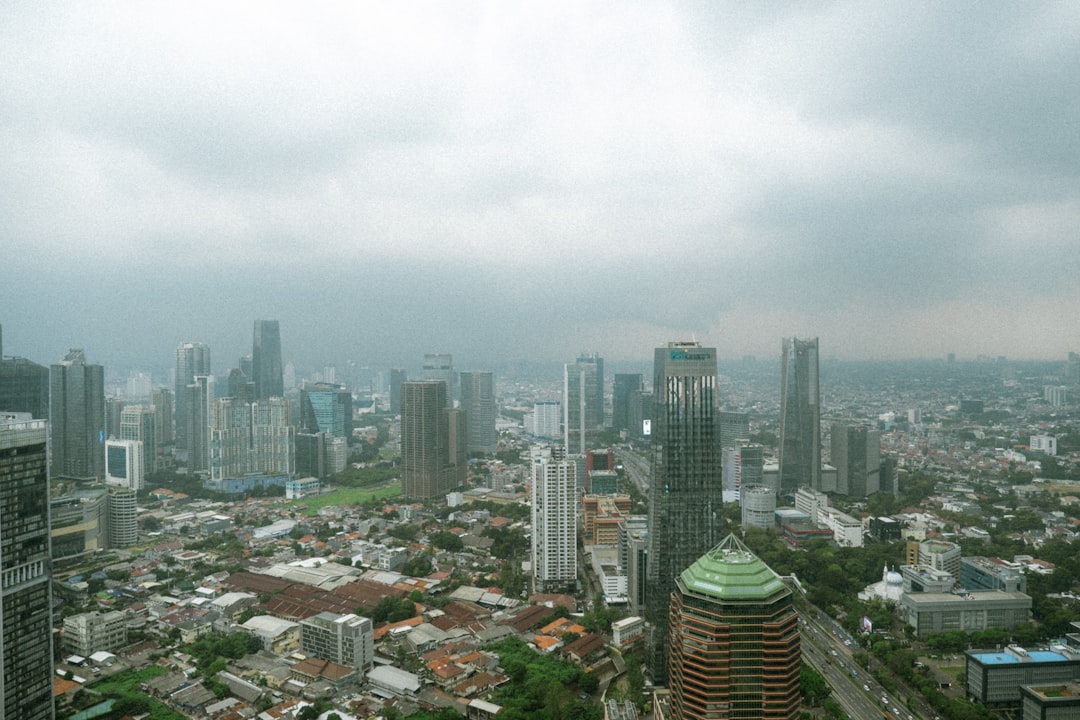
Navigating Jakarta’s Soy Meal Supply Chain Risks
Understanding the intricate web that brings soy meal to the bustling metropolis of Jakarta is crucial for businesses and consumers alike. This vital commodity, a cornerstone of Indonesia’s animal feed industry and a growing ingredient in human food products, faces a unique set of challenges within its supply chain. The journey from soybean cultivation to the final meal product delivered to processing plants is a complex dance of logistics, policy, and market forces, susceptible to disruptions that can ripple through the economy. For those involved in this sector, recognizing and mitigating these risks is not merely good practice; it is essential for survival and growth in a dynamic and often unpredictable environment.
The genesis of soy meal lies in the agricultural fields where soybeans are grown. Indonesia, while a significant producer of palm oil, is not self-sufficient in soybean production. Therefore, a substantial portion of its soybean needs, and consequently its soy meal output, relies on imported raw material. This dependency forms the bedrock of many supply chain risks.
Domestic Production Challenges
While efforts are underway to bolster domestic soybean cultivation, several hurdles persist.
Climate and Weather Volatility
Soybean crops are inherently sensitive to climatic conditions. Unpredictable rainfall patterns, prolonged droughts, or excessive flooding can decimate yields. These weather-related shocks not only impact the quantity of soybeans harvested but also their quality, potentially affecting the protein and oil content of the resulting meal. The specter of El Niño or La Niña events looms large, acting as a constant wildcard in the agricultural season. A poor harvest can lead to price hikes and reduced availability, forcing processors to seek more expensive imported alternatives, thereby increasing the cost of soy meal.
Pest and Disease Outbreaks
Agriculture is a constant battle against nature’s adversaries. Pests and diseases can spread rapidly through soybean fields, causing significant crop damage. Localized outbreaks, if not effectively managed, can escalate into regional crises, diminishing the overall supply. The effectiveness of pest and disease control measures is often linked to farmer education, access to appropriate technologies, and government support for agricultural extension services.
Land Availability and Agrarian Reform
The consolidation of agricultural land for large-scale soybean farming is a complex issue, often intertwined with land ownership disputes and agrarian reform initiatives. Limited arable land, competition with other high-value crops like palm oil, and urban encroachment can restrict the expansion of soybean cultivation. This scarcity directly translates into a reduced domestic supply base, amplifying reliance on imports.
Reliance on Imported Soybeans
Indonesia’s significant reliance on imported soybeans introduces a layer of global risk into its domestic soy meal supply.
Geopolitical Instability in Sourcing Regions
The major global exporters of soybeans, such as the United States, Argentina, and Brazil, are not immune to geopolitical tensions, trade disputes, or internal political instability. Any disruption in these source countries, whether it be a trade war, sanctions, or major domestic policy changes, can directly impact the volume and price of soybeans available for export to Indonesia. These external factors are often beyond Indonesia’s direct control, making it a vulnerable recipient of global market shifts.
Currency Fluctuations
The Indonesian Rupiah’s exchange rate against major global currencies, particularly the US Dollar, plays a pivotal role in the cost of imported soybeans. A depreciating Rupiah means that importing the same volume of soybeans becomes more expensive, directly impacting the profitability of soy meal producers and the final price of the product. This currency risk requires careful financial hedging strategies and can be a significant concern for businesses operating in the sector.
International Shipping and Logistics
The global journey of soybeans from farm to port and then to Indonesian shores is a complex logistical operation. This chain is susceptible to disruptions from various sources:
- Container Shortages and Port Congestion: Global trade imbalances can lead to shortages of shipping containers, driving up freight costs and causing delays. Major international ports can experience congestion due to labor disputes, natural disasters, or surges in trade volumes, further impeding the timely arrival of essential raw materials.
- Maritime Security and Piracy: While less prevalent in major soybean shipping routes, the inherent risks associated with ocean transport, such as piracy or accidents, can lead to delays and increased insurance costs.
- Fuel Price Volatility: The cost of bunker fuel directly influences shipping expenses. Fluctuations in global oil prices can significantly affect the overall cost of importing soybeans, adding another variable to the supply chain equation.
The supply chain risks associated with Jakarta’s soy meal market are increasingly concerning for local producers and consumers alike. A related article that delves deeper into the intricacies of this issue can be found at MyGeoQuest, where it explores the factors affecting supply stability and the potential impacts on pricing and availability in the region. Understanding these dynamics is crucial for stakeholders aiming to navigate the challenges posed by fluctuations in the soy meal supply chain.
Processing and Manufacturing: Navigating the Transformation
Once soybeans arrive in Indonesia, they enter the processing phase to be transformed into soy meal. This stage, while domestic, is not without its own set of operational and logistical challenges.
Availability and Cost of Raw Materials (Soybeans)
The direct availability and cost of imported soybeans are the primary drivers of success or failure in the processing sector.
Price Volatility of Soybeans
The global soybean market is a dynamic arena, influenced by supply and demand, speculative trading, and government policies in major producing nations. Jakarta’s soy meal producers are constantly exposed to this price volatility. Sudden spikes in soybean prices can squeeze profit margins, forcing them to either absorb the cost, pass it on to consumers (leading to higher feed prices), or reduce production. This mirrors navigating a financial tightrope, where a misstep can lead to significant financial strain.
Quality Consistency of Imported Soybeans
While quantity is important, the quality of imported soybeans is equally critical. Variations in protein content, moisture levels, and the presence of contaminants can affect the efficiency of the crushing process and the quality of the final soy meal. Inconsistent quality can lead to suboptimal yields and necessitate adjustments in processing parameters, increasing operational costs and potentially impacting the nutritional value of the feed produced.
Operational Efficiency and Technological Adoption
The efficiency with which soybeans are processed into meal directly impacts the cost and availability of the final product.
Technological Obsolescence
For some processing plants, the adoption of state-of-the-art crushing and extraction technologies may be limited by capital investment constraints. Older machinery can be less energy-efficient, prone to breakdowns, and may not achieve optimal extraction rates, leading to higher operational costs and a less competitive product. Staying abreast of technological advancements is crucial for maintaining a competitive edge.
Energy Costs and Reliability
Soybean processing is an energy-intensive industry. Fluctuations in electricity and fuel prices directly impact manufacturing costs. Furthermore, the reliability of the energy supply is paramount. Frequent power outages or supply disruptions can halt production, leading to significant financial losses and delays in fulfilling orders. This is akin to trying to run a complex machine with an intermittent power source; efficiency grinds to a halt.
Maintenance and Downtime
Regular maintenance of processing equipment is essential to prevent unexpected breakdowns. However, unforeseen mechanical failures can lead to costly downtime, disrupting production schedules and impacting delivery commitments. Effective preventive maintenance programs and the availability of spare parts are critical to minimizing these risks.
Waste Management and Environmental Regulations
The processing of soybeans generates by-products and waste streams. Adhering to environmental regulations and managing these effectively presents another layer of risk.
By-product Utilization
Soybean processing generates by-products like soybean oil and hulls. While valuable, efficient utilization and markets for these by-products are crucial for overall profitability. Inefficient management or a lack of demand for these streams can represent a missed revenue opportunity or an added disposal cost.
Compliance with Environmental Standards
Indonesia, like many nations, is increasingly focusing on environmental protection. Processing plants must comply with regulations regarding wastewater discharge, air emissions, and solid waste disposal. Failure to comply can result in fines, operational shutdowns, and damage to corporate reputation.
Logistics and Distribution: The Last Mile Challenge
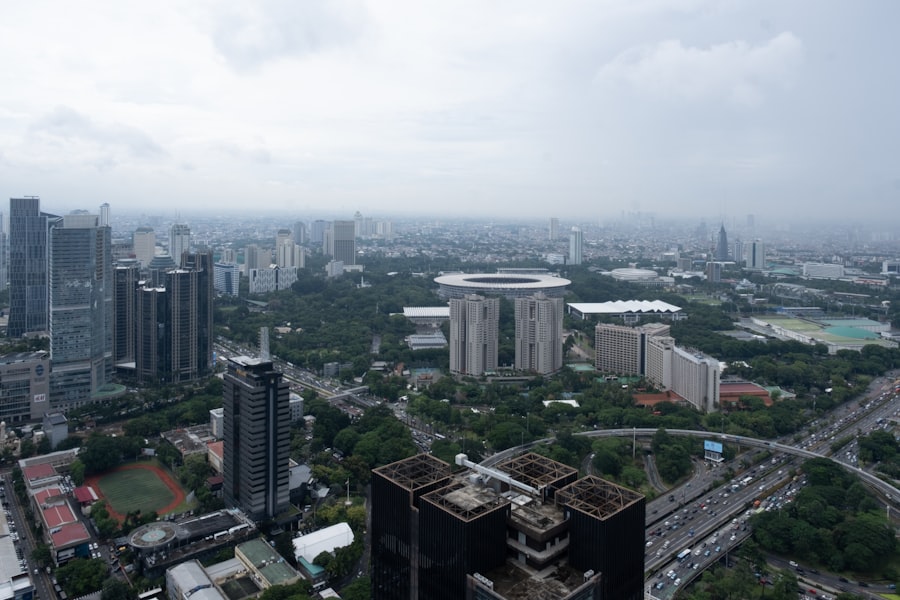
Once soy meal is produced, its journey to the end-users – primarily animal feed manufacturers – involves a complex and often challenging logistical network.
Storage and Warehousing
The secure and appropriate storage of soy meal before it reaches its final destination is a critical step.
Warehouse Capacity and Availability
Sufficient and strategically located warehousing is needed to hold inventory, especially during periods of high production or before critical delivery windows. A shortage of adequate warehousing can lead to storage bottlenecks, increased demurrage charges, and potential spoilage if the conditions are not optimal.
Environmental Control in Storage
Soy meal is susceptible to spoilage if stored improperly. Factors like humidity, temperature, and pest infestation can degrade the quality of the meal. Maintaining appropriate environmental controls within warehouses is essential to preserve the product’s integrity and prevent financial losses due to spoilage. This is akin to carefully guarding a precious cargo, ensuring it remains untainted.
Transportation and Delivery
The physical movement of soy meal from processing plants to customers across Jakarta and beyond is a significant undertaking.
Road Infrastructure and Traffic Congestion
Jakarta is notorious for its traffic congestion. The “last mile” delivery of soy meal can be significantly delayed by the city’s gridlocked arteries. This not only impacts delivery times but also increases fuel consumption and driver fatigue, contributing to operational costs. Efficient route planning and the potential use of alternative transportation modes are increasingly important.
Fleet Management and Maintenance
The efficiency of the transportation fleet is paramount. Regular maintenance of trucks and trailers is essential to prevent breakdowns and ensure timely deliveries. Inefficient fleet management, including poor route optimization and underutilized vehicles, can lead to higher transportation costs and reduced delivery capacity.
Regulatory Compliance in Transportation
The transportation of goods in Indonesia is subject to various regulations, including vehicle weight limits, driver licensing, and cargo security requirements. Non-compliance can result in fines, confiscations, and significant delays, disrupting the supply chain.
The Interconnectivity of Demand and Supply
The dynamics of demand from the animal feed sector directly influence the soy meal supply chain.
Fluctuations in Poultry and Livestock Production
The primary consumers of soy meal are the poultry and livestock industries. Any significant shifts in demand from these sectors, whether driven by disease outbreaks (like avian influenza), changes in consumer preferences, or government policies affecting livestock farming, will have a direct impact on the demand for soy meal. A sudden surge in demand can strain existing supply, while a downturn can lead to excess inventory and price pressures.
Price Sensitivity of End-Users
Animal feed manufacturers are highly price-sensitive. They are constantly seeking the most cost-effective solutions for their operations. This pressure filters down the supply chain, compelling soy meal producers to manage their costs meticulously to remain competitive.
Policy and Regulatory Landscape: Shaping the Playing Field
Government policies and regulations act as the invisible architects, shaping the environment in which the soy meal supply chain operates.
Import and Export Policies
Policies governing the import of soybeans and other agricultural inputs are perhaps the most impactful.
Import Quotas and Tariffs
The Indonesian government’s approach to import quotas and tariffs on soybeans can significantly influence their availability and price. Restrictive quotas or high tariffs can limit supply and drive up costs, while more liberal policies can ensure greater availability. These policy decisions are often a balancing act between supporting domestic producers and ensuring affordable inputs for the processing industry.
Trade Agreements and Negotiations
Indonesia’s participation in regional and international trade agreements can affect its access to soybean supplies from various countries. The terms of these agreements, including any concessions or restrictions, can open or close doors to certain markets, impacting the diversity and resilience of the supply chain.
Domestic Agricultural Policies
Policies aimed at boosting domestic soybean production also play a crucial role.
Subsidies and Incentives for Farmers
Government subsidies for fertilizers, seeds, or other agricultural inputs can incentivize farmers to plant more soybeans. Tax breaks or other financial incentives can also encourage investment in soybean cultivation. The effectiveness and accessibility of these programs are critical for their impact.
Land Use Policies and Zoning Regulations
Government policies related to land use, zoning, and the protection of agricultural land can influence the availability of land for soybean cultivation. These policies can either support or hinder the expansion of domestic production.
Food Safety and Quality Standards
Ensuring the safety and quality of soy meal is paramount for consumer confidence and public health.
Inspection and Certification Processes
Robust inspection and certification processes for imported soybeans and locally produced soy meal are essential. These ensure that the products meet established safety and quality standards. Inefficient or inconsistent inspection processes can lead to delays or the inadvertent introduction of substandard products into the market.
Traceability and Labeling Requirements
Increasingly, consumers and regulators demand greater traceability in food supply chains. Requirements for clear labeling and traceability of soy meal can add complexity but also enhance accountability and help identify the source of any issues.
The supply chain risks associated with Jakarta’s soy meal market have become increasingly concerning for local producers and consumers alike. A recent article discusses the various factors impacting this supply chain, including climate change and trade policies, which can significantly affect availability and pricing. For more insights on this topic, you can read the full article here. Understanding these dynamics is crucial for stakeholders aiming to navigate the complexities of the soy meal market effectively.
Market Dynamics and External Shocks: The Unforeseen Tempest
| Risk Factor | Description | Impact Level | Mitigation Strategy | Likelihood |
|---|---|---|---|---|
| Supply Disruption | Interruption in soy meal supply due to import restrictions or transportation delays | High | Diversify suppliers and increase local sourcing | Medium |
| Price Volatility | Fluctuations in soy meal prices caused by global market changes | Medium | Long-term contracts and price hedging | High |
| Quality Issues | Variability in soy meal quality affecting feed efficiency | Medium | Strict quality control and supplier audits | Medium |
| Regulatory Changes | New import/export regulations impacting supply chain operations | High | Continuous monitoring of regulatory environment | Low |
| Environmental Factors | Adverse weather affecting soy production in supplier countries | High | Stockpiling and alternative sourcing | Medium |
| Logistics Constraints | Port congestion and transportation bottlenecks in Jakarta | Medium | Improved logistics planning and multiple transport routes | High |
Beyond the structural elements of the supply chain, market forces and unforeseen external events can introduce significant volatility.
Global Commodity Market Fluctuations
Soybeans are a global commodity, and their prices are subject to the whims of international markets.
Supply and Demand Imbalances Globally
Major shifts in global soybean production, due to weather patterns in other producing countries, or changes in demand from other large importing nations like China, can send shockwaves through the Indonesian market. A poor harvest in Brazil, for instance, can indirectly affect the price and availability of soybeans for Indonesian importers.
Speculative Trading in Commodity Futures
The soybean market is also influenced by speculative trading in commodity futures markets. Large investment funds or traders can influence prices based on anticipated future supply and demand conditions, introducing an element of financial volatility that can be difficult to predict.
Geopolitical Events and Trade Wars
International relations and trade policies can have a profound impact.
Trade Sanctions and Embargoes
If major soybean-producing nations impose trade sanctions or embargoes on certain countries, it can disrupt established trade routes and force Indonesia to seek alternative, potentially more expensive, sources of supply.
Protectionist Policies by Sourcing Countries
Other countries may implement protectionist policies designed to favor their domestic industries, such as export restrictions or taxes, which can limit the availability and increase the cost of soybeans for Indonesia.
Natural Disasters and Pandemics
The COVID-19 pandemic served as a stark reminder of the vulnerability of global supply chains to widespread disruptions.
Impact of Pandemics on Labor and Logistics
Pandemics can lead to labor shortages in agriculture, processing plants, and transportation sectors due to illness, lockdowns, or travel restrictions. This can cripple operations and create significant delays.
Local Natural Disasters Affecting Infrastructure
Major natural disasters within Indonesia, such as earthquakes or tsunamis, can damage critical infrastructure like ports, roads, and storage facilities, severely disrupting the flow of goods and raw materials.
Conclusion:
Navigating Jakarta’s soy meal supply chain requires a multifaceted approach. It demands a deep understanding of the vulnerabilities at each stage, from the farmer’s field to the final delivery. Businesses must consider not only the inherent risks within their direct control but also the broader geopolitical, economic, and environmental factors that can create unforeseen tempests. By implementing robust risk management strategies, fostering strong relationships with suppliers and customers, and staying adaptable in the face of constant change, stakeholders can better weather the storms and ensure the continued availability of this essential commodity for Jakarta’s burgeoning industries. The journey of soy meal is a testament to the interconnectedness of our global economy, where a single disruption can domino through multiple sectors. Preparedness, diversification, and a keen eye on the horizon are the compasses needed to successfully navigate these complex waters.
WATCH NOW ▶️ SHOCKING: The $12 Trillion Lie Starving The World
FAQs
What are the main risks affecting the Jakarta soy meal supply chain?
The main risks include supply disruptions due to weather conditions, transportation delays, price volatility, regulatory changes, and potential quality issues in sourcing raw materials.
How does weather impact the soy meal supply chain in Jakarta?
Adverse weather such as heavy rains or droughts can affect soybean crop yields, leading to reduced availability of raw materials and increased prices, which in turn disrupt the supply chain.
What role do transportation and logistics play in the supply chain risk?
Transportation delays caused by traffic congestion, port inefficiencies, or infrastructure problems can lead to late deliveries, increased costs, and spoilage risks, impacting the overall supply chain reliability.
How can regulatory changes influence the soy meal supply chain in Jakarta?
Changes in import/export policies, tariffs, or food safety regulations can affect sourcing options, increase compliance costs, and create uncertainty for suppliers and buyers in the soy meal market.
What measures can companies take to mitigate supply chain risks for soy meal in Jakarta?
Companies can diversify suppliers, invest in better inventory management, establish strong relationships with logistics providers, monitor market trends, and implement quality control processes to reduce risks.