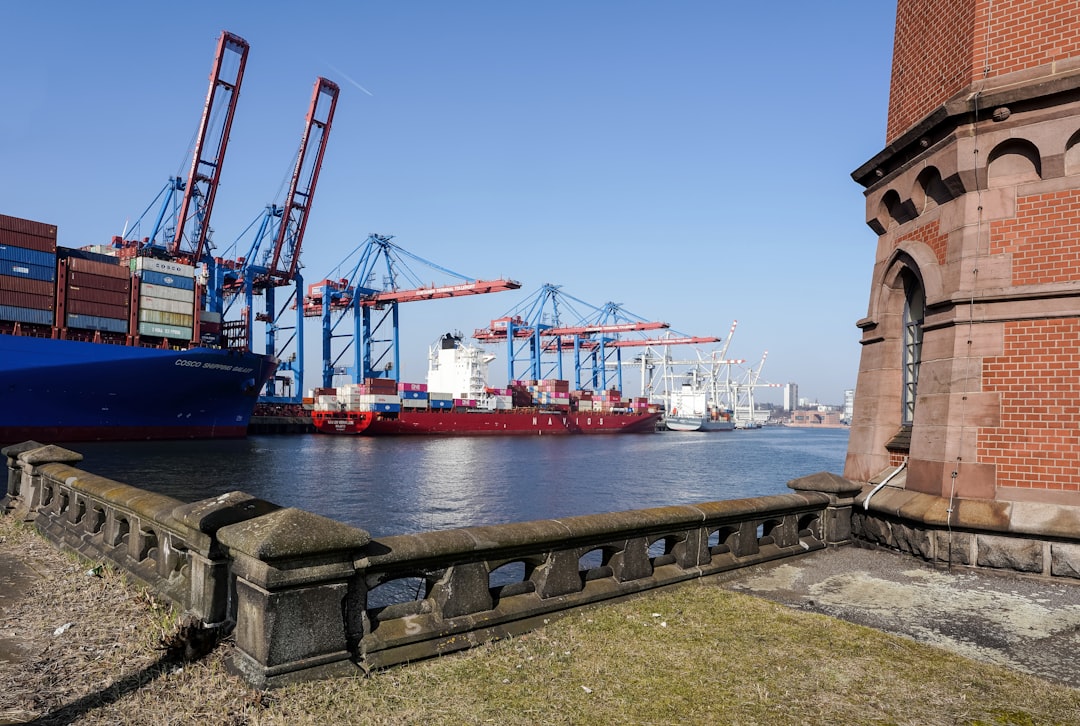
You’re standing at the edge of a vast, invisible web. This is the world of international trade routes, a complex circulatory system that dictates the flow of goods, services, and ideas across continents. You, as a business owner, an investor, or even just a curious consumer, are intrinsically linked to this network. Understanding how to navigate these routes isn’t just about logistics; it’s about unlocking opportunities, mitigating risks, and shaping your future in an increasingly interconnected global economy. Forget simplistic notions of ships on the ocean; this is a dynamic, multifaceted realm that requires a strategic mindset and a comprehensive perspective.
Imagine the world as a giant body, and trade routes as its vital arteries. These aren’t static lines on a map but constantly shifting pathways, influenced by economics, geopolitics, technology, and environmental factors. To truly navigate, you must first understand the major arteries, the routes that carry the bulk of global commerce. This involves recognizing not just the physical infrastructure but also the prevailing currents of trade.
Maritime Dominance: The Backbone of Global Shipping
You can’t talk about international trade without acknowledging the immense power of the seas. Over 80% of global trade by volume travels by sea, making maritime routes the undisputed backbone.
The Great Trade Lanes: Suez, Panama, and Beyond
You’ll find yourself intimately familiar with the names of choke points like the Suez Canal and the Panama Canal. These man-made marvels drastically shorten transit times and reduce costs, making them critical arteries. Disruptions in these canals can send ripples of delay and increased prices across entire industries. Beyond these iconic passages, you’ll also consider the vast expanse of the Pacific, connecting Asia to North America, and the Atlantic, linking Europe and North America. Each has its own unique patterns, risks, and opportunities.
Port Hinterlands and Intermodal Connectivity
But the journey doesn’t end at the coast. You must also consider the “hinterlands” of major ports. How efficiently can goods be moved from the port to their final inland destination? This is where intermodal connectivity comes into play – the seamless integration of shipping containers across ships, trains, and trucks. A port might be strategically located, but without robust rail and road networks, its effectiveness is severely curtailed. You’ll be looking at the efficiency of rail yards, the capacity of trucking fleets, and the effectiveness of logistical hubs.
The Rise of Digital Trade Facilitation
While physical routes are crucial, the digital realm is increasingly shaping how trade flows. You’re seeing a move towards digital customs declarations, electronic bills of lading, and blockchain-based supply chain tracking. These innovations are streamlining processes, reducing paperwork, and improving transparency. You need to understand how your business can leverage these digital tools to accelerate customs clearance and improve visibility into your supply chain. This isn’t just about efficiency; it’s about creating a more agile and responsive trade ecosystem.
Air Cargo: Speed and Specialization
While sea freight dominates by volume, air cargo plays a vital role for high-value, time-sensitive goods. You’ll encounter this route when dealing with electronics, pharmaceuticals, and perishables.
The Premium of Speed: When Time is Money
You’re paying a premium for speed. Air cargo is significantly more expensive than sea freight, but for certain products, the cost is justified by the ability to reach markets rapidly. This is critical for maintaining product freshness, meeting urgent deadlines, or responding quickly to market demand shifts. Your decision to use air cargo will hinge on a careful cost-benefit analysis.
The Global Hubs of Air Freight
You’ll notice that air cargo is concentrated in specific global hubs. Think of major international airports like Hong Kong, Memphis, and Dubai. These hubs act as critical nodes, facilitating the transfer of goods between international flights and onward distribution. Understanding the capacity and connectivity of these hubs is as important as understanding the physical air routes.
Specialized Cargo Handling: Cold Chains and Security
The nature of what you’re shipping by air necessitates specialized handling. Pharmaceuticals often require temperature-controlled environments (cold chains), and high-value electronics demand stringent security measures. You’ll need to partner with logistics providers who have the expertise and infrastructure to handle these specific requirements, ensuring that your goods arrive in optimal condition and with maximum security.
Land Transportation: Connecting Continents and Consumers
While oceans and skies carry the bulk of international trade, land routes are indispensable for connecting regions and facilitating last-mile delivery.
Rail Networks: The Freight Highways of Continents
You’ll find that extensive rail networks are the freight highways of continents. The Trans-Siberian Railway, for instance, connects Europe and Asia, offering a slower but often more cost-effective alternative to sea freight for bulk goods. In North America and Europe, robust rail systems are crucial for moving goods inland from ports and across borders. You’re looking at the capacity and efficiency of these rail networks to ensure timely delivery.
Road Freight: The Ubiquitous Last Mile
Trucking is the ubiquitous solution for the last mile, delivering goods directly to your customers’ doors. You’ll be evaluating the quality of road infrastructure, border crossing efficiencies, and the availability of trucking companies when planning your distribution strategies. In regions with less developed rail infrastructure, road freight becomes even more critical.
Cross-Border Logistics and Customs Harmonization
Navigating land routes often involves traversing multiple national borders. This introduces complexities related to customs procedures, tariffs, and differing regulations. You’ll be seeking to understand and leverage agreements like the European Union’s single market or initiatives aimed at harmonizing customs procedures to streamline cross-border movements. The efficiency of these processes directly impacts your delivery times and costs.
Emerging Trade Routes: The New Frontiers
The global trade landscape isn’t static; new routes are constantly emerging, driven by economic growth, technological advancements, and strategic geopolitical interests. You need to keep an eye on these developing pathways.
The Belt and Road Initiative: A Continental Metamorphosis
China’s Belt and Road Initiative (BRI) is a prime example of a transformative project reshaping trade routes. This ambitious infrastructure development strategy aims to connect Asia with Africa and Europe through a vast network of roads, railways, and maritime routes. You’ll find yourself analyzing the opportunities and challenges presented by the BRI, from new market access to potential geopolitical implications. Understanding how these new corridors will alter trade dynamics is crucial.
Arctic Shipping Routes: The Melting Pathway
As climate change melts the polar ice caps, new shipping routes are opening in the Arctic. These routes, while still logistically challenging and environmentally sensitive, offer potentially shorter transit times between Asia and Europe. You’ll be monitoring the development of these routes, considering their potential impact and the associated risks, including ice hazards and limited infrastructure. This is a frontier of trade that is rapidly evolving.
Digital Trade Corridors: The Information Superhighways
Beyond physical routes, you are also witnessing the rise of “digital trade corridors.” These are not defined by geography but by the flow of data and services. Think of cloud computing infrastructure, cross-border e-commerce platforms, and the global internet backbone. Your business’s ability to operate in the digital economy depends on understanding and navigating these invisible yet vital “corridors.”
International trade routes play a crucial role in the global economy, facilitating the exchange of goods and services across borders. For a deeper understanding of the complexities and dynamics involved in these trade routes, you can explore a related article that delves into the historical evolution and current trends of international commerce. This insightful piece can be found at My Geo Quest, where you will discover valuable information about the factors influencing trade and the impact of globalization on international markets.
Geopolitical Currents: Navigating Shifting Tides and Trade Wars
The world of international trade is inextricably linked to geopolitics. Political stability, international relations, and national policies can dramatically influence where and how you trade. Understanding these geopolitical currents is as vital as understanding shipping lanes.
Trade Agreements and Free Trade Zones: Building Bridges and Barriers
You’ll frequently encounter trade agreements. These range from bilateral pacts between two nations to vast multilateral agreements like the Comprehensive and Progressive Agreement for Trans-Pacific Partnership (CPTPP). These agreements aim to reduce tariffs, streamline customs procedures, and create a more predictable trading environment by removing barriers. On the flip side, you also see the rise of protectionist policies and trade wars, which erect barriers and create uncertainty. You’ll need to understand how these agreements and barriers impact your import and export costs and market access.
Understanding Tariffs and Quotas: The Gatekeepers of Trade
Tariffs are taxes on imported goods, and quotas are limits on the quantity of imported goods. These are tools governments use to protect domestic industries, raise revenue, or influence trade balances. You need to be acutely aware of the tariff and quota regimes in your target markets, as they can significantly impact the profitability of your goods.
Sanctions and Embargoes: The Double-Edged Sword
Sanctions and embargoes are powerful geopolitical tools that restrict trade with specific countries or entities. While sometimes implemented for humanitarian or security reasons, they can also disrupt global supply chains and create significant challenges for businesses operating in affected regions. You must diligently vet your trading partners and be aware of any applicable sanctions to avoid severe legal and financial repercussions.
Regional Blocs and Economic Alliances: Strength in Unity
You’ll see the formation of regional blocs and economic alliances, such as ASEAN, the African Continental Free Trade Area (AfCFTA), and Mercosur. These groups aim to foster closer economic ties, promote trade within the bloc, and present a stronger collective negotiating position on the global stage. For your business, these alliances can offer preferential market access and simplified trade procedures within the bloc.
The Impact of Economic Integration: Opportunities and Challenges
Economic integration within these blocs can lead to increased trade volumes, greater investment, and more efficient resource allocation. However, it can also lead to increased competition for domestic businesses, and potential trade diversion where countries import from less efficient bloc members instead of more efficient non-members. You’ll need to analyze the specific dynamics of each bloc.
Emerging Market Dynamics: The New Growth Engines
The global economic landscape is constantly shifting, with emerging markets playing an increasingly significant role. You’ll be looking at countries in Asia, Africa, and Latin America as potential growth engines for your business.
Untapped Potential and Growing Consumer Bases
These markets often represent untapped potential with growing consumer bases and rapidly developing economies. Understanding their unique market characteristics, consumer preferences, and evolving infrastructure is crucial for successful entry and expansion. You’ll need to adapt your product offerings and marketing strategies to suit these new environments.
Infrastructural Development and Investment Opportunities
The development of infrastructure in these regions presents both challenges and opportunities. While existing infrastructure may be less developed, investment in roads, ports, and communication networks is creating new avenues for trade and economic activity, attracting foreign direct investment. Your business might find opportunities in supplying materials or services for these development projects.
Technological Disruptions: Embracing Innovation in Trade Routes
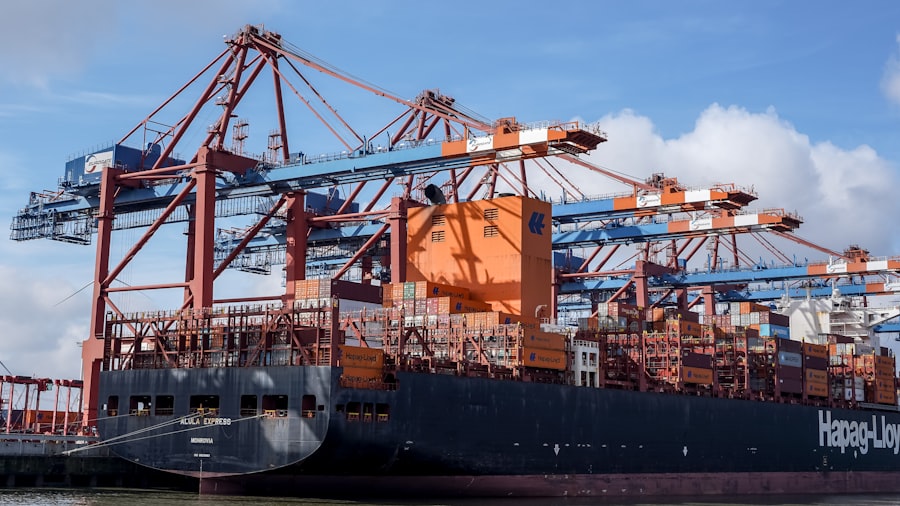
Technology is not just a tool for logistics; it’s a fundamental force reshaping the very nature of trade routes. You must embrace innovation to stay competitive and efficient.
Digital Platforms and E-commerce: The Borderless Marketplace
You’re living in an era of the borderless marketplace, fueled by e-commerce platforms and digital marketplaces. These platforms allow you to reach consumers and businesses directly across continents with unprecedented ease.
The Rise of Cross-Border E-commerce
Cross-border e-commerce has exploded, allowing consumers to purchase goods from international sellers with increasing simplicity. You’ll be leveraging these platforms to expand your reach and tap into new customer segments. This requires understanding international payment gateways, logistics for smaller shipments, and differing consumer protection laws.
Facilitating Global Transactions and Payments
The seamlessness of global transactions and payments is a critical enabler of digital trade. You’ll be utilizing international payment processors, understanding currency conversion, and ensuring compliance with various anti-money laundering regulations. Fintech innovations are constantly improving these processes, making it easier for you to conduct business internationally.
Artificial Intelligence and Big Data: Optimizing the Flow
Artificial intelligence (AI) and big data are revolutionizing trade route optimization, risk management, and demand forecasting.
Predictive Analytics for Route Optimization
You can use AI-powered predictive analytics to forecast demand, optimize shipping routes, and anticipate potential disruptions. This allows you to make more informed decisions, reduce transit times, and lower operational costs. Imagine predicting traffic congestion at a port or anticipating weather delays on a shipping lane.
Supply Chain Visibility and Transparency
Big data analytics provide unprecedented visibility into your supply chain. You can track inventory, monitor shipments in real-time, and identify bottlenecks before they become critical problems. This transparency is essential for building resilient and responsive supply chains.
Automation and Robotics: Enhancing Efficiency in Warehousing and Logistics
Automation and robotics are transforming operations in ports, warehouses, and distribution centers. You’ll see automated guided vehicles (AGVs) moving containers, robotic arms for sorting and packing, and automated warehousing systems.
Streamlining Operations and Reducing Labor Costs
These technologies are increasing efficiency, reducing labor costs, and improving accuracy in handling goods. This translates to faster turnaround times for shipments and potentially lower overhead for logistics operations.
The Future of Ports and Distribution Centers
The trend towards automation is shaping the future of ports and distribution centers, making them more efficient and capable of handling larger volumes of goods. Your business will need to adapt to working with these increasingly automated facilities.
Risk Management and Resilience: Navigating Uncertainty and Building Robust Trade Networks
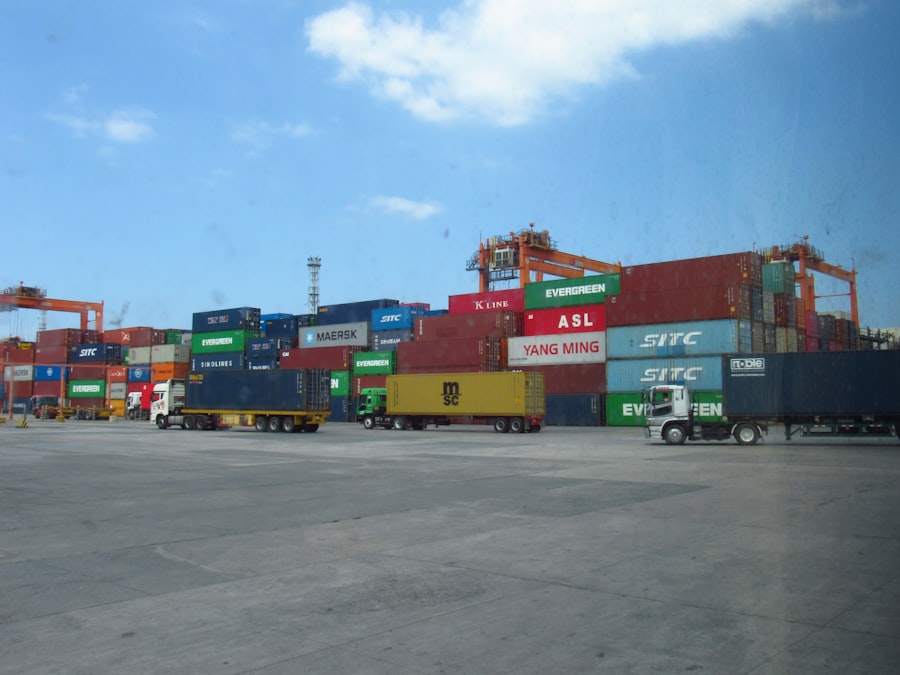
The global trade landscape is inherently volatile. You must proactively manage risks and build resilience into your trade routes to weather unforeseen storms.
Supply Chain Disruptions: From Pandemics to Natural Disasters
You’ve experienced firsthand how events like pandemics, natural disasters, and geopolitical conflicts can trigger widespread supply chain disruptions. These events can halt production, cripple transportation networks, and create significant shortages.
Diversification of Sourcing and Manufacturing
A key strategy for resilience is diversifying your sourcing and manufacturing locations. Relying on a single supplier or region makes you highly vulnerable. By spreading your operations, you reduce the impact of localized disruptions.
Building Redundancy and Contingency Plans
You need to build redundancy into your supply chain. This could mean having backup suppliers, alternative transportation routes, or maintaining buffer stock. Having well-defined contingency plans for various disruption scenarios is crucial for a swift and effective response.
Cybersecurity Threats: Protecting Your Digital Trade Channels
As trade becomes increasingly digitized, your digital trade channels are vulnerable to cybersecurity threats. Data breaches, cyberattacks on logistics platforms, or ransomware attacks on customs systems can cripple your operations.
Securing Digital Data and Intellectual Property
You must implement robust cybersecurity measures to protect your sensitive data, intellectual property, and customer information. This includes strong passwords, multi-factor authentication, and regular security audits.
Protecting Against Cyber-Enabled Trade Fraud
You also need to be aware of cyber-enabled trade fraud, where criminals exploit digital channels to misdirect shipments or engage in illicit financial transactions. Vigilance and verification are key.
Regulatory Compliance and Customs Challenges: Staying Ahead of the Curve
Navigating the maze of international regulations and customs procedures is a constant challenge. You must ensure you are compliant with all applicable laws and requirements.
Staying Abreast of Evolving Regulations
Regulations surrounding trade, product safety, environmental standards, and labor practices are constantly evolving. You need to dedicate resources to staying abreast of these changes in all the markets you operate in.
Building Strong Relationships with Customs Brokers and Legal Experts
Engaging experienced customs brokers and legal experts who specialize in international trade law can be invaluable in navigating complex customs procedures and ensuring compliance. They can help you avoid costly delays and penalties.
International trade routes play a crucial role in the global economy, facilitating the exchange of goods and services across borders. Understanding these routes can provide valuable insights into the dynamics of international commerce. For a deeper exploration of the geographical factors that influence trade, you can read a related article on this topic at My Geo Quest, which delves into the historical and contemporary aspects of trade networks around the world.
The Future of Global Trade: Sustainability, Innovation, and Interconnectivity
| Trade Route | Volume of Trade | Major Ports | Key Commodities |
|---|---|---|---|
| Trans-Pacific | High | Los Angeles, Shanghai, Singapore | Electronics, Apparel, Machinery |
| Trans-Atlantic | Medium | New York, Rotterdam, Liverpool | Automobiles, Pharmaceuticals, Chemicals |
| Panama Canal | High | Balboa, Cristobal | Grains, Petroleum, Minerals |
The future of international trade routes will be shaped by a confluence of forces, with sustainability and continuous innovation at their core. You are at the forefront of this evolution.
The Green Shift: Sustainable Trade Practices and Decarbonization
You are increasingly expected to adopt sustainable trade practices. Nations and consumers are demanding that trade operations be environmentally responsible.
Reducing Carbon Footprints in Shipping and Logistics
This involves efforts to reduce the carbon footprint of shipping, such as investing in more fuel-efficient vessels, exploring alternative fuels like green ammonia or hydrogen, and optimizing routes to minimize travel distances.
Ethical Sourcing and Circular Economy Principles
You’ll also find yourself embracing ethical sourcing of raw materials and integrating circular economy principles into your supply chains, aiming to reduce waste and promote reuse and recycling. This is not just good for the planet; it’s becoming a competitive advantage.
Embracing Digitalization and Automation: A Smarter, Faster Network
The trend towards digitalization and automation will accelerate. You’ll see even more sophisticated AI in route planning, fully automated ports, and blockchain technology enhancing supply chain transparency and security.
The Internet of Things (IoT) in Logistics
The Internet of Things (IoT) will connect more devices and assets within the supply chain, providing real-time data for enhanced control and optimization. Imagine sensors on every container, providing constant updates on location, temperature, and security.
The Metaverse and Virtual Trade Hubs: A Glimpse of the Future
While still nascent, you might even explore possibilities within the metaverse, envisioning virtual trade hubs or collaborative spaces for international business interactions. This represents a frontier of how future trade might be facilitated.
The Importance of Collaboration and Partnerships: Navigating Together
In this complex and ever-changing landscape, collaboration and strong partnerships are paramount. You cannot navigate these global trade routes alone.
Building Resilient Alliances with Suppliers and Logistics Providers
Building resilient alliances with your suppliers, logistics providers, and even competitors will be crucial for sharing insights, mitigating risks, and fostering innovation.
Encouraging International Cooperation and Standardization
Ultimately, fostering international cooperation and advocating for greater standardization in trade procedures, regulations, and digital infrastructure will create a more predictable and efficient global trading environment for everyone. You are a participant in shaping this interconnected future. By understanding these routes, their complexities, and the forces that shape them, you equip yourself to not just survive but thrive in the dynamic world of international commerce.

The Taiwan Strait: The Most Dangerous Place in the Global Economy
FAQs
What are international trade routes?
International trade routes are pathways or channels used for the transportation of goods and services between different countries or regions. These routes can be by land, sea, or air and have been crucial for global commerce throughout history.
What are some examples of historical international trade routes?
Some examples of historical international trade routes include the Silk Road, which connected China to the Mediterranean region, and the Trans-Saharan trade routes, which facilitated trade across the Sahara Desert in Africa. Additionally, the maritime trade routes of the Indian Ocean and the Mediterranean Sea were also significant in ancient and medieval times.
How do international trade routes impact global economies?
International trade routes play a vital role in connecting markets and facilitating the exchange of goods and services between different countries. They contribute to economic growth, job creation, and the development of industries in both exporting and importing nations. Additionally, trade routes can influence geopolitical relationships and international diplomacy.
What are some modern international trade routes?
Modern international trade routes include major shipping lanes such as the Suez Canal and the Panama Canal, which are crucial for maritime trade between the East and West. Additionally, air cargo routes and land transportation networks, such as the Trans-Siberian Railway and the European road network, also facilitate international trade in the modern era.
How do international trade routes impact the environment?
International trade routes can have environmental impacts, particularly in terms of carbon emissions from transportation and potential disruptions to ecosystems. Efforts to mitigate these impacts include the development of more sustainable transportation methods, such as electric vehicles and renewable energy-powered ships, as well as initiatives to reduce the carbon footprint of global trade.