You’re standing at the precipice of a global endeavor. Your product, your vision, is ready to embark on a journey that spans continents and oceans. But before you can celebrate its arrival at its destination, you must first navigate the intricate, often daunting, world of global shipping routes. This isn’t simply a matter of picking a port and hoping for the best; it’s a strategic undertaking that demands meticulous planning, a keen understanding of geopolitical landscapes, and an unwavering commitment to efficiency and cost-effectiveness. This guide is your compass, designed to equip you with the knowledge to chart a successful course through the complexities of international logistics.
To effectively navigate, you must first understand what you’re dealing with. Global shipping routes aren’t static highways; they are dynamic arteries shaped by trade patterns, environmental factors, and technological advancements. Your journey begins with dissecting these routes, identifying the key players, and recognizing the inherent risks and opportunities they present.
Major Maritime Trade Lanes: The Superhighways of Commerce
Imagine vast, invisible pathways etched across the world’s oceans. These are the major maritime trade lanes, the lifeblood of global commerce. They represent the most frequently used and high-volume shipping routes. Becoming familiar with them is paramount to understanding where your goods are most likely to travel and the competition you might encounter.
The Suez Canal: The Shortcut Between Worlds
This man-made marvel, connecting the Mediterranean Sea to the Red Sea, is a critical choke point, dramatically reducing transit times between Europe and Asia. Its strategic importance cannot be overstated. A blockage here, as you’ve likely witnessed in recent news, can have ripple effects across the entire global supply chain, causing immense delays and escalating costs.
Navigating Suez Canal Traffic: Timeliness and Contingencies
- Booking Slots: Due to high traffic, booking your transit slot well in advance is often necessary, especially during peak seasons.
- Contingency Planning: Always have a Plan B. Consider alternative routes or express shipping options should delays occur.
The Panama Canal: Linking the Atlantic and Pacific
Similarly, the Panama Canal provides an indispensable link between the Atlantic and Pacific Oceans, revolutionizing trade between North America and Asia, and between the East and West Coasts of the Americas. Its expansion has further increased its capacity, but it too can experience significant congestion.
Management of Panama Canal Transits: Water Levels and Limitations
- Draft Restrictions: The canal’s locks have limitations on the draft (how deep a ship sits in the water), impacting the size of vessels that can pass.
- Time Slot Allocation: Similar to Suez, booking transit slots is often a competitive endeavor.
The Strait of Malacca: Southeast Asia’s Gateway
This narrow waterway between the Malay Peninsula and Sumatra is one of the busiest shipping lanes in the world, a crucial nexus for trade between East Asia, the Indian subcontinent, and the Middle East. Its strategic location makes it a vital corridor for oil and manufactured goods.
Challenges of the Strait of Malacca: Piracy and Congestion
- Security Concerns: For a period, piracy was a significant concern, necessitating enhanced security measures. While reduced, vigilance remains key.
- Traffic Density: The sheer volume of vessels can lead to delays and requires careful navigation.
The Cape of Good Hope: The Long Way Around
When canals are not an option or are too congested, ships may opt for the longer route around the southern tip of Africa. While less direct, it bypasses the congestion and potential political instability of other routes.
Considerations for the Cape Route: Extended Transit Times and Fuel Costs
- Increased Lead Times: This route significantly adds to your shipment’s overall transit time.
- Higher Fuel Consumption: The longer distance directly translates to higher fuel costs.
Intermodal Connectivity: The Chain That Binds
Shipping routes don’t end at the port. For your goods to reach their final destination, they must seamlessly transition from sea to land. This is where intermodal connectivity becomes critical.
Port Infrastructure: The Gateways to Continents
The efficiency of your shipping operation is heavily reliant on the quality and capacity of the ports you utilize. Well-developed ports with modern handling equipment and efficient customs procedures are essential.
Evaluating Port Capabilities: Technology and Throughput
- Crane Capacity: The number and type of cranes available dictate how quickly containers can be loaded and unloaded.
- Yard Operations: Efficient yard management minimizes delays in container movement within the port.
- Customs and Border Control: Streamlined customs processes are vital for rapid clearance.
The Role of Logistics Providers: Your Guides and Facilitators
Unless you have an in-house logistics department with extensive international expertise, you’ll likely rely on third-party logistics (3PL) providers. These companies offer a range of services, from freight forwarding to warehousing and customs brokerage, acting as your vital link in the global shipping chain.
Selecting the Right Partner: Expertise and Network
- Specialization: Look for providers with proven experience in your specific industry and trade lanes.
- Global Reach: Ensure they have a strong network of agents and partners in your origin and destination markets.
Global shipping routes play a crucial role in international trade, influencing economies and logistics worldwide. For a deeper understanding of how these routes are shaped by geopolitical factors and environmental considerations, you can explore a related article that delves into the complexities of maritime navigation and trade dynamics. Check out this insightful piece at Global Shipping Routes: Navigating the Future of Trade.
Strategic Route Selection: Precision Over Proximity
Choosing the right shipping route is not a casual decision. It’s a strategic imperative that directly impacts your bottom line, customer satisfaction, and overall supply chain resilience. You need to move beyond simply finding the closest port and instead engage in a process of informed analysis.
Factors Influencing Route Choice: A Multifaceted Approach
The optimal route for your shipment is a complex equation with numerous variables. You must consider not just the geographical distance but also a host of other critical factors.
Cost Analysis: The Economic Blueprint of Your Shipment
Cost is undeniably a primary driver in route selection. However, a superficial glance at freight rates can be misleading. You need a comprehensive understanding of all associated expenses.
Calculating Total Logistics Costs: Beyond the Freight Rate
- Freight Charges: This is the most obvious cost, but not the only one.
- Fuel Surcharges (Bunker Adjustment Factor – BAF): Fluctuating fuel prices directly impact this.
- Terminal Handling Charges (THC): Costs incurred at the port for loading and unloading.
- Customs Duties and Taxes: These vary significantly by country and commodity.
- Insurance Premiums: Protecting your cargo against loss or damage.
- Documentation Fees: Costs associated with bills of lading, certificates of origin, etc.
- Potential Demurrage and Detention Charges: Fees incurred for delays in picking up or returning containers.
Transit Times: Balancing Speed and Cost
The speed at which your goods arrive directly affects inventory levels, cash flow, and customer satisfaction. You need to strike a balance between expedited shipping and the associated costs.
Evaluating Transit Time Requirements: Inventory Management and Customer Expectations
- Just-in-Time (JIT) Inventory: If you operate with minimal inventory, speed is paramount.
- Shelf Life: Perishable goods or those with limited shelf life demand faster transit.
- Market Demand: Meeting seasonal peaks or responding to urgent orders requires efficient shipping.
Reliability and Predictability: Building Trust in Your Supply Chain
A cheap but unreliable route can ultimately be more expensive due to delays, missed deadlines, and the associated penalties. You need routes that are known for their consistency.
Assessing Carrier Performance: Track Record and Technology
- On-Time Delivery (OTD) Rates: Examine the historical performance of different carriers and routes.
- Real-Time Tracking: Investing in carriers and technologies that offer robust tracking provides visibility and predictability.
Geopolitical Stability and Risk: Navigating Uncertain Waters
The global political landscape is ever-shifting. Conflicts, trade disputes, and sanctions can abruptly alter the viability of certain shipping routes.
Monitoring Political Developments: Intelligence and Diversification
- Political Risk Assessments: Stay informed about the political stability of countries along your chosen routes.
- Diversification of Routes: Avoid over-reliance on a single route that could be disrupted by geopolitical events.
Environmental Considerations: The Growing Importance of Sustainability
Increasingly, businesses are being held accountable for their environmental impact. The choice of shipping routes can contribute to this.
Evaluating Carbon Footprint: Fuel Efficiency and Alternative Fuels
- Vessel Efficiency: Larger, more fuel-efficient vessels generally have a lower carbon footprint per ton-mile.
- Emerging Technologies: Explore carriers investing in cleaner fuels and technologies.
Navigating the Vessel Landscape: Choosing Your Ship
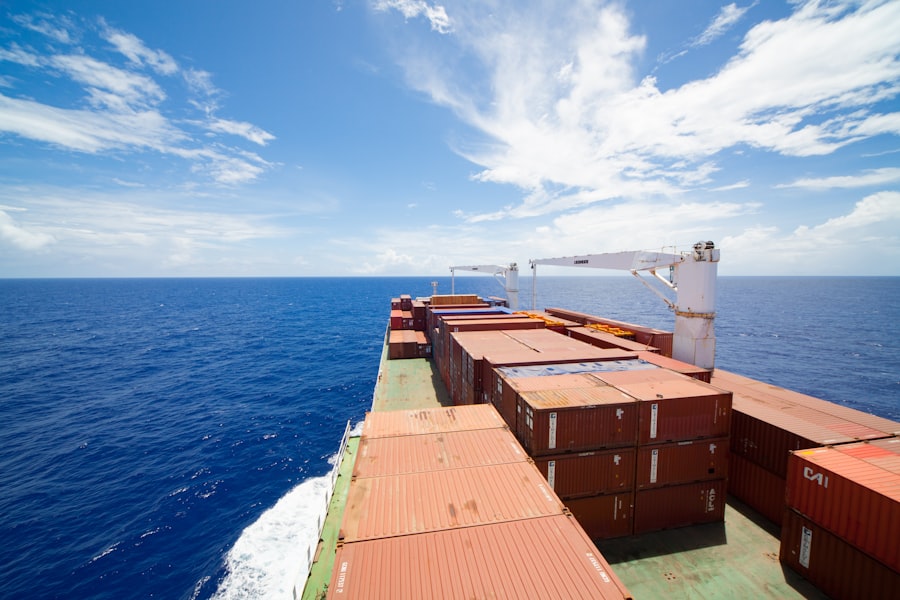
Your cargo’s journey is facilitated by the vessel itself. The type of ship you choose directly influences capacity, speed, cost, and the types of goods it can carry. Selecting the right vessel is an integral part of your route strategy.
Container Ships: The Backbone of Global Trade
These behemoths are the workhorses of international shipping, carrying standardized containers that streamline cargo handling.
Types of Container Ships: From Feeder to Ultra Large Vessels
- Feeder Vessels: Smaller ships that transport containers from larger ports to smaller ones.
- Panamax and Post-Panamax Vessels: Ships designed to fit through the Panama Canal and larger vessels that can’t.
- Ultra Large Container Vessels (ULCVs): The largest container ships, offering immense capacity but requiring specialized port infrastructure.
Bulk Carriers: For Unpackaged Goods
When your shipment consists of raw materials like grain, ore, or coal, bulk carriers are your go-to. They are designed to transport large quantities of unpackaged cargo.
Specialized Bulk Cargo Vessels: Specific Needs Covered
- Ore Carriers: Designed for dense, heavy commodities.
- Grain Carriers: Often have specialized holds to protect against moisture and contamination.
Tankers: For Liquids and Gases
For the transportation of crude oil, refined petroleum products, LNG, and chemicals, specialized tankers are essential.
Categories of Tankers: From Crude to Chemical
- Crude Carriers (VLCCs, ULCCs): Very Large/Ultra Large Crude Carriers for massive oil shipments.
- Product Tankers: Transport refined petroleum products.
- Chemical Tankers: Designed with specialized coatings and safety features for various chemicals.
Ro-Ro Ships: For Wheeled Cargo
If you’re shipping vehicles, machinery, or other wheeled cargo, Roll-on/Roll-off (Ro-Ro) ships offer a convenient solution. Cargo is driven onto the vessel and secured.
Advantages of Ro-Ro Shipping: Efficiency for Vehicles
- Fast Loading and Unloading: Streamlines the process for wheeled goods.
- Reduced Handling Damage: Minimizes the need for extensive lifting and rigging.
Charting Your Course: The Practical Steps of Booking and Execution
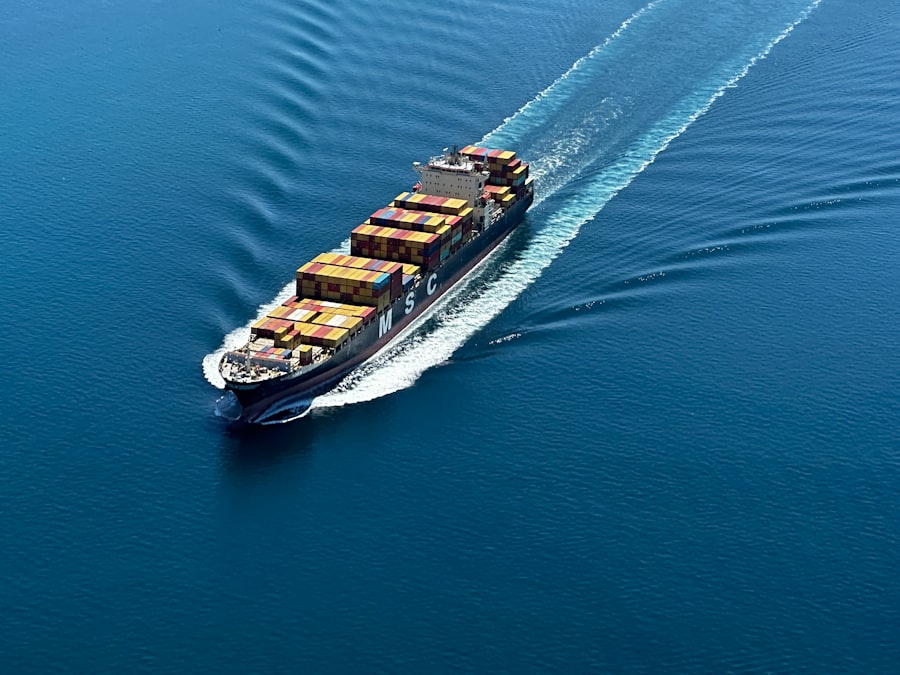
Understanding the routes and vessels is crucial, but the real work lies in the practical execution of your shipment. This involves meticulous booking, diligent documentation, and proactive monitoring.
Booking Your Freight: Securing Your Space
Booking your cargo space on a vessel is a critical first step. This process requires you to engage with shipping lines or freight forwarders.
Working with Freight Forwarders: Your Logistics Orchestrators
- Consolidation: Forwarders can consolidate smaller shipments to achieve better rates.
- Expertise: They navigate the complexities of international regulations and customs.
- Negotiation: They often have leverage to negotiate better rates with carriers.
Direct Booking with Shipping Lines: When It Makes Sense
- High Volume Shipper: If you have consistent, high-volume shipments, direct booking might offer cost benefits.
- Specific Route or Service: You might require a specific service offered only by a particular line.
Documentation: The Paper Trail of Your Shipment
International shipping is heavily reliant on a comprehensive set of documents. Errors or omissions here can lead to significant delays and costs.
Essential Shipping Documents: The Pillars of Your Transaction
- Bill of Lading (B/L): The contract of carriage and receipt of goods. It’s a negotiable document that transfers title.
- Commercial Invoice: Details the value and description of the goods.
- Packing List: Outlines the contents of each package, including weight and dimensions.
- Certificate of Origin: Confirms the country where the goods were manufactured.
- Insurance Certificate: Proof of cargo insurance.
- Import/Export Licenses: Required for certain goods and countries.
Tracking and Monitoring: Staying Informed En Route
Once your cargo is in transit, staying informed is paramount. Real-time tracking provides visibility and allows you to proactively address potential issues.
Leveraging Technology for Visibility: From GPS to Blockchain
- Container Tracking Systems: Most shipping lines offer online tracking portals.
- IoT Devices: Advanced solutions can provide real-time data on temperature, humidity, and shock.
- Blockchain: Emerging technologies are being explored to enhance transparency and security in the supply chain.
Global shipping routes play a crucial role in international trade, influencing economies and supply chains worldwide. Understanding these routes is essential for businesses looking to optimize their logistics and reduce costs. For a deeper insight into the complexities of maritime navigation and the factors affecting shipping efficiency, you can explore a related article on this topic at MyGeoQuest. This resource provides valuable information that can help stakeholders make informed decisions in the ever-evolving landscape of global commerce.
Risk Mitigation and Contingency Planning: Preparing for the Unexpected
| Shipping Route | Busiest Ports | Volume of Goods |
|---|---|---|
| Trans-Pacific | Los Angeles, Long Beach, Shanghai | 20 million TEUs |
| Trans-Atlantic | New York, New Jersey, Rotterdam | 10 million TEUs |
| Asia-Europe | Rotterdam, Antwerp, Hamburg | 15 million TEUs |
Even with the most meticulous planning, the global shipping landscape is fraught with potential disruptions. Your ability to anticipate and mitigate risks can be the difference between a smooth voyage and a costly ordeal.
Identifying Potential Bottlenecks: Proactive Problem Solving
Understanding where things can go wrong is the first step to preventing them.
Port Congestion: The Impassive Waiting Game
- Early Warning Systems: Monitor news and industry reports for signs of port congestion.
- Alternative Ports: Have secondary port options in mind.
Customs Delays: Navigating Bureaucratic Hurdles
- Accurate Documentation: Ensure all paperwork is flawless and submitted on time.
- Customs Broker Expertise: Employ a reliable and knowledgeable customs broker.
Weather Disruptions: The Fury of Nature
- Seasonal Weather Patterns: Be aware of hurricane seasons, monsoons, or ice-bound periods.
- Alternative Routes: Have backup routes that avoid known weather-prone areas.
Geopolitical Volatility: The Unforeseen Crisis
- Political Risk Monitoring: Stay abreast of international relations and potential conflicts.
- Diversification Strategy: Avoid over-dependence on routes in unstable regions.
Developing Contingency Plans: Your Lifeboat in a Storm
When disruptions occur, a well-defined contingency plan is your lifeline.
Building Redundancy into Your Supply Chain: No Single Point of Failure
- Multiple Carriers: Don’t rely on a single shipping line.
- Diversified Routes: As mentioned, have more than one viable route.
- Inventory Buffers: In some cases, maintaining a small buffer stock can absorb minor delays.
Communication Protocols: Keeping Stakeholders Informed
- Clear Communication Channels: Establish how and when you will communicate with your customers, suppliers, and internal teams.
- Proactive Updates: Inform stakeholders of potential delays as soon as you are aware of them.
By embracing this strategic approach, you transform the act of shipping from a logistical chore into a powerful competitive advantage. You are no longer merely sending goods; you are orchestrating a complex, global ballet, where precision, foresight, and adaptability are your most valuable assets. Your journey through global shipping routes will be more efficient, more cost-effective, and ultimately, more successful.

The Taiwan Strait: The Most Dangerous Place in the Global Economy
FAQs
What are global shipping routes?
Global shipping routes are the established paths that ships take to transport goods and cargo between different ports and countries around the world.
How are global shipping routes determined?
Global shipping routes are determined based on factors such as trade patterns, geographical considerations, weather conditions, and the availability of infrastructure and resources at different ports.
What are some of the busiest global shipping routes?
Some of the busiest global shipping routes include the trans-Pacific route between Asia and North America, the trans-Atlantic route between Europe and North America, and the route through the Suez Canal connecting Europe and Asia.
How do global shipping routes impact international trade?
Global shipping routes play a crucial role in facilitating international trade by providing a cost-effective and efficient means of transporting goods and cargo between different countries and regions.
What are some challenges associated with global shipping routes?
Challenges associated with global shipping routes include congestion at major ports, piracy in certain regions, environmental concerns related to emissions and pollution, and geopolitical tensions that can impact trade routes.