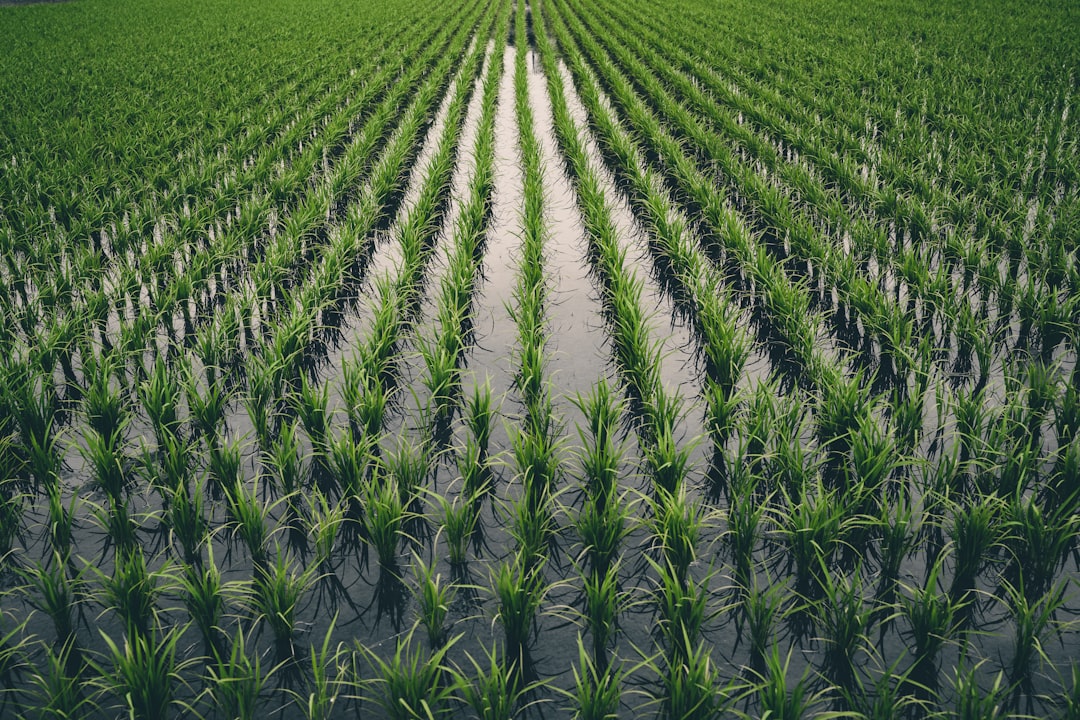
The agricultural industry, a cornerstone of global stability, faces persistent challenges in securing adequate and affordable fertilizer. As 2026 approaches, the intricacies of the fertilizer supply chain present a landscape of both established vulnerabilities and emerging threats. Understanding and mitigating these risks is paramount for ensuring food security and economic resilience worldwide.
The Geopolitical Fault Lines and Raw Material Dependencies
The global fertilizer market is intrinsically linked to geopolitical stability and the availability of key raw materials. The primary components – nitrogen, phosphorus, and potassium (NPK) – are geographically concentrated, creating inherent dependencies that can be exploited or disrupted.
Nitrogen Fertilizer Production and Energy Prices
Nitrogen fertilizer, predominantly in the form of urea and ammonia, relies heavily on natural gas as its primary feedstock. The price volatility of natural gas, influenced by geopolitical tensions, supply-demand imbalances, and climate-related events, directly impacts production costs and, consequently, fertilizer prices. Significant disruptions in major natural gas-producing regions, such as those caused by conflicts or infrastructure failures, can ripple through the fertilizer market, leading to price spikes and shortages. Furthermore, the push towards decarbonization may introduce new pressures on natural gas supplies as industries transition, potentially diverting resources or increasing costs for fertilizer manufacturers.
Phosphorus and Potassium: Mines and Market Concentration
Phosphorus and potassium, unlike nitrogen, are finite mineral resources extracted through mining operations. Key phosphate rock reserves are concentrated in a limited number of countries, primarily Morocco, China, and the United States. Similarly, potash, a potassium-rich salt, is largely sourced from Canada, Russia, and Belarus. This high degree of market concentration creates a potent vulnerability. Political instability in these regions, trade disputes, or natural disasters impacting mining infrastructure can significantly impede global supply. The dependence on a few dominant suppliers grants them considerable market power, influencing pricing and distribution. Importers must navigate these concentrated markets, often without significant alternative sources, making them susceptible to supply shocks.
Emerging Geopolitical Flashpoints and Trade Restrictions
The global political landscape in 2026 is likely to remain dynamic, with potential for new or escalating conflicts. Such events can directly disrupt shipping lanes, impose trade sanctions, or lead to export restrictions on vital fertilizer components or finished products. Governments may employ fertilizer as a tool of foreign policy, limiting exports to exert economic pressure or prioritizing domestic needs over international obligations. These actions can effectively create artificial shortages and drive up prices, further complicating supply chain management. Agricultural sectors in countries reliant on imported fertilizers will be particularly vulnerable to these geopolitical maneuvers.
Climate Change as a Disruptor: Weathering the Storm
The escalating effects of climate change are no longer a distant threat but a present reality, impacting every facet of the agricultural supply chain, including fertilizer production and distribution.
Extreme Weather Events and Production Shutdowns
Extreme weather events, such as prolonged droughts, intense floods, and severe storms, pose direct threats to fertilizer production facilities. Droughts can limit water availability crucial for industrial processes, while floods can inundate plants, causing damage and necessitating prolonged shutdowns. Tropical storms and hurricanes, particularly in coastal regions where many production facilities are located, can severely disrupt operations, damage infrastructure, and interrupt power supplies. These events lead to sudden and often unpredictable reductions in supply, creating localized or even regional shortages. The increasing frequency and intensity of such events mean that these disruptions are becoming more commonplace, requiring robust contingency planning.
Logistics and Transportation Vulnerabilities
The transportation of fertilizers, often a bulky and heavy commodity, is highly susceptible to climate-induced disruptions. Inland waterways, railways, and road networks can be rendered impassable by floods, landslides, or extreme snowfall. Ports, vital for international trade, can be shut down due to severe storms or rising sea levels. These disruptions increase transit times, inflate transportation costs, and can lead to spoilage or degradation of sensitive fertilizer products. For instance, prolonged heatwaves can impact the integrity of certain chemical fertilizers stored outdoors or in transit. The vulnerability of transport infrastructure to climate change is a critical factor in ensuring timely and efficient fertilizer delivery.
Impact on Raw Material Extraction
Even the extraction of raw materials for fertilizers is not immune to climate change. Mining operations for phosphate and potash can be affected by changes in precipitation patterns. Excessive rainfall can flood mines, halting operations, while prolonged droughts can impact water supplies essential for processing raw materials. Coastal mining operations may face increased risks from sea-level rise and storm surges. These impacts can lead to reduced output, increased operational costs, and ultimately, higher prices for essential fertilizer components.
Market Volatility and Price Speculation
The fertilizer market, like many commodity markets, is susceptible to significant price fluctuations, driven by a complex interplay of supply, demand, and speculative forces.
Global Supply-Demand Imbalances
Fertilizer demand is closely tied to agricultural output and global food consumption. Rising populations and changing dietary habits continue to drive the need for increased food production, and consequently, greater fertilizer use. However, supply can be constrained by the geopolitical and climate-related factors discussed previously. When demand outstrips supply, prices inevitably rise. Conversely, an oversupply, perhaps due to increased production capacity coinciding with a temporary dip in demand, can lead to price decreases. These imbalances create cyclical patterns of high and low prices, making long-term planning challenging for farmers and distributors.
Speculative Trading and Futures Markets
The fertilizer market is increasingly influenced by speculative trading on futures exchanges. Investors, seeking to profit from price movements, can exacerbate volatility, sometimes creating self-fulfilling prophecies. Large purchases or sales by institutional investors can trigger rapid price swings, even in the absence of fundamental changes in supply or demand. While futures markets can provide a mechanism for price discovery and risk hedging, they also introduce an element of uncertainty and can make it harder for end-users to secure stable pricing. Farmers, often operating on thin margins, are particularly vulnerable to these speculative price spikes.
Currency Fluctuations and Import Costs
For countries that import a significant portion of their fertilizer needs, currency exchange rates play a crucial role in determining the final cost. A weakening domestic currency against the currency of the exporting nation can effectively increase the price of imported fertilizers, even if the international commodity price remains stable. This is particularly relevant for developing economies that may experience greater currency volatility. Managing these currency risks often involves hedging strategies, which themselves can incur costs, adding another layer of complexity to fertilizer procurement.
Infrastructure Bottlenecks and Logistics Challenges
The journey of fertilizer from production facility to farm gate is a complex logistical undertaking, riddled with potential bottlenecks and inefficiencies.
Port Congestion and Shipping Delays
International fertilizer trade relies heavily on maritime shipping. Port congestion, often caused by surges in demand, labor disputes, or adverse weather conditions, can lead to significant delays in offloading and onward distribution. The sheer volume of global cargo traffic means that even minor disruptions can create a domino effect, leading to longer lead times and increased demurrage charges. Furthermore, a shortage of specialized vessels for bulk fertilizer transport can exacerbate these issues, particularly during peak seasons.
Inadequate Inland Transportation Networks
Once fertilizer arrives at a port, it must be efficiently transported to inland distribution centers and farms. In many regions, particularly developing economies, inland transportation infrastructure – roads, railways, and warehouses – may be inadequate or poorly maintained. This can lead to bottlenecks, increased transit times, higher transportation costs, and even spoilage or theft during transit. Lack of sufficient rail capacity or a shortage of truck drivers can severely impede the efficient movement of fertilizers to agricultural regions, particularly large, geographically dispersed farming areas.
Storage Capacity and Spoilage Risks
Proper storage is critical for maintaining the quality and efficacy of fertilizers. Inadequate or improperly managed storage facilities can lead to product degradation through exposure to moisture, extreme temperatures, or contamination. For certain types of fertilizers, improper storage can even pose safety risks. A lack of sufficient storage capacity at critical points in the supply chain can also lead to inefficiencies, as it may necessitate multiple transfers or prevent the stockpiling of inventory during periods of lower prices. Managing these risks requires significant investment in appropriate infrastructure and adherence to best practices for storage and handling.
Regulatory and Policy Interventions
Governmental policies and regulatory frameworks play a significant role in shaping the fertilizer supply chain, for better or worse.
Export Bans and Quotas
In times of domestic shortage or political tension, governments of major fertilizer-producing nations may impose export bans or quotas to prioritize internal needs or exert geopolitical leverage. While intended to safeguard domestic food security, these measures can have severe ripple effects on global markets, creating artificial scarcity and driving up prices for importing nations. Such interventions introduce significant uncertainty and risk for international buyers, forcing them to diversify their sourcing and build robust contingency plans.
Environmental Regulations and Production Costs
Increasingly stringent environmental regulations aimed at reducing the carbon footprint of fertilizer production, mitigating nutrient runoff, and ensuring worker safety can significantly impact production costs. While these regulations are crucial for sustainable agriculture and environmental protection, they often require substantial investments in new technologies and equipment, which can be passed on to consumers in the form of higher fertilizer prices. Furthermore, new regulations can sometimes lead to temporary production halts as facilities adapt, creating short-term supply disruptions.
Subsidies and Trade Policies
Government subsidies for fertilizer production or consumption can distort market dynamics. While subsidies can make fertilizers more affordable for farmers, they can also lead to over-application, environmental damage, and create artificial demand that can strain global supplies. Conversely, import tariffs or other trade barriers can increase the cost of imported fertilizers, making them less accessible for domestic farmers. The ever-evolving landscape of trade agreements and agricultural policies requires constant monitoring by those involved in the fertilizer supply chain. These policy choices, often driven by domestic political considerations, have profound international implications.
Conclusion: Charting a Resilient Course
Navigating the fertilizer supply chain risks in 2026 requires a proactive and multifaceted approach. Stakeholders across the agricultural continuum, from individual farmers to international organizations, must acknowledge the interwoven nature of geopolitical, climatic, economic, and logistical challenges. Diversification of sourcing, investment in resilient infrastructure, adoption of precision agriculture techniques to optimize fertilizer use, and the fostering of international collaboration are not merely options but imperatives. By understanding the intricate tapestry of these risks, the global community can work towards building a more secure and sustainable future for fertilizer supply, ensuring that the world’s breadbasket remains full.
FAQs
What are the main risks affecting the fertilizer supply chain in 2026?
The main risks include geopolitical tensions, fluctuating raw material prices, transportation disruptions, regulatory changes, and environmental concerns impacting production and distribution.
How do geopolitical tensions influence fertilizer supply chain risks?
Geopolitical tensions can lead to trade restrictions, sanctions, and export bans, which disrupt the availability of key raw materials and fertilizers, causing supply shortages and price volatility.
What role do transportation challenges play in fertilizer supply chain risks?
Transportation challenges such as port congestion, labor strikes, and fuel price increases can delay shipments, increase costs, and reduce the reliability of fertilizer delivery to end-users.
How are environmental regulations impacting the fertilizer supply chain?
Stricter environmental regulations may limit the production processes, increase compliance costs, and restrict the use of certain raw materials, thereby affecting supply chain efficiency and product availability.
What strategies can companies adopt to mitigate fertilizer supply chain risks in 2026?
Companies can diversify suppliers, invest in supply chain transparency, adopt advanced forecasting tools, build strategic reserves, and collaborate with stakeholders to enhance resilience against potential disruptions.