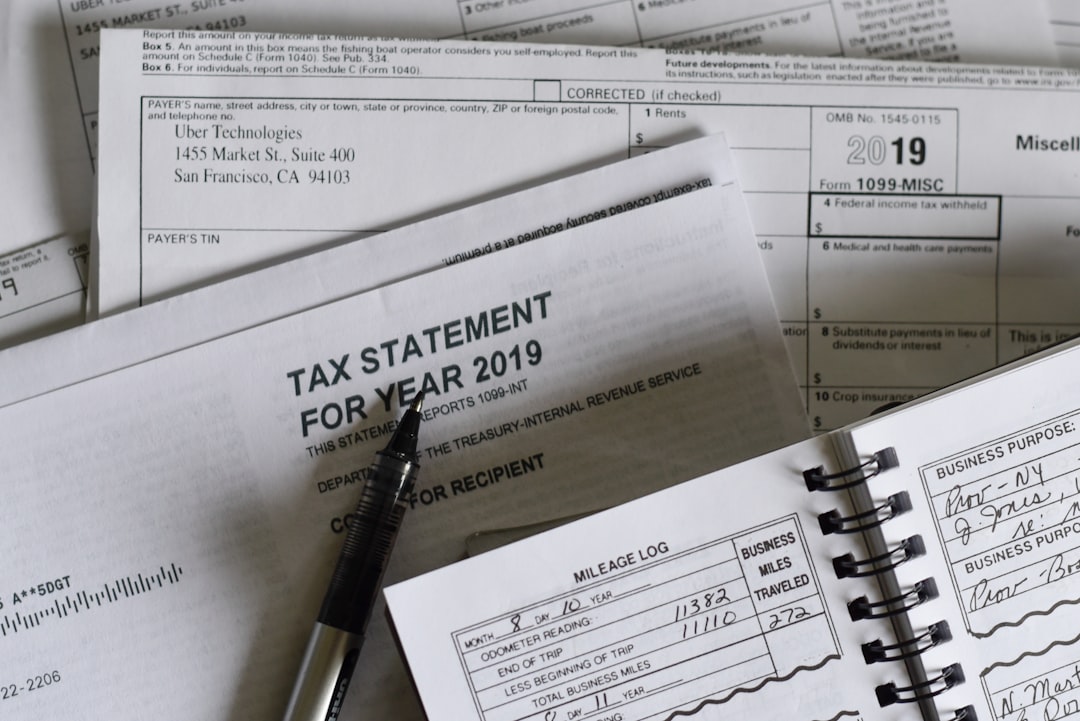
The phenomenon of citizens relocating en masse, often termed a population exodus, presents significant challenges to the fiscal health of municipalities. This movement, driven by a confluence of economic, social, and environmental factors, directly impacts a local government’s ability to fund essential services and infrastructure. A critical, and often contentious, component of this fiscal recalibration is the application of an “exodus tax,” a measure some jurisdictions consider to facilitate a smoother transition in public finances amidst declining residency. This article will explore the intricate relationship between population decline, the potential implementation of exodus taxes, and the resulting municipal budget shortfalls, examining the complexities from the perspective of third-person observation.
Understanding Population Exodus: Drivers and Impacts
Population exodus, the significant and sustained departure of residents from a particular geographic area, is rarely a singular event. It is typically the outcome of multifaceted pressures that render an area less desirable or economically viable for its inhabitants. Understanding these drivers is crucial for comprehending the subsequent fiscal ramifications.
Economic Pressures
Economic factors often form the bedrock of population displacement. A declining job market, exacerbated by the closure of major industries or a lack of new economic development, forces individuals and families to seek employment opportunities elsewhere. The erosion of the tax base, as businesses and residents depart, creates a vicious cycle, reducing the municipality’s capacity to invest in services that might attract or retain businesses and residents in the first place.
Job Market Decline
The loss of key industries, whether due to globalization, technological shifts, or market saturation, can lead to widespread unemployment. This directly impacts household incomes and reduces consumer spending within the community, further weakening the local economy.
Lack of Investment and Development
Without robust investment in new businesses, infrastructure, or amenities, a municipality can become stagnant. This lack of dynamism makes it unattractive for young professionals and families looking for growth opportunities, and for established residents seeking a vibrant community.
Social and Demographic Shifts
Beyond economics, social and demographic trends play a significant role. An aging population, with younger generations moving away for education and career prospects, can leave a community with a shrinking workforce and a growing dependency ratio. Changes in lifestyle preferences, such as a desire for urban amenities or a move towards rural tranquility, can also influence residential choices, leading to concentrated areas of growth and decline.
Aging Demographics
When the younger working-age population leaves for opportunities elsewhere, the remaining population tends to be older. This demographic shift can strain social services, healthcare systems, and pension funds, while simultaneously reducing the tax revenue generated by a younger workforce.
Lifestyle and Preference Changes
Modern living preferences vary, with some seeking the convenience and cultural offerings of urban centers, while others opt for the perceived peace and lower costs of rural or suburban life. These shifts can lead to uneven population distribution, with certain areas experiencing significant outmigration.
Environmental and Quality of Life Concerns
Increasingly, environmental factors and overall quality of life are becoming significant considerations for residents. Climate change impacts, such as extreme weather events or resource scarcity, can render an area less habitable or economically sustainable. Furthermore, issues like high crime rates, inadequate public services, or a lack of cultural and recreational opportunities can contribute to a desire for relocation.
Climate Change Impacts
Regions facing significant environmental challenges, such as rising sea levels, persistent drought, or increased frequency of natural disasters, may see residents seeking more stable and secure locations.
Public Services and Safety
The quality and availability of essential public services, including schools, healthcare, and public safety, are fundamental to quality of life. A decline in these areas can be a powerful impetus for residents to leave.
In light of the ongoing discussions surrounding exodus tax and municipal budget shortfalls, it is essential to explore the implications of these issues on local economies. A related article that delves into the impact of population decline on municipal funding can be found at MyGeoQuest. This resource provides valuable insights into how tax revenue fluctuations due to migration patterns can exacerbate budgetary challenges for cities and towns.
The Exodus Tax: A Policy in Debate
The concept of an “exodus tax” emerges as a potential, albeit controversial, instrument for municipalities grappling with the financial fallout of population decline. Ostensibly designed to capture some value from departing residents or entities, its implementation raises significant economic, legal, and ethical questions.
Defining the Exodus Tax
An exodus tax, in its broadest interpretation, refers to any financial levy imposed on individuals or businesses as they disengage from a municipality, often in anticipation of or as a consequence of their departure. The specifics of such a tax can vary widely, from a one-time exit fee to a tax tied to the sale of property or assets upon relocation.
Forms and Structures
Variations of an exodus tax could include a capital gains tax specifically levied on profits from property sales by relocating residents, a severance tax on businesses ceasing operations, or even a fee associated with de-registering a vehicle or business license within the municipality.
Rationale for Implementation
Proponents argue that an exodus tax can help offset the immediate fiscal impact of lost tax revenue from departing entities. It is seen as a means to ensure that those who benefited from municipal services for years contribute something to the transition costs, such as maintaining infrastructure that may remain in place after their departure.
Economic Arguments For and Against
The economic implications of an exodus tax are a central point of contention. Supporters believe it can provide a crucial, albeit temporary, revenue stream, while detractors argue it could exacerbate economic decline and deter future investment.
Revenue Generation Potential
The primary economic argument in favor is the potential to generate revenue that can be used to bridge budget gaps. This revenue could, in theory, be earmarked for essential services or to fund initiatives aimed at attracting new residents and businesses.
Deterrent Effect on Investment
Critics argue that imposing an exodus tax creates an inhospitable environment for businesses and individuals alike. The prospect of such a levy can discourage new investment and encourage existing businesses and residents to leave sooner rather than later, accelerating the decline.
Impact on Property Values and Sales
A tax specifically targeting property sales upon departure could depress property values as potential buyers factor in the additional cost. This could make it harder for departing residents to divest their assets and could also negatively impact the local real estate market.
Legal and Ethical Considerations
Beyond economic arguments, the implementation of an exodus tax is fraught with legal and ethical complexities. Questions of fairness, jurisdiction, and the fundamental rights of individuals to move freely are central to this debate.
Jurisdictional Authority and Taxation
The authority of a municipality to impose such a tax is a critical legal question. Taxing mechanisms are often governed by state and federal laws, and an exodus tax might face challenges regarding its legality and enforceability within broader jurisdictions.
Fairness and Equity
Ethical concerns arise regarding the fairness and equity of an exodus tax. Is it just to tax individuals for exercising their right to move? Does it disproportionately burden those who may already be facing economic hardship?
Double Taxation and Interstate Commerce
A significant legal hurdle could be the issue of double taxation. If a departing resident or business is already subject to taxes in their new location, an exodus tax could be viewed as an unfair or potentially illegal imposition. This is particularly relevant when considering interstate movement and the regulation of commerce.
Municipal Budget Shortfalls: A Growing Concern
The departure of residents and businesses directly translates into a reduction in the municipal tax base, leading to significant budget shortfalls. These shortfalls can have far-reaching consequences, impacting the quality and availability of public services.
Reduced Revenue Streams
The most immediate impact of an exodus is the noticeable decline in tax revenues. Property taxes, sales taxes, and income taxes, all vital sources of municipal funding, diminish as the number of taxpayers shrinks.
Property Tax Erosion
As properties become vacant or are sold at distressed prices, the property tax base shrinks. This is often a primary revenue source for local governments, making its erosion particularly damaging.
Decline in Sales and Income Tax Revenue
When fewer people live or work within a municipality, there are fewer transactions and less income to tax. This reduction in sales and local income tax revenue directly impacts the operational budget.
Business Closures and Tax Incentives
The departure of businesses, compounded by a lack of new economic entrants, further shrinks the tax base. Municipalities may also have offered tax incentives to attract businesses, which become a lost investment when those businesses leave.
Increased Demand on Remaining Services
Paradoxically, even as revenue declines, the demand for certain municipal services can remain constant or even increase. Essential services like law enforcement, fire protection, and infrastructure maintenance still need to be funded, even with a smaller population to serve.
Maintaining Essential Public Services
Core services such as public safety, waste management, and road maintenance require consistent funding. A shrinking budget makes it increasingly difficult to maintain these essential functions at previous levels.
Infrastructure Strain and Neglect
Existing infrastructure, such as roads, water systems, and sewage treatment plants, were often built to accommodate a larger population. As the population shrinks, the per-capita cost of maintaining this infrastructure rises, potentially leading to neglect and decay.
Social Service Demands
In areas experiencing economic hardship and population decline, the demand for social services, such as unemployment assistance, food banks, and elder care, may actually increase, further straining already limited resources.
Impact on Municipal Creditworthiness and Borrowing Capacity
Persistent budget shortfalls can negatively affect a municipality’s credit rating, making it more expensive to borrow money for essential capital projects or to cover short-term deficits. This can create a cycle of financial instability.
Downgraded Credit Ratings
Credit rating agencies assess a municipality’s financial health. Consistently struggling with budget shortfalls can lead to a downgrade in its credit rating, signifying increased risk.
Higher Borrowing Costs
A lower credit rating translates into higher interest rates on bonds and loans. This means that any future borrowing for infrastructure upgrades or other essential investments becomes significantly more expensive, costing taxpayers more in the long run.
Difficulty in Financing Future Projects
With compromised creditworthiness, municipalities may find it challenging to secure the financing needed for critical long-term projects, potentially hindering future growth and development.
Strategies for Fiscal Resilience and Adaptation
Municipalities facing population exodus and budget shortfalls must adopt proactive and innovative strategies to ensure fiscal resilience and adapt to changing circumstances. This involves not only exploring new revenue streams or cost-saving measures but also fostering environments that encourage retention and attract new growth.
Diversifying Revenue Streams
Relying heavily on traditional revenue sources like property taxes can leave municipalities vulnerable to demographic shifts. Exploring alternative revenue streams can help create a more stable and diversified financial foundation.
User Fees and Service Charges
Implementing or expanding user fees for specific services, such as recreation facilities, parking, or permits, can generate revenue directly from those who benefit from the service.
Local Business Taxes and Levies
Beyond property taxes, municipalities can explore taxes or levies on local businesses that benefit from municipal infrastructure and services, provided these are legally permissible.
Tourism and Economic Development Initiatives
Investing in tourism promotion or economic development zones can attract external spending and new businesses, thereby broadening the tax base. This might involve targeted incentives for specific industries.
Prudent Financial Management and Cost Optimization
While exploring new revenue, municipalities must also critically examine their expenditures and identify areas for cost optimization without compromising essential services.
Efficiency Audits and Service Review
Conducting regular efficiency audits of municipal departments and reviewing the necessity and cost-effectiveness of various services can identify areas for streamlining operations.
Shared Services Agreements
Collaborating with neighboring municipalities to share services, such as public safety dispatch, administrative functions, or specialized equipment, can lead to significant cost savings through economies of scale.
Strategic Long-Term Planning
Developing robust long-term financial plans that account for demographic trends and potential revenue fluctuations is crucial for proactive budgeting and resource allocation.
Fostering an Environment for Retention and Attraction
Ultimately, the most sustainable solution to budget shortfalls stemming from population exodus is to reverse the trend by creating a more attractive and viable community for existing and potential residents and businesses.
Investment in Public Infrastructure and Amenities
Investing in high-quality public infrastructure, including transportation, parks, recreation facilities, and public spaces, enhances the quality of life and makes a community more appealing.
Supporting Local Businesses and Entrepreneurship
Creating an environment that supports local businesses through streamlined permitting processes, access to resources, and business development programs can foster economic growth and job creation.
Enhancing Education and Workforce Development
Investing in local educational institutions and workforce development programs can equip residents with skills needed for emerging industries, making the community a more attractive place to live and work.
As cities grapple with the challenges of exodus tax and municipal budget shortfalls, understanding the broader implications of these issues becomes crucial. A recent article explores how declining populations in urban areas are impacting local economies and services, shedding light on potential solutions for municipalities facing financial strain. For more insights on this topic, you can read the full article here.
Conclusion: A Complex Fiscal Landscape
The interplay between population exodus, the contentious notion of an exodus tax, and the resulting municipal budget shortfalls presents a complex fiscal landscape that demands thoughtful and strategic navigation. While the immediate allure of an exodus tax might seem like a quick fix for declining revenues, its long-term economic, legal, and ethical implications warrant thorough examination. Municipalities must prioritize the development of diversified revenue streams, rigorous cost optimization, and, most importantly, the creation of an environment that fosters both the retention of existing residents and the attraction of new ones. The path to fiscal resilience in the face of population shifts is not a singular policy but a multifaceted approach rooted in adaptability, prudent management, and a forward-looking vision for community well-being.
FAQs
What is the exodus tax?
The exodus tax refers to the phenomenon where high-income individuals or businesses leave a particular area, often due to high taxes or other financial burdens. This can result in a decrease in tax revenue for the local government.
How does the exodus tax impact municipal budget shortfalls?
When high-income individuals or businesses leave an area, it can lead to a decrease in tax revenue for the local government. This can result in budget shortfalls, as the government has less money to fund essential services and infrastructure projects.
What are some examples of areas experiencing exodus tax and municipal budget shortfalls?
Some examples of areas experiencing exodus tax and municipal budget shortfalls include cities with high taxes, such as New York City and San Francisco. These areas have seen an outflow of high-income individuals and businesses, leading to budget challenges for local governments.
What are some potential solutions to address exodus tax and municipal budget shortfalls?
Potential solutions to address exodus tax and municipal budget shortfalls include reevaluating tax policies to make the area more attractive to high-income individuals and businesses, as well as finding ways to diversify the local economy to reduce reliance on a small number of taxpayers.
What are the long-term implications of exodus tax and municipal budget shortfalls?
The long-term implications of exodus tax and municipal budget shortfalls can include a decrease in the quality of public services, infrastructure deterioration, and challenges in attracting new businesses and residents to the area. It can also lead to increased financial strain on local governments and potential economic stagnation.