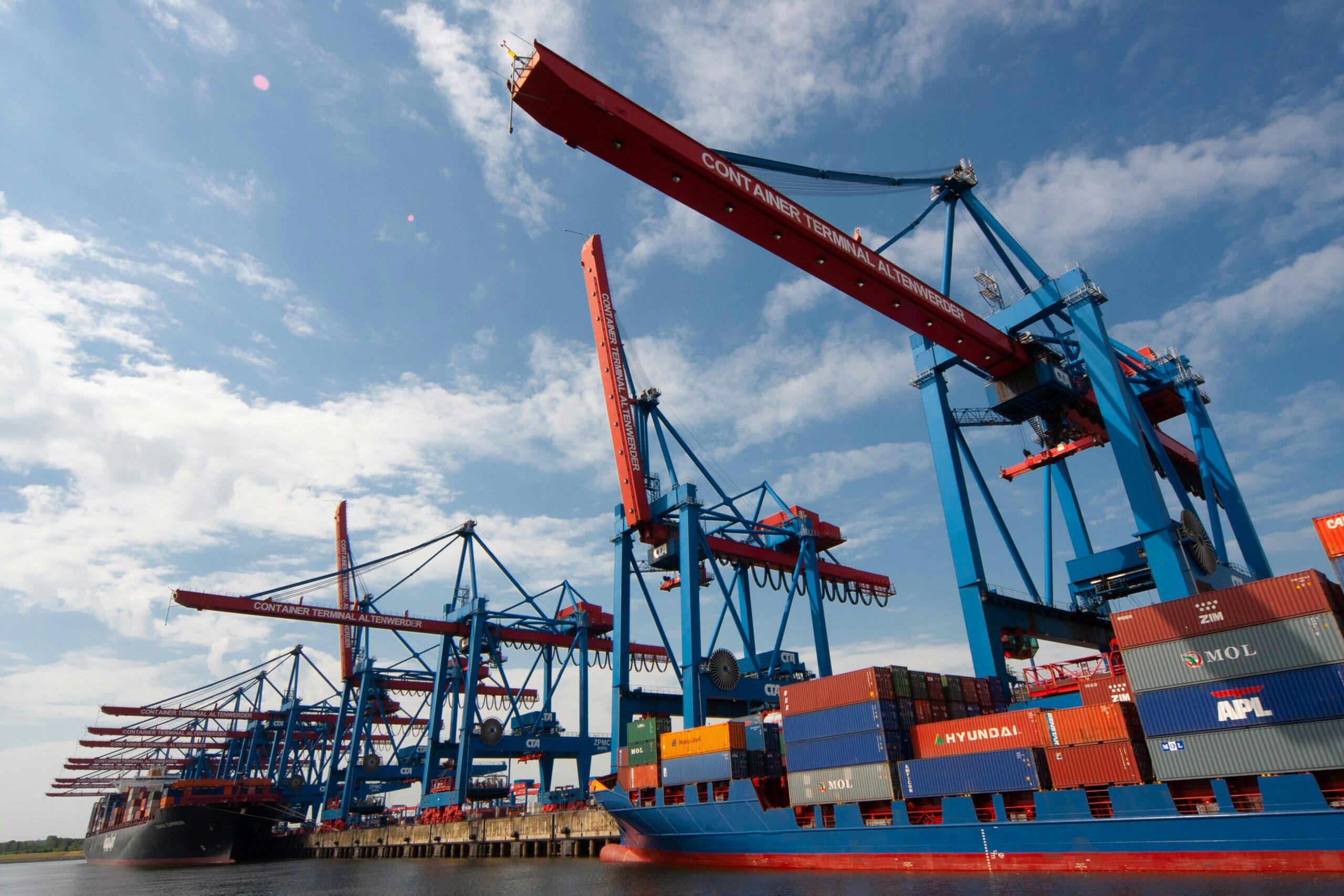
Navigating Europe’s maritime trade routes is a complex and vital endeavor, underpinning the continent’s economic prosperity and global connectivity. For centuries, the sea has been Europe’s highway, facilitating the exchange of goods, ideas, and cultures. Today, this intricate network of shipping lanes, ports, and logistical hubs remains the lifeblood of its economy, transporting an overwhelming majority of its trade. Understanding these routes requires a deep dive into their historical evolution, current operational challenges, and the future trends shaping their landscape.
The story of European maritime trade is a long and often dramatic one, stretching back to antiquity. The Mediterranean Sea, with its strategic position and numerous natural harbors, was the cradle of early European commerce. Phoenician, Greek, and Roman ships plied these waters, connecting disparate regions and fostering the growth of empires. This foundational period laid the groundwork for the sophisticated trade networks that would emerge in subsequent eras.
The Age of Exploration and its Maritime Revolution
The Age of Exploration, beginning in the 15th century, marked a profound shift in global maritime trade. European powers, driven by a thirst for new trade routes to the East and the discovery of the Americas, invested heavily in shipbuilding and navigation. Innovations like the caravel, astrolabe, and magnetic compass allowed mariners to venture further and with greater certainty.
The Columbian Exchange and its Oceanic Impact
The discovery of the Americas by Columbus in 1492 initiated the Columbian Exchange, a vast transfer of plants, animals, culture, human populations, technology, diseases, and ideas between the Americas, West Africa, and the Old World. This had a monumental impact on global trade, introducing new commodities like potatoes, tomatoes, and tobacco to Europe, and European livestock and crops to the Americas. It also tragically led to the transatlantic slave trade, a dark chapter inextricably linked to maritime routes.
The Rise of the Hanseatic League and Baltic Trade
Simultaneously, in Northern Europe, the Hanseatic League emerged as a powerful confederation of merchant guilds and market towns. Dominating trade in the Baltic and North Seas from the 13th to the 17th centuries, the League controlled the flow of goods like timber, grain, salt, and furs. Their well-organized fleet and network of trading posts were instrumental in connecting Scandinavia, Russia, and the British Isles with mainland Europe.
The Dutch Golden Age and the Dominance of the Sea
The 17th century witnessed the Dutch Golden Age, a period where the Netherlands became the preeminent maritime and economic power in the world. Their advanced shipbuilding techniques, efficient trading companies like the Dutch East India Company (VOC), and sophisticated financial instruments allowed them to dominate global shipping and commerce, particularly in Asia.
The Dutch East India Company (VOC) and its Global Reach
The VOC, founded in 1602, was more than just a trading company; it was a state-within-a-state. Possessing its own armies, navies, and the power to wage war, it established a vast network of trading posts and colonies across Asia, revolutionizing the spice trade and establishing a significant presence in areas like Indonesia and Ceylon. Its success fundamentally reshaped global trade flows and Europe’s economic power.
The Amsterdam Stock Exchange and Financial Innovation
The economic power generated by Dutch maritime trade fueled financial innovation. The establishment of the Amsterdam Stock Exchange in 1602, the world’s first formal stock exchange, facilitated the financing of these ambitious trading ventures and laid the foundation for modern financial markets. This was a direct consequence of the vast capital required to outfit and manage the fleets engaged in long-distance maritime trade.
Europe’s maritime trade routes play a crucial role in the global economy, facilitating the movement of goods across vast distances. For a deeper understanding of the dynamics and challenges facing these routes, you can explore a related article that delves into the historical significance and modern developments of maritime trade in Europe. This insightful piece can be found at MyGeoQuest, where you will discover valuable information about the impact of shipping lanes on trade efficiency and economic growth.
Contemporary European Maritime Trade Routes: A Network of Arteries
Today, Europe’s maritime trade routes are a sophisticated and multi-layered network, far more complex than their historical predecessors. They are the arteries through which the continent receives raw materials, energy, manufactured goods, and exports its own products to the rest of the world. The sheer volume of goods moved by sea underscores their critical importance.
The North Sea and the English Channel: The World’s Busiest Waterway
The North Sea and the English Channel form one of the busiest shipping lanes in the world. This narrow strait is a critical chokepoint, connecting the Atlantic Ocean to the North Sea and subsequently to the Baltic Sea and the ports of Northern Europe. Millions of tons of cargo pass through this region daily, including oil, gas, containers, and bulk commodities.
The Port of Rotterdam: Europe’s Gateway to the World
As the largest port in Europe and one of the busiest in the world, Rotterdam serves as a crucial transshipment hub. Its strategic location, massive infrastructure, and efficient logistics make it the primary gateway for goods entering and leaving the continent. Its deep-water terminals can accommodate the largest container ships, and its extensive inland waterway connections facilitate seamless distribution across Europe.
The Impact of Congestion and Shipping Disruptions
The sheer volume of traffic in the North Sea and English Channel inevitably leads to congestion. Incidents like the grounding of the Ever Given in the Suez Canal, while not directly in this region, highlight the global vulnerability to disruptions in key maritime arteries. Such events can cause significant delays, increase shipping costs, and impact supply chains across the continent.
The Mediterranean Sea: A Bridge Between Continents
The Mediterranean Sea, historically a cradle of trade, remains a vital corridor for European maritime commerce, particularly for trade with North Africa, the Middle East, and Asia via the Suez Canal. It connects a diverse range of economies and cultures, facilitating the exchange of goods and energy resources.
The Suez Canal: A Crucial Bottleneck and its Ramifications
The Suez Canal is arguably the most critical artificial waterway for global maritime trade, connecting the Mediterranean Sea to the Red Sea and the Indian Ocean. For Europe, it provides a direct and significantly shorter route to Asia, bypassing the long voyage around Africa. Any disruption to this canal has immediate and far-reaching consequences for European supply chains and the global economy.
The Port of Piraeus and the Belt and Road Initiative
The Port of Piraeus in Greece has emerged as a key player in the Mediterranean, particularly with its integration into China’s Belt and Road Initiative. This has led to significant investment and increased cargo volumes, solidifying its role as a vital gateway for goods entering Southern Europe from Asia. This development signifies a shifting geopolitical and economic landscape within European maritime trade.
The Baltic Sea: A Hub for Northern European Trade
The Baltic Sea is a vital region for trade within Northern Europe, connecting Scandinavia, the Baltic States, Poland, Germany, and Russia. It is a major route for the transit of oil, gas, timber, and manufactured goods. The region’s ports are essential for accessing the hinterlands of Eastern and Central Europe.
The Importance of LNG and Energy Shipments
The Baltic Sea plays a crucial role in the transportation of liquefied natural gas (LNG) and other energy resources, especially for countries heavily reliant on these imports. The ongoing energy transition and the need for diversified energy sources have further amplified the importance of these maritime routes for Europe’s energy security.
The Growth of Container Shipping and Cruise Tourism
Beyond bulk cargo, the Baltic Sea also witnesses significant container traffic and a thriving cruise tourism sector. Major ports are investing in advanced container handling facilities to accommodate the growing demand for intercontinental trade, while the region’s scenic beauty attracts millions of tourists annually, further contributing to its maritime economy.
Navigating Challenges and Embracing Opportunities
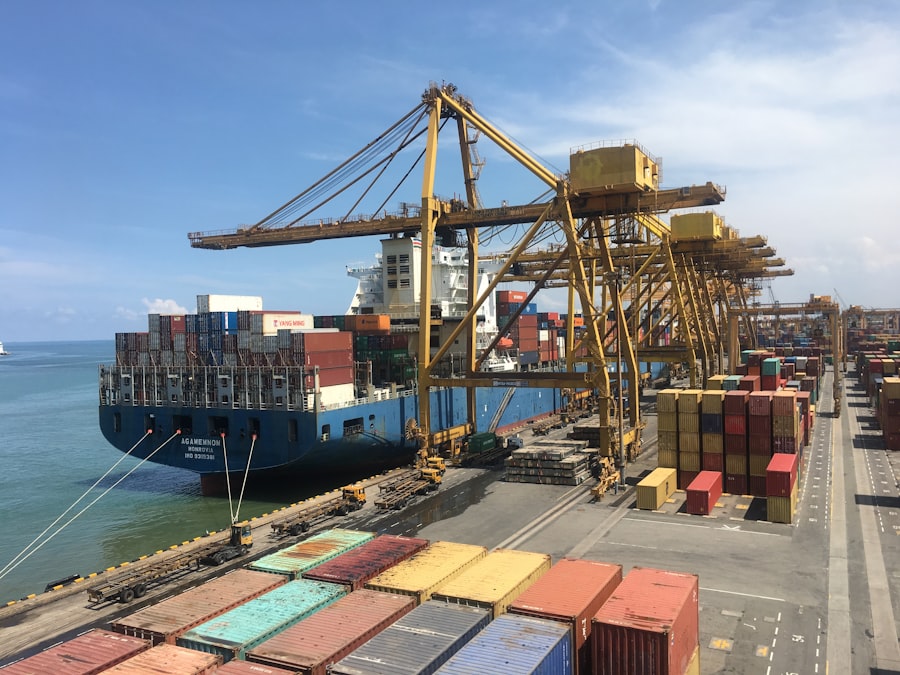
The efficiency and sustainability of Europe’s maritime trade routes are constantly challenged by a range of factors, from environmental concerns to geopolitical shifts. However, these challenges also present opportunities for innovation and growth.
Environmental Sustainability and Decarbonization Efforts
The maritime industry is a significant contributor to global greenhouse gas emissions. Europe is at the forefront of efforts to decarbonize shipping, with stringent regulations and a push for greener fuels and technologies.
The Transition to Alternative Fuels: LNG, Methanol, and Hydrogen
The shift away from heavy fuel oil is driving the adoption of alternative fuels. Liquefied Natural Gas (LNG) is currently a widely used transitional fuel, while methanol and hydrogen are being explored as longer-term solutions. The development of infrastructure and the scaling up of production for these fuels are critical for the success of this transition.
The Role of Green Corridors and Emission Control Areas
The establishment of “green corridors” – shipping routes where zero-emission solutions are supported and demonstrated – and Emission Control Areas (ECAs) with strict sulfur oxide and nitrogen oxide limits are crucial policy tools. These initiatives aim to accelerate the adoption of sustainable shipping practices and reduce the environmental impact of maritime transport.
Digitalization and Automation in Port Operations and Shipping
The maritime sector is undergoing a digital revolution, with technology transforming port operations, vessel management, and supply chain visibility. Automation and data analytics are key drivers of efficiency and safety.
Smart Ports and IoT Integration
“Smart ports” are leveraging the Internet of Things (IoT), artificial intelligence (AI), and big data to optimize operations. This includes real-time monitoring of vessel movements, cargo handling, and resource allocation, leading to faster turnaround times and reduced costs.
Blockchain for Supply Chain Transparency and Security
Blockchain technology is being explored for its potential to enhance transparency and security in maritime supply chains. Its ability to create immutable records of transactions can help prevent fraud, improve traceability, and streamline customs processes, leading to more efficient and trustworthy trade flows.
Geopolitical Influences and Security Concerns
Geopolitical tensions and security threats can significantly impact maritime trade routes. Piracy, conflicts in key regions, and trade disputes can disrupt shipping and increase operational risks.
The Impact of Regional Conflicts and Sanctions on Trade Flows
Conflicts in regions like Eastern Europe or the Middle East can lead to rerouting of vessels, increased insurance premiums, and the imposition of sanctions that restrict trade with certain countries. This necessitates flexibility and adaptability in maritime logistics.
Maritime Security and Counter-Piracy Measures
Ensuring the security of maritime trade routes is paramount. Naval patrols, intelligence sharing, and collaboration between international agencies are crucial for combating piracy and other maritime security threats, particularly in vulnerable areas like the Gulf of Aden and parts of West Africa.
The Future of Europe’s Maritime Trade: Innovation and Adaptation

The future of Europe’s maritime trade routes will be shaped by a confluence of technological advancements, environmental imperatives, and evolving global trade dynamics. The continent’s ability to adapt and innovate will be crucial for maintaining its competitive edge and ensuring the continued flow of goods and prosperity.
The Rise of Autonomous Shipping and its Implications
Autonomous shipping, where vessels operate with minimal or no human intervention, is no longer science fiction. While widespread adoption is still some years away, pilot projects and technological advancements are paving the way for its integration.
Challenges and Opportunities for Autonomous Vessels
The implementation of autonomous shipping presents both challenges and opportunities. Safety regulations, cybersecurity concerns, and the need for new infrastructure must be addressed. However, autonomous vessels hold the promise of increased efficiency, reduced operational costs, and improved safety records.
Impact on Crewing and Maritime Workforce Training
The advent of autonomous shipping will necessitate a significant shift in the maritime workforce. There will be a reduced demand for traditional seafaring roles, while the need for skilled personnel in areas like remote operations, data analysis, and system maintenance will increase. Retraining and upskilling the existing workforce will be a critical undertaking.
The Evolving Role of Ports in a Connected World
European ports are transforming from mere points of cargo transfer into sophisticated logistical hubs. Their ability to integrate with inland transportation networks and embrace digital technologies will be key to their future success.
Intermodal Connectivity and Inland Waterways
Seamless intermodal connectivity, linking sea, rail, and road transport, is essential for efficient cargo distribution. European ports are investing in upgrading their rail and inland waterway infrastructure to facilitate faster and more sustainable movement of goods from port to destination.
Port Automation and Advanced Logistics Solutions
Further automation of port operations, including robotic handling systems and AI-powered logistics planning, will continue to enhance efficiency. The development of integrated digital platforms that provide end-to-end supply chain visibility will also be crucial.
The Shifting Landscape of Global Trade and Europe’s Position
Global trade patterns are constantly evolving, influenced by economic growth in emerging markets, geopolitical realignments, and changing consumer demands. Europe’s maritime trade routes must adapt to these shifts to remain relevant.
The Growing Importance of Intra-European Trade and Short Sea Shipping
While global trade remains vital, there is a growing emphasis on intra-European trade and the development of short sea shipping. This reduces reliance on long-distance routes, lowers emissions, and strengthens regional supply chains.
The Impact of Trade Diversification and New Market Access
As companies seek to diversify their supply chains and reduce geopolitical risks, new trade routes and markets are emerging. Europe’s maritime network will need to be agile enough to capitalize on these opportunities and remain competitive in a dynamic global marketplace.
The intricate network of Europe’s maritime trade routes plays a crucial role in the continent’s economy, facilitating the movement of goods across vast distances. Understanding these routes is essential for grasping the dynamics of international trade. For a deeper insight into the historical and contemporary significance of these maritime pathways, you can explore a related article that delves into various aspects of trade and navigation in Europe. This resource can be found here, providing valuable information for anyone interested in the subject.
Conclusion: Sustaining Europe’s Maritime Lifelines
| Port | Volume of Trade (in tons) | Top Imports | Top Exports |
|---|---|---|---|
| Rotterdam, Netherlands | 469 million | Crude petroleum, Refined petroleum, Cars | Refined petroleum, Crude petroleum, Cars |
| Hamburg, Germany | 138 million | Crude petroleum, Cars, Refined petroleum | Cars, Refined petroleum, Crude petroleum |
| Antwerp, Belgium | 214 million | Crude petroleum, Refined petroleum, Cars | Refined petroleum, Crude petroleum, Cars |
| Marseille, France | 94 million | Crude petroleum, Refined petroleum, Cars | Refined petroleum, Crude petroleum, Cars |
Navigating Europe’s maritime trade routes is an ongoing and dynamic process. From their ancient origins to the sophisticated networks of today, these routes have been the bedrock of European prosperity and global engagement. The challenges of environmental sustainability, technological disruption, and geopolitical complexity are significant, but they are also catalysts for innovation. By embracing new technologies, prioritizing sustainable practices, and fostering international cooperation, Europe can ensure that its maritime lifelines continue to thrive, connecting its economies and shaping its future in the global arena. The constant evolution of these routes underscores their enduring importance as the veins and arteries of continental and global commerce.

The Dangerous Sea Europe Can’t Live Without
FAQs
What are the main maritime trade routes in Europe?
The main maritime trade routes in Europe include the Mediterranean Sea, the North Sea, the Baltic Sea, and the Atlantic Ocean. These routes connect Europe to other continents and facilitate the transportation of goods and commodities.
How important are maritime trade routes for Europe?
Maritime trade routes are crucial for Europe’s economy as they enable the transportation of goods to and from different parts of the world. Europe relies heavily on maritime trade for imports and exports, making these routes vital for the region’s economic prosperity.
What are the challenges faced by maritime trade routes in Europe?
Challenges faced by maritime trade routes in Europe include piracy, geopolitical tensions, environmental concerns, and infrastructure limitations. These challenges can impact the efficiency and safety of maritime trade, requiring continuous efforts to address and mitigate them.
How has technology impacted maritime trade routes in Europe?
Advancements in technology have significantly impacted maritime trade routes in Europe by improving navigation systems, communication capabilities, and vessel efficiency. These technological developments have enhanced the safety, speed, and reliability of maritime trade, contributing to the growth of the industry.
What are the future prospects for maritime trade routes in Europe?
The future prospects for maritime trade routes in Europe are promising, with continued investments in infrastructure, technology, and security measures. As global trade continues to expand, Europe’s maritime trade routes are expected to play a crucial role in facilitating the movement of goods and sustaining the region’s economic growth.