The Perilous Passage: Understanding the Darién Gap’s Wet Season Demands
The Darién Gap, a vast expanse of dense rainforest and treacherous swampland straddling the border of Panama and Colombia, is not merely a geographical curiosity; it is a formidable barrier that has long defied attempts at a continuous road connection between North and South America. For those who attempt to traverse it, whether by foot, by rudimentary boat, or by the ever-present hope of a future roadway, the rainy season transforms an already arduous journey into an ordeal of epic proportions. The monsoon deluge, which typically grips the region from May to December, fundamentally alters the landscape, turning navigable paths into impassable mire and swollen rivers into raging torrents. Understanding the dynamics of the Darién Gap during its wettest months is crucial for appreciating the scale of the challenges faced by migrants, adventurers, and the communities that call this unforgiving territory home. The concept of a “road” in the Darién Gap is a fluid one, often more aspirational than actual, and the rainy season tests the very definition of what constitutes a traversable route. This period amplifies the natural obstacles, demanding resilience, resourcefulness, and often, a profound understanding of the unpredictable environment.
The Darien Gap, a treacherous stretch of jungle between Panama and Colombia, poses significant challenges during the rainy season, particularly concerning road accessibility. For a deeper understanding of the impact of weather on travel and infrastructure in this region, you can read a related article on My Geo Quest that explores the complexities of navigating the Darien Gap during adverse conditions. For more information, visit My Geo Quest.
The Deluge’s Domain: Rainfall Patterns and Their Impact
The meteorological reality of the Darién Gap during the rainy season is one of relentless precipitation. The region experiences a tropical monsoon climate, characterized by high temperatures and humidity throughout the year, punctuated by a distinct wet season. This period sees a dramatic increase in rainfall, with average monthly totals soaring, often exceeding 300-400 millimeters (12-16 inches). This isn’t just a matter of occasional downpours; it’s a sustained saturation of the land. The jungle canopy, while intercepting some of the initial impact, quickly becomes overwhelmed, channeling sheets of water towards the forest floor. Rivers, normally flowing at manageable levels, swell dramatically, their currents becoming powerful and unpredictable. Tributaries that are mere trickles in the dry season transform into wide, churning waterways, capable of sweeping away even sturdy vessels. The ground itself becomes saturated, turning well-trodden paths into deep, clinging mud. This omnipresent moisture permeates everything, increasing the risk of landslides on steeper inclines and exacerbating the challenges of maintaining any semblance of a stable pathway. The humidity, already high, intensifies, making physical exertion even more taxing and increasing the likelihood of heat-related ailments, even in the relatively cooler, rain-soaked environment. The sheer volume of water fundamentally reshapes the terrain, rendering familiar routes unrecognizable and demanding constant adaptation from those who must navigate it.
Rainfall Intensity and Frequency
The rainy season in the Darién Gap is not a uniform experience. While the period is generally defined as wet, there are variations in intensity and frequency of rainfall within this span. Certain months, such as September and October, are often cited as the wettest, experiencing more persistent and heavier downpours. However, even within these peak months, localized thunderstorms can occur with startling suddenness and ferocity, delivering torrential rain in a matter of hours. This unpredictability means that even when a brief lull in the rain occurs, travelers cannot assume prolonged dry spells. The jungle is constantly being replenished, and the water table remains high, contributing to the persistently sodden conditions. The air itself feels heavy with moisture, a constant reminder of the deluge that is either ongoing or imminent. Understanding these nuances is critical for anyone planning a journey through the Gap. A traveler might experience a few days of relatively lighter rain, only to be confronted by a week of continuous, heavy downpours that make any forward progress nearly impossible.
River Systems and Flood Dynamics
The lifeblood of the Darién Gap, its intricate network of rivers and streams, becomes a formidable adversary during the rainy season. These waterways, which serve as essential arteries for both wildlife and human passage in drier times, are transformed by the influx of rainwater. The main rivers, such as the Chucunaque and Tuira in Panama, and their Colombian counterparts, can rise several meters, their currents becoming incredibly swift and powerful. This surge in water levels not only makes crossing these rivers exceptionally dangerous but also inundates the surrounding low-lying areas, turning what were once dry or muddy trails into submerged passages. Small streams that are easily stepped over in the dry season become impassable chasms, requiring extensive detours or the use of precarious makeshift bridges. The risk of flash floods is also a significant concern. Sudden, intense rainfall in the headwaters of these river systems can cause water levels to rise with alarming speed, trapping unsuspecting travelers on islands or in low-lying areas. The roar of swollen rivers is a constant soundtrack during this period, a potent reminder of nature’s untamed power.
The Muddy Maze: Foot Travel and Trail Conditions
The very notion of a “road” in the Darién Gap is a misnomer, especially during the rainy season. What might be a discernible path in the dry season quickly deteriorates into a treacherous bog under the relentless onslaught of rain. Foot travel, already demanding, becomes an exercise in extreme endurance and constant risk assessment. The thick, clay-rich soil of the jungle floor, when saturated, transforms into a sticky, deep mud that can reach waist-deep in places. Every step is a struggle, requiring significant effort to pull one’s boots free from the clinging earth. The terrain is not just muddy; it is also uneven, riddled with hidden roots, fallen logs, and slippery, moss-covered rocks, all obscured by the pervasive mud. Falls are frequent, leading to injuries, loss of equipment, and the demoralizing realization of lost time and energy. Navigating these conditions requires not only physical strength but also a keen sense of balance and an acute awareness of the ground beneath one’s feet. The jungle canopy, while offering some shade, also contributes to the persistent dampness, preventing the mud from drying out.
The Disintegration of Defined Paths
The most striking impact of the rainy season on foot travel is the disintegration of any semblance of defined paths. Trails that are carefully marked and maintained by local communities or previous travelers in the dry season become virtually invisible under meters of mud and rapidly growing vegetation. The jungle reclaims its territory with a vengeance, obscuring footfalls and making it incredibly difficult to maintain a consistent direction. The dense undergrowth, constantly nourished by the rain, becomes thicker and more challenging to push through. What was a discernible track can become a labyrinth of fallen branches, thorny vines, and waterlogged depressions. This loss of clear pathways increases the risk of becoming lost, a particularly dangerous prospect in an environment where rescue is incredibly difficult and where the natural resources for survival are readily available but require knowledge to identify and utilize. The journey becomes less about following a path and more about forging one, a constant battle against the encroaching wilderness.
Navigational Challenges in Saturated Terrain
Navigating through the saturated terrain of the Darién Gap during the rainy season presents a unique set of challenges that go beyond simply following a compass. GPS devices, while valuable, can be rendered less effective by the dense canopy and constant cloud cover, and their batteries are susceptible to the moisture. Traditional navigation methods, relying on landmarks, become problematic as the landscape is constantly altered by the rain and the growth of vegetation. Rivers and streams, which often serve as natural navigational aids, are swollen and unpredictable, making their use for orientation risky. The sheer difficulty of traversing the mud means that progress is slow, and the mental fatigue associated with constant physical exertion can impair decision-making. The pervasive dampness also affects equipment, from backpacks that become heavy with absorbed water to electronics that are vulnerable to moisture damage. Every aspect of navigation is compounded by the environmental conditions, demanding a higher level of skill, experience, and preparedness than in drier climes.
Waterborne Woes: Boat Travel and River Crossings
For many attempting to traverse the Darién Gap, especially migrants, boat travel along the rivers is a primary mode of transport, or at least a crucial component of their journey. However, the rainy season transforms these vital waterways into unpredictable and dangerous forces. Small, often rudimentary, wooden boats that are adequate in calmer conditions become vulnerable to the powerful currents and the increased debris carried by the swollen rivers. The risk of capsizing is significantly higher, and the consequences can be dire, with individuals and their belongings being swept away by the torrent. River crossings, which might be manageable in the dry season, become perilous undertakings, requiring experienced boatmen and robust vessels, neither of which are always readily available or reliable. The sheer volume of water also means that routes that were previously accessible by boat can become flooded and impassable, forcing detours or the abandonment of waterborne travel altogether.
The Dangers of Swollen Waterways
The dramatic rise in water levels during the rainy season poses immense dangers to any form of watercraft. Rivers that were once shallow enough to be waded or navigated with small canoes become deep, fast-flowing channels. The currents, amplified by the continuous rainfall, can easily overwhelm smaller boats, causing them to capsize or be dashed against submerged obstacles. Debris, such as fallen trees and branches, are swept downstream by the powerful currents, creating navigational hazards that are difficult to see and avoid in the murky water. Even larger, more stable boats are not immune to the risks. The constant threat of capsizing means that any journey by boat during the rainy season is undertaken with a significant degree of risk. The loss of life due to boat accidents is a tragic, recurring feature of the Darién Gap’s rainy season, highlighting the immense power of the water and the limitations of human endeavor against it.
Navigating Floodplains and Inundated Areas
The rainy season’s inundation of floodplains dramatically alters the accessibility of areas that might otherwise be traversable. Vast swathes of land that are dry and relatively easy to navigate in the dry season become submerged during the monsoon. This forces boat travel into areas that might not typically be considered primary routes, or it necessitates extensive detours around these flooded zones. For those traveling on foot, these inundated areas can become impassable barriers, forcing them to seek alternative routes that are often more challenging and time-consuming. The water itself can be deceptively deep, with hidden channels and submerged obstacles that pose a threat to both walkers and boaters. The landscape becomes a fluid, ever-changing maze, where familiar paths disappear and new, temporary waterways emerge, demanding constant adaptation and a deep understanding of the local topography.
Navigating the Darien Gap during the rainy season presents significant challenges due to the often impassable roads and treacherous conditions. Travelers and adventurers looking to understand the complexities of this region may find valuable insights in a related article that discusses the impact of seasonal weather on transportation routes. For more information, you can read about it here. This resource provides a comprehensive overview of the difficulties faced by those attempting to traverse this remote area during its wettest months.
Environmental Hazards Amplified: Terrain and Wildlife
| Metric | Value | Notes |
|---|---|---|
| Average Rainfall (mm/month) | 300 – 500 | Peak rainy season from April to November |
| Road Accessibility | Very Low | Most roads become impassable due to mud and flooding |
| Road Type | Dirt and Unpaved Trails | Minimal infrastructure, prone to erosion |
| Average Road Travel Speed (km/h) | 5 – 10 | Due to muddy and slippery conditions |
| Flooding Incidents | Frequent | Rivers and streams often overflow, blocking paths |
| Maintenance Frequency | Rare | Limited road maintenance during rainy season |
| Travel Time Increase | Up to 3x | Compared to dry season travel times |
The Darién Gap, even in its drier months, is a challenging environment teeming with potential dangers. During the rainy season, these inherent hazards are significantly amplified. The saturated ground contributes to an increased risk of landslides, especially in areas with steeper inclines. The dense vegetation, while offering some concealment for wildlife, also makes it more difficult to spot and avoid potential encounters. The constant moisture creates an ideal breeding ground for insects, leading to an increase in mosquito populations and the associated risks of diseases like malaria and dengue fever. Furthermore, the overall conditions of extreme dampness and challenging terrain place a considerable strain on the physical and mental well-being of anyone attempting to traverse the Gap.
The Perils of Mudslides and Landslides
The persistent saturation of the soil during the rainy season creates a significant risk of mudslides and landslides. Slopes that might be stable in drier conditions become highly unstable when waterlogged. Heavy rainfall can loosen soil and rock, leading to sudden and often catastrophic movements of earth. These events can occur without warning, particularly in areas with steep inclines or on the banks of rivers where erosion is accelerated. For those traveling on foot or by rudimentary vehicle, a mudslide can block pathways, create impassable barriers, or even sweep away individuals and their belongings. The sheer force of moving earth and mud can be devastating, highlighting the unpredictable and destructive power of nature in its most extreme form. Awareness of the terrain and avoiding areas prone to landslides becomes a critical aspect of survival.
Increased Insect and Disease Vectors
The warm, humid, and perpetually wet conditions of the Darién Gap’s rainy season create an ideal breeding ground for a multitude of insects, many of which are vectors for serious diseases. Mosquito populations explode, and with them, the heightened risk of malaria, dengue fever, Zika virus, and chikungunya. These diseases can debilitating, severely impacting a traveler’s ability to continue their journey or even posing a life-threatening risk. Ticks and other biting insects are also more prevalent, carrying their own set of potential health complications. Without adequate protection, such as insect repellent, appropriate clothing, and knowledge of preventive measures, travelers are exposed to a constant barrage of bites and the significant risk of contracting serious illnesses. The jungle, in its lushness, also harbors these less visible threats, turning a beautiful environment into a potential health hazard.
The Unseen Dangers: Venomous Creatures and Dehydration
Beyond the more obvious challenges of mud and water, the rainy season in the Darién Gap also presents a heightened risk from venomous creatures and the paradoxical threat of dehydration. The damp, humid conditions can encourage snakes, spiders, and other venomous animals to be more active, seeking shelter or hunting in the saturated undergrowth. Encounters, though not guaranteed, are more likely to occur when navigating through dense vegetation. While the overwhelming impression is one of wetness, the extreme physical exertion required to move through the muddy terrain, combined with the high humidity, can still lead to dehydration if fluid intake is not meticulously managed. The body expends significant energy trying to regulate its temperature, and the constant dampness can mask the sensation of thirst until it becomes a serious problem. This requires a proactive approach to hydration, even when surrounded by water.
Infrastructure and Human Resilience: The Interplay of Challenges
The concept of “roads” in the Darién Gap during the rainy season is less about asphalt and more about the ingenuity and resilience of the people who must navigate it. There is no continuous road network in the traditional sense, and what little infrastructure exists is severely tested by the monsoon. For migrants, who are often traversing the Gap with limited resources, the rainy season presents an intensified struggle for survival. Local communities, accustomed to the wet season’s demands, often provide essential support, but even their capabilities are stretched. The challenges are not just environmental; they are also socio-economic, highlighting the profound impact of natural forces on human endeavors and the often-fragile nature of any attempts to impose order on such a wild landscape.
The Absence of Formal Road Infrastructure
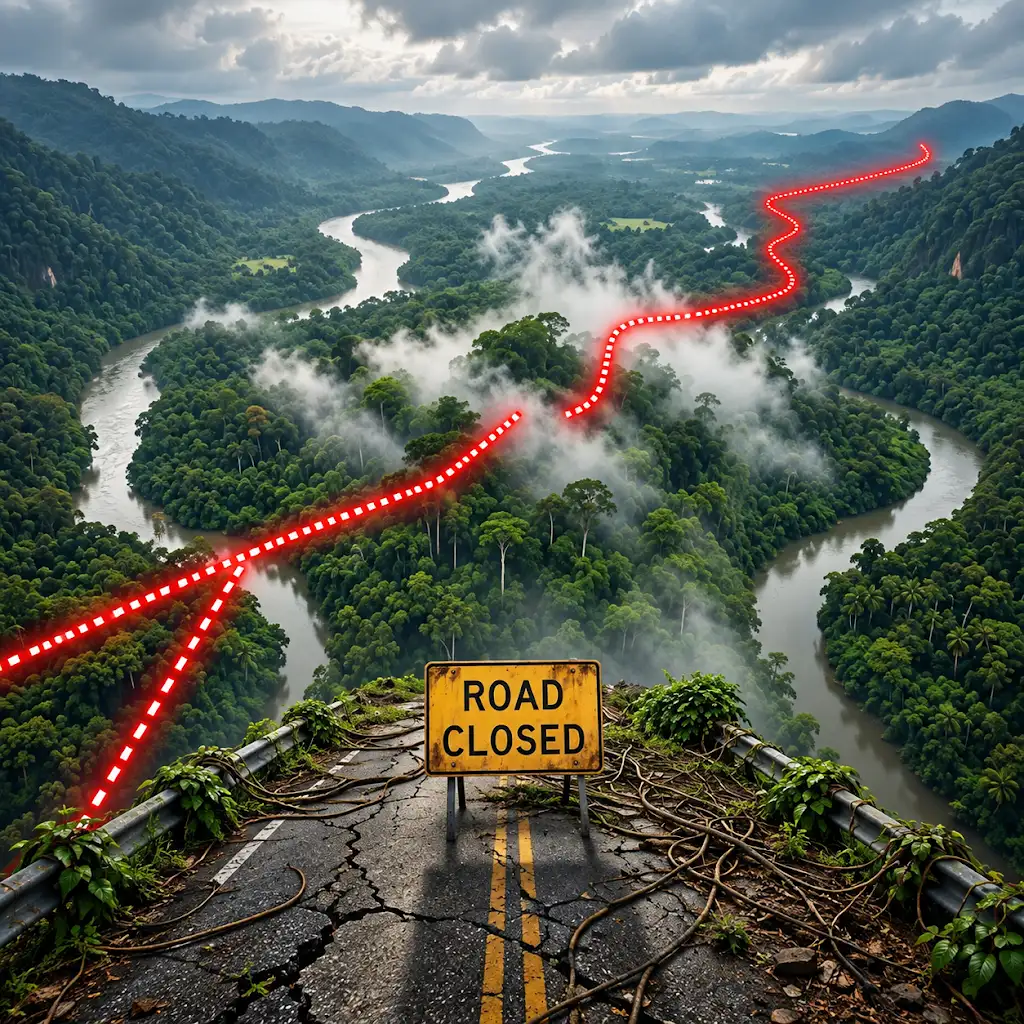
The defining characteristic of the Darién Gap is its lack of formal road infrastructure. There is no highway that connects Panama and Colombia directly through this region. The few existing tracks or paths are often rudimentary, at best, and are largely created and maintained by local indigenous communities or are the result of sporadic, often unsuccessful, attempts to build roads in the past. During the rainy season, these informal routes deteriorate rapidly. Bridges, if they exist, are often washed away or rendered impassable by swollen rivers. The idea of a “road” becomes a highly relative term, referring to routes that are barely discernible and are only negotiable with significant effort and often specialized knowledge. The absence of any formal, consistently passable road infrastructure is the fundamental reason why the Darién Gap remains a barrier.
The Plight of Migrants During the Wet Season
For the hundreds of thousands of migrants who attempt to cross the Darién Gap each year, the rainy season transforms an already perilous journey into a desperate battle for survival. The wettest months are often the most dangerous, with increased risks of drowning, disease, and severe exhaustion. Migrants, often traveling with children and the elderly, face immense hardship. They rely on rudimentary shelters, often made from branches and leaves, which offer little protection from the constant rain. The cost of passage on boats, if available, increases significantly, further straining their limited resources. The trails become treacherous, and the rivers, their primary means of onward travel, become violent obstacles. The psychological toll of enduring such conditions, coupled with the fear of injury, illness, and exploitation, is immense. The rainy season exacerbates the already critical humanitarian situation in the Darién Gap, highlighting the vulnerability of those undertaking this dangerous passage.
The Role of Local Communities and Humanitarian Aid
In the face of the overwhelming environmental challenges, the resilience of local indigenous communities and the efforts of humanitarian organizations become crucial. These communities, deeply familiar with the rhythms of the jungle, often provide vital guidance, basic shelter, and sometimes even food to stranded travelers. Their knowledge of the terrain and its dangers is invaluable. Humanitarian organizations, despite the logistical difficulties posed by the rainy season, work to provide essential aid, including medical assistance, clean water, and temporary shelter to migrants. However, their reach is often limited by the impassable terrain and the sheer scale of the need. The rainy season significantly hinders the delivery of aid and the effectiveness of rescue operations, underscoring the immense difficulties of operating in such a challenging environment. The interplay between the natural environment and human efforts – the resilience of local populations, the limitations of infrastructure, and the critical role of aid – defines the experience of navigating the Darién Gap during its wettest months.
Why the World’s Longest Highway Stops Here
FAQs
What is the Darien Gap?
The Darien Gap is a dense and remote jungle region that stretches between Panama and Colombia, known for its challenging terrain and lack of roads.
When is the rainy season in the Darien Gap?
The rainy season in the Darien Gap typically occurs from May to November, bringing heavy rainfall and making travel even more difficult due to flooding and mudslides.
Why are the roads in the Darien Gap particularly challenging during the rainy season?
The roads in the Darien Gap are mostly unpaved and can quickly become impassable during the rainy season due to the combination of heavy rainfall, mud, and flooding, making travel extremely treacherous.
Are there any alternative modes of transportation in the Darien Gap during the rainy season?
Due to the challenging road conditions during the rainy season, some travelers opt to navigate the region by boat along its rivers and waterways, which can be a safer alternative to overland travel.
What precautions should travelers take when navigating the Darien Gap roads during the rainy season?
Travelers should be prepared for delays, road closures, and challenging conditions when traveling through the Darien Gap during the rainy season. It is advisable to travel with a local guide who is familiar with the area and to have appropriate gear for wet and muddy conditions.