The North Sea, often a cradle of life and a vital artery for commerce, can transform into a wrathful tempest, a realm where nature’s raw power is undeniably displayed. On a recent, terrifying occasion, this transformation culminated in the monstrous spectacle of a 25-meter wave, a colossal wall of water that dwarfed any man-made vessel and served as a stark reminder of humanity’s vulnerability in the face of the ocean’s might. This event, etched into the memories of those who witnessed it, represents not just a record-breaking anomaly but a chilling testament to the untamed forces that shape our planet.
The North Sea, situated between Great Britain, Scandinavia, and continental Europe, is a relatively shallow sea, particularly in its southern reaches. This shallowness, combined with its geographical location, makes it susceptible to extreme weather patterns. Storms brewing in the North Atlantic often track eastward, gathering strength over the vast expanse of the ocean before impacting the North Sea. The confluence of cold continental air masses and warmer oceanic currents can fuel the development of powerful low-pressure systems, leading to fierce winds and the subsequent generation of massive waves.
Meteorological Triggers for Extreme Waves
The genesis of a 25-meter wave in the North Sea is not a singular event but rather a cascade of specific meteorological conditions. At its core lies the formation of a deep low-pressure system. These systems are characterized by rapidly falling atmospheric pressure, which drives air inwards and upwards, creating powerful cyclonic winds.
The Role of Wind Speed and Fetch
The most immediate driver of wave generation is wind speed. The greater the wind speed, the more energy is transferred from the atmosphere to the surface of the water, creating ripples that grow into waves. However, wind speed alone is not sufficient to produce gargantuan waves. The concept of “fetch” is equally crucial. Fetch refers to the uninterrupted distance over which the wind blows across the water. In the case of the North Sea, the prevailing westerly winds have a considerable fetch, allowing them to build up significant wave energy over hundreds of kilometers. During severe storms, sustained winds exceeding hurricane force (118 km/h or more) can persist for hours, creating a relentless assault on the ocean’s surface.
Atmospheric Pressure and Wave Height
A significantly low atmospheric pressure within a storm system is directly correlated with increased wave height. The pressure gradient between the low-pressure center and surrounding higher pressure areas drives stronger winds. Furthermore, the very act of reduced atmospheric pressure at sea level can, to a minor extent, contribute to sea level rise in that area, effectively raising the baseline upon which waves build.
Storm Track and Duration
The path a storm takes and the duration of its presence over the North Sea are critical factors. A storm that lingers or tracks slowly across a particular region allows for sustained wind energy input, maximizing wave growth. Conversely, a fast-moving storm might not have the same cumulative impact. The specific alignment of wind direction with the prevailing currents can also amplify wave energy, leading to a phenomenon known as constructive interference, where individual waves merge to create exceptionally large swells.
Recent studies on oceanic conditions have highlighted the significance of understanding wave patterns in the North Sea, particularly in relation to the impact of climate change on wave heights. An insightful article discussing the implications of a 25-meter wave in the North Sea can be found at this link. This article delves into the potential consequences for coastal communities and marine ecosystems, making it a valuable resource for anyone interested in maritime research and environmental science.
The Anatomy of a Monster: Deconstructing the 25-Meter Wave
A wave of 25 meters is not merely a large wave; it is a leviathan, a force of nature capable of overwhelming even the most robust structures. Understanding its physical characteristics reveals the sheer scale of the event. The height is measured from the trough (the lowest point) to the crest (the highest point) of the wave. In a 25-meter wave, this vertical distance is equivalent to the height of an eight-story building.
Wave Height vs. Wave Period
It is important to distinguish between wave height and wave period. While height describes the vertical dimension, wave period refers to the time it takes for two consecutive crests (or troughs) to pass a fixed point. In the case of extreme storm waves, not only is the height immense, but the period can also be considerable, meaning these colossal walls of water move with a slow, inexorable power. A long period indicates that the wave is composed of a significant amount of energy spread over a large distance.
The Concept of Rogue Waves
While the 25-meter wave described here likely resulted from a confluence of severe storm conditions, it also touches upon the phenomenon of “rogue waves.” These are unusually large and steep waves that appear unexpectedly in the open sea, often in areas with significant wave action. They are sometimes referred to as “freak waves” or “monster waves.” Unlike tsunamis, which are caused by seismic activity, rogue waves are a product of surface wave dynamics. The precise mechanisms behind their formation are still being researched, but they are believed to involve constructive interference of smaller waves, wave-current interaction, and non-linear effects.
The Dynamics of Wave Formation and Growth
The initial ripples on the ocean surface, caused by the slightest breeze, are the seeds of these colossal waves. As wind blows, it exerts pressure on the water, creating small indentations. The air then flows over these indentations, creating areas of lower pressure on the downwind side and higher pressure on the upwind side, which pushes the water forward. This process repeats, with each gust of wind adding more energy to the developing wave.
Energy Transfer from Wind to Water
The transfer of energy from the wind to the water is a complex process involving friction and turbulence. The wind’s kinetic energy is converted into the potential and kinetic energy of the wave. The longer the wind blows over a sufficiently large area of water (fetch), the more energy is accumulated, leading to larger and more powerful waves. This energy is then propagated across the ocean’s surface in the form of waves.
Wave Shoaling and Refraction
As waves approach shallower waters, their behavior changes due to interactions with the seabed. Wave shoaling occurs when the wave’s energy is compressed into a smaller volume of water, leading to an increase in wave height. Wave refraction, on the other hand, describes how waves bend as they encounter variations in seabed depth, causing them to align more parallel to the coastline. While these processes are more prominent in coastal areas, they can influence wave behavior even in the deeper North Sea during extreme events.
Witness to the Tempest: Accounts of the 25-Meter Wave

The most profound understanding of such an event comes from those who directly experienced its terrifying reality. Fishermen, offshore workers, and sailors are often the first and most intimate witnesses to the ocean’s fury. Their accounts, often delivered with a mixture of awe and terror, paint a vivid picture of nature’s overwhelming power. These narratives are crucial for grasping the true scale and impact of such a monstrous wave.
The Perspective of Offshore Workers
For those working on oil rigs and wind turbines in the North Sea, extreme weather is an occupational hazard. Yet, even seasoned professionals are left humbled and shaken by waves of this magnitude. The sheer force can cause structures to groan and sway violently, creating a constant sense of unease. Communications can be disrupted, and the ability to conduct normal operations becomes impossible.
Structural Integrity Under Stress
Modern offshore platforms are engineered to withstand significant wave action, but a 25-meter wave pushes these designs to their absolute limits. The impact forces on the legs and superstructure are immense, and the constant battering can lead to fatigue and potential structural damage. The psychological toll on the crew, knowing they are at the mercy of such a colossal force, is also considerable.
The Ordeal of Seafarers
Maritime vessels, from large cargo ships to smaller fishing boats, are particularly vulnerable. A wave of this size can easily swamp decks, damage equipment, and even capsize smaller vessels. The experience of being caught in such a storm is one of constant struggle against the elements, with the sea heaving and tossing the ship like a toy.
Survival Against the Odds
Stories of survival in extreme North Sea conditions often involve incredible skill, resilience, and a good measure of luck. The bravery of crews who navigate these waters during severe storms is legendary. The immediate aftermath of such an encounter can leave ships battered and crews exhausted, but alive to tell the tale.
Documentation and Scientific Observation
While anecdotal accounts are powerful, scientific observation provides crucial data. Buoys, wave measurement devices, and satellite imagery can record the precise dimensions and characteristics of extreme waves. These observations are vital for improving our understanding of wave dynamics and for developing better forecasting models.
Wave Measurement Technologies
Various technologies are employed to measure wave height. Wave rider buoys, which float on the surface and transmit data wirelessly, are common. Advanced radar and lidar systems mounted on offshore structures or ships can also provide detailed wave profiles. Satellite altimetry offers a broader perspective, mapping wave conditions over vast oceanic areas.
The Impact and Aftermath: Consequences of the Monstrous Wave
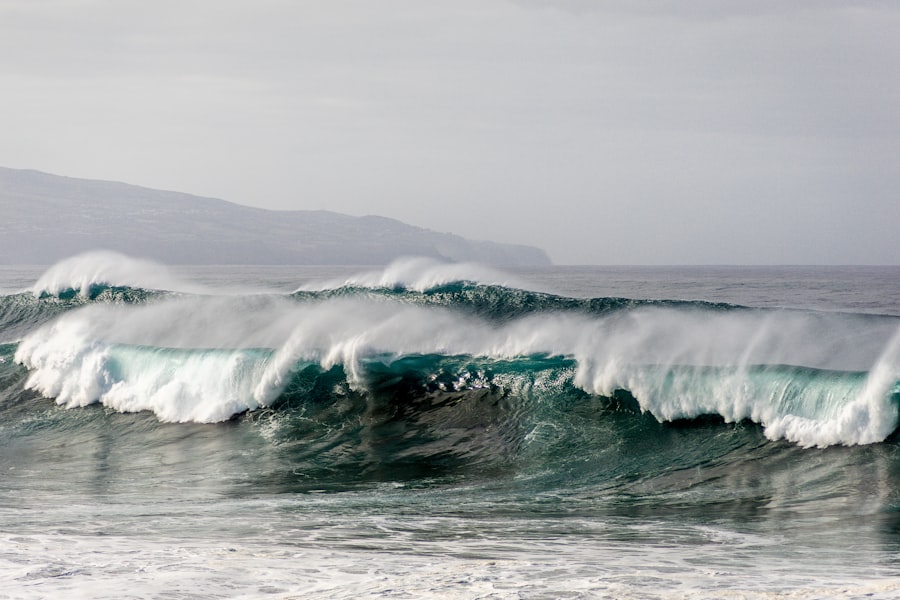
The passage of a 25-meter wave is not an isolated event; it leaves a tangible mark on the environment and the human activities within it. The immediate aftermath can be one of destruction and disruption, while the long-term implications can influence safety protocols and our understanding of oceanographic phenomena.
Environmental Consequences
While the North Sea is a dynamic environment, an event of this magnitude can have localized impacts. Coastal erosion can be exacerbated, and marine life can be affected by the churning of the seabed and the debris stirred up by the powerful currents.
Sediment Resuspension and Seabed Disturbance
The immense energy of such a wave can scour the seabed, resuspending large amounts of sediment. This can affect the clarity of the water, impacting marine organisms that rely on sunlight for photosynthesis, such as seagrasses. It can also disturb benthic habitats, affecting the communities of organisms that live on or in the seabed.
Economic and Infrastructure Damage
The North Sea is a hub for offshore oil and gas extraction, as well as wind farms. Extreme wave events can lead to costly shutdowns, damage to infrastructure, and delays in operations. The cost of repairs and the economic losses incurred during these periods can be substantial.
Disruption to Shipping and Trade Routes
Major shipping lanes pass through the North Sea, and extreme weather can lead to significant disruptions. Port closures, rerouting of vessels, and the potential for cargo damage all contribute to economic losses. The reliability of these vital trade routes is directly impacted by the predictability and severity of North Sea storms.
Lessons Learned and Future Preparedness
Each extreme wave event provides valuable data for scientists and engineers. Understanding how such waves form and the forces they exert allows for the development of more resilient infrastructure and improved safety measures for those who work and travel on the sea.
Advancements in Forecasting and Warning Systems
The detailed analysis of past extreme wave events contributes to the refinement of weather forecasting models. Improved prediction of storm intensity and wave heights allows for more effective early warning systems, giving maritime operators and coastal communities more time to prepare and mitigate risks.
Recent studies have highlighted the impact of extreme weather events on wave heights in the North Sea, with reports indicating occurrences of 25 meter waves. For a deeper understanding of this phenomenon and its implications on marine activities, you can explore a related article that discusses the changing dynamics of oceanic conditions. This insightful piece can be found here, providing valuable information on how such wave heights affect shipping routes and coastal infrastructure.
The Enduring Power of the Ocean: A Call for Respect and Understanding
“`html
| Wave Height | 25 meters |
|---|---|
| Location | North Sea |
| Wave Type | Sea wave |
“`
The 25-meter North Sea wave stands as a powerful symbol of nature’s awe-inspiring and often terrifying capabilities. It is a reminder that despite our technological advancements, humanity remains intricately connected to and profoundly influenced by the natural world. The ocean, in its vastness and complexity, holds forces that dwarf our own creations and demands our respect.
The Ocean as a Force of Both Creation and Destruction
The North Sea, while capable of producing such destructive waves, also supports a rich diversity of marine life and plays a crucial role in global climate regulation. Its waters are a source of food, a pathway for trade, and a vital ecosystem. This duality highlights the complex and multifaceted nature of our planet’s oceans.
Human Impact on Marine Environments
While the power of nature is undeniable, it is also important to consider the impact of human activities on marine environments. Pollution, overfishing, and climate change can exacerbate the vulnerabilities of marine ecosystems, potentially making them more susceptible to the effects of extreme weather.
The Importance of Continued Scientific Research
Understanding the dynamics of extreme waves and the broader workings of the ocean requires ongoing scientific endeavor. Continued research into wave physics, climate modeling, and marine ecology is essential for informed decision-making and for developing strategies to coexist with the ocean’s formidable power.
Interdisciplinary Approaches to Ocean Science
Addressing the challenges posed by extreme ocean events and understanding the complex marine environment requires a multidisciplinary approach. Collaboration between meteorologists, oceanographers, engineers, and environmental scientists is crucial for developing comprehensive solutions.
A Future of Coexistence: Respecting the Ocean’s Might
The memory of the 25-meter North Sea wave serves as a potent lesson. It is a call to humility, urging us to approach the ocean with a deep understanding of its power and a commitment to its preservation. By respecting its might and diligently studying its intricacies, we can strive for a future where humanity and the ocean can coexist, acknowledging the enduring force of nature that shapes our world. The ocean’s power is a constant, and our ability to navigate and understand it will determine our safety and our future.

The Dangerous Sea Europe Can’t Live Without
FAQs
What is the 25 meter North Sea wave?
The 25 meter North Sea wave refers to a massive wave that was recorded in the North Sea during a storm. It is one of the largest waves ever recorded in the North Sea.
When and where did the 25 meter North Sea wave occur?
The 25 meter North Sea wave occurred during a storm in the North Sea, off the coast of Scotland, on February 4, 2013.
How was the 25 meter North Sea wave measured?
The 25 meter North Sea wave was measured using a combination of satellite data, wave buoys, and radar technology. These tools allowed scientists to accurately measure the height of the wave.
What causes such large waves in the North Sea?
Large waves in the North Sea are often caused by strong storms and high winds. These weather conditions can lead to the formation of exceptionally large waves, such as the 25 meter wave recorded in 2013.
What are the potential impacts of such large waves in the North Sea?
Large waves in the North Sea can pose significant risks to shipping, offshore structures, and coastal areas. They can also contribute to coastal erosion and flooding. Understanding and monitoring these waves is important for mitigating their potential impacts.