
The Dust Bowl was a severe environmental and agricultural crisis that occurred across the American Great Plains during the 1930s. The disaster resulted from a combination of prolonged drought conditions, intensive farming practices, and strong winds that created massive dust storms across the region. Between 1930 and 1936, approximately 100 million acres of farmland became severely degraded, affecting parts of Texas, Oklahoma, Kansas, Colorado, and New Mexico.
The primary cause of the Dust Bowl was the widespread removal of native prairie grasses through mechanized plowing.
The deep-rooted prairie grasses that had previously held the soil in place were eliminated, leaving the topsoil exposed and vulnerable to wind erosion.
When drought conditions began in 1930, the unprotected soil dried out and became susceptible to wind displacement. The environmental and social consequences were extensive. Dust storms, some reaching heights of 10,000 feet, carried soil particles across multiple states and as far as the Atlantic Ocean.
Agricultural production declined dramatically, with wheat yields dropping by 40% in affected areas. Approximately 3.5 million people migrated from the Dust Bowl region between 1930 and 1940, with many relocating to California and other western states. The economic impact included widespread farm foreclosures, bank failures, and unemployment in rural communities.
The Dust Bowl led to significant changes in agricultural policy and soil conservation practices. The federal government established the Soil Conservation Service in 1935 and implemented programs promoting contour plowing, crop rotation, and the planting of windbreaks. These measures, combined with the return of normal precipitation patterns in the late 1930s, gradually restored agricultural productivity to the region.
Key Takeaways
- The Dust Bowl caused severe soil erosion and agricultural damage in the 1930s.
- Modern techniques like conservation tillage and no-till farming help reduce soil disturbance.
- Crop rotation and cover crops play key roles in maintaining soil health and preventing erosion.
- Windbreaks and proper irrigation management protect soil and conserve water in vulnerable areas.
- Government programs support sustainable farming practices to prevent future Dust Bowl conditions.
The Impact of the Dust Bowl on Agriculture
The agricultural landscape during the Dust Bowl was irrevocably altered, with farmers facing unprecedented challenges. The relentless dust storms not only obliterated crops but also rendered vast tracts of land unproductive. As fields became barren, many farmers were forced to abandon their livelihoods, leading to a mass exodus from rural areas.
This migration, often referred to as the “Okie” movement, saw families traveling westward in search of better opportunities, particularly in California. The social fabric of communities was torn apart as neighbors left in search of survival, leaving behind ghost towns and desolate landscapes. Moreover, the economic ramifications were staggering.
The agricultural sector, which had been a cornerstone of the American economy, faced collapse as crop yields plummeted. Prices for agricultural products soared due to scarcity, but many farmers could not afford to sustain their operations amidst such turmoil. The federal government intervened with various relief programs, yet the long-term effects on agriculture were profound.
The Dust Bowl not only highlighted the fragility of farming practices but also prompted a reevaluation of how land was managed and cultivated in order to prevent future disasters.
Conservation Tillage as a Modern Farming Technique
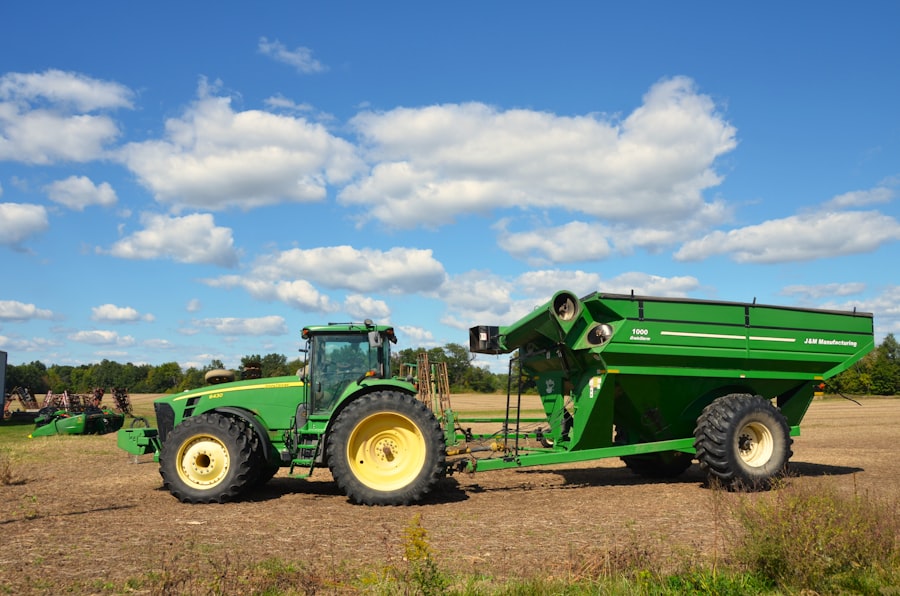
In response to the lessons learned from the Dust Bowl, conservation tillage emerged as a pivotal farming technique aimed at preserving soil health and preventing erosion. This method involves minimizing soil disturbance by reducing the frequency and intensity of tilling. By leaving crop residues on the surface, conservation tillage helps maintain soil structure and moisture levels while also providing a habitat for beneficial organisms.
This practice has gained traction among farmers seeking sustainable solutions to combat soil degradation and enhance productivity. The benefits of conservation tillage extend beyond mere soil preservation. By reducing erosion and improving water retention, this technique can lead to increased crop yields over time.
Additionally, it plays a crucial role in carbon sequestration, helping to mitigate climate change by storing carbon in the soil rather than releasing it into the atmosphere. As farmers increasingly adopt conservation tillage practices, they contribute not only to their own economic viability but also to broader environmental goals.
Crop Rotation and its Role in Combating Soil Erosion
Crop rotation is another essential strategy that has gained prominence in modern agriculture as a means of combating soil erosion and enhancing soil fertility. This practice involves alternating different crops in a specific sequence over time, which helps break pest and disease cycles while improving nutrient availability in the soil. By diversifying crops, farmers can reduce their reliance on chemical fertilizers and pesticides, fostering a more balanced ecosystem.
The impact of crop rotation on soil health is significant. Different plants have varying root structures and nutrient requirements, which can help maintain soil structure and prevent erosion. For instance, deep-rooted crops can help anchor the soil, while legumes can fix nitrogen in the soil, enriching it for subsequent crops.
This holistic approach not only enhances agricultural productivity but also contributes to long-term sustainability by promoting biodiversity and reducing the risk of crop failure due to pests or adverse weather conditions.
The Importance of Cover Crops in Preventing Wind Erosion
| Metric | Dust Bowl Era (1930s) | Modern Farming (2020s) |
|---|---|---|
| Soil Erosion Rate | Up to 25 tons per acre per year | Less than 1 ton per acre per year |
| Crop Yield (Wheat) | 10-15 bushels per acre | 40-60 bushels per acre |
| Use of Cover Crops | Minimal to none | Widely adopted for soil health |
| Soil Conservation Practices | Rarely implemented | Contour plowing, no-till farming, crop rotation |
| Water Usage Efficiency | Low, mostly flood irrigation | High, drip and precision irrigation |
| Impact on Dust Storm Frequency | Severe and frequent dust storms | Significantly reduced due to better practices |
Cover crops have emerged as a vital tool in preventing wind erosion and enhancing soil health in agricultural practices. These crops are planted during off-seasons or between main crop cycles to provide ground cover that protects the soil from wind and water erosion. By maintaining a living root system in the soil year-round, cover crops help improve soil structure and increase organic matter content, which is essential for maintaining fertility.
In addition to their protective role, cover crops offer numerous agronomic benefits.
Furthermore, certain cover crops can fix nitrogen, providing an additional source of nutrients for subsequent cash crops.
As farmers increasingly recognize the multifaceted advantages of cover cropping systems, they are better equipped to combat erosion while simultaneously improving their overall agricultural resilience.
No-Till Farming and its Benefits in Dust Bowl Prevention

No-till farming represents a revolutionary approach that aligns closely with efforts to prevent dust storms akin to those experienced during the Dust Bowl era. By eliminating tillage altogether, this method preserves soil structure and moisture levels while minimizing disturbance to the ecosystem. Farmers who adopt no-till practices often find that their soils become more resilient over time, leading to improved water retention and reduced erosion.
The benefits of no-till farming extend beyond immediate soil health improvements. This technique can significantly reduce labor costs associated with tillage operations while also decreasing fuel consumption and greenhouse gas emissions. As farmers face increasing pressure to adopt sustainable practices amid climate change concerns, no-till farming offers a viable solution that not only protects against erosion but also enhances overall farm profitability.
The Role of Windbreaks in Protecting Soil from Erosion
Windbreaks play a crucial role in protecting agricultural land from wind erosion by acting as barriers that reduce wind speed and turbulence across fields. Typically composed of trees or shrubs planted strategically around farmland, windbreaks can significantly mitigate the impact of strong winds that contribute to dust storms. By creating sheltered microclimates, these natural barriers help maintain soil moisture levels and protect crops from harsh weather conditions.
In addition to their protective function, windbreaks offer numerous ecological benefits. They provide habitat for wildlife, enhance biodiversity, and contribute to carbon sequestration efforts. Farmers who incorporate windbreaks into their land management strategies not only safeguard their crops but also promote environmental stewardship by fostering healthier ecosystems on their farms.
Irrigation Management and Water Conservation in Dust Bowl Areas
Effective irrigation management is paramount in regions historically affected by dust storms and drought conditions. During the Dust Bowl era, inadequate water management exacerbated soil degradation and crop failure. Today, modern irrigation techniques focus on maximizing water efficiency while minimizing waste.
Drip irrigation systems and precision agriculture technologies allow farmers to deliver water directly to plant roots, reducing evaporation losses and ensuring optimal moisture levels for crops. Water conservation practices are essential for sustaining agricultural productivity in arid regions prone to drought. Techniques such as rainwater harvesting and soil moisture monitoring enable farmers to make informed decisions about irrigation scheduling and water usage.
By adopting these practices, farmers can enhance their resilience against climate variability while contributing to broader efforts aimed at conserving precious water resources.
The Use of Sustainable Farming Practices to Combat the Dust Bowl
Sustainable farming practices have gained prominence as effective strategies for combating issues reminiscent of the Dust Bowl era. These practices prioritize environmental health while ensuring economic viability for farmers. Techniques such as agroforestry, organic farming, and integrated pest management promote biodiversity and reduce reliance on synthetic inputs that can harm ecosystems.
By embracing sustainable methods, farmers can build resilience against climate change impacts while improving soil health and productivity over time. These practices not only address immediate concerns related to erosion and degradation but also foster long-term sustainability by promoting regenerative agriculture principles that restore ecosystems rather than deplete them.
Government Programs and Policies to Support Dust Bowl Prevention
Recognizing the lessons learned from the Dust Bowl, government programs have been established to support farmers in adopting sustainable practices aimed at preventing similar disasters in the future. Initiatives such as conservation programs through agencies like the Natural Resources Conservation Service (NRCS) provide financial assistance and technical guidance for implementing practices like cover cropping, no-till farming, and irrigation management. Additionally, policies promoting research into innovative agricultural techniques play a vital role in advancing sustainable farming practices.
By investing in education and outreach programs that inform farmers about best practices for soil conservation and water management, governments can empower agricultural communities to adopt strategies that protect against erosion while enhancing productivity.
The Future of Modern Farming Techniques in Combatting the Dust Bowl
As modern agriculture continues to evolve in response to environmental challenges reminiscent of the Dust Bowl era, innovative farming techniques offer hope for a more sustainable future. Practices such as conservation tillage, crop rotation, cover cropping, no-till farming, windbreaks, and effective irrigation management collectively contribute to building resilience against soil erosion and degradation. The lessons learned from history underscore the importance of responsible land stewardship and sustainable practices in ensuring food security while protecting natural resources for future generations.
By embracing these modern techniques and supporting policies that promote sustainable agriculture, farmers can work towards preventing another disaster akin to the Dust Bowl while fostering healthier ecosystems that benefit both agriculture and society at large.
The Dust Bowl era significantly impacted modern farming practices, leading to innovations in soil conservation and sustainable agriculture. For a deeper understanding of how these historical events shaped contemporary farming techniques, you can read more in this related article: Dust Bowl and Modern Farming. This article explores the lessons learned from the Dust Bowl and how they continue to influence agricultural methods today.
FAQs
What was the Dust Bowl?
The Dust Bowl was a period during the 1930s characterized by severe dust storms and soil erosion in the central United States, primarily affecting the Great Plains. It was caused by a combination of drought and poor farming practices that left the soil exposed and vulnerable to wind erosion.
How did the Dust Bowl impact farming?
The Dust Bowl devastated farmland, leading to massive crop failures and loss of topsoil. Many farmers lost their livelihoods, and large areas of farmland became unusable. It highlighted the need for better soil conservation and sustainable farming methods.
What modern farming practices help prevent a Dust Bowl-like event?
Modern farming incorporates soil conservation techniques such as crop rotation, contour plowing, no-till farming, cover cropping, and maintaining vegetation buffers. These practices help reduce soil erosion, improve soil health, and retain moisture, preventing conditions that could lead to dust storms.
How has technology improved soil management since the Dust Bowl?
Advancements such as GPS-guided equipment, soil moisture sensors, and precision agriculture allow farmers to monitor and manage soil conditions more effectively. These technologies help optimize irrigation, reduce over-plowing, and maintain soil integrity.
Are there government programs to support sustainable farming post-Dust Bowl?
Yes, various government programs, such as those run by the USDA, promote soil conservation and sustainable agriculture. These include financial incentives for conservation practices, technical assistance, and education to help farmers adopt modern, environmentally friendly methods.
Can modern farming completely eliminate the risk of another Dust Bowl?
While modern farming practices significantly reduce the risk of severe soil erosion and dust storms, factors like extreme drought and climate change can still pose challenges. Continuous innovation and adherence to sustainable practices are essential to minimize such risks.
What lessons did the Dust Bowl teach about environmental stewardship?
The Dust Bowl underscored the importance of responsible land management, the dangers of over-farming, and the need for conservation. It taught that human activities can drastically impact the environment and that sustainable practices are vital for long-term agricultural productivity.