
The Mississippi River, a colossal artery of commerce for the United States, is experiencing significant shipping delays. This vital waterway, often described as the nation’s “economic backbone,” is currently grappling with a confluence of factors that are disrupting the seamless flow of goods. These disruptions, far from being mere inconveniences, carry profound economic consequences, rippling across industries and impacting consumers nationwide. Understanding the scope and implications of these delays is crucial for anyone invested in the health of the American economy.
The Mississippi River’s capacity to transport goods is immense. Barges, the workhorses of this inland navigation system, can carry the equivalent of hundreds of train cars or thousands of trucks. This efficiency, however, is being challenged by a series of environmental and operational hurdles.
Drought Conditions and Low Water Levels
The most prominent driver of recent delays has been persistent drought conditions across portions of the Mississippi River Basin. As the water levels recede, the once-generous channels narrow, creating navigational hazards.
Impact on Barge Draft
Barges must maintain a certain “draft” – the depth to which they are submerged – to navigate safely. Low water levels necessitate lighter loads, meaning fewer goods can be transported per barge trip. This directly translates to an increased number of barge trips needed to move the same volume of cargo, thereby stretching transit times. Imagine trying to push a heavily laden ship through a shallow creek; the effort is immense, and the progress is painstakingly slow.
Dredging Efforts and Their Limitations
In response to low water, the U.S. Army Corps of Engineers intensifies dredging operations. Dredging involves removing sediment from the riverbed to maintain or deepen navigation channels. However, the scale of the problem often outstrips the capacity of these efforts. Continuous dredging is a costly and labor-intensive undertaking, and in severe drought years, the river’s natural tendency to silt up can overcome the progress made.
Ice Formation and Winter Weather
As the year progresses into colder months, another set of challenges emerges: ice. Ice formation on the Mississippi can halt barge traffic entirely as the floes become too dangerous to navigate.
Navigation Restrictions and Closures
During periods of significant ice accumulation, navigation channels may be restricted or completely closed. Icebreakers, specialized vessels designed to clear a path through frozen waterways, are deployed, but their effectiveness is limited in heavy ice conditions. The river essentially freezes over, becoming an impassable barrier, much like a road closed due to a snowstorm.
Extended Transit Times
Even when navigation is possible, the presence of ice significantly slows down barge speeds. Barges must navigate carefully, often pushing through slush and smaller ice floes, adding hours and even days to journey times.
Lock and Dam Operations
The Mississippi River system relies on a network of locks and dams to control water levels and facilitate navigation. These structures are critical for moderating the river’s flow and allowing vessels to ascend or descend elevation changes.
Maintenance and Repair Schedules
Like any infrastructure, locks and dams require regular maintenance and occasional repairs. When a lock is taken offline for scheduled maintenance, it creates a bottleneck. Barges must wait their turn to pass through the operable locks, leading to significant delays and congestion. Think of a busy highway where one lane is suddenly closed for construction; traffic grinds to a halt.
Unforeseen Mechanical Failures
Beyond scheduled maintenance, unforeseen mechanical failures at lock and dam facilities can also severely disrupt shipping. A breakdown can lead to prolonged closures, impacting traffic upstream and downstream as vessels accumulate. The intricate machinery of these locks is susceptible to wear and tear, and a single malfunctioning component can cascade into system-wide delays.
Shipping delays along the Mississippi River have significant economic implications, affecting not only local businesses but also the broader supply chain. A related article that delves into the economic costs associated with these delays can be found at MyGeoQuest. This resource provides insights into how disruptions in river transport impact various industries, highlighting the need for efficient logistics and infrastructure improvements to mitigate these challenges.
The Economic Ripple Effect: Impact on Industries
The delays on the Mississippi River are not isolated incidents affecting only the shipping companies. Their economic repercussions are felt across a wide spectrum of industries that rely on this crucial transportation corridor.
Agriculture and Food Production
The agricultural sector is one of the most heavily impacted. A significant portion of U.S. grain exports, including corn, soybeans, and wheat, travels down the Mississippi to global markets.
Export Delays and Market Access
When barge traffic is slowed, U.S. agricultural products are delayed in reaching international buyers. This can result in lost sales, diminished market share, and potentially lower prices for farmers as they are forced to sell their harvests domestically at less favorable rates. The global food supply chain is a finely tuned orchestra; any disruption in a major instrument, like the Mississippi River, throws the entire performance into disarray.
Increased Input Costs for Farmers
Furthermore, delays can affect the timely delivery of agricultural inputs, such as fertilizer and pesticides. If these essential supplies are held up on the river, farmers may face challenges in applying them when needed for optimal crop growth, potentially impacting yields.
Energy Sector and Fuel Distribution
The Mississippi River is also a vital conduit for the transportation of crude oil, refined petroleum products, and coal.
Fuel Supply Chain Disruptions
Delays in delivering these energy sources can lead to localized fuel shortages and price increases. Refiners may face disruptions in their crude oil supply, impacting their production schedules. Similarly, power plants relying on coal transported via barge can experience shortages, potentially leading to concerns about energy reliability.
Impact on Natural Gas Deliveries
While less direct, disruptions on the Mississippi can indirectly affect the natural gas market by influencing the availability of other energy sources, or by impacting the logistics of equipment used in the extraction and transportation of natural gas.
Manufacturing and Industrial Goods
A vast array of manufactured goods, from automobiles and machinery to chemicals and raw materials, moves along the Mississippi.
Supply Chain Fragility Exposed
The delays highlight the vulnerability of complex manufacturing supply chains. When components or finished products are delayed, production lines can be idled. This leads to increased manufacturing costs, extended lead times for consumers, and potential loss of business to competitors in regions with more reliable logistics. The intricate web of modern manufacturing depends on the predictable delivery of its threads; a snapped thread on the Mississippi can unravel a significant portion of that tapestry.
Increased Inventory Costs
To mitigate the risk of delays, manufacturers may opt to hold larger inventories, which ties up capital and increases storage costs. This is a reactive measure, a costly insurance policy against the unreliability of the transportation route.
Consumer Impact: The Hidden Costs of Delay

While industries bear the brunt of increased operational expenses, the ultimate cost of Mississippi River shipping delays often trickles down to the consumer in ways that are not always immediately apparent.
Rising Prices at the Pump and in Grocery Stores
When fuel and food transportation are disrupted, consumers are likely to see higher prices. This is a direct consequence of increased shipping costs, potential shortages, and the general inefficiency introduced into the supply chain. The price of a gallon of gas or a loaf of bread becomes a subtle reflection of the river’s struggles.
Limited Availability of Goods
In some cases, consistent delays can lead to temporary shortages of certain goods. If a product relies on components or raw materials that are consistently held up on the river, its availability in stores can be affected. This is particularly true for seasonal goods or products with tight production schedules.
Extended Wait Times for Purchases
Consumers looking to purchase vehicles, large appliances, or other goods that are transported via river and then by other means may experience longer wait times. The journey from production to the showroom floor is now a more circuitous and unpredictable route.
Long-Term Economic Ramifications and Policy Implications
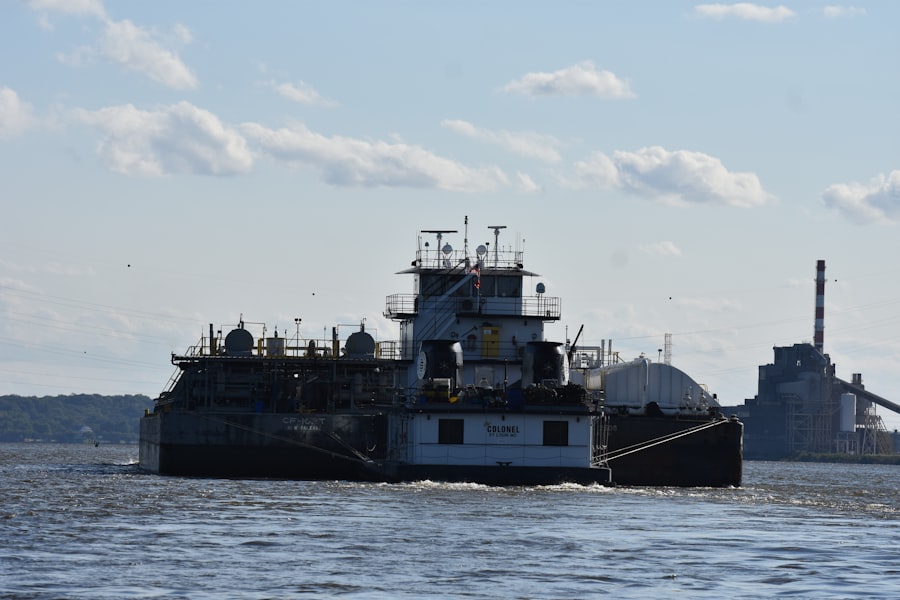
The recurring nature of these shipping delays, particularly those driven by environmental factors like drought, raises questions about the long-term economic sustainability of relying so heavily on this waterway without significant infrastructure investment and adaptive strategies.
Investment in Infrastructure Modernization
The current challenges underscore the urgent need for continued investment in the modernization of the Mississippi River’s lock and dam system, as well as ongoing dredging operations. Upgrades to aging infrastructure can improve efficiency and resilience against operational disruptions. This is akin to a city investing in its aging water mains; the immediate cost is significant, but the long-term benefit is ensuring a reliable supply for its citizens.
Climate Change Adaptation Strategies
The increasing frequency and intensity of drought conditions, widely attributed to climate change, necessitate proactive adaptation strategies. This could include exploring water management techniques, developing alternative transportation routes, or investing in technologies that allow for more efficient navigation in lower water conditions. Facing arid stretches on the river requires foresight and a willingness to adapt with innovative solutions.
Diversification of Transportation Networks
While the Mississippi is unparalleled in its capacity, an over-reliance on a single transportation artery creates systemic risk. Exploring and enhancing alternative transportation networks, such as rail and roadways, can provide crucial backups and reduce the impact of disruptions on the river. This is about building a diversified portfolio of transportation options, so that if one investment underperforms, others can help offset the losses.
Economic Resilience and National Security
The ability of the U.S. economy to function smoothly is intrinsically linked to the efficient movement of goods. Disruptions on vital waterways like the Mississippi can have broader implications for national security, impacting everything from military supply chains to the availability of essential goods for the population. The river’s smooth flow is not just an economic engine; it is a component of national stability.
The recent shipping delays along the Mississippi River have raised concerns about their economic impact on various industries that rely on this vital waterway for transportation. A related article discusses how these disruptions can lead to increased costs for businesses and consumers alike, highlighting the ripple effects on the supply chain. For more insights on this pressing issue, you can read the full article here. Understanding the economic ramifications of these delays is crucial for stakeholders who depend on timely deliveries and efficient logistics.
Conclusion: Navigating Towards a More Resilient Future
| Metric | Value | Unit | Notes |
|---|---|---|---|
| Average Shipping Delay | 3.5 | Days | Typical delay during peak congestion periods |
| Annual Economic Cost | 300 | Million | Estimated cost due to delays and disruptions |
| Number of Vessels Delayed | 1200 | Vessels per year | Includes barges and towboats |
| Average Cost per Day of Delay | 85,000 | Per vessel | Costs include fuel, labor, and lost productivity |
| Impact on Agricultural Exports | 15 | Percent reduction | Due to shipping delays affecting delivery schedules |
The Mississippi River is a national treasure, a critical component of the American economic engine. The current shipping delays, fueled by a complex interplay of environmental and operational challenges, serve as a stark reminder of its importance and its vulnerabilities. The economic consequences are far-reaching, impacting industries, consumers, and the broader national economy.
Addressing these challenges requires a multi-pronged approach. It demands sustained investment in infrastructure, innovative strategies for climate change adaptation, and a commitment to diversifying our transportation networks. By recognizing the critical role of this great river and proactively addressing the issues that hinder its flow, the United States can ensure its continued function as a reliable and robust artery of commerce for generations to come. The future of American commerce flows, in large part, down this mighty river, and its continued health is essential for the nation’s prosperity.
WATCH NOW ▶️ SHOCKING: Mississippi: The $12 Trillion Lie Revealed
FAQs
What are the main causes of shipping delays on the Mississippi River?
Shipping delays on the Mississippi River are primarily caused by low water levels, infrastructure issues such as aging locks and dams, and increased traffic congestion. Seasonal weather patterns and maintenance work can also contribute to delays.
How do shipping delays on the Mississippi River impact the economy?
Delays increase transportation costs, disrupt supply chains, and lead to higher prices for goods. Industries reliant on river transport, such as agriculture, manufacturing, and energy, may experience reduced efficiency and profitability, which can ripple through the broader economy.
Which industries are most affected by Mississippi River shipping delays?
Agriculture, particularly grain and soybean producers, is heavily impacted since the river is a key route for exporting crops. The energy sector, including coal and petroleum products, as well as manufacturing industries that depend on raw materials transported via the river, also face significant challenges.
What measures are being taken to reduce shipping delays on the Mississippi River?
Efforts include infrastructure upgrades like lock and dam repairs, dredging to maintain navigable water depths, investment in alternative transportation modes, and improved traffic management systems. Federal and state agencies collaborate to address these issues and enhance river navigation.
How significant is the economic cost of shipping delays on the Mississippi River?
The economic cost is substantial, with delays leading to billions of dollars in lost productivity, increased shipping expenses, and supply chain disruptions annually. These costs affect not only local economies but also national and international trade due to the river’s role as a major transportation artery.