
The Mississippi River, often referred to as the lifeblood of the American heartland, plays a crucial role in both agriculture and commerce. Spanning over 2,300 miles, it serves as a natural artery that connects various states, facilitating the movement of goods and resources. The river’s extensive network of tributaries and its fertile floodplains create an ideal environment for agriculture, making it one of the most productive farming regions in the United States.
Crops such as corn, soybeans, and wheat thrive in the rich soils nourished by the river’s seasonal floods, which deposit nutrient-rich silt across vast expanses of farmland. In addition to its agricultural significance, the Mississippi River is a vital commercial waterway. It supports a bustling shipping industry that transports millions of tons of cargo each year.
Barges laden with agricultural products, coal, and other goods traverse its waters, connecting rural producers with urban markets. This transportation network not only bolsters local economies but also contributes to the national economy by ensuring that essential goods reach consumers efficiently. The river’s importance cannot be overstated; it is a critical component of the United States’ infrastructure, linking agricultural heartlands to global markets.
Key Takeaways
- The Mississippi River is crucial for agriculture, commerce, and food supply in the region.
- Drought conditions threaten crop production, farmer livelihoods, and the overall agricultural industry.
- Economic consequences of drought include potential increases in food prices and reduced availability.
- Government agencies and conservation efforts play key roles in mitigating drought impacts and promoting sustainable water use.
- Long-term solutions and public awareness are essential for effective Mississippi River management and drought resilience.
The Impact of Drought on the Mississippi River and Surrounding Areas
Drought conditions have increasingly threatened the Mississippi River and its surrounding areas, leading to significant ecological and economic repercussions. When rainfall is scarce, water levels in the river drop, affecting navigation and the ability of barges to transport goods. Shallow waters can hinder shipping operations, leading to delays and increased transportation costs.
This disruption not only impacts farmers who rely on timely shipments of their products but also affects industries that depend on raw materials transported via the river. Moreover, drought can exacerbate existing environmental challenges along the Mississippi River. Lower water levels can lead to increased salinity in certain areas, affecting aquatic ecosystems and the species that inhabit them.
Fish populations may decline due to altered habitats, while other wildlife that depends on the river for sustenance may struggle to survive. The interconnectedness of the river’s ecosystem means that drought can have far-reaching consequences, impacting not just agriculture and commerce but also biodiversity and environmental health.
Threats to Crop Production and Food Supply
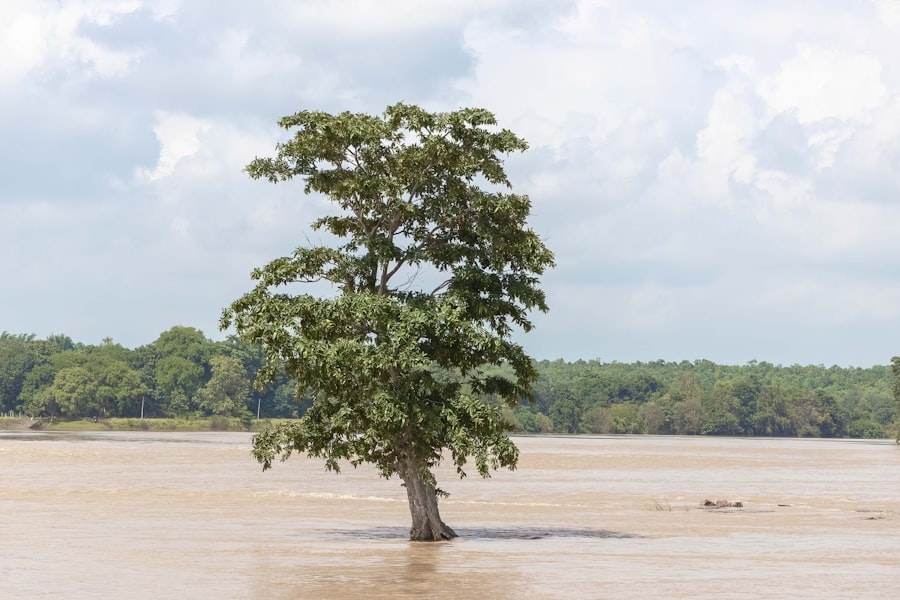
The threats posed by drought extend beyond immediate agricultural challenges; they also jeopardize food supply chains. As water becomes scarce, farmers face difficulties in irrigating their crops, leading to reduced yields and lower quality produce. This decline in agricultural output can create a ripple effect throughout the food supply chain, resulting in shortages and increased prices for consumers.
The reliance on irrigation systems further complicates matters, as many farmers may find themselves unable to access sufficient water resources during prolonged dry spells. Additionally, drought can lead to crop failures that have long-term implications for food security. With fewer crops available for harvest, not only do farmers suffer financially, but consumers may also experience limited access to essential food items.
This situation can disproportionately affect low-income families who already struggle to afford nutritious food. The potential for increased food prices due to reduced supply can exacerbate existing inequalities within communities, highlighting the urgent need for effective water management strategies.
Challenges for Farmers and Agricultural Industry
Farmers face a myriad of challenges during drought conditions that extend beyond mere crop production. The financial strain of reduced yields can be overwhelming, forcing many to make difficult decisions regarding their operations.
This shift can disrupt traditional farming practices and alter local agricultural landscapes over time. Moreover, the agricultural industry as a whole grapples with the implications of drought on supply chains and market stability. As farmers struggle with diminished outputs, the entire ecosystem—from seed suppliers to distributors—feels the impact.
Increased competition for limited resources can drive up prices for inputs such as fertilizers and seeds, further straining farmers’ budgets. The cumulative effect of these challenges can lead to a cycle of uncertainty that threatens the viability of farming as a sustainable livelihood.
Potential Economic Consequences of the Drought
| Metric | Impact Description | Data/Value | Source/Year |
|---|---|---|---|
| Crop Yield Reduction | Decrease in corn and soybean yields due to reduced water availability | Up to 20% reduction in affected areas | USDA, 2023 |
| Navigation Disruptions | Lower river levels causing delays in barge transportation of agricultural goods | 30-40% increase in shipping times | Army Corps of Engineers, 2023 |
| Water Availability for Irrigation | Reduced water supply for irrigation impacting crop growth | 15% decrease in irrigation water usage | USGS, 2023 |
| Food Price Inflation | Increase in prices of staple crops due to supply constraints | 5-10% price increase in corn and soybeans | USDA Economic Research Service, 2023 |
| Livestock Feed Shortage | Reduced availability of feed grains leading to higher feed costs | 10% increase in feed prices | Farm Bureau, 2023 |
The economic consequences of drought extend far beyond individual farms; they ripple through local economies and even national markets. As agricultural production declines, rural communities that depend on farming for their livelihoods may experience job losses and reduced economic activity. Businesses that cater to farmers—such as equipment suppliers and local service providers—may also suffer from decreased demand, leading to broader economic downturns in affected regions.
On a national scale, reduced agricultural output can lead to increased food prices, impacting consumers across the country. Higher prices for staple crops like corn and soybeans can translate into elevated costs for processed foods and livestock feed, ultimately affecting grocery bills for families everywhere. The interconnected nature of modern agriculture means that drought-induced disruptions can have far-reaching implications for food availability and affordability.
Efforts to Mitigate the Effects of Drought on the Mississippi River

In response to the growing threat of drought, various stakeholders have initiated efforts aimed at mitigating its effects on the Mississippi River and surrounding agricultural areas. One approach involves investing in advanced irrigation technologies that enhance water efficiency for farmers. By adopting precision agriculture techniques, farmers can optimize their water usage while minimizing waste, ensuring that crops receive adequate hydration even during dry spells.
Additionally, conservation practices such as cover cropping and soil health management are gaining traction among farmers seeking to build resilience against drought conditions. These practices not only improve soil structure and moisture retention but also contribute to overall ecosystem health. By fostering a more sustainable approach to agriculture, farmers can better withstand the challenges posed by climate variability while maintaining productivity.
The Role of Government and Agencies in Addressing the Drought
Government agencies play a pivotal role in addressing drought-related challenges along the Mississippi River. Federal and state programs often provide financial assistance to farmers affected by drought conditions, helping them recover from losses and invest in more resilient practices. Additionally, agencies such as the U.S.
Army Corps of Engineers work to manage water levels in the river through infrastructure projects aimed at flood control and navigation support. Collaboration between government entities and local organizations is essential for developing comprehensive drought response strategies. By pooling resources and expertise, stakeholders can implement initiatives that promote sustainable water management practices while supporting agricultural communities.
The Importance of Water Conservation and Sustainable Agriculture Practices
Water conservation is paramount in addressing the challenges posed by drought along the Mississippi River. Implementing sustainable agriculture practices not only helps farmers adapt to changing climate conditions but also preserves vital water resources for future generations. Techniques such as rainwater harvesting, efficient irrigation systems, and crop rotation contribute to more responsible water use while enhancing soil health.
Moreover, educating farmers about sustainable practices is crucial for fostering a culture of conservation within agricultural communities. Workshops and training programs can empower farmers with knowledge about innovative techniques that promote resilience against drought while maintaining productivity. By prioritizing sustainability, farmers can contribute to a healthier ecosystem while ensuring their livelihoods remain viable in an uncertain climate.
The Need for Long-term Solutions to Address Drought and Water Management
Addressing drought along the Mississippi River requires long-term solutions that prioritize effective water management strategies. Policymakers must consider comprehensive approaches that integrate climate science with agricultural practices to develop resilient systems capable of withstanding future challenges. This includes investing in infrastructure improvements that enhance water storage capacity and promote efficient distribution networks.
Furthermore, fostering collaboration among stakeholders—ranging from farmers to environmental organizations—can lead to innovative solutions that address both agricultural needs and ecological health. By engaging diverse perspectives in decision-making processes, communities can develop adaptive strategies that ensure sustainable water management while supporting local economies.
The Potential Impact on Food Prices and Availability
The potential impact of drought on food prices and availability cannot be underestimated. As crop yields decline due to insufficient water resources, consumers may face rising prices for essential food items. This situation is particularly concerning for low-income households that already struggle with food insecurity; increased costs can further limit access to nutritious options.
Moreover, fluctuations in food availability can disrupt supply chains, leading to shortages in grocery stores and increased competition among consumers for limited resources. The interconnected nature of modern agriculture means that localized drought conditions can have cascading effects on national markets, underscoring the importance of proactive measures to mitigate these risks.
The Importance of Public Awareness and Support for Mississippi River Conservation and Management
Public awareness plays a critical role in fostering support for conservation efforts along the Mississippi River. Educating communities about the importance of this vital waterway not only highlights its significance for agriculture and commerce but also emphasizes its ecological value. Engaging citizens through outreach programs can inspire collective action toward preserving this essential resource.
Support for conservation initiatives is crucial for ensuring sustainable management practices are implemented effectively. By advocating for policies that prioritize water conservation and responsible land use, individuals can contribute to a healthier Mississippi River ecosystem while safeguarding agricultural productivity for future generations. Ultimately, fostering public awareness is key to building a resilient future for both the river and those who depend on it.
The ongoing drought affecting the Mississippi River has raised significant concerns about its impact on the food supply, particularly in relation to agricultural transportation and crop yields. For a deeper understanding of how these environmental changes are influencing food systems, you can read more in this related article on MyGeoQuest: Mississippi River Drought and Food Supply.
FAQs
What is the Mississippi River drought?
The Mississippi River drought refers to a period of significantly reduced water levels in the Mississippi River, often caused by below-average rainfall and high temperatures. This drought can affect navigation, agriculture, and water supply along the river.
How does the Mississippi River drought impact the food supply?
The drought reduces water levels, making it difficult for barges to transport agricultural goods such as corn, soybeans, and wheat. This disruption can delay shipments, increase transportation costs, and ultimately affect the availability and prices of food products.
Which agricultural products are most affected by the Mississippi River drought?
Corn, soybeans, wheat, and other grains that are commonly transported via barges on the Mississippi River are most affected. These crops are critical components of the food supply chain and livestock feed.
Why is the Mississippi River important for food transportation?
The Mississippi River is a major transportation route for agricultural commodities. Barges can move large quantities of goods efficiently and cost-effectively from farms in the Midwest to ports for export or to processing facilities.
What are the economic consequences of the Mississippi River drought on food supply?
Lower water levels can lead to increased transportation costs, supply chain delays, and higher prices for food products. Farmers and exporters may face financial losses due to difficulties in moving their goods.
Are there any long-term effects of the Mississippi River drought on food security?
Prolonged or repeated droughts can disrupt planting and harvesting schedules, reduce crop yields, and increase volatility in food prices, potentially impacting food security in affected regions.
What measures are taken to mitigate the impact of the Mississippi River drought on food supply?
Measures include using alternative transportation methods like rail and trucks, adjusting shipping schedules, dredging to maintain navigable channels, and implementing water management strategies to conserve river flow.
How does climate change relate to the Mississippi River drought?
Climate change can contribute to more frequent and severe droughts by altering precipitation patterns and increasing temperatures, which can exacerbate low water levels in the Mississippi River and impact the food supply chain.
Can the Mississippi River drought affect global food markets?
Yes, since the Mississippi River is a key route for exporting U.S. agricultural products, disruptions can affect global supply and prices, influencing food markets worldwide.
Where can I find updates on the Mississippi River drought and its impact?
Updates can be found through government agencies such as the U.S. Army Corps of Engineers, the U.S. Department of Agriculture, and environmental monitoring organizations, as well as news outlets covering agriculture and environmental issues.