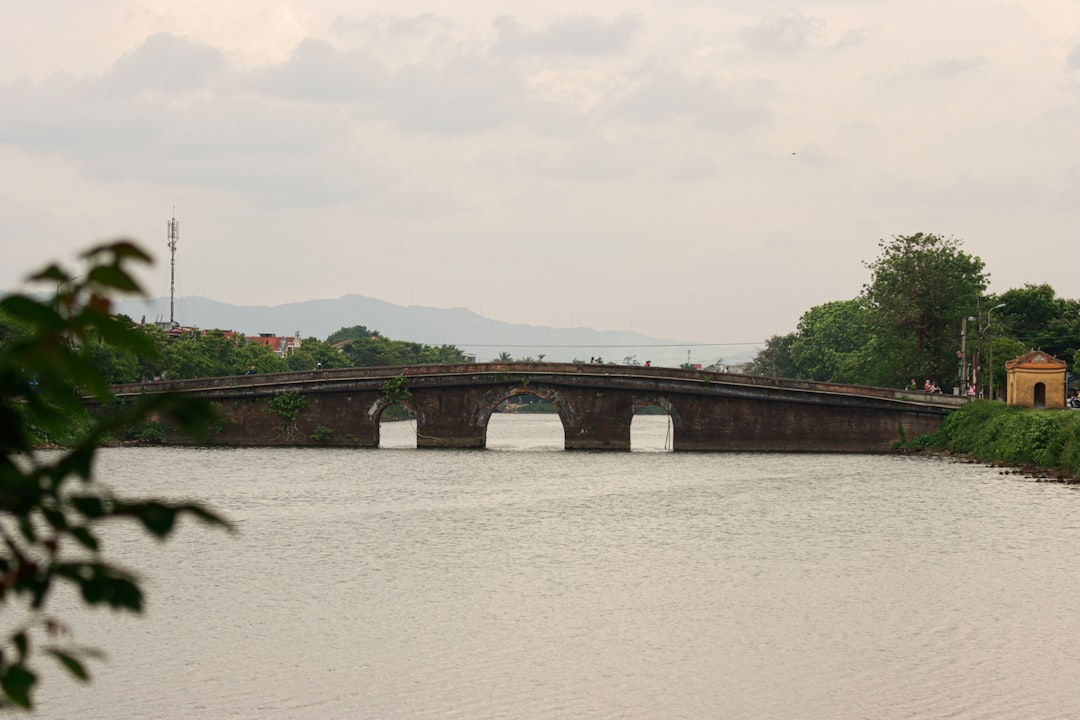
The Mekong River Commission (MRC) finds itself navigating treacherous waters as it seeks to assert its influence and address the multifaceted challenges posed by China’s upstream dam construction and water management policies. This transnational river basin, a vital artery for millions across Southeast Asia, has become a focal point of contention, with the MRC frequently feeling like a small boat attempting to steer a supertanker. Understanding the complexities of this dynamic requires delving into the MRC’s mandate, the scope of China’s influence, and the persistent disagreements that strain regional cooperation.
The Mekong River Commission, established in 1995 through the Mekong Agreement, operates with the declared purpose of promoting and coordinating sustainable development, utilization, conservation, and management of the Delta’s water and related resources. Its member states – Cambodia, Laos, Thailand, and Vietnam – have committed to this framework, acknowledging the shared destiny of the river’s flow.
A Foundation Built on Cooperation
The MRC’s charter is built upon the principle of sovereign equality and the recognition that the Mekong’s waters transcend national borders. It aims to be a platform for data sharing, joint planning, and dispute resolution, fostering a collaborative environment for managing a shared resource.
The Shadow of Sovereignty
However, the MRC’s effectiveness is inherently limited by the principles of state sovereignty. While the MRC can facilitate dialogues and provide recommendations, it lacks enforcement powers. Member states retain ultimate control over their national territories and the water resources within them. This inherent limitation becomes particularly apparent when dealing with upstream nations, like China, which are not signatories to the MRC Agreement, despite controlling the headwaters of the river.
The Data Deficit: A Persistent Blind Spot
A core challenge for the MRC is the persistent deficit in reliable and timely hydrological data from China. The MRC primarily relies on data from its Lower Mekong Initiative (LMI) countries. China, though it has initiated some data sharing initiatives, largely operates independently, leaving the MRC and its member states with an incomplete picture of upstream flows, reservoir operations, and their profound impacts downstream. This lack of transparency is akin to navigating a ship without a radar; crucial information is missing, making informed decision-making exceedingly difficult.
The ongoing tensions between the Mekong River Commission and China regarding water management and environmental concerns have been a focal point in regional discussions. For a deeper understanding of the implications of these disputes, you can read a related article that explores the geopolitical dynamics and environmental challenges faced by the Mekong River basin. For more information, visit this article.
China’s Upstream Dominance: A Hydro-Geopolitical Shift
China’s extensive network of hydropower dams along the Upper Mekong, known as the Lancang River, has fundamentally altered the river’s natural hydrology. These projects, driven by domestic energy demands and national development strategies, have shifted the balance of power in the basin and presented the MRC with its most significant challenge.
The Great Wall of Dams: Powering China’s Growth
Beginning in the late 20th century, China embarked on an ambitious dam-building spree on the Lancang River. Projects like the Xiaowan, Gadong, and Gongguotou dams have transformed numerous rapids and cataracts into placid reservoirs, generating vast amounts of electricity. This endeavor, while contributing to China’s economic development, has had a tangible and often detrimental impact on the natural flow of the Mekong downstream.
The Strategic Implications of Water Control
Beyond energy generation, China’s control over the Lancang has significant strategic implications. The ability to regulate or withhold water flows provides Beijing with a degree of leverage in regional diplomacy. This leverage can be amplified during times of drought or inter-state disputes, creating an asymmetrical power dynamic that the MRC struggles to address.
The Disconnect: China’s Absence from the MRC Framework
Crucially, China is not a member of the Mekong River Commission. This absence is a fundamental obstacle, akin to a vital organ being missing from the body of the commission. While China participates in some MRC-led dialogues and has engaged in ad-hoc data sharing, its non-membership means it is not bound by the principles of the 1995 Mekong Agreement, significantly limiting the MRC’s ability to influence China’s water management decisions.
The Cascading Impacts: Environmental and Socio-Economic Toll

The altered flow regimes and changes in sediment transport caused by China’s dams have precipitated a cascade of environmental and socio-economic consequences for the downstream riparian states, directly undermining the MRC’s goals of sustainable development.
Droughts and Floods: A Double-Edged Sword
While dams are often envisioned to regulate water, the operation of China’s cascade of dams has been implicated in both exacerbated droughts and increased flood risks downstream. During dry seasons, reservoirs can be used to store water, but upstream decisions to retain water for power generation can lead to significantly reduced flows in the lower reaches, impacting agriculture, fisheries, and navigation. Conversely, sudden releases from these dams, sometimes to manage reservoir levels during monsoon seasons, can contribute to downstream flooding. The MRC has repeatedly highlighted how dam operations can exacerbate natural variability, making the livelihoods of millions precariously dependent on decisions made far upstream.
The Vanishing Sediment: Starving the Delta
The Mekong Delta, the agricultural heartland of Vietnam and a critical ecosystem for biodiversity and food security across the region, is heavily reliant on the annual sediment load carried by the river. Dams act as sediment traps, capturing silt and nutrients that would otherwise nourish the delta. This ‘sediment starvation’ leads to delta erosion, saltwater intrusion, and a decline in soil fertility, threatening agricultural productivity and the very existence of this vital region. The MRC’s studies have repeatedly underscored this critical environmental degradation.
The Silent Crisis of Fisheries: A Depleted Bounty
The Mekong River basin is home to one of the world’s most biodiverse freshwater fisheries, providing a crucial source of protein and income for millions. Dam construction alters river flow, inundates habitats, blocks fish migration routes, and disrupts breeding grounds. The upstream dams, by reducing flow variability and trapping sediment, have had a significant impact on fish populations. This has led to a decline in catches, threatening food security and the economic well-being of fishing communities, a situation the MRC has flagged as a significant concern.
The MRC’s Diplomatic Gambit: Navigating the Geopolitical Currents
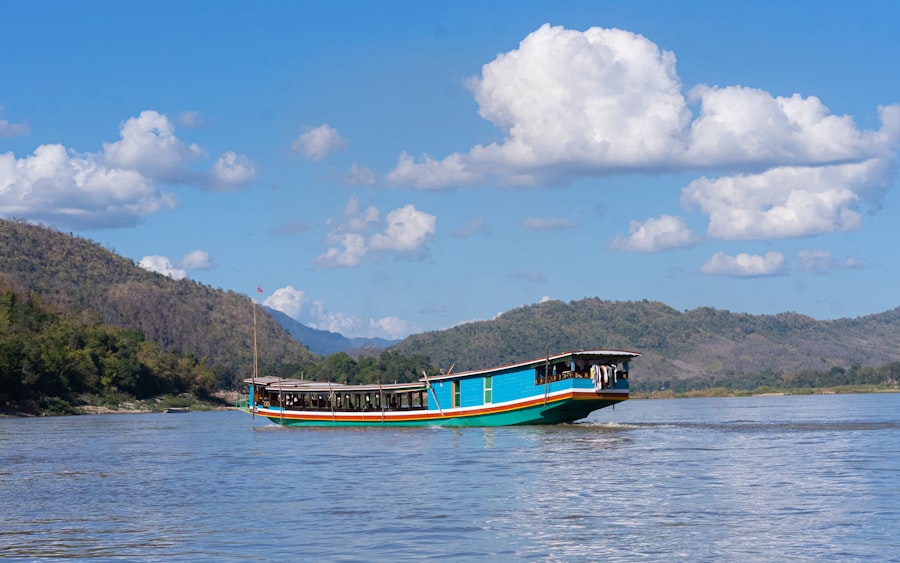
Faced with China’s unyielding presence and the profound impacts on its member states, the MRC has adopted a multi-pronged diplomatic strategy, attempting to leverage its mandate for dialogue and data-driven advocacy.
The Power of Persuasion: Dialogue and Data-Driven Advocacy
The MRC’s primary tool remains persuasion. It convenies regular dialogues with China, including Joint Coordination Committees and high-level visits, to present research findings and express concerns. The commission emphasizes the benefits of regional cooperation and the shared responsibility for managing the Mekong’s waters. Data, collected through its own monitoring stations and research, forms the bedrock of its advocacy.
The ‘China Factor’ in Regional Forums
The MRC actively seeks to integrate the ‘China factor’ into broader regional and international forums. This includes engagement with ASEAN (Association of Southeast Asian Nations) mechanisms and international development partners. By raising awareness and building consensus among a wider group of stakeholders, the MRC aims to create a more supportive environment for its advocacy efforts.
The Struggle for Influence: A David and Goliath Narrative
Despite its efforts, the MRC often finds itself in a David and Goliath narrative when negotiating with China. The sheer economic and political weight of China, coupled with its upstream control, often overshadows the MRC’s reasoned arguments and data. The commission’s influence is more akin to a persistent whisper in a storm than a powerful pronouncement.
The ongoing tensions between the Mekong River Commission and China have raised significant concerns about water management and environmental sustainability in the region. A recent article discusses the implications of China’s dam-building projects on the Mekong River’s ecosystem and the livelihoods of millions who depend on its resources. For more insights on this critical issue, you can read the article here. The situation highlights the need for cooperative approaches to ensure the river’s health and the well-being of the communities that rely on it.
The Uncertain Future: Pathways to Enhanced Cooperation
| Aspect | Mekong River Commission (MRC) | China |
|---|---|---|
| Member Countries | Cambodia, Laos, Thailand, Vietnam | Not a member |
| Established | 1995 | N/A |
| Purpose | Cooperative management and sustainable development of the Mekong River | National development and control of upper Mekong (Lancang) resources |
| Data Sharing | Regular hydrological data sharing among members | Limited data sharing, mainly during flood season |
| Hydropower Development | Focus on sustainable and coordinated development | Extensive dam construction on upper Mekong (Lancang) |
| Environmental Impact Monitoring | Comprehensive monitoring and impact assessments | Limited public environmental impact data |
| Influence on Lower Mekong Flow | Dependent on upstream management and cooperation | Significant control due to upstream dams |
| Dispute Resolution Mechanism | Formal mechanisms within MRC framework | No formal dispute resolution with MRC |
The challenges the MRC faces are considerable, but its continued existence and efforts are crucial for ensuring a degree of regional stewardship over the Mekong. Finding pathways to enhanced cooperation with China, while respecting national sovereignty, remains the paramount, albeit daunting, task.
Enhancing Data Sharing: The Cornerstone of Trust
A significant step towards a more cooperative future would be a substantial improvement in the transparency and timeliness of China’s hydrological data sharing. This is not merely an administrative detail; it is the cornerstone upon which trust and effective joint management can be built. Without a clearer understanding of upstream activities, downstream states will continue to operate with a critical blind spot.
Expanding the Scope of Cooperation: Beyond Dams
While hydropower dams are a major point of contention, the MRC could explore expanding the scope of cooperation with China to encompass other transboundary water issues, such as water quality, flood forecasting, and navigation. A broader agenda could foster goodwill and create more shared interests beyond the contentious dam issue.
The Role of International Engagement: A Global Water Commons
International partners and development banks have a critical role to play in supporting the MRC’s efforts. They can provide technical assistance, fund research, and advocate for greater transparency and cooperation from all riparian states. Framing the Mekong as a global water commons, requiring collective stewardship, could encourage broader international engagement.
The Long Game: Patience and Persistence
Ultimately, navigating the challenges posed by China’s upstream dominance will require a long game of patience and persistence from the MRC and its member states. The river’s health and the well-being of millions downstream depend on the continued pursuit of dialogue, the unwavering commitment to data-driven advocacy, and the persistent search for common ground, even in the face of formidable obstacles. The MRC’s journey is a testament to the enduring complexities of transboundary water management in an era of evolving geopolitical landscapes.
FAQs
What is the Mekong River Commission (MRC)?
The Mekong River Commission is an intergovernmental organization established by Cambodia, Laos, Thailand, and Vietnam to jointly manage and develop the Mekong River’s water resources in a sustainable and equitable manner.
Why is China not a member of the Mekong River Commission?
China is not a member of the MRC because it is an upstream country on the Mekong River and has chosen to participate as a dialogue partner rather than a full member, maintaining independent control over its portion of the river.
What are the main points of contention between the Mekong River Commission and China?
The main issues include China’s construction and operation of dams on the upper Mekong (known as the Lancang River in China), which affect water flow, sediment transport, and fisheries downstream, leading to concerns about environmental and economic impacts in MRC member countries.
How does the Mekong River Commission engage with China despite it not being a member?
The MRC engages China through a dialogue partnership that includes information sharing, joint monitoring, and discussions on water management, although China does not participate in decision-making processes within the MRC framework.
What efforts have been made to improve cooperation between China and the Mekong River Commission?
Efforts include establishing formal dialogue mechanisms, joint hydrological data sharing agreements, and regional forums aimed at enhancing transparency, coordination on dam operations, and sustainable management of the Mekong River basin.