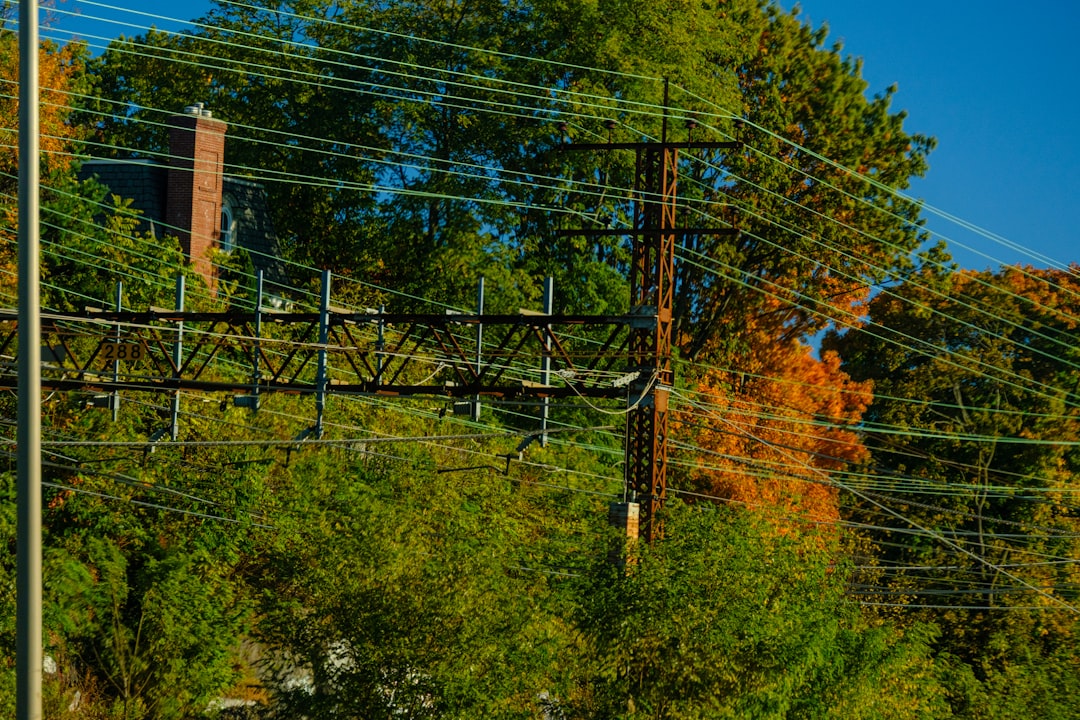
Grid demand management is a critical component of modern energy systems, serving as a bridge between energy supply and consumer needs. As populations grow and economies expand, the demand for electricity continues to rise, necessitating a robust framework for managing this demand effectively. The importance of grid demand management lies in its ability to ensure that energy supply meets consumer needs without overwhelming the infrastructure.
By optimizing energy consumption patterns, grid demand management can enhance the reliability and efficiency of power systems, ultimately leading to a more sustainable energy future. Moreover, effective grid demand management can mitigate the risks associated with peak demand periods. During these times, the strain on the grid can lead to outages and increased operational costs.
By implementing strategies such as demand response programs and time-of-use pricing, utilities can incentivize consumers to adjust their energy usage during peak times. This not only helps to stabilize the grid but also promotes a culture of energy conservation among consumers. In essence, grid demand management is not merely a technical necessity; it is a vital strategy for fostering a sustainable energy ecosystem.
Key Takeaways
- Grid demand management is crucial for ensuring a stable and reliable electricity supply.
- Electrification plays a key role in increasing grid demand, as more devices and systems become reliant on electricity.
- Meeting grid demand presents both challenges and opportunities, such as the need for infrastructure upgrades and the potential for new technologies.
- Electrification has the potential to increase energy consumption, but also offers opportunities for efficiency improvements.
- Balancing grid demand with electrification requires strategic planning and the integration of renewable energy sources.
The Role of Electrification in Grid Demand
Electrification plays a pivotal role in shaping grid demand, particularly as societies transition towards cleaner energy sources. The shift from fossil fuels to electric alternatives in transportation, heating, and industrial processes has significant implications for electricity consumption patterns. As more sectors become electrified, the overall demand for electricity is expected to increase substantially.
This transition presents both challenges and opportunities for grid operators, who must adapt to the evolving landscape of energy consumption. The rise of electrification also brings about a need for enhanced grid infrastructure. As electric vehicles (EVs) become more prevalent, for instance, the demand for charging stations will surge, necessitating upgrades to existing electrical grids.
Additionally, the integration of renewable energy sources into the grid will require sophisticated management techniques to balance supply and demand effectively. Thus, while electrification can lead to increased grid demand, it also drives innovation and investment in grid technologies that can accommodate this growth.
Challenges and Opportunities in Meeting Grid Demand

Meeting grid demand in an era of increasing electrification presents a myriad of challenges. One of the primary concerns is the aging infrastructure that many regions face. As electricity consumption rises, outdated grids may struggle to cope with the increased load, leading to reliability issues and potential outages.
Furthermore, the intermittent nature of renewable energy sources like solar and wind adds another layer of complexity to grid management. Balancing supply from these sources with fluctuating demand requires advanced forecasting and real-time data analytics. However, these challenges also present opportunities for innovation and improvement within the energy sector.
The need for modernized infrastructure has spurred investments in smart grid technologies that enhance monitoring and control capabilities. These advancements allow for better integration of distributed energy resources and enable utilities to respond more dynamically to changes in demand. Additionally, as consumers become more engaged in their energy usage through smart devices and applications, there is potential for greater participation in demand response programs, further alleviating pressure on the grid.
Impact of Electrification on Energy Consumption
| Country | Year | Population | Electricity Consumption (kWh per capita) | Energy Consumption (kWh per capita) |
|---|---|---|---|---|
| United States | 2010 | 309 million | 13,246 | 87,216 |
| China | 2010 | 1.34 billion | 3,967 | 24,882 |
| India | 2010 | 1.21 billion | 660 | 1,137 |
The impact of electrification on energy consumption is profound and multifaceted. As various sectors transition to electric solutions, overall energy consumption patterns are shifting dramatically.
This shift not only alters consumption metrics but also influences emissions profiles, contributing to cleaner air and reduced greenhouse gas emissions. Moreover, electrification extends beyond transportation; it encompasses heating systems in residential and commercial buildings as well. The adoption of electric heat pumps and other electric heating technologies can lead to increased electricity usage during winter months when heating demands peak.
This change necessitates careful planning and management by utilities to ensure that supply can meet this new level of demand without compromising reliability or affordability.
Strategies for Balancing Grid Demand with Electrification
To effectively balance grid demand with the rising tide of electrification, utilities must adopt a range of strategic approaches. One key strategy involves implementing demand response programs that encourage consumers to adjust their energy usage during peak periods. By offering financial incentives or time-based pricing structures, utilities can motivate users to shift their consumption patterns, thereby alleviating stress on the grid during high-demand times.
Another important strategy is investing in energy storage solutions. Battery storage systems can store excess energy generated during low-demand periods and release it during peak times, helping to smooth out fluctuations in supply and demand. Additionally, integrating smart technologies into homes and businesses allows for real-time monitoring and control of energy usage, empowering consumers to make informed decisions about their consumption habits.
Together, these strategies create a more resilient grid capable of adapting to the challenges posed by electrification.
The Role of Renewable Energy in Meeting Grid Demand

Renewable energy sources are increasingly recognized as essential components in meeting grid demand sustainably. As societies strive to reduce their carbon footprints, integrating solar, wind, hydroelectric, and other renewable sources into the energy mix becomes imperative. These sources not only provide clean energy but also contribute to diversifying the supply portfolio, enhancing resilience against price volatility associated with fossil fuels.
However, the integration of renewable energy into the grid is not without its challenges. The intermittent nature of sources like solar and wind requires careful planning and management to ensure that supply aligns with demand at all times. This necessitates advancements in grid technology, such as smart grids and advanced forecasting tools that can predict fluctuations in renewable generation.
By leveraging these technologies, utilities can optimize the use of renewables while maintaining grid stability.
The Impact of Electrification on Grid Infrastructure
The impact of electrification on grid infrastructure is significant and far-reaching. As electrification accelerates across various sectors, existing infrastructure must evolve to accommodate increased loads and new technologies. Aging grids may require substantial upgrades or complete overhauls to handle the demands posed by widespread electrification, particularly in urban areas where population density is high.
Additionally, electrification necessitates the development of new infrastructure components such as charging stations for electric vehicles and enhanced distribution networks for renewable energy sources. This transformation presents both challenges and opportunities for utility companies and policymakers alike. Investments in modernizing infrastructure not only improve reliability but also create jobs and stimulate economic growth within communities.
Policy and Regulatory Considerations for Grid Demand Management
Effective policy and regulatory frameworks are crucial for successful grid demand management in an era marked by electrification. Policymakers must create incentives that encourage investment in smart grid technologies and renewable energy integration while ensuring that consumers have access to affordable electricity.
Furthermore, policies that support research and development in innovative technologies can drive advancements in grid management practices. For instance, funding for pilot programs exploring new demand response strategies or energy storage solutions can yield valuable insights that inform future regulations. By fostering collaboration between utilities, government agencies, and private sector stakeholders, policymakers can create an environment conducive to effective grid demand management.
Technological Innovations for Managing Grid Demand
Technological innovations are at the forefront of managing grid demand effectively amidst rising electrification trends. Smart meters equipped with real-time data capabilities allow consumers to monitor their energy usage closely, enabling them to make informed decisions about their consumption patterns. These devices facilitate greater engagement between utilities and consumers, fostering a collaborative approach to managing electricity demand.
Moreover, advancements in artificial intelligence (AI) and machine learning are revolutionizing how utilities forecast demand and optimize supply strategies. By analyzing vast amounts of data from various sources—such as weather patterns, historical consumption trends, and real-time usage—utilities can make more accurate predictions about future demand fluctuations. This level of insight empowers them to deploy resources more efficiently while minimizing costs associated with overproduction or underutilization.
The Role of Consumer Behavior in Grid Demand
Consumer behavior plays a pivotal role in shaping grid demand dynamics. As awareness around sustainability grows, many consumers are becoming more conscious of their energy usage habits. This shift presents an opportunity for utilities to engage with customers through educational initiatives that promote energy efficiency practices and encourage participation in demand response programs.
Additionally, the rise of smart home technologies has empowered consumers to take control of their energy consumption like never before. Devices such as smart thermostats allow users to optimize heating and cooling schedules based on their preferences while minimizing wasteful usage during peak hours. By fostering a culture of proactive engagement among consumers, utilities can enhance overall grid stability while promoting sustainable practices.
The Future of Grid Demand Management in the Era of Electrification
Looking ahead, the future of grid demand management will be shaped by ongoing advancements in technology, policy frameworks, and consumer engagement strategies. As electrification continues to expand across various sectors—ranging from transportation to industrial processes—utilities will need to adapt their approaches accordingly. This evolution will likely involve greater reliance on data analytics and AI-driven solutions that enable real-time monitoring and optimization of electricity supply.
Furthermore, collaboration between stakeholders will be essential for navigating the complexities associated with rising electrification trends. Utilities must work closely with policymakers, technology providers, and consumers to develop integrated solutions that address both current challenges and future demands on the grid. By embracing innovation while prioritizing sustainability goals, society can pave the way toward a resilient energy future that meets the needs of all stakeholders involved.
In conclusion, effective grid demand management is crucial as societies transition towards greater electrification. By understanding the interplay between electrification trends and grid dynamics—alongside leveraging technological innovations—stakeholders can work collaboratively toward creating a sustainable energy landscape that benefits both consumers and the environment alike.
In the context of increasing electrification and its impact on grid demand, it’s essential to explore how advancements in technology and infrastructure are shaping the future of energy consumption. A related article that delves into these dynamics can be found on MyGeoQuest, which discusses the challenges and opportunities presented by the transition to electric power. This article provides valuable insights into how grid systems are adapting to accommodate the growing demand for electricity, driven by the rise of electric vehicles and renewable energy sources. For a deeper understanding, you can read more about these developments by visiting the article on MyGeoQuest.
WATCH THIS! 👀 📹America’s Hidden Collapse Is Already Here
FAQs
What is electrification?
Electrification refers to the process of converting systems, equipment, or infrastructure to use electricity as a power source instead of other forms of energy such as fossil fuels.
What is grid demand?
Grid demand refers to the amount of electricity that is required by consumers at any given time. It is the total sum of all the electricity being used by homes, businesses, and industries connected to the electrical grid.
How does electrification impact grid demand?
Electrification can impact grid demand by increasing the overall demand for electricity. As more systems and equipment are converted to use electricity, the demand on the electrical grid can increase, requiring adjustments and upgrades to the grid infrastructure.
What are the benefits of electrification?
Electrification can lead to reduced emissions and improved air quality, as electricity can be generated from renewable sources such as wind and solar. It can also lead to increased energy efficiency and lower operating costs for consumers.
What are the challenges of electrification on grid demand?
Challenges of electrification on grid demand include the need for grid modernization and expansion to accommodate increased electricity demand, as well as the need for reliable and resilient grid infrastructure to support electrification efforts.