
Cover crops are an essential component of sustainable agriculture, serving as a protective layer for the soil while providing numerous ecological benefits. As a farmer or gardener, you may have heard about the advantages of incorporating cover crops into your rotation, but you might still be wondering how they can specifically enhance your agricultural practices. Cover crops are typically planted during the off-season when the main crops are not growing, and they play a crucial role in maintaining soil health, improving fertility, and promoting biodiversity.
By understanding the multifaceted benefits of cover crops, you can make informed decisions that will ultimately lead to more productive and sustainable farming. The practice of using cover crops dates back centuries, but it has gained renewed attention in recent years due to the increasing awareness of environmental issues and the need for sustainable farming practices. As you delve deeper into the world of cover crops, you will discover that they are not just a temporary solution but a long-term strategy for enhancing soil health and agricultural productivity.
By integrating cover crops into your farming system, you can create a more resilient ecosystem that supports both your crops and the environment.
Key Takeaways
- Cover crops improve soil health by enhancing structure, fertility, and organic matter content.
- They reduce erosion and runoff, protecting topsoil and water quality.
- Cover crops suppress weeds and help manage pests naturally.
- They support biodiversity and beneficial soil microorganisms, promoting ecosystem balance.
- Proper selection and management of cover crops are essential for sustainable agriculture and climate change mitigation.
Improving Soil Structure and Fertility
One of the most significant benefits of cover crops is their ability to improve soil structure and fertility. When you plant cover crops, their roots penetrate the soil, creating channels that enhance aeration and water movement. This root activity helps to break up compacted soil layers, allowing for better root growth in subsequent crops.
As you observe the changes in your soil structure over time, you may notice increased porosity and improved drainage, which can lead to healthier plants and higher yields. In addition to physical improvements, cover crops also contribute to soil fertility through the process of nutrient cycling. Many cover crops, such as legumes, have the unique ability to fix atmospheric nitrogen into a form that plants can use.
This natural fertilization process reduces your reliance on synthetic fertilizers, which can be costly and harmful to the environment. By incorporating cover crops into your rotation, you can enhance the nutrient content of your soil, leading to more robust crop growth and improved overall productivity.
Reducing Erosion and Runoff
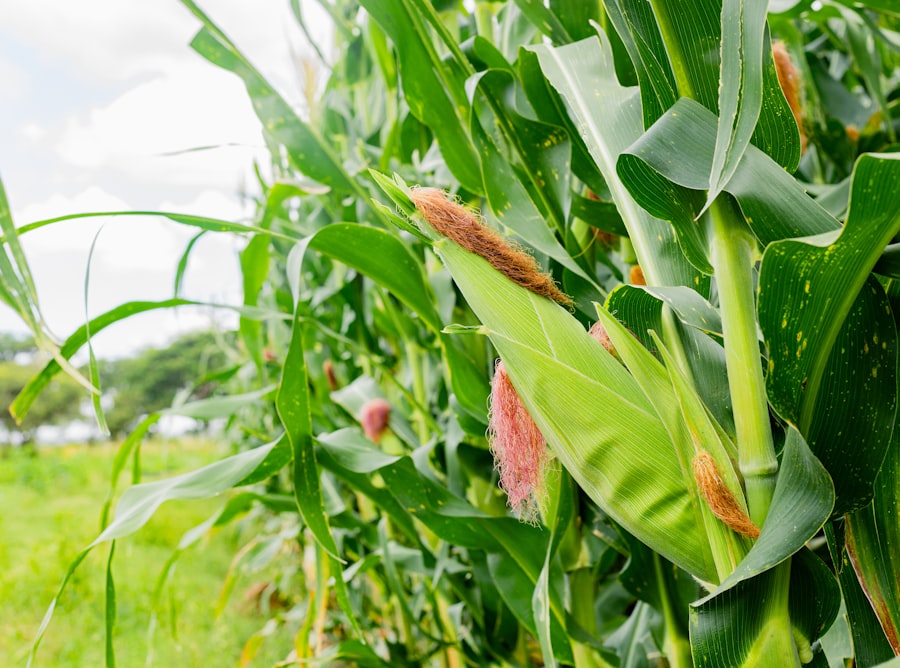
Soil erosion is a significant concern for many farmers, particularly in areas prone to heavy rainfall or wind. Cover crops play a vital role in reducing erosion by providing ground cover that protects the soil from the elements. When you plant cover crops, their foliage acts as a barrier against raindrops, reducing the impact on the soil surface and minimizing soil displacement.
This protective layer not only helps to maintain soil integrity but also prevents valuable topsoil from being washed away. Moreover, cover crops can significantly reduce runoff by improving water infiltration rates. As you incorporate cover crops into your farming practices, you will likely notice that water is absorbed more efficiently into the soil rather than running off into nearby streams or rivers.
This increased infiltration not only conserves water but also reduces the risk of nutrient leaching into waterways, which can lead to pollution and harmful algal blooms. By adopting cover crops, you are taking proactive steps to protect your land and local ecosystems from the adverse effects of erosion and runoff.
Suppressing Weeds and Managing Pests
Weeds can be a persistent challenge for any farmer, often competing with your main crops for nutrients, water, and sunlight. Cover crops can serve as an effective tool for weed suppression by outcompeting them for resources. When you plant cover crops densely, they create a canopy that shades the soil and inhibits weed germination.
This natural weed control method can reduce your reliance on herbicides, leading to a more environmentally friendly approach to pest management. In addition to suppressing weeds, cover crops can also help manage pests in your fields. Certain cover crops attract beneficial insects that prey on common pests, creating a natural balance within your ecosystem.
For instance, planting flowering cover crops can draw in pollinators and predatory insects that help control pest populations.
Enhancing Biodiversity and Beneficial Microorganisms
| Benefit | Description | Metric / Impact | Measurement Unit |
|---|---|---|---|
| Soil Erosion Reduction | Cover crops protect soil from wind and water erosion | Up to 90% reduction in soil erosion | Percentage (%) |
| Soil Organic Matter Increase | Enhances soil organic carbon content | Increase by 0.1 to 0.3% per year | Percentage points per year |
| Nitrogen Fixation | Leguminous cover crops fix atmospheric nitrogen | 50 to 150 kg N fixed per hectare | Kilograms per hectare (kg/ha) |
| Weed Suppression | Reduces weed growth by shading and competition | Weed biomass reduced by 60-80% | Percentage (%) |
| Soil Moisture Retention | Improves water infiltration and reduces evaporation | Soil moisture increased by 10-20% | Percentage (%) |
| Improved Crop Yield | Enhances subsequent cash crop productivity | Yield increase of 5-15% | Percentage (%) |
| Soil Compaction Reduction | Roots break up compacted soil layers | Penetration resistance reduced by 20-40% | Percentage (%) |
Biodiversity is crucial for maintaining healthy ecosystems, and cover crops play a significant role in enhancing this diversity within your agricultural landscape. When you introduce various species of cover crops into your rotation, you create a more complex habitat that supports a wide range of organisms. This increased biodiversity can lead to improved resilience against pests and diseases while promoting overall ecosystem health.
Moreover, cover crops contribute to the proliferation of beneficial microorganisms in the soil. As these plants grow and decompose, they release organic matter that serves as food for soil microbes. These microorganisms play essential roles in nutrient cycling, organic matter decomposition, and disease suppression.
By fostering a thriving community of beneficial microbes through cover cropping, you can improve soil health and create a more sustainable farming system.
Increasing Organic Matter and Nutrient Cycling
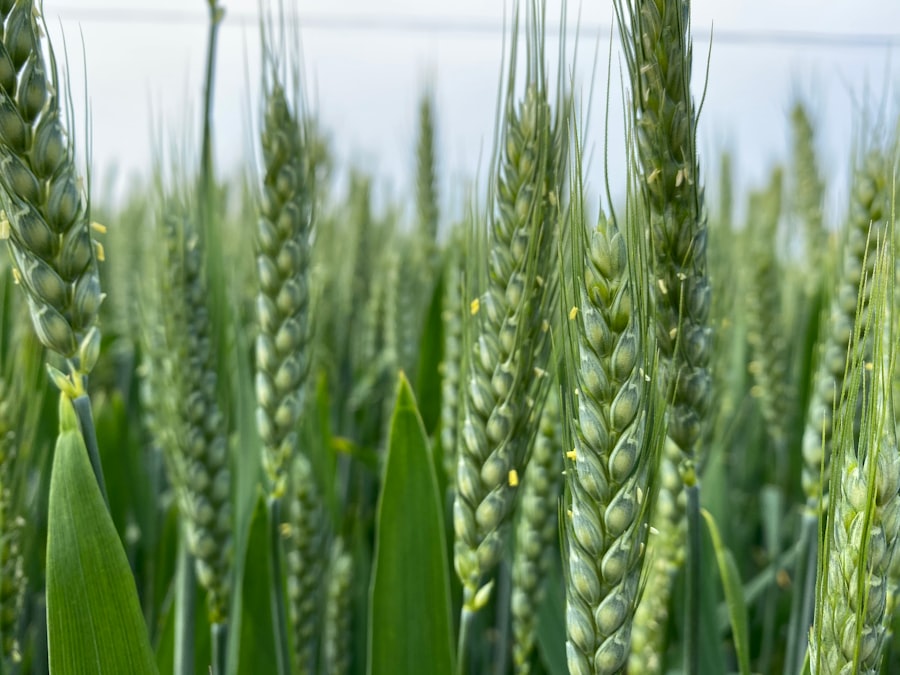
The incorporation of cover crops into your agricultural practices can significantly increase organic matter levels in your soil. As these plants grow and eventually decompose, they contribute valuable organic material that enhances soil structure and fertility. This organic matter not only improves water retention but also provides essential nutrients for your main crops.
Over time, you may notice that your soil becomes richer and more fertile as a result of this natural process. Nutrient cycling is another critical aspect of sustainable agriculture that cover crops facilitate. By planting specific species of cover crops, such as legumes, you can enhance nitrogen availability in the soil through biological fixation.
This process allows nitrogen from the atmosphere to be converted into forms that plants can readily absorb. As you integrate cover crops into your rotation, you will likely find that nutrient cycling becomes more efficient, leading to healthier plants and improved yields.
Mitigating Climate Change and Sequestering Carbon
Climate change is an urgent global issue that affects agriculture in numerous ways. Cover crops offer a practical solution for mitigating some of these impacts by sequestering carbon in the soil. When you plant cover crops, they capture carbon dioxide from the atmosphere through photosynthesis and store it in their biomass and root systems.
As these plants decompose, they contribute carbon back into the soil, helping to build organic matter levels while reducing greenhouse gas emissions. By adopting cover cropping practices, you are not only improving your own farm’s sustainability but also contributing to broader efforts to combat climate change. The carbon sequestration potential of cover crops is significant; studies have shown that implementing these practices on a large scale could lead to substantial reductions in atmospheric carbon levels.
As you embrace cover cropping as part of your agricultural strategy, you become an active participant in addressing one of the most pressing challenges of our time.
Improving Water Infiltration and Retention
Water management is critical for successful farming, especially in regions where drought or heavy rainfall is common. Cover crops can significantly improve water infiltration rates in your fields by creating channels in the soil through their root systems. This enhanced infiltration allows rainwater to penetrate deeper into the ground rather than running off the surface, which is particularly beneficial during heavy storms.
In addition to improving infiltration rates, cover crops also help retain moisture in the soil during dry periods. The organic matter contributed by decomposing cover crops acts like a sponge, holding onto water and making it available for your main crops when they need it most. By incorporating cover crops into your farming practices, you can create a more resilient system that better withstands fluctuations in weather patterns while ensuring that your plants have access to adequate moisture throughout their growing season.
Supporting Sustainable Agriculture Practices
Sustainable agriculture is about finding balance—between productivity and environmental stewardship—and cover crops are an integral part of this equation. By incorporating cover cropping into your farming system, you are taking significant steps toward creating a more sustainable operation that prioritizes long-term health over short-term gains. Cover crops help reduce reliance on chemical inputs while enhancing soil health and biodiversity.
As you explore sustainable agriculture practices further, you’ll find that cover cropping aligns well with other methods such as crop rotation and integrated pest management (IPM). Together, these practices create a holistic approach to farming that promotes ecological balance while ensuring economic viability. By adopting sustainable practices like cover cropping, you are not only improving your own farm’s resilience but also contributing positively to the broader agricultural community.
Selecting and Managing Cover Crops
Choosing the right cover crop species for your specific conditions is crucial for maximizing their benefits. Factors such as climate, soil type, and crop rotation should guide your selection process. For instance, if you’re looking to improve nitrogen levels in your soil, legumes like clover or vetch may be ideal choices.
Alternatively, if erosion control is your primary concern, deep-rooted species like radishes or ryegrass could be more effective. Once you’ve selected appropriate cover crop species, managing them effectively is equally important. This includes determining optimal planting times, managing growth through mowing or rolling before termination, and ensuring proper incorporation into the soil if necessary.
By paying attention to these details, you can maximize the benefits of your cover crops while minimizing any potential challenges they may present.
Conclusion and Recommendations
In conclusion, incorporating cover crops into your agricultural practices offers numerous benefits that extend beyond mere crop production. From improving soil structure and fertility to enhancing biodiversity and mitigating climate change impacts, cover crops are a powerful tool for sustainable farming. As you consider integrating these practices into your own operation, remember that careful selection and management are key to unlocking their full potential.
To get started with cover cropping, begin by assessing your specific needs and conditions—what challenges do you face?
Once you’ve identified these factors, research suitable species and develop a management plan tailored to your unique situation.
By embracing cover cropping as part of your agricultural strategy, you’re not only investing in the health of your land but also contributing positively to the environment for future generations.
Cover crops offer numerous benefits for soil health, including improved nutrient retention, reduced erosion, and enhanced biodiversity. For a deeper understanding of these advantages, you can read more in the article available at this link.
WATCH THIS! 🚨 THE $20 TRILLION DUST BOWL: America’s Hidden Water Crisis 🚨
FAQs
What are cover crops?
Cover crops are plants grown primarily to protect and improve soil health between periods of regular crop production. They are not harvested for sale but serve various ecological and agricultural functions.
How do cover crops benefit soil health?
Cover crops improve soil health by reducing erosion, enhancing soil structure, increasing organic matter, and promoting beneficial microbial activity. They help retain nutrients and moisture, leading to better soil fertility.
Can cover crops reduce the need for chemical fertilizers?
Yes, certain cover crops, especially legumes, can fix atmospheric nitrogen, naturally enriching the soil and reducing the need for synthetic nitrogen fertilizers.
Do cover crops help with weed control?
Cover crops can suppress weeds by outcompeting them for light, nutrients, and space. Their dense growth can reduce weed seed germination and growth.
How do cover crops impact pest and disease management?
Cover crops can disrupt pest and disease cycles by providing habitat for beneficial insects and breaking the life cycles of certain pests and pathogens, thereby reducing their populations.
Are cover crops beneficial for water management?
Yes, cover crops improve water infiltration and retention, reduce runoff, and help prevent soil compaction, which collectively enhance water management on agricultural lands.
What types of plants are commonly used as cover crops?
Common cover crops include legumes (like clover and vetch), grasses (such as rye and oats), and brassicas (like radishes and mustards), each offering different benefits.
When should cover crops be planted and terminated?
Cover crops are typically planted after the main crop harvest and terminated before planting the next cash crop. Timing depends on the specific crop, climate, and management goals.
Can cover crops be used in all types of farming systems?
Cover crops are versatile and can be integrated into most farming systems, including conventional, organic, and conservation agriculture, though specific species and practices may vary.
Do cover crops increase farm profitability?
While cover crops require an initial investment, their benefits—such as improved soil health, reduced input costs, and enhanced yields—can lead to increased profitability over time.