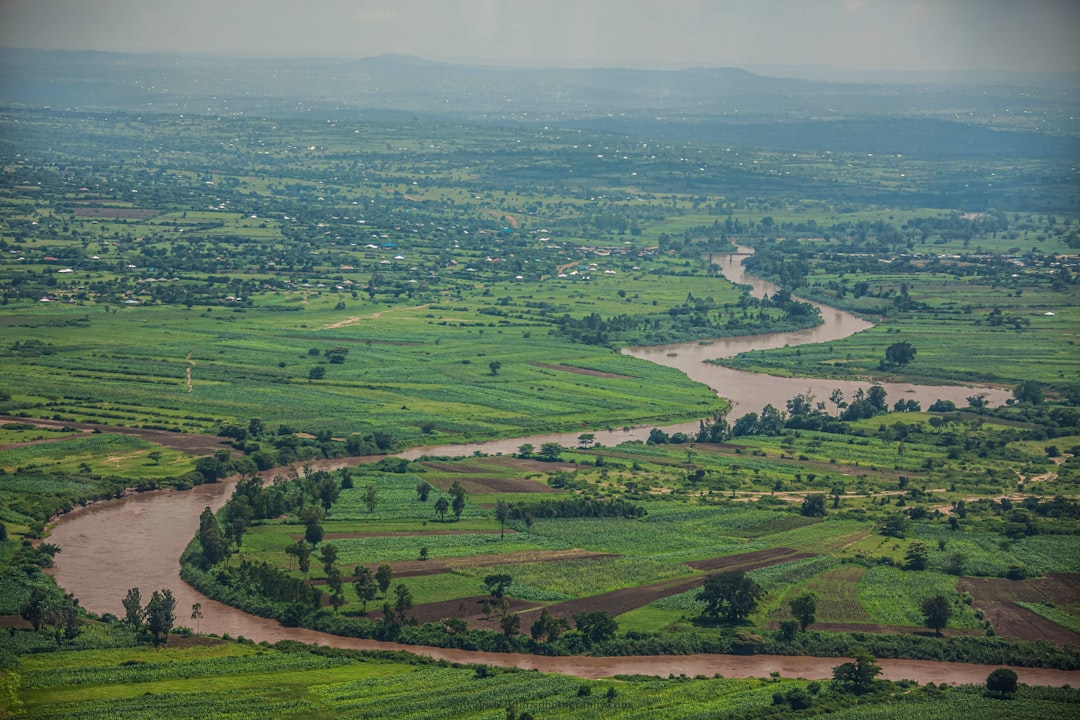
Water efficiency in agriculture is a critical concern that has gained prominence in recent years, particularly as global populations continue to rise and climate change exacerbates water scarcity. Agriculture accounts for approximately 70% of the world’s freshwater withdrawals, making it essential for farmers and agricultural stakeholders to adopt practices that optimize water use. The importance of water efficiency extends beyond mere conservation; it encompasses economic viability, environmental sustainability, and food security.
By improving water efficiency, farmers can reduce costs associated with irrigation, enhance crop yields, and contribute to the preservation of vital water resources. Moreover, the implications of inefficient water use are far-reaching. Over-irrigation can lead to soil salinization, which diminishes soil health and productivity over time.
Additionally, excessive water withdrawal from rivers and aquifers can disrupt local ecosystems, threatening biodiversity and the livelihoods of communities dependent on these natural resources. As such, understanding the importance of water efficiency is not just about meeting immediate agricultural needs; it is about ensuring a sustainable future for both agriculture and the environment.
Key Takeaways
- Water efficiency is crucial for sustainable agriculture and resource conservation.
- Drip irrigation and soil moisture sensors optimize water use by targeting precise needs.
- Precision agriculture and drought-resistant crops enhance productivity under limited water conditions.
- Practices like crop rotation, mulching, and conservation tillage improve soil moisture retention.
- Collaboration with organizations and adopting water-saving technologies support long-term water management.
Implementing Drip Irrigation Systems
Drip irrigation systems represent one of the most effective methods for enhancing water efficiency in agriculture. This technology delivers water directly to the plant roots through a network of tubing and emitters, minimizing evaporation and runoff. By providing a precise amount of water at the right time, drip irrigation not only conserves water but also promotes healthier plant growth.
Farmers who have adopted this system often report increased crop yields and reduced water usage, making it a win-win solution for both productivity and sustainability. The initial investment in drip irrigation may be higher than traditional methods, but the long-term benefits can outweigh these costs significantly. With reduced water consumption, farmers can lower their utility bills and decrease their reliance on groundwater sources.
Furthermore, drip irrigation systems can be tailored to specific crop needs, allowing for more efficient nutrient delivery through fertigation. As a result, farmers can achieve optimal growth conditions while minimizing waste, ultimately leading to a more sustainable agricultural practice.
Utilizing Soil Moisture Sensors
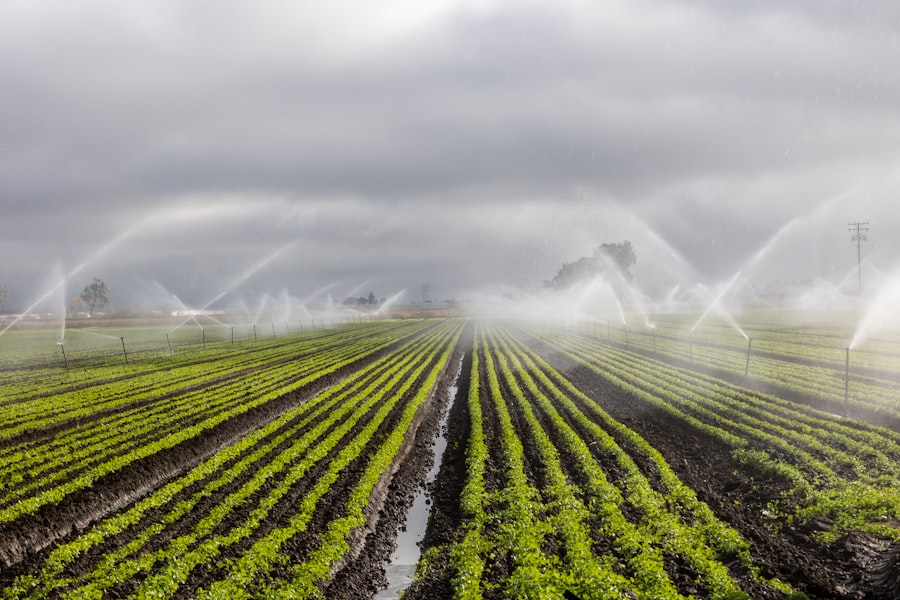
Soil moisture sensors are invaluable tools that help farmers monitor the moisture levels in their fields accurately. By providing real-time data on soil conditions, these sensors enable farmers to make informed decisions about irrigation scheduling. Instead of relying on guesswork or fixed schedules, farmers can irrigate only when necessary, thus conserving water and ensuring that crops receive adequate moisture.
This technology not only enhances water efficiency but also promotes healthier plants by preventing overwatering or underwatering. The integration of soil moisture sensors into farming practices can lead to significant improvements in crop yield and quality. By optimizing irrigation based on actual soil moisture levels, farmers can create an environment conducive to robust plant growth.
Additionally, these sensors can help identify areas within a field that may require different irrigation strategies due to variations in soil type or moisture retention capabilities. As a result, farmers can adopt a more precise approach to water management, ultimately leading to better resource utilization and increased agricultural productivity.
Adopting Precision Agriculture Techniques
Precision agriculture is an innovative approach that leverages technology to enhance farming practices and improve resource efficiency. By utilizing data analytics, GPS technology, and remote sensing, farmers can gain insights into various aspects of their operations, including soil health, crop performance, and water usage. This data-driven approach allows for targeted interventions that optimize resource allocation and minimize waste.
For instance, farmers can apply fertilizers and pesticides only where needed, reducing chemical runoff into waterways while maximizing crop health. The adoption of precision agriculture techniques also facilitates better decision-making regarding irrigation practices. By analyzing data on weather patterns, soil moisture levels, and crop growth stages, farmers can determine the most effective times to irrigate and the appropriate amounts of water to apply.
This not only conserves water but also enhances overall farm productivity. As precision agriculture continues to evolve with advancements in technology, its potential to revolutionize water efficiency in agriculture becomes increasingly apparent.
Choosing Drought-Resistant Crop Varieties
| Metric | Description | Typical Values | Impact on Water Resources |
|---|---|---|---|
| Soil Moisture Retention | Amount of water retained in soil during fallow period | 15-30% volumetric water content | Increases water availability for next crop cycle |
| Evapotranspiration Rate | Water loss through evaporation and plant transpiration | 2-5 mm/day depending on climate | Reduced compared to cropped land, conserving water |
| Groundwater Recharge | Amount of water percolating to groundwater during fallow | 10-20% increase compared to cultivated land | Enhances groundwater levels and sustainability |
| Runoff Reduction | Decrease in surface water runoff due to fallowing | Up to 25% reduction | Reduces soil erosion and water loss |
| Water Use Efficiency | Ratio of crop yield to water used in fallow vs. cultivated land | Improved by 10-15% after fallow period | Optimizes water use in subsequent cropping |
Selecting drought-resistant crop varieties is a proactive strategy that can significantly enhance water efficiency in agriculture.
By cultivating drought-resistant varieties, farmers can maintain productivity even in challenging climatic conditions while reducing their overall water consumption.
In addition to conserving water resources, drought-resistant crops often require fewer inputs such as fertilizers and pesticides due to their resilience against environmental stressors. This not only lowers production costs but also minimizes the environmental impact associated with chemical use. As climate change continues to pose challenges for traditional farming practices, the adoption of drought-resistant crop varieties emerges as a vital component of sustainable agriculture that aligns with the goals of water efficiency.
Implementing Crop Rotation and Cover Cropping
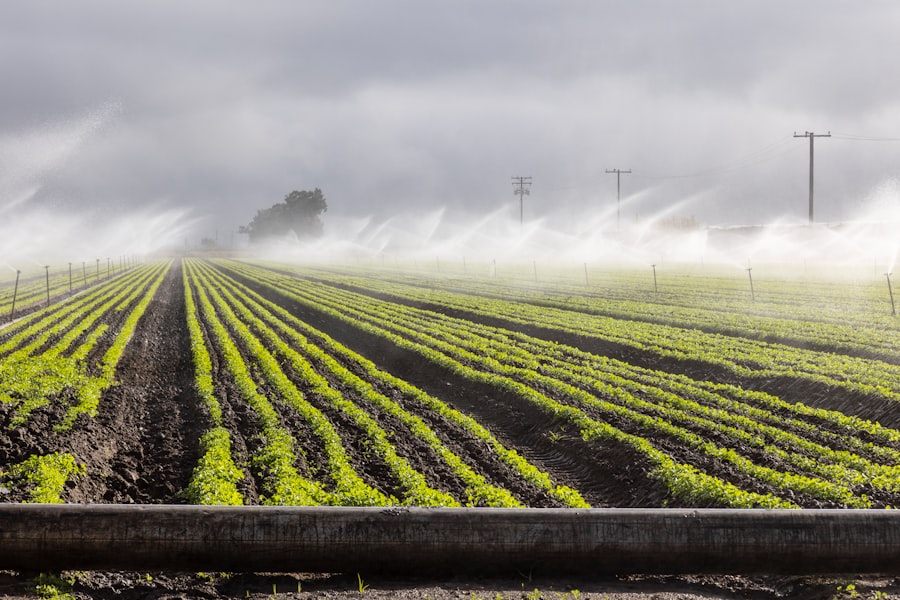
Crop rotation and cover cropping are essential practices that contribute to improved soil health and enhanced water efficiency in agriculture. By alternating different crops in a given field over time, farmers can break pest cycles, improve soil structure, and enhance nutrient availability. This practice not only promotes biodiversity but also reduces the need for synthetic fertilizers and pesticides, leading to more sustainable farming practices.
Cover cropping involves planting specific crops during the off-season to protect and enrich the soil. These cover crops help retain moisture, prevent erosion, and suppress weeds, ultimately contributing to better water management. When cover crops decompose, they add organic matter to the soil, improving its ability to retain moisture and nutrients.
As a result, farmers who implement crop rotation and cover cropping strategies often experience improved yields while using less water—a clear demonstration of how sustainable practices can align with efficient resource management.
Improving Water Management Practices
Effective water management practices are crucial for optimizing agricultural productivity while conserving precious water resources. Farmers must assess their current irrigation methods and identify areas for improvement. This may involve adopting more efficient irrigation technologies or refining existing practices to minimize waste.
For instance, scheduling irrigation based on weather forecasts or utilizing rainwater harvesting systems can significantly enhance water management efforts. Additionally, training programs and workshops focused on best practices in water management can empower farmers with the knowledge they need to make informed decisions. By fostering a culture of continuous improvement and innovation within agricultural communities, stakeholders can collectively work towards achieving greater water efficiency.
Ultimately, improved water management practices not only benefit individual farms but also contribute to broader efforts aimed at sustainable agriculture and environmental stewardship.
Investing in Water-saving Technologies
Investing in water-saving technologies is essential for modern agriculture as it seeks to balance productivity with sustainability. Innovations such as automated irrigation systems, moisture-retaining soil amendments, and advanced filtration systems can significantly enhance water efficiency on farms. These technologies allow farmers to monitor their water usage closely and make adjustments as needed based on real-time data.
Moreover, government incentives and grants aimed at promoting the adoption of water-saving technologies can further encourage farmers to invest in these solutions. By providing financial support for purchasing equipment or implementing new systems, policymakers can help facilitate the transition towards more sustainable agricultural practices. As more farmers embrace these technologies, the cumulative impact on water conservation efforts can be substantial, leading to a more resilient agricultural sector.
Utilizing Mulching and Conservation Tillage
Mulching and conservation tillage are effective practices that contribute to improved soil health and enhanced water retention in agricultural systems. Mulching involves covering the soil surface with organic or inorganic materials to reduce evaporation and suppress weed growth. This practice not only conserves moisture but also enhances soil structure by promoting beneficial microbial activity.
Conservation tillage refers to minimizing soil disturbance during planting and cultivation processes. By leaving crop residues on the field and reducing tillage frequency, farmers can improve soil moisture retention while preventing erosion. These practices work synergistically to create an environment that supports healthy plant growth while conserving valuable water resources.
As awareness of the benefits of mulching and conservation tillage grows among farmers, these methods are increasingly recognized as integral components of sustainable agriculture.
Incorporating Water-efficient Livestock Management Practices
Water-efficient livestock management practices are essential for reducing overall water consumption in agricultural systems that include animal husbandry. Livestock production often requires significant amounts of water for drinking purposes as well as for cleaning facilities and processing feed. By implementing strategies such as rotational grazing or utilizing rainwater harvesting systems for livestock watering needs, farmers can optimize their water use while maintaining animal health.
Additionally, selecting feed types that require less water for production can further enhance overall efficiency within livestock operations. For instance, incorporating drought-resistant forage crops into feeding regimens can reduce reliance on traditional feed sources that may be more resource-intensive. By adopting these practices, livestock producers not only contribute to improved water efficiency but also align their operations with broader sustainability goals within the agricultural sector.
Collaborating with Water Conservation Organizations and Government Agencies
Collaboration with water conservation organizations and government agencies plays a pivotal role in advancing efforts toward improved water efficiency in agriculture. These partnerships can provide farmers with access to valuable resources such as funding opportunities, technical assistance, and educational programs focused on best practices for water management. By working together with experts in the field of conservation, farmers can stay informed about emerging technologies and strategies that promote sustainable agricultural practices.
Furthermore, engaging with local communities and stakeholders fosters a sense of shared responsibility for managing water resources effectively. Collaborative initiatives aimed at watershed management or community-based conservation projects can lead to innovative solutions that benefit both agricultural producers and the environment. As farmers unite with organizations dedicated to preserving water resources, they contribute to a collective effort that ensures a sustainable future for agriculture while safeguarding vital ecosystems for generations to come.
In recent discussions about sustainable farming practices, the importance of managing water resources for agricultural land has become increasingly evident. A related article that delves into innovative techniques for optimizing water usage in agriculture can be found at