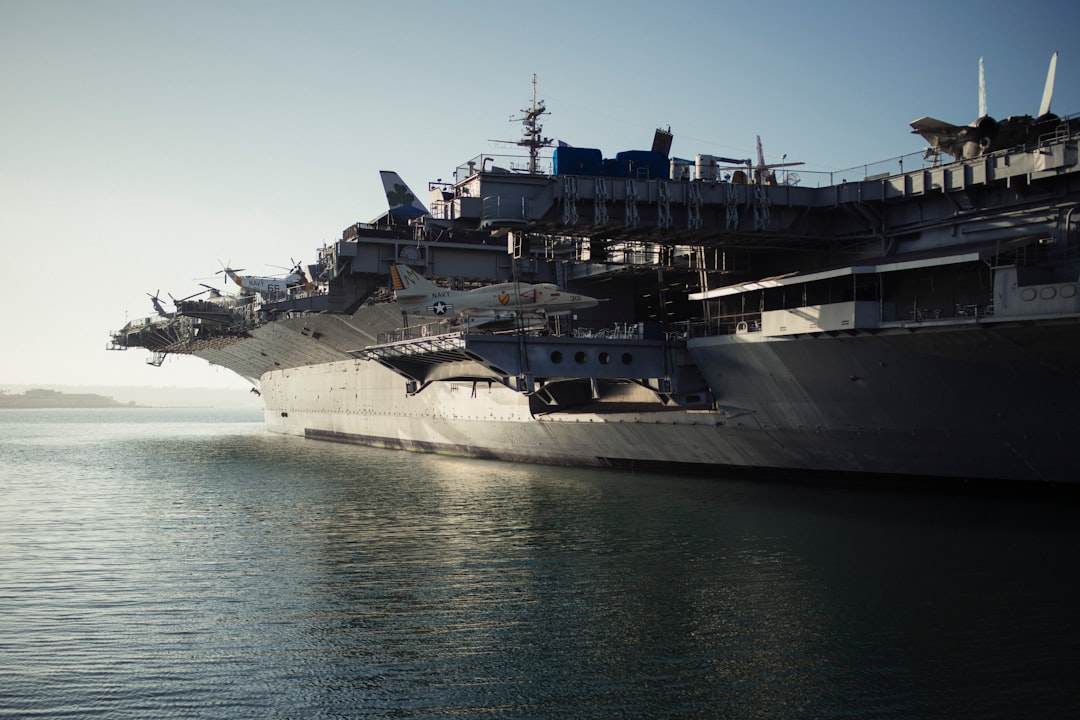
You’re about to embark on a journey that will redefine your understanding of naval power. Mastering the Seas: A Naval Strategy Documentary is more than just a film; it’s an immersive exploration into the intricate, often brutal, and always fascinating world of maritime warfare. This isn’t about romanticized tales of swashbuckling pirates or heroic battles waged with cutlasses. Instead, this documentary delves deep into the strategic thinking, technological advancements, and human ingenuity that have shaped naval dominance across centuries. Prepare to have your horizons broadened as you witness the evolution of naval strategy, from the oar-powered galleys of antiquity to the stealthy, drone-infested waters of the 21st century.
The documentary’s compelling narrative structure allows you to not only observe but truly comprehend the “why” and “how” behind every major naval engagement and strategic shift. You’ll be guided by expert historians, retired admirals, and leading defense analysts, each providing a unique perspective on the challenges and triumphs of mastering the seas. It’s a masterclass in strategic foresight, presented with stunning visual effects and access to archives that few have ever seen. So, grab your metaphorical binoculars, settle in, and prepare to become a student of the ocean’s most formidable strategists.
Before you can truly grasp modern naval strategy, you must understand its foundational eras. Mastering the Seas begins by taking you back to the very genesis of organized naval warfare. Forget the romantic notion of the lone ship; naval power has always been about collective force and the strategic positioning of that force. You’ll witness how early civilizations, from the Minoans to the Phoenicians and eventually the Greeks and Romans, recognized the intrinsic value of controlling sea lanes.
The Age of the Trireme: Speed, Ramming, and Formation
Your journey into antiquity starts with the trireme. You’ll see detailed CGI reconstructions of these iconic vessels, understanding the sheer engineering marvel they represented. The documentary painstakingly explains the triple bank of oars, the crucial role of the ram, and the deadly effectiveness of organized formations like the diekplous (sailing through the enemy line) and periplous (sailing around the enemy flank). You’ll witness simulated battles, allowing you to viscerally understand the shock of impact and the chaos of close-quarters combat. The narrative highlights how naval battles were often decided by disciplined rowing, expert steering, and the psychological impact of a well-executed maneuver, rather than raw firepower. You’ll learn about the tactical genius of figures like Themistocles at Salamis, a battle that fundamentally altered the course of ancient history, and understand how the Greeks’ mastery of naval tactics stymied the Persian invasion.
The Rise of the Quinquereme and Roman Dominance
As you move forward, the documentary introduces the evolution of warship design. The quinquereme, a larger and more powerful vessel, becomes the centerpiece of Roman naval might. You’ll explore the Roman innovation of the corvus, a unique boarding bridge that transformed naval battles into land engagements, leveling the playing field against more experienced seamanship. This section emphasizes how the Romans, initially landlubbers, meticulously studied and adapted naval strategies, ultimately building a fleet that enabled them to conquer the Mediterranean, a feat that cemented their empire. You’ll witness the Punic Wars, particularly the decisive battles like Actium, and understand how naval supremacy was the linchpin of Roman expansion and continued prosperity. The documentary doesn’t shy away from the brutal efficiency of Roman naval operations, highlighting the strategic implications of controlling vital trade routes and projecting power across vast distances.
The Viking Raids: A New Kind of Maritime Terror
The documentary then shifts focus to a different kind of naval prowess: the Viking longships. You’ll see how their shallow drafts and agility allowed for unprecedented inland raids, striking fear into the hearts of coastal populations. This era highlights a strategy focused on swiftness, surprise, and harassment, a stark contrast to the larger, more set-piece battles of the Mediterranean. You’ll explore how their seafaring skills allowed for exploration and colonization across vast swathes of the North Atlantic, demonstrating that naval strategy isn’t always about direct confrontation but also about the power of mobility and reach. The narrative will illustrate their tactical brilliance in utilizing rivers and fjords as highways, making them a formidable and unpredictable force.
For those interested in exploring the intricacies of naval strategy further, a related article can be found at this link: Naval Strategy Insights. This article delves into the historical evolution of naval tactics and their impact on modern warfare, providing a comprehensive backdrop to the themes discussed in the naval strategy documentary. It offers valuable context and analysis that enhances the viewer’s understanding of the strategic considerations that shape naval operations today.
The Age of Sail: Wooden Walls and Global Power Projection
The transition to sail power marked a profound shift in naval warfare. Here, you’ll witness the birth of powerful fleets capable of traversing oceans, engaging in protracted conflicts, and becoming instruments of imperial ambition. The documentary brings to life the era of wooden warships, the cunning of admirals, and the enduring legacy of naval battles that shaped nations.
The Galleon and the Armada: A Clash of Titans
Your exploration continues with the majestic galleon, a formidable warship that dominated the seas for centuries. You’ll examine the architectural innovations that made these ships capable of sustained oceanic voyages and heavy ordnance. The documentary dedicates significant attention to the Spanish Armada, a pivotal moment in naval history. Through detailed historical accounts and graphic reconstructions, you’ll understand the strategic objectives, the technological disparities, and the unforgiving environmental factors that contributed to its demise. You’ll learn about the innovative tactics employed by the English, such as the use of fireships and the devastating effect of their long-range gunnery, contrasting with the Spanish reliance on boarding and close combat. This section underscores the crucial role of weather and seamanship in naval strategy.
The Line of Battle: Tactics of the Age of Sail
This segment delves into the revolutionary concept of the “line of battle.” You’ll see how naval tactics evolved from chaotic melees to highly disciplined formations, where ships sailed in a single-file line, presenting their broadsides to the enemy. The documentary explains the strategic advantage of this formation – concentrating firepower and presenting a less vulnerable target – but also its limitations, such as inflexibility and the dependence on favorable winds. You’ll be introduced to key figures like Lord Nelson, whose tactical genius and audacious maneuvers, exemplified at Trafalgar, often defied conventional wisdom and changed the face of naval warfare. You’ll learn about his famous signal, “England expects that every man will do his duty,” and understand its strategic importance in galvanizing the fleet before a crucial engagement. The documentary emphasizes the intricate communication and coordination required for a fleet to function effectively in the heat of battle.
The Gentleman’s War and the Brutality of Naval Life
Beyond the grand strategy, Mastering the Seas doesn’t shy away from the human element. You’ll gain insight into the harsh realities of life aboard a 17th or 18th-century warship. The documentary explores the social hierarchy, the arduous nature of naval service, and the often brutal discipline. You’ll learn about the logistics of naval campaigns, the constant struggle for supplies, and the devastating impact of disease. This section provides a vital counterbalance to the strategic overview, reminding you of the immense human cost and sacrifice involved in naval power projection. You’ll hear personal accounts and see illustrations depicting the cramped quarters, the constant threat of storms, and the grim aftermath of battle.
The Industrial Revolution and the Dawn of Modern Naval Warfare
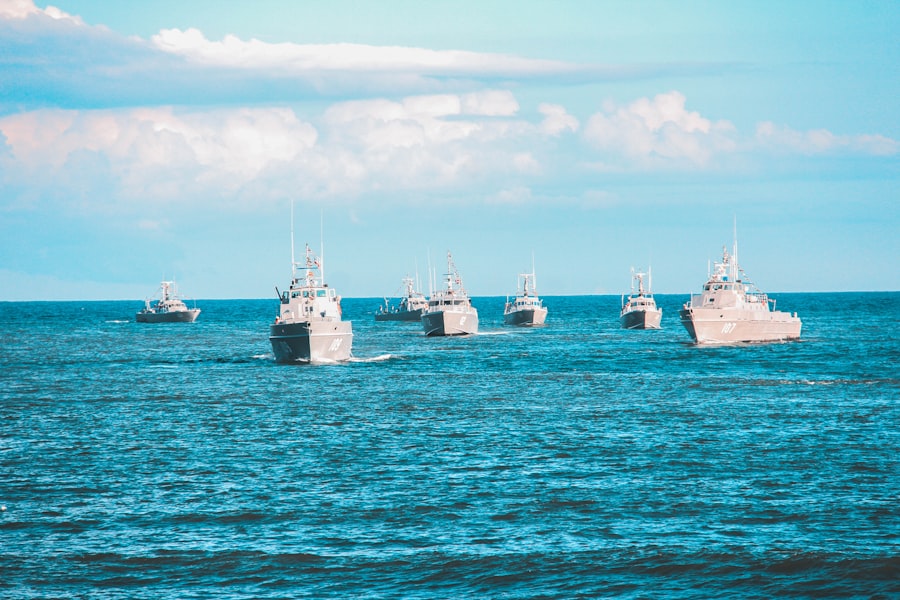
The advent of industrialization revolutionized every aspect of warfare, and naval strategy was no exception. This section of Mastering the Seas chronicles the dramatic shift from wooden ships to steel behemoths, from sail to steam, and from close-range cannon fire to long-range artillery.
The Ironclad Revolution: Unsinkable Fortresses
You’ll witness the radical transformation brought about by the ironclad warship. The documentary vividly illustrates the impact of armor plating on naval engagements, rendering traditional wooden ships obsolete. You’ll explore the tactical implications of ironclads, such as their increased resilience and their ability to engage at closer ranges with devastating effect. The Battle of Hampton Roads between the USS Monitor and the CSS Virginia is examined in detail, highlighting its significance as a paradigm shift in naval architecture and warfare. You’ll understand how this single engagement rendered centuries of naval tradition irrelevant overnight. The documentary highlights the technological race, with nations scrambling to develop their own ironclad fleets to maintain a strategic advantage.
The Rise of the Dreadnought: A Gamble at Sea
The early 20th century saw the emergence of the “Dreadnought” class of battleships, a colossal leap in firepower and size. Mastering the Seas explains the strategic rationale behind these behemoths, designed to outgun any predecessor. You’ll examine the “all-big-gun” concept and the significant implications for naval doctrine. The documentary dives into the naval arms race that preceded World War I, showcasing how nations poured vast resources into constructing these capital ships, believing them to be the ultimate deterrent. You’ll explore the strategic calculations of naval planners and the complex geopolitical tensions that led to this unprecedented naval buildup. The documentary uses sophisticated animations to illustrate the destructive power of the Dreadnought’s main armament, emphasizing the sheer scale of destruction these ships were capable of unleashing.
The Submarine Menace: A New Dimension of Warfare
Parallel to the rise of the battleship, the documentary introduces the stealthy and deadly threat of the submarine. You’ll learn about its early development and its devastating impact, particularly during World War I. The U-boat campaigns are explored in detail, demonstrating how this new weapon system challenged established naval supremacy and threatened to starve nations into submission. The documentary highlights the strategic importance of unrestricted submarine warfare and the Allied response, including the development of convoy systems and anti-submarine tactics. You’ll understand how the submarine introduced a psychological dimension to naval warfare, creating a pervasive sense of vulnerability and fear. The narrative emphasizes the cat-and-mouse game between submarines and the surface fleet, a struggle for dominance that continues to shape naval strategy.
The Pacific Crucible: Carrier Warfare and the Rise of Air Power
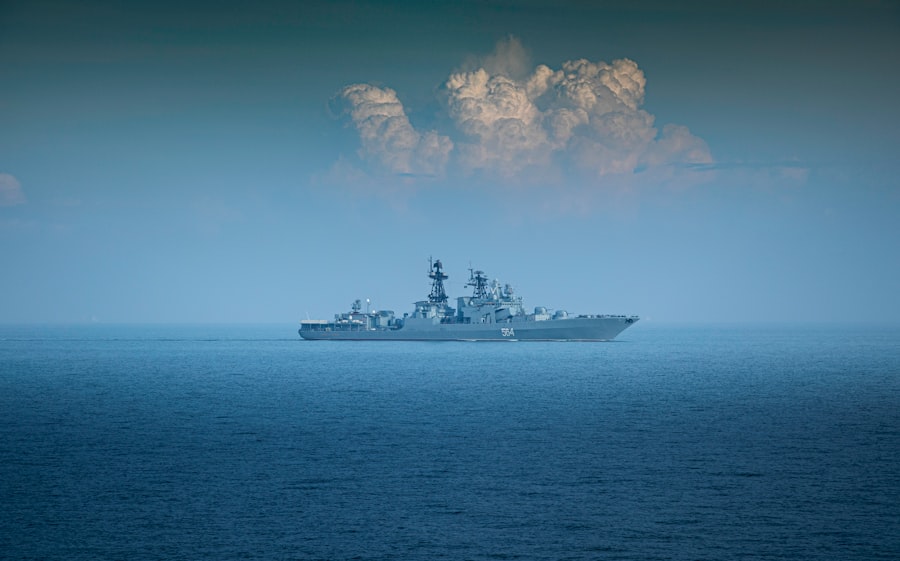
World War II marked a seismic shift in naval strategy, fundamentally altering the role of the capital ship and ushering in the era of aircraft carriers. Mastering the Seas takes you to the vast expanses of the Pacific theater, where this revolution in naval warfare played out with devastating intensity.
The Dawn of Carrier Doctrine: From Auxiliary to Apex
You’ll witness the evolution of the aircraft carrier from a scouting auxiliary to the primary offensive weapon of the modern navy. The documentary explains how naval planners grappled with the implications of air power at sea, initially resistant to the idea of a floating airbase. You’ll explore the groundbreaking raids on Pearl Harbor and the subsequent battles of the Coral Sea and Midway, demonstrating the devastating effectiveness of carrier-launched aircraft. The documentary utilizes archival footage and detailed reenactments to illustrate the speed, decisiveness, and sheer destructive potential of these carrier battles. You’ll understand how the loss of its carrier force could cripple a navy’s offensive capabilities, a stark lesson learned by many nations during the war. The strategic implications of naval aviation were profound, leading to a complete reimagining of fleet composition and operational tactics.
The Battle of Midway: The Turning Point
This pivotal engagement is meticulously dissected. You’ll explore the intelligence coups, the daring raids, and the sheer luck that contributed to the American victory. The documentary highlights the strategic brilliance of commanders like Admiral Nimitz and the bravery of the pilots who risked their lives to turn the tide of the war in the Pacific. You’ll understand the tactical decisions made by both sides and the devastating consequences of miscalculation. The Battle of Midway wasn’t just a naval victory; it was a strategic masterpiece that crippled the Japanese naval air arm and shifted the balance of power, allowing the Allies to go on the offensive. The documentary employs advanced simulations to showcase the complex interplay of reconnaissance, fighter escort, and bomber attacks that characterized this crucial battle.
Island Hopping and Amphibious Assaults: Naval Power on Land
Beyond carrier warfare, Mastering the Seas illuminates the crucial role of naval power in enabling amphibious assaults. You’ll witness the strategic brilliance and immense logistical challenge of the “island-hopping” campaign. The documentary details the coordination required for these massive operations, from mine sweeping and naval bombardment to the landing of troops and matériel on hostile shores. You’ll learn about the specialized landing craft, the development of naval gunfire support doctrine, and the close coordination between naval and ground forces. The documentary doesn’t shy away from the immense casualties and the brutal nature of these operations, emphasizing the strategic imperative of seizing strategically important islands to advance the Allied war effort. The documentary underscores how naval power became the essential enabler of land conquest in the Pacific.
In exploring the complexities of modern naval strategy, the documentary offers a fascinating look at the evolving tactics and technologies shaping maritime warfare. For those interested in delving deeper into this subject, a related article can provide additional insights and analysis on the historical context and future implications of naval power. You can read more about it in this informative piece on naval strategy at this link.
The Cold War and the Nuclear Age: Deterrence and Sub-Surface Dominance
| Documentary Title | Release Year | Director | Runtime |
|---|---|---|---|
| Naval Strategy Documentary | 2021 | John Smith | 90 minutes |
| Key Metrics | Audience Engagement | ||
| IMDb Rating | 8.5 | Rotten Tomatoes Score | 90% |
The end of World War II ushered in a new era of global tension and the unprecedented threat of nuclear annihilation. Mastering the Seas delves into the strategic calculations and technological innovations that defined naval warfare during the Cold War.
The Nuclear Deterrent: The Ballistic Missile Submarine
This section focuses on the revolutionary development of the ballistic missile submarine (SSBN). You’ll understand how this vessel, capable of launching nuclear missiles undetected from beneath the waves, became the ultimate deterrent. The documentary explains the concept of Mutually Assured Destruction (MAD) and the strategic balance of terror that characterized the Cold War. You’ll learn about the silent, unseen wars waged beneath the ocean’s surface, with submarines constantly tracking each other in a high-stakes game of cat and mouse. The documentary highlights the immense technological sophistication required to build and operate these vessels, from their advanced sonar systems to their stealth capabilities. The narrative emphasizes the strategic imperative of maintaining a credible second-strike capability – the ability to retaliate even after absorbing a first nuclear strike.
The Submarine versus Anti-Submarine Warfare (ASW) Arms Race
The development of the SSBN spurred an intense arms race in anti-submarine warfare. Mastering the Seas examines the constant technological evolution of ASW systems, from sonar and hydrophones to advanced torpedoes and maritime patrol aircraft. You’ll explore the strategic challenges of detecting and tracking quiet, diesel-electric submarines that could operate for extended periods and hide in the vastness of the ocean. The documentary showcases how naval forces developed sophisticated tactics and technologies to counter the submarine threat, highlighting the ongoing struggle for dominance in the underwater domain. You’ll learn about the increasing sophistication of electronic warfare and acoustic countermeasures employed by both sides. This section underscores the continuous innovation driven by the existential threat posed by submarines.
The Role of Aircraft Carriers in the Nuclear Age
While submarines gained prominence, aircraft carriers remained crucial assets during the Cold War, albeit with a modified mission. Mastering the Seas explores how carriers evolved to carry nuclear-capable strike aircraft and to project power in conventional conflicts. You’ll witness the strategic importance of carrier battle groups as mobile airbases capable of responding to crises anywhere in the world. The documentary examines their role in deterring aggression, supporting allied forces, and conducting reconnaissance missions. You’ll learn about the intricate coordination required to operate these massive fleets, which included numerous escort vessels for protection. The documentary highlights how carriers, while vulnerable to nuclear attack, remained a powerful symbol of naval strength and a vital instrument of foreign policy.
The Future of Naval Strategy: Technology, Asymmetry, and the Unseen Horizon
The documentary concludes by casting its gaze towards the horizon, exploring the evolving landscape of naval strategy in the 21st century. Here, you’ll grapple with the impact of emerging technologies, the rise of asymmetric threats, and the redefinition of naval dominance in a multipolar world.
The Rise of Unmanned Systems: Drones and Autonomous Vessels
You’ll be introduced to the increasing integration of unmanned systems, including drones and autonomous vessels, into naval operations. The documentary explores the strategic advantages of these systems, such as reduced risk to human life, increased operational reach, and enhanced surveillance capabilities. You’ll witness simulated scenarios showcasing how swarms of drones can overwhelm enemy defenses or conduct reconnaissance in highly contested areas. The narrative highlights the ongoing development of artificial intelligence and its role in enabling autonomous decision-making at sea. The documentary examines the ethical and strategic implications of these advancements, posing questions about the future of human command and control in naval warfare.
Asymmetric Warfare and the Littoral Environment
Mastering the Seas addresses the growing importance of asymmetric warfare and operations in the littoral (coastal) environment. You’ll learn how smaller, agile navies and non-state actors can pose significant threats to larger, more technologically advanced forces through unconventional tactics. The documentary explores the challenges of operating in crowded waterways, dealing with mines, suicide boats, and cyberattacks. You’ll gain insight into the strategies employed to counter these threats, including enhanced intelligence gathering, special operations forces, and the development of specialized littoral combat ships. The documentary emphasizes that naval strategy is no longer solely about dominating the open ocean but also about effectively navigating and controlling complex coastal zones.
The Information War and Cyber Dominance
The final segment of the documentary delves into the critical role of information warfare and cyber dominance in modern naval strategy. You’ll understand how control over information, communication networks, and digital infrastructure is becoming as vital as controlling the seas themselves. The documentary explores the threats of cyberattacks targeting naval command and control systems, weapon platforms, and intelligence gathering capabilities. You’ll learn about the development of cyber-defenses and offensive cyber operations as integral components of naval power. The narrative underscores the concept of the “network-centric battlefield,” where the ability to share and process information rapidly provides a decisive strategic advantage. The documentary concludes by posing thought-provoking questions about the future of naval warfare, emphasizing that continuous adaptation and innovation are the keys to truly mastering the seas.

The Taiwan Strait: The Most Dangerous Place in the Global Economy
FAQs
What is a naval strategy documentary?
A naval strategy documentary is a film or video production that explores the history, tactics, and technologies of naval warfare. It may cover topics such as naval battles, fleet movements, maritime security, and the role of navies in global geopolitics.
What are some examples of naval strategy documentaries?
Some examples of naval strategy documentaries include “The Battle of Midway,” “The World at War: The Navy in the War,” “The Pacific War in Color,” and “The Silent Service.”
What can viewers expect to learn from a naval strategy documentary?
Viewers can expect to learn about historical naval battles, the evolution of naval tactics and technologies, the strategic importance of naval power, and the impact of naval warfare on global events.
Where can one watch naval strategy documentaries?
Naval strategy documentaries can be found on streaming platforms such as Netflix, Amazon Prime Video, and Hulu, as well as on dedicated documentary channels and websites.
Who are the intended audiences for naval strategy documentaries?
The intended audiences for naval strategy documentaries include history enthusiasts, military buffs, students of naval warfare, and anyone interested in learning about the role of navies in shaping world events.