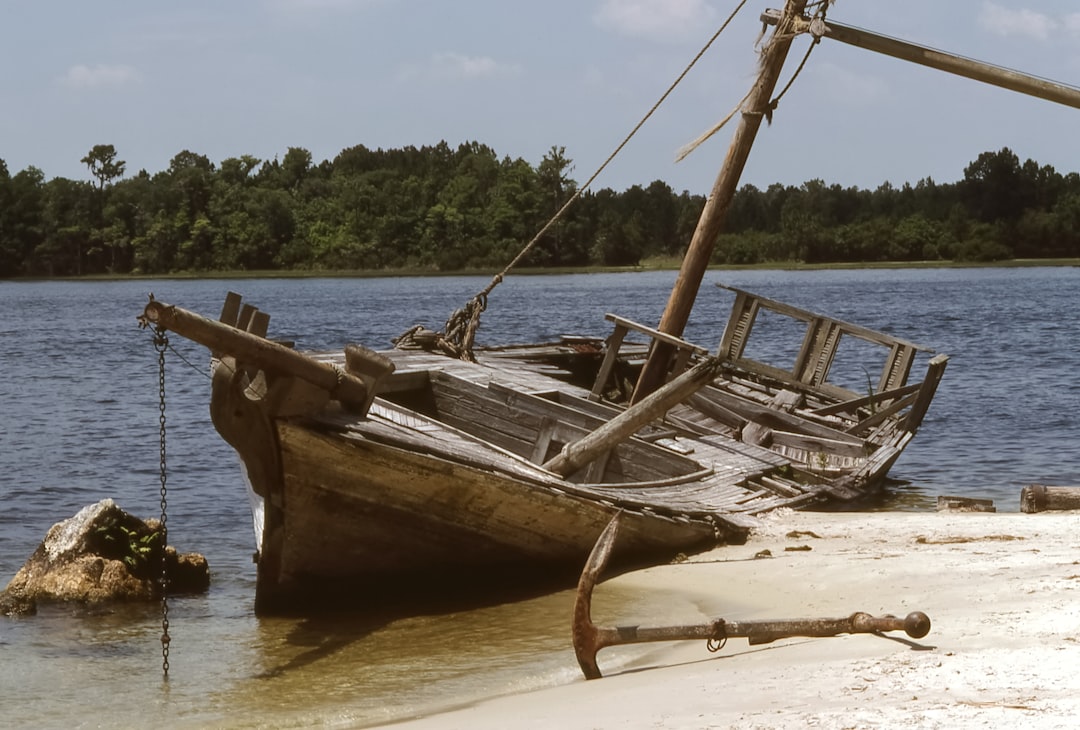
The colossal vessels, once symbols of global trade and engineering marvel, now lay inert, their massive hulls firmly pressed against sandy shores or muddy banks. This dramatic scene, though often a last resort, is a testament to the intricate and high-stakes process of beaching – intentionally running a ship aground. Far from being a simple act of grounding, beaching is a carefully orchestrated operation involving extensive planning, specialized equipment, and a deep understanding of maritime engineering, environmental considerations, and salvage techniques. It is a practice employed for various reasons, from routine decommissioning and dismantling to emergency situations and complex salvage operations. Understanding the nuances of beaching reveals a world of specialized knowledge and meticulous execution that ensures the safety of the vessel, its crew, and the surrounding environment.
Beaching a ship is not a decision taken lightly. It signifies a final destination, often for vessels at the end of their operational life, or a critical maneuver in a dire emergency. The term itself, “beaching,” conjures images of large vessels being deliberately run ashore, but the reality is a far more complex and technical endeavor. It requires a deep understanding of naval architecture, hydrodynamics, and the specific characteristics of the vessel in question. The selection of a suitable beaching site is paramount, taking into account factors such as tidal patterns, seabed composition, prevailing weather conditions, and the proximity of support infrastructure.
The Purpose of Beaching: More Than Just a Final Resting Place
While many associate beaching with the dismantling of old ships, particularly in the context of shipbreaking yards, its applications extend far beyond this singular purpose. The decision to beach a vessel is driven by a range of objectives, each demanding a tailored approach to execution.
Shipbreaking and Recycling: A Planned Decommissioning
The most common and visible form of beaching is for the purpose of shipbreaking. As vessels age, their operational costs increase, and they become less economically viable. Instead of simply sinking them or letting them rust away, beaching in specialized yards allows for their efficient dismantling and the recycling of valuable materials. This process is crucial for resource management and reducing the environmental impact of aging fleets.
Site Selection in Shipbreaking Yards
Shipbreaking yards are specifically chosen for their suitability for beaching. These locations often have wide, gently sloping beaches with firm, stable seabed. Proximity to skilled labor, scrap metal markets, and environmental regulations that govern the dismantling process are also key considerations. The process is designed to maximize material recovery and minimize environmental contamination.
Environmental Regulations and Sustainable Practices
Modern shipbreaking is increasingly governed by stringent environmental regulations, such as the Hong Kong Convention. These conventions aim to ensure that ships are dismantled in a safe and environmentally sound manner, preventing the release of hazardous materials into the ocean. Beaching in regulated yards plays a critical role in facilitating these practices.
Emergency Beaching: A Lifeline in Crisis
In dire maritime emergencies, such as when a vessel is taking on water, experiencing a fire, or is otherwise deemed unseaworthy, beaching can be a life-saving option. This is often a last resort, employed when sinking is imminent and towing to a safe harbor is impossible or too risky. The goal here is to bring the vessel to a position where it can be safely evacuated and potentially salvaged.
Controlled Grounding vs. Accidental Grounding
It is crucial to distinguish between an intentional, controlled beaching and an accidental grounding. An accidental grounding can lead to significant damage to the hull, potentially causing pollution. A controlled beaching, however, is executed with precision to minimize damage and maximize the chances of survival or salvage.
Strategic Site Selection for Emergency Beaching
During an emergency, the choice of beaching location is driven by immediate safety concerns. This might involve a nearby uninhabited coastline, a sandy bay, or even a muddy estuary, depending on what is accessible and offers the least risk of immediate capsizing or further structural failure. The primary objective is to get the vessel to a stable position as quickly as possible.
Salvage Operations: A Stepping Stone to Recovery
Beaching can also be a strategic maneuver within a larger salvage operation. A vessel that has run aground accidentally might be deliberately beached further to minimize its draft and make it more accessible for salvage crews. It can also be used to position a vessel for easier repair or for lightering operations (transferring cargo to another vessel).
Preparing for Further Salvage
In cases where a vessel is partially submerged or listing heavily, beaching it deliberately onto a suitable shore can provide a more stable platform for the complex and often dangerous work of salvage. This allows for easier access to the hull, cargo, and machinery for repair or removal.
Lightering and Cargo Transfer
Beaching can facilitate the transfer of cargo from a damaged or compromised vessel to another. By grounding the vessel in shallow water, it can be brought closer to the shore or to a waiting barge, making the lightering process more efficient and less risky.
Giant ships are often beached for various reasons, including the need for repairs, scrapping, or even as a result of environmental factors. This fascinating process is explored in detail in the article found at My Geo Quest, which discusses the methods and implications of beached vessels, as well as the environmental impact and economic considerations involved in such operations. Understanding these factors can provide insight into the maritime industry and the lifecycle of large ships.
The Technical Ballet of Grounding a Giant
The act of beaching a massive ship is far from a brute-force maneuver. It involves a sophisticated dance of precision, calculation, and environmental awareness. The planning phase is extensive, encompassing hydrographic surveys, weather forecasting, and detailed analysis of the vessel’s structural integrity.
Planning the Perfect Grounding: The Pre-Beaching Protocols
Before a ship ever touches the sand, an extensive planning phase takes place. This is where the expertise of marine engineers, naval architects, and experienced salvage masters comes to the forefront. Every detail is scrutinized to ensure the operation proceeds as smoothly and safely as possible.
Hydrographic Surveys and Seabed Analysis
Accurate knowledge of the seabed is paramount. Hydrographic surveys are conducted to determine the depth of the water, the composition of the seabed (sand, mud, rock), and any underwater obstructions. This information dictates the optimal approach angle and the ideal point of contact. A sandy or muddy seabed is generally preferred over rock, which can cause severe hull damage.
Weather Forecasting and Tidal Predictions
The timing of a beaching operation is critically dependent on weather and tidal conditions. Planners meticulously study weather forecasts to anticipate wind speed and direction, wave height, and any potential storms. Tidal predictions are equally important, as they dictate the water depth at different times of the day. Beaching is often timed to occur at high tide, allowing the vessel to be floated further inland if necessary, or at low tide to ensure a firm resting position.
Vessel Condition Assessment and Structural Integrity
The specific condition of the vessel to be beached is thoroughly assessed. This includes evaluating the hull’s structural integrity, the state of its ballast tanks, and the presence of any cargo that might shift or cause instability. For vessels being dismantled, the focus is on safe grounding to facilitate access for dismantling. For emergency beaching, the assessment is critical to understand the vessel’s remaining structural capacity under the stresses of grounding.
Executing the Grounding: A Precise Maneuver
Once the planning is complete, the execution of the beaching operation begins. This is a highly coordinated effort involving the vessel’s crew, tugboats, and potentially specialized beaching equipment. The approach to the chosen site is carefully controlled, with navigators using all available tools to guide the ship with precision.
The Role of Tugboats and Propulsion
Tugboats play a vital role in maneuvering large vessels, especially in confined or challenging environments. During beaching, tugboats provide directional control, assisting the main engines of the ship. They can push, pull, or steer the vessel to ensure it makes contact with the shore at the intended angle and location. The ship’s own propulsion systems are also used, but often at reduced power to avoid excessive impact.
Ballasting and De-ballasting Strategies
The strategic use of ballast water is crucial during beaching. By adjusting the water in the vessel’s ballast tanks, operators can alter the ship’s trim and list. This allows for finer control over how the vessel settles onto the seabed. For example, a forward trim might be created to ensure the bow grounds first, or an even keel might be maintained for a more stable grounding.
The Impact of the Seabed on the Grounding Process
The nature of the seabed has a significant impact on the beaching process. A soft, muddy seabed can cushion the impact and prevent significant hull damage, while a rocky or uneven seabed can lead to breaches in the hull. The goal is to achieve a controlled grounding where the hull rests on a relatively uniform surface, distributing the immense weight of the vessel.
Post-Beaching Procedures: Securing the Vessel
Once the vessel is aground, the operation is far from over. A series of critical post-beaching procedures are implemented to ensure the vessel is secured and stable, and that any associated risks are mitigated.
Securing the Vessel: Anchors and Moorings
To prevent the vessel from drifting or being moved by currents or tides, it is secured with anchors and mooring lines. These are strategically deployed to hold the ship in its desired position. For vessels awaiting dismantling, this ensures they remain accessible. For those in emergency situations, it prevents further uncontrolled movement.
Environmental Protection Measures: Preventing Pollution
A paramount concern during any beaching operation is the prevention of pollution. If the vessel has suffered hull damage, or if it is carrying hazardous materials, extensive measures are put in place to contain any leaks. This can involve deploying containment booms, absorbent materials, and specialized pumping equipment to remove any spilled substances.
Crew Evacuation and Safety Protocols
In emergency beaching scenarios, the safety of the crew is the absolute priority. Once the vessel is aground and stable, evacuation procedures are initiated. This might involve transferring the crew to shore via lifeboats, helicopters, or other rescue vessels. The operation is conducted under strict safety protocols to minimize any risk to the evacuees.
The Environmental Footprint of Beaching

Beaching, particularly for shipbreaking, has historically raised significant environmental concerns. However, with the advent of stricter regulations and more responsible practices, the environmental footprint is being carefully managed.
Shipbreaking Yards and Their Environmental Impact
The traditional image of shipbreaking conjures up scenes of environmentally damaging practices. However, modern, regulated shipbreaking yards are increasingly focused on minimizing their impact.
Hazardous Materials Management
Older vessels often contain hazardous materials such as asbestos, PCBs, and heavy metals. Responsible shipbreaking facilities have strict protocols for identifying, handling, and disposing of these materials to prevent their release into the environment. This includes specialized containment and treatment processes.
Waste Management and Recycling of Materials
The primary goal of shipbreaking is the recycling of valuable materials such as steel, copper, and aluminum. Efficient waste management systems are in place to sort, process, and recycle these materials, reducing the demand for virgin resources. Non-recyclable waste is disposed of in an environmentally sound manner.
Impact on Coastal Ecosystems
The physical presence of large, grounded vessels can have a localized impact on coastal ecosystems. However, beaching yards are typically located in areas where this impact can be managed and mitigated. Efforts are made to minimize disturbance to marine life and to restore affected areas after dismantling is complete.
Emergency Beaching and Environmental Safeguards
When beaching is employed as an emergency measure, the immediate priority is human safety. However, environmental protection remains a crucial consideration.
Spill Prevention and Response
In an emergency beaching, the risk of fuel or cargo spills is high. Response teams are immediately deployed to assess the situation and implement spill containment and cleanup procedures. This includes using containment booms, skimmers, and absorbent materials to prevent pollutants from spreading.
Monitoring and Remediation of Contaminated Sites
Following an emergency beaching, the site is closely monitored for any signs of environmental contamination. If contamination is detected, remediation efforts are undertaken to restore the affected area to its natural state. This can involve soil removal, water treatment, and habitat restoration.
The Future of Beaching: Innovation and Sustainability

The practice of beaching is evolving, driven by a desire for greater efficiency, enhanced safety, and a reduced environmental impact. Innovation is at the forefront of this evolution.
Advanced Beaching Technologies
New technologies are being developed to make beaching operations safer and more precise. This includes the use of advanced GPS systems for pinpoint accuracy, sonar for seabed mapping, and specialized robotic equipment for hazardous tasks.
Remote Sensing and Real-time Monitoring
The use of drones and other remote sensing technologies allows for continuous monitoring of the beaching process and the vessel’s condition. This real-time data provides valuable insights for making timely adjustments and ensuring optimal outcomes.
Automated and Semi-Automated Beaching Systems
While fully automated beaching is still a distant prospect, advancements are being made in semi-automated systems that can assist in the precise control of vessel movement during the grounding phase. This reduces the reliance on manual intervention in critical moments.
Sustainable Shipbreaking Practices
The focus on sustainability in the maritime industry is also shaping the future of shipbreaking.
Greener Dismantling Processes
Efforts are underway to develop greener dismantling processes that minimize the use of harsh chemicals and energy consumption. This includes exploring alternative methods for cutting and separating materials and utilizing renewable energy sources in dismantling yards.
Extended Vessel Lifespans and Circular Economy Principles
The maritime industry is increasingly exploring ways to extend the lifespan of vessels through better maintenance and retrofitting. When vessels do reach the end of their life, the principles of a circular economy are being applied to maximize the reuse and recycling of components, minimizing waste.
Giant ships are often beached for various reasons, including the need for repairs or dismantling, which can be a fascinating process to observe. For those interested in learning more about this topic, a related article provides insights into the environmental and economic implications of shipbreaking. You can explore this further in the article found here. The process not only highlights the challenges faced by the shipping industry but also raises questions about sustainability and the future of maritime practices.
The Human Element: Skill and Courage in Beaching Operations
| Ship Name | Size | Beaching Location | Method |
|---|---|---|---|
| USS Oriskany | 888 feet long | Pensacola, Florida | Intentional sinking |
| SS American Star | 643 feet long | Canary Islands | Stranding due to storm |
| SS Maheno | 420 feet long | Fraser Island, Australia | Intentional beaching |
Behind every successful beaching operation lies a team of highly skilled and courageous individuals. Their expertise, dedication, and ability to perform under pressure are what make these complex maneuvers possible.
The Expertise of Marine Engineers and Naval Architects
The intricate planning and execution of a beaching operation rely heavily on the deep knowledge of marine engineers and naval architects. They understand the forces at play, the structural limitations of vessels, and the potential environmental consequences.
Designing for Safety and Efficiency
These professionals are responsible for designing vessels that are not only efficient in operation but also safe to dismantle or manage in emergency situations. Their understanding of naval architecture informs every aspect of a ship’s life, including its final beaching.
Calculating Stresses and Loads
During beaching, vessels experience immense stresses. Engineers meticulously calculate these forces to ensure the ship grounds in a way that minimizes structural damage and maximizes stability.
The Courage of Salvage Crews and Shipbreakers
Salvage crews and shipbreakers often work in challenging and potentially dangerous environments. Their bravery and commitment are essential for the successful completion of beaching operations.
Navigating Hazardous Conditions
Whether dealing with a vessel listing precariously at sea or working amidst the debris of a dismantled ship, these individuals face inherent risks. Their training and experience equip them to navigate these hazardous conditions safely.
The Precision of the Grounding Team
The team directly involved in maneuvering the ship onto the beach requires immense precision and coordination. They must react quickly to changing conditions and work seamlessly together to achieve the desired outcome.
In conclusion, the massive ships grounded upon shores, while visually striking, represent a culmination of intricate planning, specialized engineering, and often, a testament to human ingenuity in the face of complex challenges. Beaching, whether for the ordered dismantling of a retired vessel or as a desperate measure in a maritime crisis, is a sophisticated process demanding meticulous attention to detail, a profound respect for the environment, and the unwavering courage of those who execute it. As the industry continues to innovate, the future of beaching promises to be even safer, more sustainable, and a testament to the evolving art and science of managing these giants of the sea.

The Beaches Global Trade Can’t Afford to Lose
FAQs
1. What is the process of beaching a giant ship?
Beaching a giant ship involves intentionally running the vessel aground on a beach or shoreline. This process is typically done to dismantle or salvage the ship.
2. What are the reasons for beaching a giant ship?
Giant ships are often beached for scrapping, which involves dismantling the ship and salvaging its components and materials. This process is often more cost-effective than traditional shipbreaking methods.
3. How are giant ships prepared for beaching?
Before a giant ship is beached, it is typically stripped of hazardous materials, such as fuel and oil, to minimize environmental impact. Additionally, any valuable components or materials are often removed for resale or recycling.
4. What are the environmental considerations when beaching a giant ship?
Beaching a giant ship can have significant environmental implications, as it may release pollutants and hazardous materials into the surrounding area. Proper preparation and oversight are essential to minimize the environmental impact of the beaching process.
5. What are the challenges of beaching a giant ship?
Beaching a giant ship presents logistical challenges, including ensuring the vessel is grounded safely and securely. Additionally, the dismantling process can be complex and labor-intensive, requiring specialized equipment and expertise.