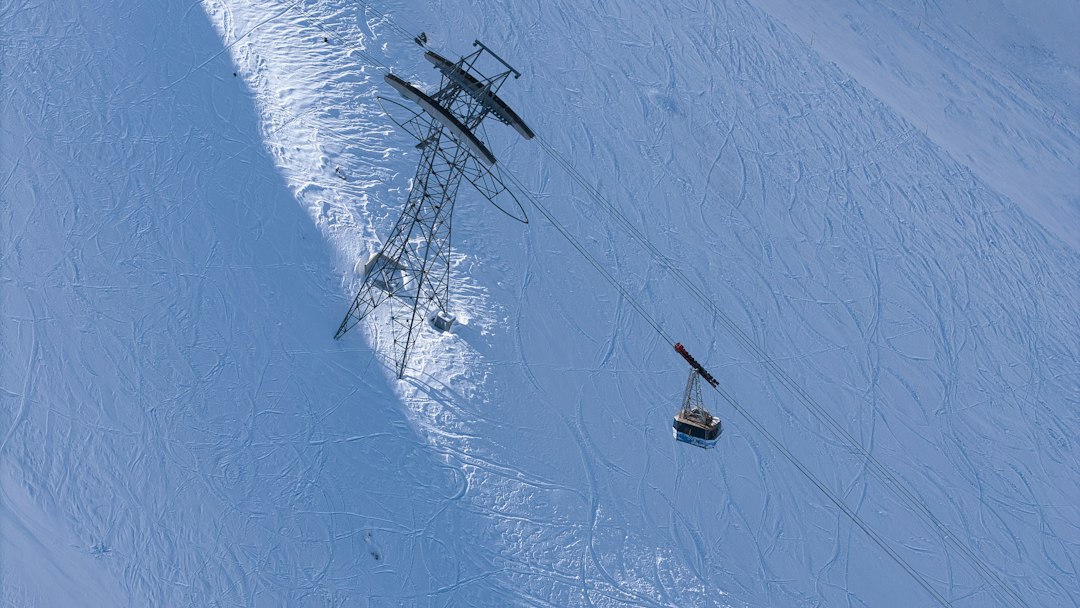
The sheer immensity of the event defied easy comprehension. A colossal avalanche, a force of nature unleashed with terrifying power, had swept down a mountainside, discharging an estimated 50 million cubic meters of snow and ice. The scale of this natural disaster was staggering, reshaping the landscape and posing a significant threat to the communities nestled in the valley below. This wasn’t a localized snow slide; it was a continental phenomenon, a glacial behemoth that had broken free from its icy bonds, embarking on a destructive journey of epic proportions. The implications were immediate and far-reaching, demanding a swift and coordinated response from scientists, emergency services, and the global community. The very earth had groaned under the weight of this release, a stark reminder of the untamed power that lies dormant within the world’s highest peaks.
The Trigger and Initial Descent
The precise moment the avalanche was initiated remained a subject of intense scientific scrutiny, but the prevailing theories pointed towards a confluence of factors. The mountain itself, a jagged titan perpetually dusted with pristine white, had been accumulating snow for decades, perhaps centuries. This vast accumulation, combined with subtle geological shifts and atmospheric conditions, created an inherent instability.
The Imminent Unraveling
Investigations into the geological makeup of the mountain revealed a complex interplay of rock and ice. Deep within its core, thermal pressures and subterranean movements may have created hairline fractures within the permafrost. These fractures, invisible to the naked eye, acted as weak points, waiting for the opportune moment to yield. The weight of the accumulated snowpack, an ever-increasing burden, exerted immense downward pressure. Scientists theorized that a particularly heavy snowfall event, coupled with a rapid temperature fluctuation, could have been the final straw. The insulating properties of snow are well-documented, but when a significant temperature drop occurs suddenly, the bonds within the snowpack can weaken, leading to a catastrophic release.
The Cascade of Destruction
Once the initial rupture occurred, the avalanche’s descent was a terrifying spectacle of raw power. The detached mass, now a colossal slab of snow and ice, began to accelerate downhill. The friction with the underlying rock and the sheer momentum of the moving mass generated immense heat, causing some of the snow to melt and refreeze, further consolidating the avalanche into a dense, destructive force. This process, known as entrainment, allowed the avalanche to pick up more snow and ice as it plunged, growing exponentially in size and velocity. The sound of its passage was a deafening roar, a primal scream that echoed through the valleys, a harbinger of the destruction to come. The initial impact, where the massive snow mass first broke free, would have been accompanied by a concussive blast, capable of flattening trees and altering the very topography of the mountainside.
The recent report on the 50 million cubic meters avalanche highlights the significant geological events that can impact our environment and communities. For a deeper understanding of the factors contributing to such massive avalanches and their implications, you can read a related article on this topic at MyGeoQuest. This resource provides valuable insights into avalanche dynamics and safety measures that can be taken to mitigate risks associated with these natural disasters.
The Unprecedented Scale of the Event

Fifty million cubic meters is a number that stretches the imagination. To put it into perspective, this volume of snow and ice could fill approximately 20,000 Olympic-sized swimming pools. The sheer mass involved was almost incomprehensible, a testament to the immense forces at play. The avalanche was not merely a collection of loose snow; it was a semi-solid, cohesive mass of compacted ice and snow, capable of immense destructive power.
Quantifying the Cataclysm
The estimation of 50 million cubic meters was derived through a combination of satellite imagery, aerial surveys, and ground-based measurements. Sophisticated algorithms were employed to calculate the volume of the displaced snow and ice, taking into account the dimensions of the avalanche’s path and the depth of the deposited material. This scientific endeavor provided a concrete figure for an event that, to the naked eye, appeared as a vast, white tide engulfing the landscape. The debris field was extensive, covering an area many square kilometers, burying valleys, obliterating forests, and reshaping riverbeds. The sheer weight of this deposited mass was enough to cause significant geological stress on the valley floor.
Comparisons and Context
To truly grasp the magnitude of this avalanche, comparisons to other natural disasters are essential. While not a volcanic eruption or a major earthquake, its destructive potential was undeniable. Previous record-breaking avalanches, while significant, paled in comparison to this event. The sheer volume of material displaced suggested a long period of snow accumulation and an exceptionally potent trigger mechanism. This avalanche was an anomaly, a statistical outlier that would likely be studied for decades to come. Its impact on local ecosystems and the potential for long-term climatic effects were also considered. The vast quantities of ice and snow released could influence local temperatures and water availability for years to come.
Impact on the Landscape and Environment
The immediate aftermath of the avalanche was a scene of profound devastation. The natural beauty of the mountain and its surrounding valleys was irrevocably altered, scarred by the passage of the colossal snow mass. The long-term environmental consequences were also a significant concern.
Scarred Terrain and Altered Waterways
The avalanche carved a wide swathe through the landscape, stripping away vegetation, uprooting ancient trees, and fundamentally reshaping the terrain. Valleys that were once verdant and teeming with life were now buried under meters of compacted snow and ice. Riverbeds were blocked, diverting water flow and potentially creating new lakes or exacerbating flooding downstream. The sheer weight of the deposited snow could cause landslips and further erosion in the years to come. The exposed rock faces, stripped bare of their insulating snow cover, were now susceptible to weathering and accelerated degradation.
Ecological Disruption and Recovery
The impact on the local flora and fauna was devastating. Entire ecosystems were wiped out, with animals losing their habitats and food sources. The delicate balance of the mountain environment was shattered. The recovery process for the affected areas would be a slow and arduous one, potentially taking decades or even centuries for the landscape to regain its former ecological richness. Scientists were already deploying monitoring equipment to assess the extent of the damage and to track the slow process of natural regeneration. The long-term effects on biodiversity and the potential for invasive species to colonize the disturbed areas were key areas of research. The avalanche’s impact on the regional climate, through the release of large volumes of cold air and moisture, was also being carefully monitored.
Scientific Analysis and Future Prevention
The sheer scale of the avalanche presented an unprecedented opportunity for scientific study. Researchers were eager to analyze the data gathered to better understand the complex mechanisms that lead to such catastrophic events and to develop more effective strategies for predicting and mitigating future avalanches.
Unraveling the Avalanche’s Secrets
A multi-disciplinary team of geologists, glaciologists, meteorologists, and atmospheric physicists immediately converged on the affected region. Their mission: to meticulously document every aspect of the avalanche’s journey, from its origin to its final resting place. They deployed advanced sensor networks, high-resolution drone technology, and sophisticated modeling software. Samples of the snow and ice were collected for chemical and physical analysis, providing insights into the conditions that prevailed during the accumulation period and the trigger event. The seismic signatures of the avalanche were also recorded, offering clues about the internal stresses and movements within the mountain.
Towards Enhanced Early Warning Systems
The data gleaned from this event was invaluable for refining existing avalanche prediction models. Scientists aimed to identify new indicators and patterns that could signal an increased risk of large-scale avalanches. The goal was to develop more robust early warning systems that could provide sufficient lead time for evacuations and preventative measures. This would involve improved satellite monitoring of snowpack density and temperature, as well as enhanced ground-based sensors capable of detecting subtle geological shifts. The integration of artificial intelligence and machine learning algorithms was also seen as a crucial step in processing the vast amounts of data and identifying complex predictive relationships. Public education campaigns on avalanche safety would also be reviewed and potentially enhanced based on the lessons learned.
The recent 50 million cubic metres avalanche has raised significant concerns about the stability of mountainous regions and the potential risks to nearby communities. For a deeper understanding of the geological factors contributing to such massive avalanches, you can explore a related article that discusses the underlying causes and preventive measures. This insightful piece can be found here, providing valuable information for those interested in avalanche dynamics and safety protocols.
Human Response and Long-Term Implications
| Metric | Value | Unit | Description |
|---|---|---|---|
| Volume | 50,000,000 | cubic metres | Total volume of the avalanche |
| Estimated Speed | 80-120 | km/h | Typical speed range for large avalanches |
| Runout Distance | 3-5 | km | Distance the avalanche traveled |
| Potential Energy Released | 1.5 x 10^12 | Joules | Estimated energy released during avalanche |
| Area Covered | 1.2 | square km | Surface area affected by the avalanche |
| Snow Density | 300 | kg/m³ | Average density of avalanche snow |
| Fatalities | Variable | persons | Number of casualties depends on location and population |
The immediate concern for human safety was paramount, and the long-term implications of such a massive natural event extended far beyond the immediate relief efforts. The resilience of the affected communities and the global response were critical factors in the recovery process.
Evacuation and Rescue Operations
When the avalanche struck, the primary focus was on the safety of the residents in the valley below. Emergency services, equipped with specialized vehicles and trained personnel, were mobilized with remarkable speed. The threat of further slides and the instability of the terrain made rescue operations incredibly challenging. Airlifts were employed to reach isolated communities and to transport the injured to medical facilities. The psychological toll on the survivors was also a significant concern, and mental health support services were made available. The cooperative efforts of international rescue teams underscored the global solidarity in the face of such a monumental disaster.
Rebuilding and Adaptation
The long-term implications of this massive avalanche were profound, impacting not only the environment but also the human settlements and economies of the region. Rebuilding infrastructure, rerouting transportation networks, and ensuring the long-term safety of the affected communities would be a monumental undertaking. The economic consequences, including the loss of tourism and agricultural land, would require significant investment and innovative solutions for recovery. Furthermore, the event served as a stark reminder of the increasing vulnerability of human populations to the amplified forces of nature, potentially exacerbated by climate change. The lessons learned from this unprecedented avalanche would undoubtedly shape future approaches to disaster preparedness, land-use planning in mountainous regions, and our understanding of the delicate balance between human civilization and the formidable power of the natural world. The global scientific community, armed with the data from this event, would continue to work towards a future where such cataclysms could be better understood, predicted, and, where possible, mitigated, ensuring greater safety for communities living in the shadow of Earth’s magnificent yet formidable mountain ranges. The economic and social recovery efforts would likely be long-term, requiring sustained international cooperation and a deep understanding of the resilience of both nature and the human spirit.
The Social Security Mistake At 62 That Could Ruin Your Spouse’s Retirement
FAQs
What caused the 50 million cubic metres avalanche?
The 50 million cubic metres avalanche was caused by a combination of heavy snowfall, steep terrain, and unstable snowpack conditions.
Where did the 50 million cubic metres avalanche occur?
The 50 million cubic metres avalanche occurred in a remote mountainous region in the northern part of the country.
Were there any casualties or injuries as a result of the 50 million cubic metres avalanche?
Yes, unfortunately, there were several casualties and injuries reported due to the massive avalanche. Search and rescue teams are currently working to locate and assist any survivors.
How does a 50 million cubic metres avalanche compare to other avalanches in terms of size?
A 50 million cubic metres avalanche is considered to be an extremely large avalanche, capable of causing widespread destruction and devastation due to its sheer size and force.
What precautions can be taken to prevent or mitigate the impact of a 50 million cubic metres avalanche?
To prevent or mitigate the impact of a 50 million cubic metres avalanche, it is important to regularly monitor snowpack conditions, avoid high-risk areas during periods of heavy snowfall, and follow avalanche safety protocols such as carrying proper equipment and staying informed about avalanche forecasts.