
Mapping the Global Geography of Ship Recycling
The colossal vessels that traverse the world’s oceans, carrying everything from raw materials to finished goods, are the arteries of global commerce. Yet, like any complex machinery, these ships eventually reach the end of their operational lives. The process of dismantling these behemoths, known as ship recycling, is a critical, albeit often overlooked, aspect of the maritime industry. Understanding the global geography of this sector reveals a complex interplay of economic forces, regulatory landscapes, environmental concerns, and social impacts, shaping where and how ships meet their final fate. This article aims to map this intricate global geography, exploring the dominant players, the underlying drivers, and the evolving challenges and opportunities within the ship recycling industry.
The vast majority of the world’s ship recycling activity is concentrated in a handful of countries, primarily in South and Southeast Asia. These regions have emerged as the undisputed leaders due to a confluence of factors, including labor availability, cost-effectiveness, and historical development. While the industry’s footprint is global, its heart beats strongly in specific locations.
The Indian Subcontinent: A Powerhouse of Recycling
The Indian subcontinent, particularly India and Pakistan, has historically been, and continues to be, a major player in the global ship recycling market. The sheer volume of tonnage processed here is staggering, often accounting for a significant percentage of the world’s total.
Alang, India: The World’s Largest Shipbreaking Yard
Alang, located in the western Indian state of Gujarat, is arguably the most recognizable name in ship recycling. This sprawling coastline, stretching for miles, is a graveyard for ships from around the globe. The sheer scale of operations in Alang is impressive, with hundreds of shipbreaking yards lining the shore. The economic benefits for the region are substantial, providing employment for tens of thousands of workers, albeit often in challenging and hazardous conditions. The industry’s presence has also spurred the development of ancillary businesses, from the sale of salvaged materials to the transportation of components.
Gadani, Pakistan: Another Significant Asian Center
While Alang dominates, Gadani in Pakistan also holds a significant position in the global ship recycling map. Similar to Alang, Gadani is characterized by its beaching method of recycling, where vessels are intentionally grounded on the shore for dismantling. The economic contribution to Pakistan is similarly important, though the environmental and safety concerns remain a persistent issue.
Southeast Asia: Emerging and Evolving Players
Beyond the Indian subcontinent, Southeast Asia has emerged as another crucial region for ship recycling, with Bangladesh and, to a lesser extent, the Philippines and Vietnam playing notable roles.
Chittagong, Bangladesh: A Growing Force
Chittagong, Bangladesh, has witnessed a rapid expansion in its ship recycling capacity in recent decades. This growth has been fueled by a readily available and relatively inexpensive labor force, coupled with an increasing demand for steel from the country’s burgeoning construction sector. The volumes handled by Chittagong are substantial, making it a key node in the global ship recycling network. However, like its counterparts, Chittagong faces persistent challenges related to worker safety and environmental protection.
Other Southeast Asian Contributions
While not on the same scale as the aforementioned countries, nations like the Philippines and Vietnam have also been involved in ship recycling. Their contributions may be more niche, focusing on specific types of vessels or salvaged materials, but they still form part of the broader geographical tapestry of the industry.
The geography of global ship recycling is a critical topic that highlights the environmental and economic implications of decommissioning vessels. For an in-depth exploration of this subject, you can refer to a related article that discusses the various locations and practices involved in ship recycling around the world. This article provides valuable insights into the challenges and opportunities faced by different countries in managing ship waste sustainably. To read more, visit MyGeoQuest.
The Driving Forces Behind the Geographical Distribution
The concentration of ship recycling activities in specific regions is not accidental. It is driven by a complex interplay of economic, social, and logistical factors that make these locations more attractive for shipowners looking to dispose of their aging fleets.
Economic Imperatives: Cost and Labor
The primary driver for the geographical distribution of ship recycling is economic. The cost of labor is a significant component of the overall recycling process. Countries with lower wages and a large pool of available workers naturally become more appealing destinations for ship dismantling.
The Labor Advantage
The availability of a large, often informal, labor force willing to undertake the physically demanding and often dangerous work of shipbreaking at lower wage rates is a crucial factor. This has historically propelled the development of the industry in South and Southeast Asia, where such labor conditions are prevalent.
The Value of Salvaged Materials
Ship recycling is not solely about scrap metal. A significant portion of the value derived from recycling comes from the sale of reusable parts and materials, such as engines, machinery, steel plates, and even furniture. The proximity of these yards to markets that demand these salvaged goods, or their efficient export, influences the geographical choices.
Regulatory Landscapes and Enforcement
The presence, or absence, of stringent environmental and safety regulations, and the effectiveness of their enforcement, also plays a significant role in shaping where ships are sent for recycling.
The Role of the Hong Kong Convention
The International Maritime Organization’s (IMO) Hong Kong Convention for the Safe and Environmentally Sound Recycling of Ships aims to establish global standards for ship recycling. While this convention is designed to create a more level playing field, its full ratification and effective implementation are still evolving. In the interim, the variations in national regulations and enforcement mechanisms create geographical disparities.
“Flags of Convenience” and Recycling Destinations
The practice of shipowners registering their vessels under “flags of convenience” often allows them to circumvent stricter regulations in their home countries. This can lead to older, more polluting ships being directed to countries with less rigorous environmental oversight and safety standards, further influencing the geographical concentration of recycling.
Logistical Considerations: Proximity and Infrastructure
The geographical location of recycling yards relative to the shipping routes and the operational areas of aging vessels is also a practical consideration.
Proximity to End-of-Life Vessels
For shipowners, minimizing the cost of sailing a vessel to a recycling yard is an important factor. Therefore, yards located closer to major shipping lanes or common areas where older ships are retired can become preferred destinations.
Port Infrastructure and Accessibility
The availability of deep-water ports, capable of accommodating large vessels, and the associated logistical infrastructure for towing, anchoring, and dismantling are essential for ship recycling operations. The presence of such facilities naturally attracts more business to specific locations.
Environmental and Safety Challenges in Ship Recycling
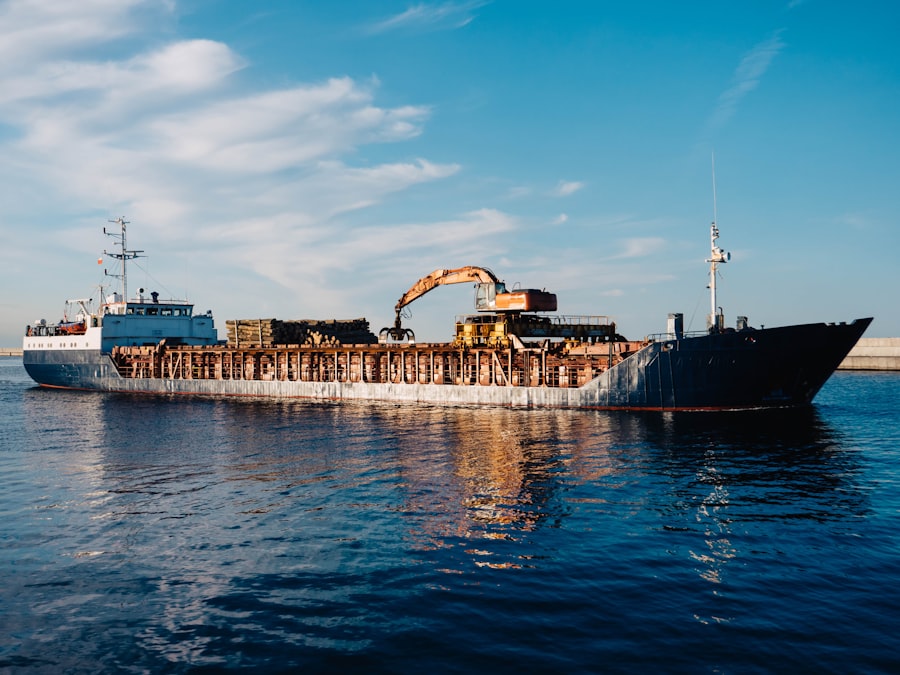
The ship recycling industry, particularly in its current geographically concentrated form, is fraught with significant environmental and safety challenges. These issues are not merely local concerns but have global implications, impacting ecosystems and human health.
The Environmental Footprint of Shipbreaking
The dismantling of ships, especially using traditional beaching methods, can have a substantial environmental impact. The legacy of past practices continues to resonate.
Hazardous Materials and Pollution
Ships are complex structures containing a multitude of hazardous materials, including asbestos, lead paint, PCBs (polychlorinated biphenyls), and ozone-depleting substances. Improper dismantling can lead to the release of these substances into the environment, contaminating soil, water, and air. The beaches themselves, where much of the dismantling takes place, can become heavily polluted.
Waste Management and Disposal
The sheer volume of waste generated from ship recycling, from oil residues to hazardous chemicals, presents a significant waste management challenge. In regions with inadequate waste disposal infrastructure, these materials can end up in uncontrolled dumpsites, further exacerbating environmental degradation.
Worker Safety and Health Concerns
The human cost of ship recycling in many of the dominant geographical hubs is a grave concern. The industry, as practiced in some locations, is notoriously dangerous.
High Accident Rates and Fatalities
The lack of proper safety equipment, inadequate training, and the inherent risks of working with heavy machinery and hazardous materials contribute to alarmingly high accident rates. Fatalities and serious injuries are a grim reality for many ship recycling workers.
Long-Term Health Impacts
Workers are often exposed to toxic substances over prolonged periods, leading to a range of chronic health problems, including respiratory illnesses, cancers, and neurological disorders. The lack of adequate healthcare and compensation for these workers further compounds their vulnerability.
The Evolution Towards Greener and Safer Practices
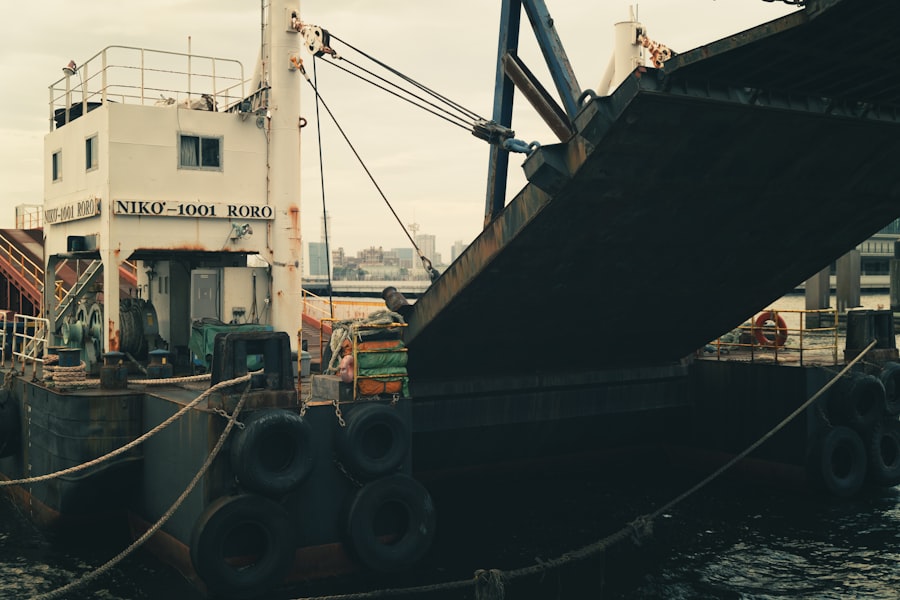
In response to mounting global pressure and increasing awareness of the environmental and social costs, there is a discernible shift towards more responsible and sustainable ship recycling practices. This evolution is gradually reshaping the geographical landscape of the industry.
The Influence of International Regulations and Conventions
International agreements and conventions are playing an increasingly vital role in driving change and setting global standards.
Implementing the Hong Kong Convention
The progressive ratification and implementation of the Hong Kong Convention are crucial. This convention mandates the development of Ship Recycling Plans and Inventory of Hazardous Materials for each ship, aiming to ensure safer and more environmentally sound recycling. As more countries adopt these standards, the geographical concentration of recycling may diversify.
Industry Self-Regulation and Best Practices
Beyond regulatory mandates, industry bodies and forward-thinking companies are increasingly promoting self-regulation and the adoption of best practices. This includes investing in safer dismantling technologies and improving worker welfare.
The Rise of “Green” Ship Recycling Facilities
A new breed of ship recycling facilities is emerging, characterized by their adherence to stringent environmental and safety standards. These facilities are often located in regions that are either investing in upgrading their existing infrastructure or in countries that are prioritizing responsible industrial development.
Technological Advancements in Recycling
Innovations in dismantling techniques, such as the use of floating docks for dismantling and the adoption of controlled environments for handling hazardous materials, are contributing to safer and more environmentally friendly recycling processes.
Investment in Worker Welfare and Training
Responsible recycling facilities are prioritizing the health, safety, and training of their workforce. This includes providing adequate personal protective equipment, regular health checks, and comprehensive safety training programs.
The geography of global ship recycling is a critical topic that highlights the environmental and economic implications of dismantling vessels at the end of their operational life. A related article explores the various locations around the world where ship recycling occurs, shedding light on the practices and regulations that govern this industry. For more insights, you can read the full article here. Understanding these dynamics is essential for addressing the challenges and opportunities within the ship recycling sector.
The Future Geography of Ship Recycling: A Shifting Landscape
| Country | Number of Ship Recycling Yards | Total Ship Recycling Capacity (in LDT) |
|---|---|---|
| India | 150 | 4,500,000 |
| Bangladesh | 80 | 2,500,000 |
| Pakistan | 30 | 1,000,000 |
| China | 20 | 800,000 |
The global geography of ship recycling is not static. It is a dynamic landscape shaped by an ongoing interplay of economic, regulatory, and ethical considerations. The future is likely to see a gradual shift away from the current concentrations and a move towards more responsible and sustainable practices.
Diversification and Increased Responsibility
As regulations become more stringent and awareness of the environmental and social impacts grows, the traditional hubs may face increased scrutiny. This could lead to a diversification of recycling locations, with more developed nations potentially developing their own recycling capabilities or engaging in partnerships with countries that demonstrate a commitment to responsible practices.
The Role of Emerging Markets and Technological Innovation
Emerging markets with a strong commitment to environmental stewardship and investment in modern recycling technologies could become increasingly important players. The development of advanced recycling facilities, employing innovative technologies, will be crucial in shaping the future geographical distribution.
The Ethical Imperative for Change
Ultimately, the future geography of ship recycling will be driven by an ethical imperative. As the global community recognizes the profound impact of shipbreaking on both the environment and human lives, there will be an increasing demand for practices that are not only economically viable but also socially responsible and environmentally sustainable. The mapping of this industry is not just an academic exercise; it is a crucial step in understanding and guiding its evolution towards a more responsible future.

The Beaches Global Trade Can’t Afford to Lose
FAQs
What is global ship recycling?
Global ship recycling refers to the process of dismantling and recycling old ships at specialized facilities around the world. This process involves breaking down the ship’s components and materials for reuse or disposal.
Where are the major ship recycling yards located?
The major ship recycling yards are located in countries such as India, Bangladesh, Pakistan, China, and Turkey. These countries have a significant presence in the global ship recycling industry due to factors such as lower labor costs and less stringent environmental regulations.
What are the environmental concerns associated with ship recycling?
Ship recycling can pose environmental concerns due to the release of hazardous materials such as asbestos, heavy metals, and toxic chemicals during the dismantling process. Improper disposal of these materials can lead to pollution of the surrounding land and water.
How does ship recycling contribute to the global economy?
Ship recycling contributes to the global economy by providing employment opportunities in the countries where the recycling yards are located. Additionally, the sale of recycled materials such as steel and other metals can generate revenue for the recycling industry.
What are the regulations governing ship recycling?
The International Maritime Organization (IMO) has developed the Hong Kong International Convention for the Safe and Environmentally Sound Recycling of Ships to regulate ship recycling practices. This convention aims to ensure that ship recycling is carried out in a safe and environmentally friendly manner.