Manhattan Rent vs. Local Wages: A Growing Disparity
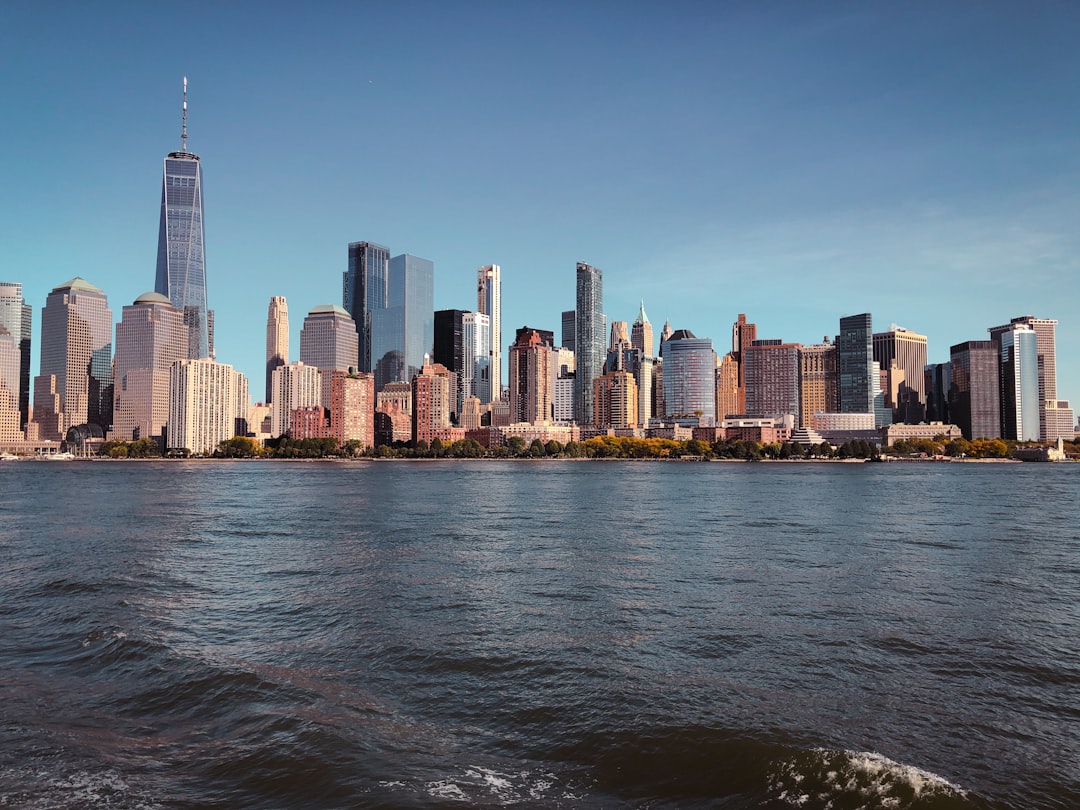
The iconic skyline of Manhattan, a global hub of finance, culture, and commerce, has long been associated with opportunity and prosperity. However, beneath the gleaming towers and bustling streets, a significant and widening chasm has emerged between the cost of housing and the income of its residents. This disparity is not a new phenomenon, but its acceleration in recent years presents a complex challenge, impacting the very fabric of the city and its ability to retain a diverse workforce and resident base.
Manhattan’s rental market is notoriously competitive, characterized by high demand and limited supply. This inherent tension, coupled with various economic forces, has propelled rents to extraordinary heights, often outpacing inflation and wage growth. The sheer desirability of living in Manhattan, despite its steep price tag, continues to fuel this upward trajectory.
Historical Context of Rent Increases
For decades, Manhattan rents have been on an upward trend. However, the pace of these increases has varied. In the late 20th century, while rents were certainly high, they were more often within reach for a broader segment of the population, particularly for those employed in burgeoning industries. The turn of the millennium and the subsequent decades have witnessed a more aggressive and sustained surge, influenced by factors like global capital investment and a strong influx of high-earning professionals.
Factors Contributing to Rent Inflation
Several interconnected factors contribute to the relentless rise in Manhattan rents. The fundamental law of supply and demand plays a crucial role. The island’s limited landmass restricts the construction of new residential buildings, thereby capping the supply of housing. Meanwhile, persistent demand, driven by job growth in high-paying sectors, migration to the city, and international interest in Manhattan real estate, keeps vacancy rates low and bidding wars common.
The Impact of Luxury Development
A significant portion of new housing development in Manhattan has been concentrated in the luxury segment. These high-end condominiums and rental buildings, while adding to the overall housing stock, cater to a demographic with considerable disposable income. This focus on luxury development, while profitable for developers, can exacerbate the scarcity of more affordable housing options, indirectly pushing up rents across the board as individuals seeking less expensive alternatives are forced into a tighter market.
The Role of Institutional Investors
The increasing presence of institutional investors in the Manhattan rental market has also been a contributing factor. Large investment firms, seeking stable returns, acquire vast portfolios of apartment buildings. Their operational strategies often prioritize maximizing profit, which can translate to aggressive rent increases and a less tenant-friendly approach compared to smaller, independent landlords. This professionalization of the rental market can contribute to a more standardized, and often higher, price point.
The Psychological and Social Ramifications
The escalating cost of rent in Manhattan has profound psychological and social ramifications for its residents. The constant pressure of affording housing can lead to increased stress, anxiety, and a sense of instability. For many, the dream of homeownership in Manhattan has become an almost unattainable aspiration, relegating them to perpetual renting and the uncertainty that accompanies it. This economic precariousness can influence life choices, such as starting families or pursuing less lucrative but personally fulfilling careers.
In exploring the dynamics of housing affordability in Manhattan, a related article on the topic of average rent versus local wages can provide valuable insights. This article delves into the challenges residents face as they navigate the high cost of living in the city, particularly in relation to their income levels. For further information, you can read more about this pressing issue in the article available at MyGeoQuest.
The Stagnation and Fragmentation of Local Wages
In stark contrast to the soaring rents, wage growth for a significant portion of Manhattan’s workforce has been comparatively sluggish. While certain industries, particularly finance and technology, command exceptionally high salaries, the median income for many other professions has not kept pace with the cost of living. This creates a widening gap, making it increasingly difficult for essential workers, service industry employees, creatives, and those in public sector roles to afford to live in the borough they serve.
Wage Trends Across Different Sectors
Manhattan’s economy is characterized by significant wage stratification. The finance, technology, and legal sectors continue to offer some of the highest average salaries globally. However, these high-paying jobs represent a smaller percentage of the overall workforce. Many other sectors, including retail, hospitality, education, healthcare, and arts and culture, which are vital to the city’s functioning and vibrancy, offer substantially lower wages. The growth in these lower and middle-income jobs has not been accompanied by commensurate wage increases.
The Impact of Minimum Wage Policies
While minimum wage increases have been implemented in New York City, the statutory minimum can still be insufficient to cover the exorbitant cost of rent in Manhattan for many individuals. Furthermore, the gap between the minimum wage and a livable wage in such a high-cost environment remains a persistent challenge. The cost of basic necessities, beyond rent, also contributes to the financial strain on low-wage earners.
The Rise of the Gig Economy
The proliferation of the gig economy has also contributed to wage fragmentation. While offering flexibility, many gig economy jobs lack the benefits, stability, and predictable income streams associated with traditional employment. This can leave workers in these roles particularly vulnerable to the economic pressures of Manhattan’s rental market, as their income can fluctuate significantly, making consistent rent payments a challenge.
The Erosion of the Middle Class
The growing disparity between high earners and the rest of the population has been linked to an erosion of the middle class in Manhattan. Families and individuals who might have once considered themselves comfortably middle class are finding it increasingly difficult to maintain that status when a substantial portion of their income is dedicated solely to housing. This can lead to a decline in discretionary spending, impacting local businesses and the overall economic vitality of the borough.
The Consequences of the Growing Disparity
The widening chasm between rent and wages in Manhattan has far-reaching consequences, impacting not only individuals but also the city’s economy, social cohesion, and cultural diversity. If left unaddressed, these consequences could fundamentally alter the character of Manhattan.
The Exodus of Essential Workers
Perhaps one of the most immediate and concerning consequences is the increasing difficulty for essential workers – nurses, teachers, firefighters, transit workers, and service industry professionals – to afford to live in Manhattan. These are the individuals who keep the city running, yet they are being priced out of its most desirable borough. This forces them to endure arduous commutes from more affordable areas, impacting their work-life balance and potentially leading to recruitment and retention issues in critical public service sectors.
The Impact on Public Services
A shrinking pool of residents who can afford to live in Manhattan to work in public service roles can have tangible negative impacts on the quality and accessibility of those services. Longer commutes can lead to fatigue and decreased efficiency for workers. Furthermore, a lack of local presence can diminish a workforce’s connection to the community they serve.
The Economic Ripple Effect
The departure of essential workers means less disposable income being spent locally on goods and services within Manhattan. This impacts small businesses, restaurants, and shops that rely on the patronage of local residents. The vibrant street life that defines Manhattan can diminish as the economic base becomes less diverse and more reliant on a select high-income segment.
The Homogenization of Neighborhoods
As rental prices escalate, neighborhoods can become increasingly homogenized. Those with lower and middle incomes are systematically displaced, and the demographic makeup of once diverse communities shifts. This loss of diversity can lead to a more monotonous urban environment, where unique character and cultural richness are diminished.
Loss of Cultural Vibrancy
Many of the cultural institutions, independent businesses, and artistic communities that have historically defined Manhattan’s unique appeal rely on the presence of individuals from diverse socioeconomic backgrounds. When these individuals are priced out, these cultural pillars are threatened. The creative energy that fuels innovation and artistic expression can wane when the very people who generate it can no longer afford to live in the city.
The Diminishing of Social Mobility
Manhattan has long been seen as a place of opportunity and social mobility. However, the current rental market creates a significant barrier to entry. For individuals starting with fewer financial resources, the prospect of establishing themselves and building wealth in Manhattan becomes increasingly challenging when so much of their income is consumed by rent. This can perpetuate cycles of inequality.
The Strain on Infrastructure and Public Transport
As more individuals are forced to live further away from their workplaces in Manhattan due to housing costs, the demand on public transportation infrastructure increases. This can lead to overcrowding and strain on services, impacting the daily commutes of all residents. Similarly, increased reliance on private vehicles from distant suburbs to avoid public transport costs can exacerbate traffic congestion and environmental issues.
Addressing the Disparity: Potential Solutions and Challenges
The multifaceted nature of the Manhattan rent vs. wage disparity means that there is no single, simple solution. A comprehensive approach involving policy changes, innovative housing initiatives, and economic development strategies is necessary. However, implementing these solutions faces significant political, economic, and logistical challenges.
Increasing Housing Supply and Affordability
One of the most frequently cited solutions is to increase the supply of housing. However, given Manhattan’s geography, this is a complex undertaking. Strategies include streamlining the building process, incentivizing the construction of affordable housing units, and exploring innovative housing models.
Zoning Reform and Inclusionary Zoning
Reforming existing zoning laws to allow for greater density and a wider variety of housing types could help increase supply. Inclusionary zoning policies, which require developers to include a certain percentage of affordable units in new developments, are another tool that can contribute to affordability. However, these policies can face opposition from existing residents concerned about neighborhood character and potential impacts on property values.
Rent Stabilization and Control Measures
Rent stabilization and rent control policies aim to limit excessive rent increases for existing tenants. While these measures can provide immediate relief to some, they are often debated regarding their long-term impact on new construction and market dynamics. Critics argue that overly strict controls can disincentivize new development, potentially further constricting supply in the long run.
Wage Growth and Economic Empowerment
Complementary to housing solutions, strategies to foster wage growth and economic empowerment for a broader segment of the population are crucial. This involves investing in education and job training programs, supporting small businesses, and advocating for fair wages across all sectors.
Investing in Education and Workforce Development
Providing access to quality education and robust workforce development programs can equip individuals with the skills needed for higher-paying jobs. This can include vocational training, apprenticeships, and continuing education opportunities that align with the evolving demands of the city’s economy.
Supporting Small Businesses and Local Economies
Small businesses are often the backbone of neighborhood economies. Policies that support their growth, such as access to capital, reduced regulatory burdens, and business development assistance, can help create jobs and stimulate local economic activity, potentially leading to more stable and higher-paying employment opportunities.
The Role of Government and Policy
Government intervention at local, state, and federal levels is essential to address this complex issue. This includes developing long-term affordable housing plans, enacting tenant protections, and investing in public transportation and infrastructure that supports a diverse population.
Public-Private Partnerships
Collaborations between public and private entities can leverage resources and expertise to develop innovative solutions. These partnerships can facilitate the creation of affordable housing projects, fund job training initiatives, and explore new models for urban development.
Tenant Protections and Advocacy
Strengthening tenant protections and supporting tenant advocacy groups can empower renters and provide a voice for those most affected by housing insecurity. This can include legal aid for tenants facing eviction and policies that promote fair landlord-tenant relationships.
In recent discussions about the affordability of living in Manhattan, a compelling article highlights the stark contrast between average rent prices and local wages. This analysis sheds light on the challenges many residents face when trying to balance their budgets in such a competitive market. For those interested in exploring this topic further, you can read more about the implications of these economic factors in the article found here. Understanding the dynamics of rent and wages is crucial for anyone considering a move to this vibrant city.
The Long-Term Outlook for Manhattan
| Year | Manhattan Average Rent | Local Wages |
|---|---|---|
| 2015 | 3,800 | 65,000 |
| 2016 | 3,900 | 67,000 |
| 2017 | 4,000 | 70,000 |
| 2018 | 4,100 | 72,000 |
| 2019 | 4,200 | 75,000 |
The disparity between Manhattan rent and local wages presents a critical juncture for the borough. The path forward is uncertain, and the choices made in the coming years will determine the future character of Manhattan. Will it become an enclave exclusively for the wealthy, or can it retain its vibrancy and appeal as a diverse and accessible city?
The Risk of Losing its Soul
If the current trends continue unchecked, Manhattan risks losing its soul. The vibrant tapestry of cultures, professions, and socio-economic backgrounds that has historically made it a unique and dynamic place could unravel. The creative energy, the diverse perspectives, and the essential services that are the lifeblood of the city could be irrevocably diminished.
The Urgency for Action
The growing disparity is not merely an economic inconvenience; it is a social and cultural crisis. The urgency for thoughtful, decisive, and collaborative action cannot be overstated. Addressing this challenge requires a commitment to finding solutions that benefit all residents, ensuring that Manhattan remains a place of opportunity and dynamism for generations to come.
The Global Context of Urban Inequality
It is important to recognize that the challenges faced in Manhattan are not unique. Cities around the world are grappling with similar issues of housing affordability and wage stagnation. However, the scale and intensity of the problem in Manhattan, given its global prominence, make it a particularly pressing case study for understanding and addressing urban inequality in the 21st century. The lessons learned and the solutions implemented (or not implemented) in Manhattan can offer valuable insights for other urban centers facing similar pressures.
FAQs
What is the average rent in Manhattan?
The average rent in Manhattan is around $4,200 per month for a one-bedroom apartment, and around $6,500 per month for a two-bedroom apartment.
What are the local wages in Manhattan?
The average annual wage in Manhattan is around $85,000, which translates to a monthly income of approximately $7,083.
How does the average rent in Manhattan compare to local wages?
The average rent in Manhattan is significantly higher than the local wages, making it challenging for many residents to afford housing in the area.
What factors contribute to the high cost of rent in Manhattan?
The high demand for housing, limited availability of affordable housing, and the desirability of living in Manhattan all contribute to the high cost of rent in the area.
Are there any initiatives or programs in place to address the issue of high rent relative to local wages in Manhattan?
There are various affordable housing initiatives and programs in place in Manhattan to help address the issue of high rent relative to local wages, including rent stabilization and affordable housing lotteries.