The ceaseless rhythm of the ocean, a force of nature both beautiful and formidable, has long dictated the lives of coastal communities. Yet, in recent decades, this rhythm has begun to shift, a subtle but profound alteration driven by human activity. Rising sea levels, once a slow geological process, have accelerated dramatically, presenting an unprecedented challenge to populations and ecosystems worldwide. Understanding the multifaceted human impact driving this phenomenon and exploring effective drainage methods are paramount to navigating this new reality.
The Earth’s climate system is a delicate balance, and human actions have demonstrably tipped that balance towards warming. This warming directly influences sea level rise through two primary mechanisms: thermal expansion of seawater and the melting of terrestrial ice. The vast majority of scientific consensus points to anthropogenic greenhouse gas emissions as the principal driver of this accelerated warming, and consequently, of the escalating sea levels.
Greenhouse Gas Emissions: The Primary Culprit
The industrial revolution, powered by the burning of fossil fuels – coal, oil, and natural gas – unleashed vast quantities of carbon dioxide (CO2) into the atmosphere. These greenhouse gases trap heat, acting like a blanket around the planet, causing global temperatures to rise. While CO2 is the most significant, other greenhouse gases like methane (CH4) and nitrous oxide (N2O), also released through human activities such as agriculture and industrial processes, contribute to this warming effect. The Intergovernmental Panel on Climate Change (IPCC), in its successive reports, has provided increasingly robust evidence linking human activities to observed warming trends, with sea level rise being a direct consequence.
The Carbon Cycle Disruption
Humans have significantly altered the natural carbon cycle. Forests, which act as crucial carbon sinks, absorbing CO2 from the atmosphere, have been cleared for agriculture, urbanization, and resource extraction. This deforestation not only releases stored carbon but also diminishes the Earth’s capacity to absorb future emissions. Furthermore, changes in land use, such as the conversion of wetlands and grasslands to other purposes, can also disrupt carbon sequestration processes.
Melting Ice Sheets and Glaciers: A Gigantic Reservoir Released
The warming atmosphere and oceans have a profound impact on the Earth’s frozen reserves. Glaciers, those ancient rivers of ice found in mountain ranges around the world, are shrinking at an alarming rate. Their meltwater flows into the oceans, directly contributing to sea level rise. Even more significant are the vast ice sheets covering Greenland and Antarctica. These colossal bodies of ice hold enough water to raise global sea levels by many meters if they were to melt completely. Satellite data and ground-based measurements consistently show accelerated rates of ice loss from these regions, a stark indicator of the planet’s warming trajectory.
Greenland’s Retreat
The Greenland ice sheet is a major contributor to global sea level rise. Warmer air temperatures lead to increased surface melting, while warmer ocean waters can erode the ice sheet from below, particularly in areas where glaciers flow into the sea. The calving of massive icebergs, once a rare spectacle, is becoming increasingly frequent as these glaciers destabilize. This rapid melting and disintegration of Greenland’s ice is a direct manifestation of human-induced climate change.
Antarctica’s Vulnerability
Antarctica, particularly the West Antarctic Ice Sheet, is also showing signs of significant melt. Similar to Greenland, warming ocean waters are playing a crucial role in destabilizing the ice shelves that buttress the glaciers. The collapse of these ice shelves can lead to a rapid acceleration of glacial flow into the ocean, further increasing sea level. While the East Antarctic Ice Sheet is generally considered more stable, certain regions are also experiencing warming and potential melt.
Thermal Expansion: Water Takes Up More Space When Warm
Beyond the addition of new water from melting ice, the oceans themselves are expanding as they absorb excess heat from the atmosphere. Water, like most substances, expands when it is heated. The vastness of the oceans means that even a small increase in temperature leads to a significant increase in volume. This thermal expansion is a substantial contributor to current sea level rise, and its contribution is projected to increase as global temperatures continue to climb.
The Ocean’s Heat Sink Role
The oceans have absorbed over 90% of the excess heat trapped by greenhouse gases. This buffering effect has slowed the rate of atmospheric warming, but at the cost of warming the oceans themselves. This absorbed heat not only drives thermal expansion but also has profound impacts on marine ecosystems, leading to coral bleaching, changes in fish migration patterns, and ocean deoxygenation.
In exploring the fascinating concept of how humans can drain a sea, one can find insightful information in a related article that delves into the environmental and engineering implications of such an endeavor. This article discusses the historical context, potential methods, and the ecological consequences of draining large bodies of water. For a deeper understanding of this topic, you can read more about it in the article available at this link.
The Consequences of a Swelling Ocean
The implications of rising sea levels are far-reaching, affecting coastal environments, human settlements, and the global economy. Vulnerable communities, often located in low-lying areas, are on the front lines of this crisis, facing immediate and existential threats.
Coastal Erosion and Inundation
As sea levels rise, coastlines are subjected to increased wave action and storm surges, leading to accelerated erosion. Beaches shrink, cliffs crumble, and valuable coastal infrastructure is threatened. Inundation, the permanent submergence of land, is becoming a reality for many low-lying areas. This loss of land not only displaces communities but also destroys vital habitats for wildlife and agricultural land.
Disappearing Islands
Small island nations, particularly those in the Pacific Ocean, are facing the most immediate and severe threat. Many of these islands have elevations of only a few meters above sea level, making them acutely vulnerable to even modest rises. The very existence of some of these nations is in question, raising complex issues of climate refugees and international responsibility.
Saltwater Intrusion: A Threat to Freshwater Resources
Rising sea levels push saltwater further inland, contaminating freshwater aquifers and estuaries. This saltwater intrusion can render agricultural land unusable, as crops are unable to tolerate high salt concentrations. It also threatens the availability of fresh drinking water for coastal communities, forcing them to seek alternative, often more expensive, sources.
Impact on Agriculture
Coastal agricultural regions rely on a delicate balance of freshwater and brackish water. Saltwater intrusion disrupts this balance, leading to reduced crop yields, salinization of soils, and in severe cases, abandonment of farmland. This has significant implications for food security, particularly in regions heavily dependent on coastal agriculture.
Increased Risk of Extreme Weather Events
While not solely caused by sea level rise, the combination of higher sea levels and more frequent and intense storm surges amplifies the destructive power of coastal storms. Hurricanes, typhoons, and cyclones become more devastating as they encounter higher sea levels, leading to more extensive flooding and greater damage to coastal infrastructure and communities.
Amplified Storm Surges
A storm surge is the abnormal rise of water generated by a storm, over and above the predicted astronomical tide. When this surge occurs on top of an already elevated sea level, its impact is magnified. Areas that were once safe from flooding can now be regularly inundated during storm events.
Economic and Social Disruptions
The economic consequences of sea level rise are substantial. Coastal tourism, fisheries, agriculture, and real estate are all at risk. The cost of protecting coastlines through hard engineering solutions like seawalls and dikes is enormous, and for many communities, adaptation and relocation may be the only viable long-term solutions. Socially, the displacement of communities, loss of cultural heritage, and increased competition for resources can lead to significant unrest and conflict.
Infrastructure Under Threat
Major coastal cities around the world are home to critical infrastructure, including ports, power plants, transportation networks, and residential areas. These are all vulnerable to the impacts of sea level rise, requiring significant investment in adaptation measures or facing the prospect of costly relocation or abandonment.
Drainage Methods: Adapting to the Inundation
As coastal regions grapple with rising sea levels, effective drainage methods become crucial for managing water, protecting infrastructure, and maintaining habitability. These methods range from traditional approaches to innovative, nature-based solutions, each with its own set of advantages and challenges.
Traditional Engineering Solutions
For decades, the primary approach to managing coastal water has been through engineered structures designed to physically hold back the sea. These “gray infrastructure” solutions have played a significant role in protecting coastal areas, but they often come with a high environmental and economic cost.
Seawalls and Dikes
Seawalls and dikes are impermeable barriers constructed along the coastline to prevent inundation. While effective in the short to medium term, they can lead to the loss of natural coastal habitats, such as beaches and salt marshes, which provide important ecological services and natural flood defenses. They can also be prone to overtopping or breaching during extreme events, and their maintenance and repair can be costly.
Pumping Stations and Stormwater Management
In low-lying urban areas, pumping stations are often employed to remove excess water from the land during periods of high tides or heavy rainfall. These systems require continuous operation and can be vulnerable to power outages during storms. Stormwater management systems, including canals and drainage networks, are also essential for channeling water away from populated areas.
Reinforcement and Upgrading
Existing infrastructure, such as seawalls and dikes, may require significant reinforcement and upgrading to withstand higher sea levels and more intense storm surges. This can involve increasing their height, strengthening their foundations, and improving their overall resilience. However, this is often a costly and ongoing process.
Nature-Based Solutions: Working with the Environment
Increasingly, there is a recognition that working with natural processes can provide more sustainable and resilient solutions to sea level rise. These “green infrastructure” approaches leverage the protective services offered by healthy ecosystems.
Salt Marsh and Mangrove Restoration
Salt marshes and mangrove forests are natural buffers that can absorb wave energy, reduce coastal erosion, and trap sediments. Restoring and expanding these vital ecosystems can provide significant flood protection, enhance biodiversity, and sequester carbon. They are also self-sustaining and can adapt to rising sea levels to a certain extent.
The Ecosystem Services of Coastal Wetlands
These wetlands act as sponges, absorbing excess water and releasing it slowly, thus mitigating flooding. Their complex root systems bind soil, preventing erosion, and they provide crucial nursery grounds and habitats for a wide array of marine and terrestrial species.
Living Shorelines
Living shorelines are a more integrated approach that combines natural elements like vegetation, oyster reefs, and sand with some structural components. They aim to stabilize shorelines, reduce erosion, and create new habitat while providing flood protection. This approach is often more adaptable and less ecologically damaging than traditional hard structures.
Oyster Reefs as Natural Breakwaters
Oyster reefs, when healthy, can act as natural breakwaters, dissipating wave energy before it reaches the shore. They also improve water quality and provide habitat for numerous marine organisms.
Dune Restoration and Beach Nourishment
Coastal dunes act as natural barriers against storm surges and erosion. Restoring and enhancing dune systems through planting vegetation and adding sand can significantly improve coastal resilience. Beach nourishment, the process of adding sand to eroded beaches, can also help to maintain a protective buffer, though it is often a temporary and resource-intensive solution.
Integrated Coastal Zone Management (ICZM)
Effective management of coastal areas requires a holistic approach that considers all aspects of the environment, economy, and society. Integrated Coastal Zone Management (ICZM) aims to achieve sustainable development of coastal areas by balancing competing demands and incorporating adaptation strategies for sea level rise.
Stakeholder Engagement and Collaboration
Successful ICZM relies on the active participation of all stakeholders, including government agencies, local communities, businesses, and environmental organizations. Collaboration and communication are essential for developing and implementing effective adaptation plans.
Land Use Planning and Zoning
Strategic land use planning and zoning regulations can help to guide development away from the most vulnerable areas and to promote the use of resilient building practices. This includes discouraging new development in high-risk zones and considering managed retreat from areas that are no longer sustainable.
Early Warning Systems and Disaster Preparedness
Robust early warning systems for coastal hazards, such as storm surges and tsunamis, are critical for saving lives and minimizing damage. Comprehensive disaster preparedness plans, including evacuation procedures and emergency response protocols, are also essential for building resilience.
The Future of Coastal Living: Adaptation and Resilience
The reality of rising sea levels is no longer a distant threat; it is a present challenge demanding urgent and multifaceted action. While the human impact has been the primary driver of this phenomenon, human ingenuity and a commitment to sustainability offer pathways to adaptation and resilience.
The Imperative of Mitigation
Ultimately, the most effective way to manage sea levels is to address the root cause: climate change. Significant reductions in greenhouse gas emissions are essential to slow the rate of warming and, consequently, the rate of sea level rise. This requires a global transition to renewable energy sources, increased energy efficiency, and sustainable land management practices.
Global Climate Agreements and National Policies
International agreements like the Paris Agreement, along with robust national policies that set ambitious emission reduction targets and promote climate action, are crucial for driving the necessary global change.
Embracing Adaptation Strategies
Alongside mitigation, adaptation is a vital component of managing the inevitable impacts of sea level rise. This involves a range of strategies, from implementing effective drainage methods to re-evaluating land use and developing resilient infrastructure.
Innovative Technologies and Planning
The development and deployment of new technologies, such as advanced forecasting models, flood-resistant building materials, and innovative water management systems, will be critical. Furthermore, proactive and long-term planning, considering future sea level rise scenarios, is essential for making informed decisions about coastal development and infrastructure investment.
The Role of Education and Awareness
Raising public awareness about the causes and consequences of sea level rise, as well as the available adaptation strategies, is fundamental. An informed populace can advocate for policy changes, support sustainable practices, and actively participate in community-level adaptation efforts.
Building Community Resilience
Empowering local communities with the knowledge and resources to develop their own adaptation plans is crucial. This includes fostering a sense of shared responsibility and encouraging collaborative efforts to build resilience against the challenges posed by a changing climate.
In recent discussions about environmental impacts, the concept of how humans can drain a sea has garnered attention, highlighting the intricate relationship between human activity and natural water bodies. For a deeper understanding of this phenomenon and its implications, you can explore a related article that delves into the various methods and consequences of such actions. This insightful piece can be found here, providing valuable perspectives on the environmental challenges we face.
Conclusion: Navigating the Rising Tide Together
| Methods of Draining a Sea | Impact on the Environment |
|---|---|
| Building Dams and Dikes | Disrupts natural habitats and ecosystems |
| Diverting Rivers and Streams | Alters water flow and can lead to loss of biodiversity |
| Pumping and Dredging | Can cause sedimentation and disrupt marine life |
| Land Reclamation | Destroys coastal wetlands and natural shorelines |
The management of sea levels is a complex and interconnected challenge, inextricably linked to human impact and demanding a comprehensive approach to drainage and adaptation. The scientific evidence is clear: human activities are driving unprecedented sea level rise, threatening coastal communities and ecosystems worldwide. While the challenges are immense, so too is humanity’s capacity for innovation, collaboration, and adaptation. By understanding the intricate relationship between human actions and the rising tides, and by diligently implementing a spectrum of drainage methods, from robust engineering to nature-based solutions, coastal regions can strive to navigate this evolving reality. The future of coastal living depends on our collective commitment to both mitigating climate change and building a more resilient world.
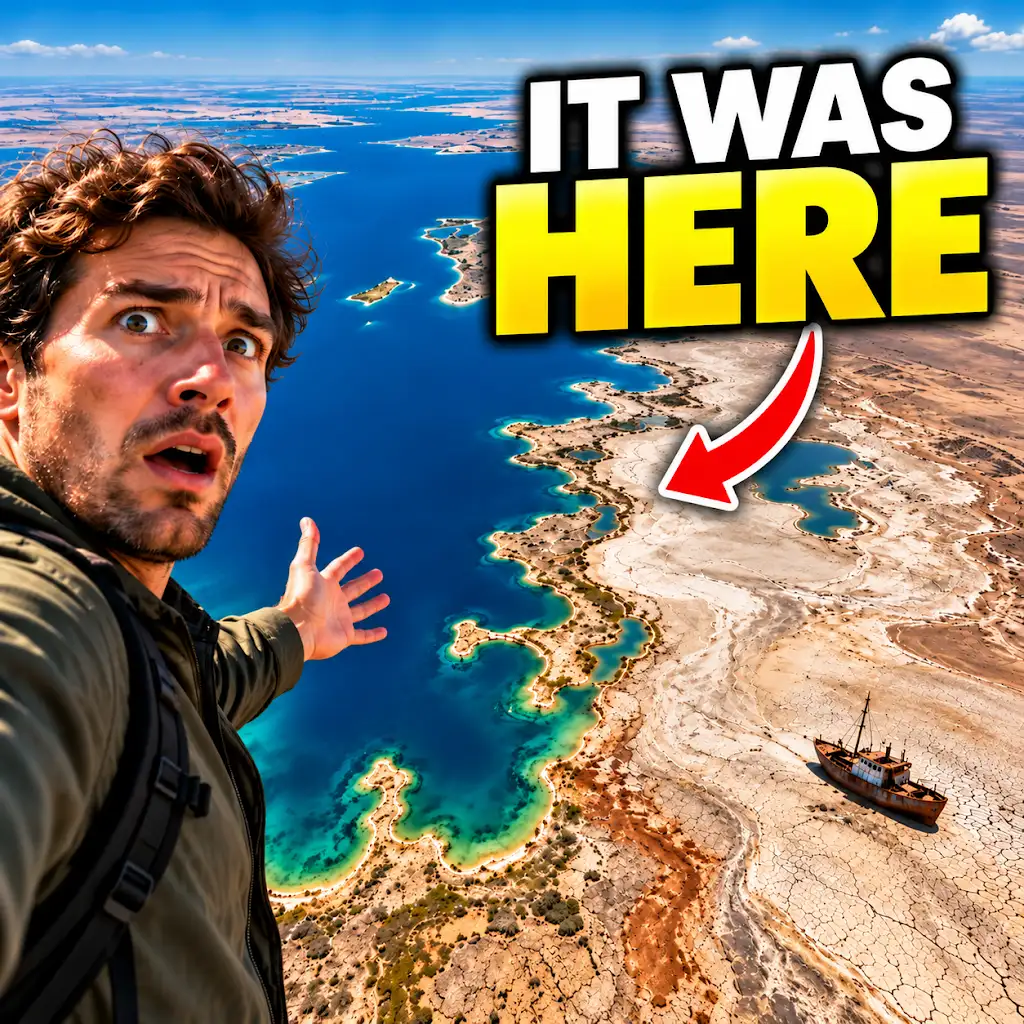
The Sea the Soviet Union Erased From the Map
FAQs
1. How do humans drain a sea?
Humans can drain a sea by constructing barriers such as dikes, dams, or levees to block the flow of water into the sea. They can also pump water out of the sea using large-scale pumping systems.
2. What are the reasons for draining a sea?
There are several reasons for draining a sea, including creating new land for agriculture or urban development, reclaiming land for infrastructure projects, controlling flooding, or extracting minerals and resources from the seabed.
3. What are the potential environmental impacts of draining a sea?
Draining a sea can have significant environmental impacts, including loss of habitat for marine life, disruption of ecosystems, and potential contamination of surrounding land and water sources. It can also lead to increased erosion and saltwater intrusion into freshwater sources.
4. Are there regulations and restrictions on draining a sea?
Many countries have regulations and restrictions in place to govern the draining of seas and other bodies of water. These regulations often require environmental impact assessments and permits before any draining activities can take place.
5. Can draining a sea be reversed?
In some cases, the effects of draining a sea can be reversed through restoration efforts such as removing barriers, restoring natural water flow, and reestablishing habitats for marine life. However, the process of reversing the effects of sea drainage can be complex and costly.