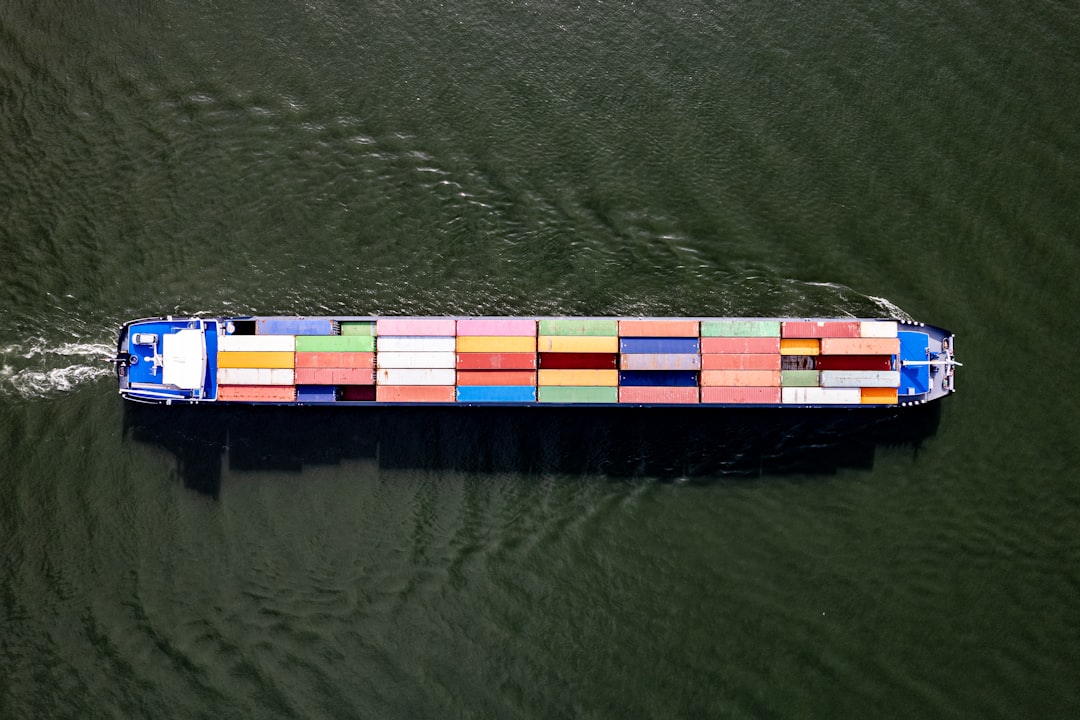
Global shipping, a titan of commerce, constantly grapples with the inevitable reality of aging vessels. These ships, once the lifeblood of international trade, eventually reach a point where their operational efficiency dwindles, their environmental impact becomes unsustainable, and their economic viability diminishes. Managing these old ships is not merely a logistical challenge; it’s a complex interplay of economic, environmental, safety, and ethical considerations that defines global shipping’s approach. This article delves into the multifaceted strategies and evolving practices employed by the industry to navigate the lifecycle of its aging fleet.
The lifespan of a commercial vessel is a finite one, dictated by a confluence of factors that lead to its eventual obsolescence. Understanding this process is the first step in effectively managing the end-of-life for these maritime giants.
Material Fatigue and Structural Integrity
Over years of relentless service, subjected to the corrosive embrace of saltwater, the constant stress of waves, and the sheer weight of cargo, a ship’s hull and internal structures undergo significant wear and tear. Metal fatigue, a gradual weakening of materials under repeated stress, is a primary concern. This can manifest as hairline cracks, deformation, and a general loss of tensile strength.
Corrosion: The Unseen Enemy
Saltwater is a formidable adversary. The electrochemical process of corrosion attacks steel hulls, pipes, and machinery, progressively weakening them. While regular maintenance, painting, and cathodic protection systems are implemented to mitigate corrosion, they cannot halt its relentless march indefinitely. The cumulative effect over decades significantly compromises structural integrity.
Fatigue Cracks and Stress Concentration
Repetitive loading and unloading of cargo, the flexing of the hull in rough seas, and the stresses induced by maneuvering all contribute to metal fatigue. These can lead to the formation of microscopic cracks that, over time, grow and propagate, potentially leading to catastrophic structural failure if not detected and addressed. Special attention is paid to areas of high stress concentration, such as around openings in the hull and at points of structural reinforcement.
Technological Obsolescence and Efficiency Gains
Beyond physical degradation, ships also become outdated from a technological standpoint. Modern vessels often boast significant improvements in fuel efficiency, navigation systems, cargo handling capabilities, and environmental compliance features that older ships simply cannot match.
Fuel Consumption and Operational Costs
Older engines are generally less fuel-efficient than their modern counterparts. This translates into higher operating costs, making older vessels less competitive in a market increasingly sensitive to fuel prices. The difference in fuel consumption between a decade-old bulk carrier and a newly built one can be substantial, impacting profitability.
Evolving Regulatory Landscape and Environmental Compliance
International maritime regulations, driven by growing environmental awareness and concerns about pollution, are constantly evolving. Older ships may struggle to meet increasingly stringent standards for emissions, ballast water management, and waste disposal. Retrofitting older vessels to meet these new standards can be prohibitively expensive, often rendering them uneconomical to operate.
Navigation and Safety Enhancements
Modern navigation aids, such as advanced radar, GPS, and automatic identification systems (AIS), have significantly improved maritime safety. Older vessels may lack these cutting-edge technologies, potentially putting them at a disadvantage in terms of situational awareness and collision avoidance. Safety regulations themselves also evolve, requiring older ships to undergo more frequent and rigorous inspections.
Economic Viability and Market Demands
Ultimately, the decision to retire a ship is often driven by economic factors. The cost of maintaining an aging vessel, coupled with its reduced earning potential, can make it an unprofitable asset.
Repair and Maintenance Costs
As ships age, the frequency and cost of repairs and maintenance tend to increase. Major overhauls, replacements of worn-out components, and compliance with new regulations can quickly escalate expenses, eating into profit margins.
Declining Freight Rates and Market Competition
The global shipping market is highly competitive. Older, less efficient vessels are often at a disadvantage when competing for cargo against newer, more fuel-efficient ships. This can lead to lower charter rates, further diminishing the economic viability of older tonnage.
Residual Value and Scrapping Economics
The value of an old ship diminishes significantly as it approaches the end of its operational life. Its primary residual value lies in its scrap metal content. The economics of scrapping, therefore, become a crucial consideration in the decision-making process.
In recent discussions about the sustainability of global shipping, the handling of old ships has emerged as a critical topic. An insightful article that delves into this issue can be found at MyGeoQuest, where it explores the various methods employed by the shipping industry to manage decommissioned vessels. The piece highlights the environmental implications of shipbreaking practices and the importance of adopting more responsible recycling processes to mitigate the impact on our oceans and coastal communities.
Strategies for Managing Aging Fleets
The shipping industry employs a range of strategies to manage its aging fleet, balancing economic realities with safety and environmental responsibilities. These strategies are not static but evolve with technological advancements and shifting regulatory priorities.
Extended Service Life and Refurbishment Programs
For vessels that still possess a reasonable degree of structural integrity and can be economically upgraded, extending their service life through refurbishment is a viable option. This approach aims to maximize the return on investment from existing assets.
Mid-Life Refits and Upgrades
Many shipping companies undertake significant refurbishment programs at the mid-point of a vessel’s expected lifespan. These can include hull strengthening, engine overhauls or replacements, and upgrades to cargo handling equipment. The goal is to bring the vessel closer to modern operational standards.
Conversion and Repurposing
In some instances, older ships can be converted for different purposes. For example, a tanker might be converted into a specialized offshore support vessel, or a container ship might be adapted for specialized cargo transport. This allows for a second life and can be more cost-effective than building a new vessel for a niche market.
Enhancing Fuel Efficiency Technologies
Refurbishment efforts often focus on improving fuel efficiency. This can involve installing new, more efficient engines, optimizing propeller designs, or implementing advanced hull coatings that reduce drag. These upgrades directly address rising fuel costs and environmental concerns.
Retirement and Decommissioning: A Planned End
When refurbishment is no longer economically feasible or safe, ships are retired and decommissioned. This process is increasingly subject to stringent regulations to minimize environmental impact and ensure worker safety.
Green Ship Recycling and Responsible Decommissioning
The industry is moving towards “green ship recycling,” where vessels are dismantled in a manner that minimizes pollution and maximizes the recovery of materials. This involves careful planning, specialized facilities, and adherence to international conventions like the Hong Kong Convention for the Safe and Environmentally Sound Recycling of Ships.
Dismantling and Material Recovery
The process involves the systematic dismantling of the ship, with careful separation and recovery of materials such as steel, copper, and other valuable metals. Hazardous materials, such as asbestos and PCBs, are handled and disposed of according to strict environmental regulations.
Scrapping Yards and Global Network
A global network of ship-breaking yards, primarily located in countries with established recycling infrastructure, handles the dismantling process. The selection of a yard is critical, with increasing emphasis placed on ethical labor practices and environmental standards.
Fleet Modernization and Newbuild Programs
To proactively manage aging, shipping companies continuously invest in newbuild programs, replacing older vessels with state-of-the-art, more efficient, and environmentally compliant ships. This ensures the fleet remains competitive and sustainable.
Investment in Next-Generation Vessels
The construction of new vessels is a significant undertaking, driven by market demand and the desire to incorporate the latest technologies. These new ships often feature advanced hull designs, energy-efficient propulsion systems, and emission reduction technologies.
Balancing Newbuilds with Existing Fleet Management
The decision to invest in newbuilds is a strategic one, often involving a careful balance between the cost of new construction and the ongoing expenses of operating older vessels. Companies aim to optimize their fleet composition for maximum profitability and compliance.
Technological Advancements in Shipbuilding
Shipyards are constantly innovating, offering more efficient construction methods and incorporating advanced materials and propulsion systems into new vessels, further accelerating the obsolescence of older ships.
Regulatory Compliance and Safety Standards
Adherence to a complex web of international and national regulations is paramount throughout a ship’s lifecycle, especially as it ages. Non-compliance can lead to significant penalties and operational disruptions.
International Maritime Organization (IMO) Regulations
The IMO sets global standards for maritime safety and environmental protection. As ships age, they are subject to stricter inspections and must meet evolving requirements for emissions, ballast water, and safety equipment.
Classification Society Standards
Classification societies, such as Lloyd’s Register and DNV GL, play a crucial role in ensuring ships meet safety and structural integrity standards. Older ships require more frequent and stringent surveys by these societies.
Flag State Administration Requirements
Each ship is registered under a specific “flag state,” which is responsible for ensuring that the vessel complies with its maritime laws and international conventions. Flag states have their own inspection regimes and enforcement mechanisms.
The Environmental Imperative: A Growing Concern
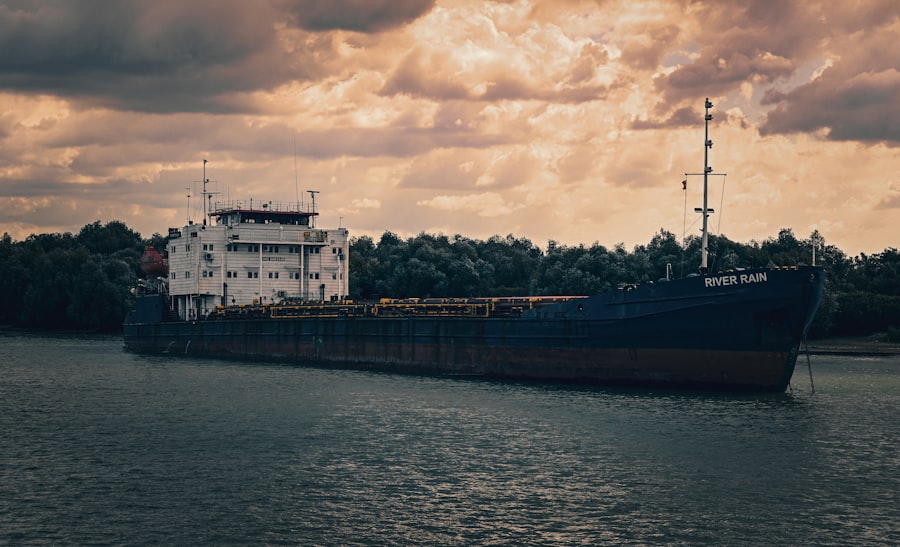
The environmental impact of aging ships is a significant driver for their retirement and the adoption of greener management practices. The industry faces increasing pressure to minimize its ecological footprint.
Emissions and Pollution Control
Older ships, particularly those with less efficient engines, can be significant emitters of greenhouse gases, sulfur oxides (SOx), and nitrogen oxides (NOx). Their operational lifespan often predates the widespread implementation of advanced emission control technologies.
Legacy Fuel Oil and its Impact
Many older vessels still rely on heavy fuel oil, a cheaper but more polluting fuel. The sulfur content in this fuel contributes to acid rain and respiratory problems. Regulations like IMO 2020 have forced many older vessels to either switch to lower-sulfur fuels or install exhaust gas cleaning systems (scrubbers).
Ballast Water Management and Invasive Species
Older ships may not have modern ballast water treatment systems, which are crucial for preventing the spread of invasive aquatic species from one marine ecosystem to another. The discharge of untreated ballast water can have devastating ecological consequences.
Oil Spills and Waste Management
While less common with modern safety standards, the risk of oil spills from older, potentially less robust vessels remains a concern. Proper waste management, including the safe disposal of bilge water and sewage, is also critical.
End-of-Life Environmental Management
The responsible decommissioning of ships is crucial to prevent pollution and minimize harm to marine environments and coastal communities.
Hazardous Material Identification and Removal
Older ships may contain hazardous materials like asbestos, PCBs, and lead-based paints. These must be carefully identified, safely removed, and disposed of according to strict environmental protocols before a ship is scrapped.
Preventing Pollution during Scrapping
Shipbreaking operations, if not conducted responsibly, can lead to pollution from leaks of oil, fuel, and other hazardous substances. Green ship recycling initiatives aim to mitigate these risks through regulated processes and containment measures.
The Role of International Conventions
The Hong Kong Convention, once ratified and implemented by a sufficient number of states, will provide a global framework for the safe and environmentally sound recycling of ships, addressing many of the environmental challenges associated with end-of-life vessels.
Economic Realities and Market Dynamics
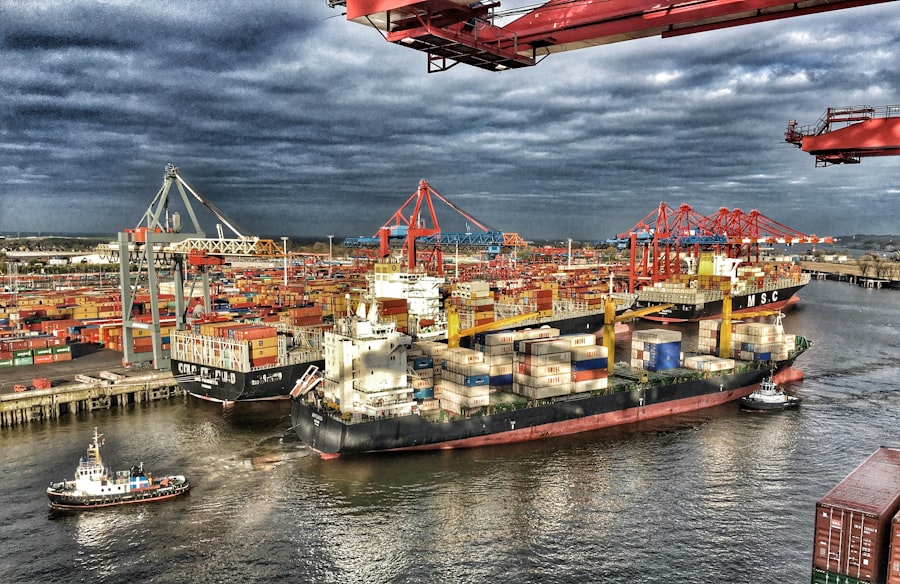
The decision to retire or refurbish an aging vessel is intrinsically linked to economic factors. The global shipping market is a volatile environment where profitability dictates strategic choices.
The Cost of Maintenance vs. Replacement
As a ship ages, the cost of maintaining it in a safe and operational condition tends to escalate. This includes regular surveys, repairs, and potential upgrades to meet new regulations. At some point, the cumulative cost of maintenance can exceed the economic benefits of continued operation.
Deferred Maintenance and its Risks
Some operators may be tempted to defer maintenance to save costs, but this carries significant risks. Structural weaknesses can develop, leading to safety hazards and potentially expensive emergency repairs.
The Life-Cycle Cost Analysis
A thorough life-cycle cost analysis is crucial for decision-making. This involves projecting all costs associated with a vessel throughout its operational life, including acquisition, operation, maintenance, and eventual decommissioning. Comparing these costs for an aging vessel versus a newbuild provides a clear economic picture.
The Charter Market and Vessel Values
The charter market, where vessels are hired out for specific voyages or periods, significantly influences the profitability of older ships. The market value of a vessel also depreciates over time.
Impact of Charter Rates on Older Tonnage
When charter rates are high, even older, less efficient vessels can find employment. However, in a depressed market, these vessels are often the first to be laid up or scrapped as they struggle to compete.
Residual Value and Scrapping Prices
The residual value of an old ship is largely its scrap metal value. Fluctuations in global steel prices can impact the profitability of scrapping. Shipping companies carefully monitor these prices when making decisions about retiring vessels.
The Influence of Fuel Prices
Fuel costs are a major component of a ship’s operating expenses. The price of bunker fuel has a direct impact on the competitiveness of older, less fuel-efficient vessels.
Fuel Price Volatility
The inherent volatility of global oil prices means that a sudden surge can render older ships uneconomical to operate very quickly. This encourages a proactive approach to fleet modernization.
The Drive for Fuel Efficiency
The persistent desire for fuel efficiency, driven by both economic and environmental concerns, is a constant factor pushing for the retirement of older, less efficient ships and the adoption of newer technologies.
The issue of how global shipping manages old ships is becoming increasingly important as environmental regulations tighten and sustainability becomes a priority. A related article explores the various methods used to decommission and recycle aging vessels, highlighting innovative practices that aim to minimize environmental impact. For more insights on this topic, you can read the article here. As the shipping industry evolves, understanding these processes will be crucial for ensuring a greener future.
The Future of Ship Management and Aging Fleets
| Aspect | Details |
|---|---|
| Ship Recycling | Global shipping industry recycles old ships to recover materials and reduce environmental impact. |
| Regulations | International Maritime Organization (IMO) sets regulations for safe and environmentally sound ship recycling. |
| Shipbreaking Yards | Old ships are often sent to specialized shipbreaking yards in countries like India, Bangladesh, and Turkey. |
| Environmental Concerns | Proper handling of hazardous materials such as asbestos, PCBs, and heavy metals is a priority during ship recycling. |
| Worker Safety | Efforts are made to ensure safe working conditions for laborers involved in shipbreaking activities. |
The approach to managing old ships is not static. Continuous innovation, evolving regulations, and a growing emphasis on sustainability are shaping the future of this critical aspect of global shipping.
Advancements in Predictive Maintenance and AI
The integration of artificial intelligence (AI) and advanced sensor technology is revolutionizing ship maintenance. Predictive maintenance systems can analyze data from various ship components to anticipate failures before they occur, allowing for proactive repairs and potentially extending a vessel’s operational life.
Data Analytics for Hull and Engine Health
AI algorithms can process vast amounts of data from hull stress sensors, engine performance monitors, and environmental conditions to identify subtle signs of wear and tear that might be missed by traditional inspection methods.
Optimized Maintenance Schedules
By accurately predicting component lifespan and potential failure points, AI can optimize maintenance schedules, reducing downtime and minimizing the need for costly emergency repairs. This can make older vessels more economically viable for a longer period.
The Rise of Autonomous and Semi-Autonomous Vessels
While still in its nascent stages, the development of autonomous and semi-autonomous vessels could significantly impact the future of fleet management. These vessels may have different design considerations and maintenance requirements.
Reduced Crewing and Operational Costs
Autonomous vessels could lead to reduced crewing requirements, potentially lowering operational costs. This might make it more feasible to operate vessels with higher degrees of automation, even if they are older designs.
New Paradigms for Ship Design and Lifecycle Management
The advent of autonomous shipping may necessitate a rethinking of ship design and how their entire lifecycle, including end-of-life management, is approached.
The Circular Economy and Ship Recycling
The principles of the circular economy are increasingly being applied to ship recycling. The goal is to move beyond simple dismantling and towards maximizing the reuse and repurposing of materials and components.
Enhanced Material Recovery and Valorization
Future recycling processes will likely focus on more sophisticated methods for extracting and processing valuable materials from decommissioned ships, turning them into resources for other industries.
Design for Deconstruction
Shipbuilders are beginning to consider “design for deconstruction” principles, incorporating features that make vessels easier to dismantle and recycle at the end of their operational lives.
Global Collaboration and Standardized Practices
As the challenges of managing aging fleets become more pronounced, there is a growing need for greater global collaboration and the standardization of best practices, particularly in areas like green ship recycling.
International Cooperation on Regulations and Enforcement
Ensuring consistent enforcement of environmental and safety regulations across different flag states and shipbreaking nations is crucial for a truly sustainable approach to managing aging vessels.
Knowledge Sharing and Technology Transfer
Sharing best practices and facilitating the transfer of advanced recycling technologies to developing nations can elevate global standards and ensure responsible decommissioning worldwide.
In conclusion, managing old ships is an intricate and evolving challenge for global shipping. It requires a comprehensive understanding of the physical and technological degradation of vessels, coupled with strategic approaches that balance economic viability with increasingly stringent environmental and safety regulations. From extended service life and refurbishment to responsible decommissioning and the embrace of new technologies, the industry is continually adapting its strategies to navigate the twilight years of its fleet, ensuring a more sustainable and responsible maritime future.

The Beaches Global Trade Can’t Afford to Lose
FAQs
1. What happens to old ships when they are no longer in use?
Old ships are typically sold to shipbreaking yards, where they are dismantled and their materials are recycled or reused.
2. How are old ships transported to shipbreaking yards?
Old ships are often towed to shipbreaking yards by tugboats, where they are then dismantled in a process known as shipbreaking.
3. What environmental considerations are taken into account when handling old ships?
Global shipping companies are increasingly focused on environmentally responsible ship recycling, ensuring that hazardous materials are properly disposed of and that recycling processes are carried out in an environmentally sustainable manner.
4. What are the main materials that are recycled from old ships?
Old ships contain a variety of materials that can be recycled, including steel, aluminum, copper, and other metals, as well as glass, plastic, and other materials used in ship construction.
5. How does global shipping ensure compliance with international regulations when handling old ships?
Global shipping companies adhere to international regulations such as the Hong Kong International Convention for the Safe and Environmentally Sound Recycling of Ships, which sets out guidelines for the safe and environmentally friendly recycling of ships.