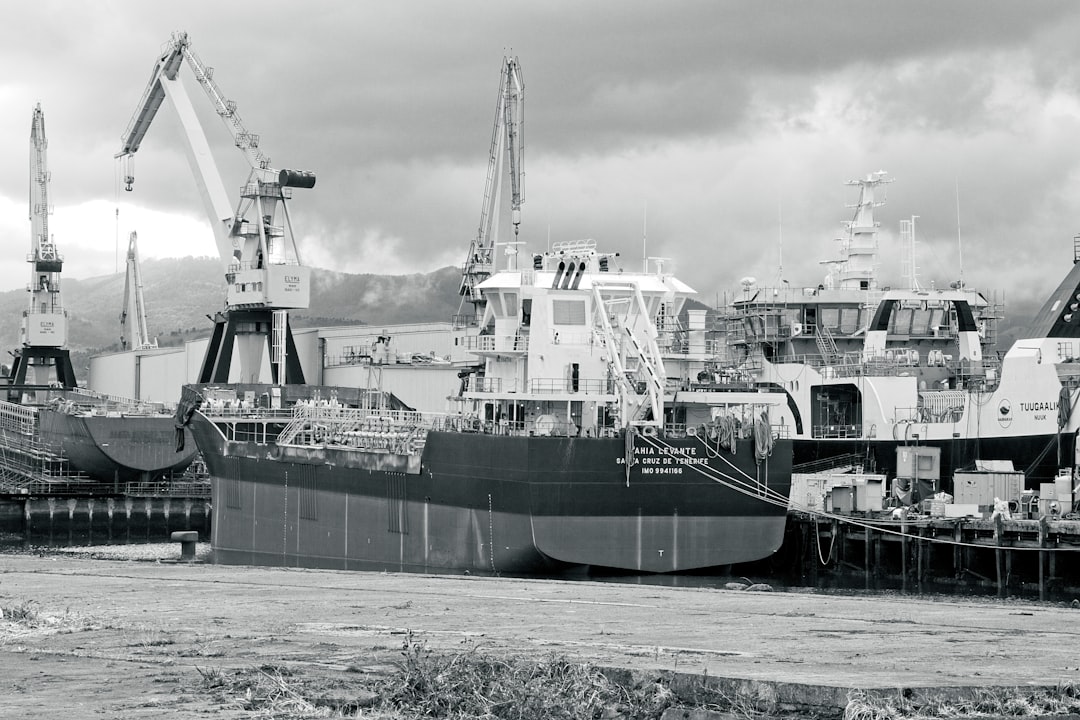
The vast expanse of the Caspian Sea, a cradle of remarkable oil and gas reserves, has long been a cornerstone of energy production for the region and beyond. For decades, the industry has driven economic growth, fueling progress and development. However, as these monumental offshore structures reach the twilight of their operational lives, a new and significant challenge emerges: the effective and responsible management of decommissioning liabilities. This article delves into the complexities of this critical phase, exploring the multifaceted considerations, strategic approaches, and regulatory frameworks essential for navigating the end-of-life journey for Caspian oil rigs.
Decommissioning, in the context of offshore oil and gas infrastructure, refers to the planned and systematic removal of facilities, platforms, wells, and associated equipment at the end of their economic or operational life. The liabilities associated with this process are not merely financial; they encompass a broad spectrum of responsibilities, including technical, environmental, safety, and legal obligations.
The Scope of Decommissioning Activities
The undertaking of decommissioning is a complex logistical and engineering feat. It is akin to dismantling a skyscraper at sea, but with the added layers of hazardous materials, historical contamination, and a sensitive marine environment. The scope typically involves:
- ## Rig Shutdown and Preparation: This initial phase involves isolating the facility, safely removing any remaining hydrocarbons, and conducting thorough assessments of the structural integrity and potential environmental hazards. It is the careful drawing of a final curtain before the rigorous work of dismantling begins.
- ### Well Plugging and Abandonment: A crucial and often lengthy process, this involves sealing wells to prevent any future leakage of hydrocarbons or other fluids into the environment. Imagine sealing off ancient arteries to ensure they never bleed again. This requires meticulous attention to detail and the use of specialized materials and techniques.
- ### Platform and Structure Removal: This is the most visible aspect of decommissioning and can involve complex techniques such as topside dismantling, jacket removal, and subsea infrastructure salvage. The choice of method often depends on the size and type of structure, water depth, and prevailing environmental conditions.
- ### Subsea Infrastructure Decommissioning: This includes the removal or management of pipelines, umbilicals, anchors, and other buried or submerged equipment. These silent sentinels of past production must also be addressed, often involving specialized underwater robotics and divers.
- ### Site Remediation and Monitoring: Once infrastructure is removed, the seabed and surrounding areas may require remediation to address any residual environmental impact. Ongoing monitoring is often necessary to ensure the long-term health of the marine ecosystem. This is the final act of restoration, leaving the stage as clean as possible.
Financial and Economic Considerations
The financial burden of decommissioning can be substantial. Companies must factor in the projected costs throughout the operational life of the rig, often setting aside funds in dedicated decommissioning trusts or reserves.
- ## Cost Estimation and Forecasting: Accurately predicting decommissioning costs is a significant challenge. It requires a deep understanding of engineering processes, material costs, labor, regulatory compliance, and potential unforeseen circumstances. The crystal ball required here is built from detailed engineering plans and market analysis, not magic.
- ### Funding Mechanisms and Financial Assurance: Various mechanisms are employed to ensure that funds are available for decommissioning. These can include ring-fenced accounts, performance bonds, insurance policies, and parent company guarantees. The goal is to build a robust financial safety net.
- ### Tax and Accounting Treatment: Decommissioning costs have important implications for corporate tax and accounting practices. Companies need to adhere to specific regulations regarding the recognition and amortization of these liabilities. This is the financial housekeeping that ensures fiscal responsibility.
- ### Economic Viability of Decommissioning Options: In some cases, alternative decommissioning strategies, such as partial removal or the conversion of platforms for other purposes (e.g., artificial reefs), may be considered. The economic feasibility of these options must be carefully weighed against full removal. The industry is constantly seeking innovative, cost-effective, and environmentally sound solutions.
Decommissioning liabilities for Caspian oil rigs are a significant concern for both environmental and economic reasons, as the costs associated with dismantling and restoring these sites can be substantial. For a deeper understanding of the complexities involved in managing these liabilities, you can refer to a related article on the topic at MyGeoQuest. This resource provides insights into the regulatory frameworks and best practices for ensuring safe and responsible decommissioning in the region.
Regulatory Frameworks and International Standards
The decommissioning of offshore facilities is a highly regulated activity, with national governments and international bodies establishing stringent rules and guidelines to protect the environment and ensure safety. The Caspian region, with its shared water bodies and diverse national interests, presents a unique regulatory landscape.
- ## National Regulations in Caspian Littoral States: Each country bordering the Caspian Sea (Azerbaijan, Iran, Kazakhstan, Russia, and Turkmenistan) has its own specific laws and regulations governing offshore E&P activities, including decommissioning. These frameworks often draw upon international best practices but are tailored to local conditions and legal systems. Understanding this patchwork of rules is paramount.
- ### Permitting and Approval Processes: Companies must obtain numerous permits and approvals from national regulatory bodies before undertaking any decommissioning activities. This often involves submitting detailed decommissioning plans, environmental impact assessments, and safety management systems for review and approval. It is a gauntlet of paperwork and scrutiny.
- ### International Conventions and Agreements: While the Caspian Sea is technically an inland sea, international conventions related to maritime pollution, waste management, and safety can still influence decommissioning practices. Adherence to standards developed by organizations like the International Maritime Organization (IMO) and the International Association of Oil & Gas Producers (IOGP) is often expected. These are the guiding stars that shape responsible practice.
- ### Environmental Protection Standards: Regulations typically mandate strict adherence to environmental protection standards, including measures to prevent pollution, protect marine life, and manage hazardous waste. The aim is to minimize the ecological footprint of decommissioning activities. The ocean’s resilience varies, and its protection is a shared responsibility.
Strategic Planning for Decommissioning
Effective decommissioning is not an afterthought; it is a strategic imperative that must be integrated into the entire lifecycle of an oil and gas asset, from exploration and production to cessation of operations. Proactive planning is the cornerstone of successful and cost-effective decommissioning.
- ## Integrating Decommissioning into Asset Lifecycle Management: Decommissioning considerations should be incorporated into the initial design and development phases of offshore facilities. This can lead to the selection of modular designs, the use of less complex materials, and the anticipatory planning for eventual removal. Building with the end in mind can save immense future headaches.
- ### Early-Stage Planning and Costing: Commencing decommissioning planning early in an asset’s life allows for more accurate cost estimations, the identification of potential logistical challenges, and the development of robust technological solutions. Time is an invaluable ally in this endeavor.
- ### Risk Assessment and Mitigation: A comprehensive risk assessment framework is essential to identify and mitigate potential hazards associated with decommissioning, including technical risks, environmental risks, safety risks, and financial risks. Understanding the potential pitfalls allows for better navigation.
- ### Stakeholder Engagement and Communication: Effective engagement with all stakeholders, including regulatory bodies, local communities, environmental groups, and industry partners, is crucial for building trust and ensuring a smooth decommissioning process. Open dialogue fosters understanding and cooperation.
Technological Innovations and Best Practices
The decommissioning landscape is constantly evolving, driven by technological advancements and the continuous pursuit of best practices. Innovation plays a vital role in making decommissioning safer, more efficient, and environmentally responsible.
- ## Advanced Removal Techniques: New technologies are emerging for the safe and efficient removal of complex offshore structures. These include advanced cutting tools, heavy-lift vessels, and remote-operated vehicles (ROVs) for subsea operations. The toolkit for dismantling is constantly being refined.
- ### Environmental Monitoring and Assessment Technologies: Sophisticated tools are available for monitoring the marine environment during and after decommissioning. These include sonar, seabed sampling, and biological surveys, which help assess the impact and guide remediation efforts. Understanding the sea’s response is critical.
- ### Sustainable Decommissioning Approaches: The industry is increasingly exploring sustainable decommissioning options, such as the reuse of salvaged materials, the conversion of platforms for new purposes, and the minimization of waste generation. This is about being a good steward of resources.
- ### Knowledge Sharing and Collaboration: Sharing knowledge and best practices across the industry is vital for accelerating progress in decommissioning. Industry forums, research initiatives, and collaborations between operators and service providers are crucial in this regard. The collective wisdom of the industry is a powerful force.
Decommissioning liabilities for Caspian oil rigs have become a pressing concern as the region faces increasing environmental scrutiny and regulatory demands. The complexities involved in safely dismantling these structures require significant financial planning and expertise. For a deeper understanding of the challenges and strategies associated with this issue, you can read a related article that explores the financial implications and best practices in the industry. This informative piece can be found here.
The Future of Caspian Decommissioning
| Metric | Value | Unit | Notes |
|---|---|---|---|
| Number of Oil Rigs | 15 | units | Active rigs in Caspian Sea region |
| Estimated Decommissioning Cost per Rig | 120 | million | Average cost to dismantle and restore site |
| Total Decommissioning Liability | 1800 | million | Aggregate estimated cost for all rigs |
| Annual Provision for Decommissioning | 150 | million | Yearly amount set aside for liabilities |
| Expected Decommissioning Start Year | 2030 | year | Projected year to begin dismantling |
| Regulatory Compliance Cost | 10 | million | Additional costs for environmental regulations |
The Caspian Sea is a region of immense energy potential, and as the existing infrastructure ages, the management of decommissioning liabilities will only grow in importance. The long-term sustainability of the region’s energy sector, and indeed its marine environment, hinges on the responsible execution of these end-of-life processes.
- ## Long-Term Planning and Legacy Management: The challenges of decommissioning extend beyond the immediate removal of structures. Long-term planning is required to address potential legacy issues, such as orphaned wells, residual contamination, and the ongoing monitoring of the marine environment. This is about ensuring a clean bill of health for generations to come.
- ### Capacity Building and Skill Development: The growth in decommissioning activities will require skilled personnel and specialized expertise. Investing in training and capacity building within the Caspian region will be essential for meeting future demands. A skilled workforce is a crucial asset.
- ### International Cooperation and Harmonization: Given the shared nature of the Caspian Sea, continued international cooperation and efforts to harmonize regulatory frameworks and best practices will be beneficial for all littoral states. A united front is stronger.
- ### Innovation in Decommissioning Financing and Insurance: The industry may see further innovation in financing and insurance models to better cover the significant costs associated with decommissioning, ensuring that liabilities are adequately addressed without unduly burdening future generations. Smart financial architecture is key.
In conclusion, the management of decommissioning liabilities for Caspian oil rigs is a complex, multi-faceted challenge that demands foresight, strategic planning, and a commitment to environmental stewardship. As the industry enters this new phase, embracing technological innovation, adhering to robust regulatory frameworks, and fostering strong international cooperation will be paramount to ensuring a safe, responsible, and environmentally sound transition for these vital offshore assets. The legacy of Caspian energy production will, in part, be defined by how effectively this critical end-of-life chapter is managed. This is not just about saying goodbye to old structures; it is about building a sustainable future for both the energy sector and the pristine environment of the Caspian Sea.
FAQs
What are decommissioning liabilities for Caspian oil rigs?
Decommissioning liabilities refer to the financial obligations that oil companies must fulfill to safely dismantle and remove oil rigs and related infrastructure in the Caspian Sea once they reach the end of their productive life. This includes environmental restoration and waste disposal.
Why is decommissioning important for Caspian oil rigs?
Decommissioning is crucial to prevent environmental damage, ensure safety, and comply with legal and regulatory requirements. Proper decommissioning helps protect the marine ecosystem and coastal areas around the Caspian Sea.
Who is responsible for covering decommissioning costs in the Caspian region?
Typically, the oil companies operating the rigs are responsible for covering decommissioning costs. These liabilities are often accounted for in their financial planning and may be subject to oversight by national governments and regulatory bodies.
What challenges are associated with decommissioning Caspian oil rigs?
Challenges include technical difficulties due to the harsh marine environment, high costs, logistical complexities, and ensuring compliance with environmental regulations. Additionally, geopolitical factors in the Caspian region can impact decommissioning activities.
How are decommissioning liabilities accounted for in financial statements?
Oil companies estimate the future costs of decommissioning and recognize these liabilities as provisions in their financial statements. The estimates are periodically reviewed and adjusted based on changes in regulations, technology, and project timelines.