The relentless grip of a heatwave can transform a comfortable living space into an oppressive oven, straining not only individual well-being but also the very infrastructure designed to provide relief. Managing cooling demand during these periods of extreme heat is a critical challenge, requiring a multi-faceted approach that encompasses individual actions, technological advancements, and broader societal strategies. As temperatures climb and the sun beats down with increasing intensity, understanding and effectively managing the demand for cooling becomes paramount for ensuring comfort, health, and the stability of our energy grids.
The surge in demand for cooling during heatwaves is not a spontaneous event but a direct consequence of several interconnected factors. Recognizing these drivers is the first step in developing effective management strategies.
The Physiological Need for Thermal Comfort
At its core, the demand for cooling stems from a fundamental human need for thermal comfort. As ambient temperatures rise above the body’s optimal operating range, physiological mechanisms kick in to dissipate heat. When these natural processes are overwhelmed, the sensation of discomfort sets in, prompting individuals to seek active cooling solutions. This desire for relief is amplified during prolonged heatwaves, where the cumulative effect of heat exposure can lead to heat exhaustion and heatstroke if not adequately addressed. The threshold for comfort varies between individuals based on age, health, activity level, and acclimatization, but during extreme heat events, these thresholds are often pushed beyond their limits for the majority of the population.
The Role of Building Design and Envelope
The physical characteristics of buildings play a significant role in how they respond to heat. Older buildings, often lacking robust insulation, efficient windows, and proper ventilation, tend to absorb and retain heat more readily. This “thermal mass” can lead to a slow but steady increase in indoor temperatures, even after the external heat source diminishes. Conversely, modern buildings with advanced insulation, reflective roofing materials, and strategically placed windows can significantly reduce heat gain. The effectiveness of the building envelope is a primary determinant of how much active cooling is required to maintain comfortable indoor temperatures.
Urban Heat Island Effect Amplification
Urban environments are particularly susceptible to amplified heat during heatwaves due to the urban heat island (UHI) effect. Paved surfaces, buildings, and lack of vegetation absorb and re-emit solar radiation, creating localized areas that are significantly warmer than surrounding rural areas. During heatwaves, this effect is exacerbated, leading to higher ambient temperatures within cities and, consequently, a greater demand for cooling in urban dwellings and businesses. The density of buildings and the prevalence of heat-absorbing materials in urban settings contribute directly to this phenomenon, making urban cooling demand a critical concern.
Behavioral Responses to Heat
Human behavior is a powerful, albeit often reactive, driver of cooling demand. As temperatures rise, people naturally gravitate towards cooler environments. This often translates to increased use of air conditioning systems, fans, and other cooling appliances. The decision to turn on an air conditioner, adjust its thermostat setting, or prolong its operation is a direct behavioral response to perceived heat stress. Furthermore, lifestyle choices, such as spending more time indoors during the hottest parts of the day, can also contribute to increased cooling energy consumption.
Socioeconomic Factors and Access to Cooling
Access to cooling technologies and the ability to afford their operational costs are not evenly distributed. Socioeconomic factors play a significant role in who experiences the most severe impacts of heat and who has the means to manage cooling demand. Lower-income households may live in less energy-efficient housing and have limited access to reliable air conditioning, leaving them more vulnerable to heat-related illnesses. This disparity highlights the need for equitable solutions that address the cooling needs of all segments of society.
As heat waves become more frequent and intense due to climate change, understanding the implications for cooling demand is crucial. A related article that delves into this topic can be found at MyGeoQuest, where it explores how rising temperatures impact energy consumption and the strategies that can be implemented to manage increased cooling needs effectively.
Strategies for Reducing Cooling Load
Effectively managing cooling demand requires a proactive approach focused on reducing the amount of heat entering buildings and minimizing the reliance on energy-intensive cooling systems.
Enhancing Building Insulation and Sealing
A well-insulated building acts as a thermal barrier, preventing heat from migrating from the hotter exterior to the cooler interior. Upgrading insulation in attics, walls, and crawl spaces is a fundamental step in reducing heat gain during summer. Similarly, sealing air leaks around windows, doors, and other penetrations prevents hot air from infiltrating the building. These improvements not only reduce cooling loads but also contribute to energy savings during the winter months by retaining heat indoors. The focus should be on creating a continuous thermal envelope that minimizes unwanted heat transfer.
Improving Window Efficiency and Shading
Windows are a significant source of heat gain. Upgrading to double or triple-pane windows with low-emissivity (low-E) coatings can dramatically reduce the amount of solar heat that enters a building. Furthermore, external shading devices such as awnings, pergolas, and strategically planted trees can block direct sunlight before it even reaches the windows. Internal shading options like blinds and curtains can also offer some relief, though external measures are generally more effective. The combination of efficient windows and effective shading can significantly reduce the reliance on air conditioning.
Utilizing Reflective and Cool Roofing Materials
The color and material of a roof play a crucial role in how much solar radiation it absorbs. Traditional dark-colored roofs can reach extremely high temperatures under direct sunlight, transferring that heat into the building. Opting for “cool roofing” materials, which are highly reflective and emit absorbed heat, can significantly reduce the roof’s surface temperature. This, in turn, lowers the amount of heat that penetrates the attic and living spaces, thereby reducing cooling demand. The adoption of cool roofing technologies is a cost-effective strategy for mitigating urban heat island effects and improving building energy performance.
Natural Ventilation and Airflow Management
Harnessing natural ventilation can provide a significant cooling effect without consuming energy. Strategic window placement and operation can create cross-ventilation, allowing cooler outdoor air to flow through the building and displace warmer indoor air. This is most effective during cooler parts of the day or when the outside temperature is lower than the inside. While natural ventilation alone may not be sufficient during peak heatwave conditions, it can reduce the overall reliance on mechanical cooling. Understanding wind patterns and implementing effective airflow management strategies are key to maximizing the benefits of natural ventilation.
Green Infrastructure and Urban Greening
The presence of trees, parks, and other green spaces in urban areas can significantly combat the urban heat island effect. Vegetation provides shade, and through evapotranspiration, it releases moisture into the air, which has a cooling effect. Incorporating more green infrastructure into urban planning and encouraging tree planting around buildings can help to lower ambient temperatures and reduce the cooling demand for surrounding structures. This is a long-term strategy that offers multiple environmental and societal benefits.
Optimizing Cooling System Performance
Even with strategies to reduce cooling loads, cooling systems themselves need to be operated and maintained efficiently to manage demand effectively.
Regular Maintenance and Tune-Ups
Just like any mechanical system, air conditioners require regular maintenance to operate at peak efficiency. This includes cleaning or replacing air filters, ensuring refrigerant levels are optimal, and checking for any leaks or blockages in the system. A well-maintained air conditioner will cool more effectively and consume less energy. Neglecting maintenance can lead to a gradual decline in performance, increased energy consumption, and ultimately, premature system failure. Scheduling annual tune-ups before the start of the cooling season is a crucial preventative measure.
Smart Thermostat Utilization
Smart thermostats offer a significant advantage in managing cooling demand. These devices can learn user habits and adjust cooling schedules automatically, setting back the temperature when the home is unoccupied or during cooler periods of the night. They can also be controlled remotely via smartphone apps, allowing for adjustments on the go. Furthermore, many smart thermostats provide energy usage reports, empowering homeowners to understand their cooling patterns and identify areas for improvement. Their ability to optimize cooling based on occupancy and external conditions makes them a valuable tool.
Proper Sizing and Installation of AC Units
An improperly sized air conditioning unit can lead to both inefficiency and discomfort. An oversized unit will cool a space too quickly, leading to short cycling and poor dehumidification, making the air feel clammy. An undersized unit will struggle to cool the space adequately, running continuously and consuming excessive energy. Ensuring that air conditioning units are correctly sized for the square footage and climate of the space, and that they are installed by qualified professionals, is essential for optimal performance and demand management.
Understanding and Utilizing Fan Cooling
Ceiling fans and portable fans are valuable complements to air conditioning systems. They create a wind-chill effect by moving air across the skin, making occupants feel cooler even at slightly higher thermostat settings. By increasing air circulation, fans can allow for higher thermostat settings on air conditioners, leading to significant energy savings. It is important to remember that fans cool people, not rooms, so they should be turned off when a room is unoccupied.
Exploring Alternative Cooling Technologies
Beyond traditional air conditioning, a range of alternative cooling technologies can help manage demand. Evaporative coolers, also known as swamp coolers, use the evaporation of water to cool air, which can be effective in dry climates. Geothermal heat pumps leverage the stable temperature of the earth to provide heating and cooling, offering high efficiency. While these technologies may have higher upfront costs, their long-term energy savings and reduced environmental impact can make them attractive options for managing cooling demand.
Demand-Side Management Programs and Grid Stability

Beyond individual buildings and systems, broader programs and grid-level strategies are essential for managing the collective impact of cooling demand during heatwaves.
Peak Shaving and Load Shifting
Peak shaving programs aim to reduce electricity demand during the hottest parts of the day, when air conditioner use is at its highest and electricity prices are often most expensive. This can involve incentivizing consumers to reduce their cooling usage during peak hours through time-of-use electricity rates or demand response programs. Load shifting involves moving energy-intensive activities to off-peak hours. For example, charging electric vehicles or running dishwashers at night when demand is lower.
Demand Response Initiatives
Demand response initiatives empower consumers to voluntarily reduce their electricity consumption during grid emergencies, such as those triggered by extreme heat. Utility companies can offer financial incentives to customers who agree to reduce their electricity use when called upon, helping to prevent blackouts and stabilize the grid. This can involve adjusting smart thermostat settings, temporarily turning off non-essential appliances, or reducing the use of air conditioning. Effective communication and accessible participation are key to the success of these programs.
Energy Efficiency Rebates and Incentives
Government and utility programs offering rebates and incentives for energy-efficient appliances, home retrofits, and renewable energy installations can significantly influence consumer behavior and reduce overall cooling demand. By making energy-efficient options more affordable, these programs encourage a shift towards technologies that consume less electricity. This can include incentives for upgrading insulation, installing high-efficiency air conditioners, or purchasing ENERGY STAR certified appliances.
Grid Modernization and Smart Grid Technologies
Modernizing the electricity grid with smart grid technologies allows for better monitoring and management of electricity flow. This includes advanced metering infrastructure, real-time data analytics, and sophisticated control systems that can respond dynamically to changes in demand. A smarter grid is better equipped to handle the fluctuations in demand caused by heatwaves and can facilitate the integration of distributed energy resources, such as rooftop solar, which can help to offset cooling loads.
Public Education and Awareness Campaigns
Raising public awareness about the impact of cooling demand and providing practical advice on how to reduce it is a crucial element of effective management. Education campaigns can inform consumers about energy-saving tips, the benefits of energy-efficient appliances, and the importance of participating in demand response programs. Empowering individuals with knowledge can lead to more informed decisions and a collective effort to manage cooling demand during heatwaves.
As temperatures soar during heat waves, the demand for cooling solutions significantly increases, impacting energy consumption and costs. A recent article discusses the various strategies that can be employed to manage this rising demand effectively. For more insights on innovative cooling technologies and their role in mitigating heat wave effects, you can read the full article here. Understanding these approaches is essential for both consumers and policymakers as they navigate the challenges posed by extreme weather conditions.
Building Resilience Against Future Heat Events
| City | Heat Wave Duration (days) | Peak Cooling Demand (MW) | Peak Temperature (°C) |
|---|---|---|---|
| New York | 5 | 300 | 38 |
| Los Angeles | 7 | 250 | 35 |
| Chicago | 4 | 200 | 40 |
As climate change continues to drive more frequent and intense heatwaves, building resilience against these events is no longer an option but a necessity.
Climate-Resilient Building Codes and Standards
Updating building codes and standards to reflect the realities of a warming climate is essential. These codes should mandate higher levels of insulation, more efficient windows, and incorporate passive cooling strategies into new construction. For existing buildings, programs that incentivize retrofitting for increased resilience are crucial. The goal is to ensure that buildings are designed and constructed to withstand extreme heat with minimal reliance on energy-intensive cooling.
Developing Community Cooling Centers
During severe heatwaves, not all individuals have access to adequate cooling at home. Community cooling centers, such as libraries, community halls, and designated public spaces, can provide a vital refuge for vulnerable populations. These centers should be equipped with efficient air conditioning and be easily accessible. Planning for the establishment and operation of these centers in advance of heatwave seasons is critical for public health and safety.
Investing in Research and Development of Cooling Technologies
Continued investment in research and development of innovative cooling technologies is vital. This includes exploring advancements in passive cooling, highly efficient active cooling systems, and smart grid solutions that can better manage distributed cooling loads. The development of affordable and accessible cooling solutions for all segments of society remains a key area of focus.
Water Conservation Strategies in Cooling Systems
Some cooling technologies, particularly evaporative coolers and certain types of chillers, can be water-intensive. As water scarcity becomes a growing concern in many regions, developing and implementing water-efficient cooling strategies is becoming increasingly important. This can involve optimizing system design to minimize water usage and exploring alternative cooling methods that rely less on water.
Long-Term Urban Planning for Heat Mitigation
Effective long-term urban planning can significantly reduce the impact of heatwaves on cities. This includes promoting mixed-use development to reduce reliance on transportation, increasing green spaces and tree canopy cover, and utilizing reflective surfaces for infrastructure. By integrating heat mitigation strategies into the fabric of urban design, cities can become more resilient to extreme heat events, creating more livable and sustainable environments for their residents.
In conclusion, managing cooling demand during heatwaves is a complex but essential endeavor. It requires a holistic approach that addresses individual behaviors, building design, technological advancements, and societal infrastructure. By understanding the drivers of cooling demand and implementing a combination of strategies focused on reducing cooling loads, optimizing system performance, and promoting grid stability, we can not only enhance comfort and well-being during periods of extreme heat but also build a more resilient and sustainable future. The challenges posed by a warming climate necessitate proactive and collaborative efforts to ensure that our communities can withstand the increasing intensity of heatwaves.
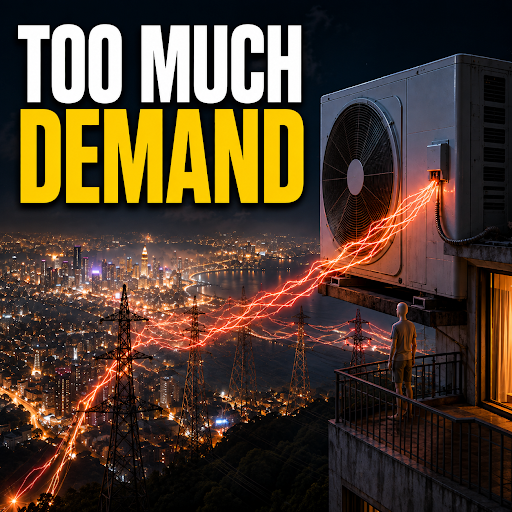
The Air-Conditioning Boom That Could Overwhelm Power Grids
FAQs
What is cooling demand during heat waves?
Cooling demand during heat waves refers to the increased need for cooling systems, such as air conditioners, fans, and other cooling devices, to maintain comfortable indoor temperatures during periods of extreme heat.
Why does cooling demand increase during heat waves?
Cooling demand increases during heat waves because the high outdoor temperatures make indoor spaces uncomfortable and potentially dangerous. As a result, people rely on cooling systems to maintain a safe and comfortable indoor environment.
How does increased cooling demand impact energy usage?
Increased cooling demand during heat waves can lead to a significant spike in energy usage as more people rely on air conditioners and other cooling devices. This can put a strain on the electrical grid and may lead to power outages in some areas.
What are some strategies to reduce cooling demand during heat waves?
Some strategies to reduce cooling demand during heat waves include using energy-efficient cooling systems, implementing building design features that minimize heat gain, and promoting behavior changes such as using fans and wearing lightweight clothing.
What are the potential health risks associated with high cooling demand during heat waves?
High cooling demand during heat waves can strain energy resources and lead to power outages, which can have serious health implications for vulnerable populations, such as the elderly, young children, and individuals with pre-existing health conditions. Additionally, increased energy usage can contribute to air pollution and exacerbate respiratory problems.