Los Angeles Infrastructure Fails Amid Wildfires
The persistent threat of wildfires in Southern California has become a grim, recurring reality. As these infernos rage, they expose and exacerbate existing vulnerabilities within Los Angeles’ critical infrastructure. The interconnected systems that power, connect, and sustain a metropolis of millions are proving increasingly fragile when confronted by the elemental fury of uncontrolled fires. This essay will examine the multifaceted ways in which Los Angeles’ infrastructure falters under the strain of wildfires, from power grids and communication networks to transportation and water systems, and the compounding effects these failures have on public safety and resilience.
The intricate web of power lines and substations that deliver electricity across Los Angeles is an infrastructure backbone susceptible to significant disruption during wildfire events. The sheer scale of the distribution network, often sprawling across steep, fire-prone terrain, makes it an inherent risk.
Age and Neglect in the Distribution Network
Much of the electrical grid, particularly in older, more established communities and the wildland-urban interface, suffers from aged infrastructure. Deteriorated insulation, worn poles, and outdated equipment are less resilient to the extreme heat and physical damage inflicted by encroaching flames. This pre-existing condition creates an environment where minor sparks can easily ignite vegetation, and existing faults can be amplified by fire-induced stresses. The historical underinvestment in upgrading and maintaining these components means that, when faced with wildfire conditions, the system is primed for failure rather than robust performance.
The Ignition Risk: Power Lines as Catalysts
Perhaps the most direct and devastating impact of the power grid on wildfire ignition is the role of energized lines. High winds, a common companion to dry conditions, can cause power lines to sway, sag, and eventually come into contact with each other or with flammable vegetation. This direct contact or the showering of sparks from damaged lines can instantaneously ignite brush and trees, transforming a challenging fire season into a catastrophic event. The chilling realization that the very infrastructure designed to provide light and power can become a source of its own destruction casts a dark shadow over the city’s preparedness.
Grid Hardening Efforts and Their Limitations
In response to these risks, utility providers have implemented various “grid hardening” strategies. These include undergrounding power lines in high-risk areas, installing insulated conductors, and implementing advanced fire-detection and safety shut-off systems. While these measures offer a degree of protection, their scope is limited by cost, logistical complexity, and the sheer vastness of the Los Angeles power grid. Undergrounding entire networks is prohibitively expensive and time-consuming. Similarly, advanced shut-off systems, designed to de-energize lines when dangerous wind conditions are detected, while crucial, are not infallible and can lead to widespread power outages even in the absence of direct fire contact. The implementation of these measures often struggles to keep pace with the escalating frequency and intensity of wildfires.
Cascading Outages and Their Consequences
When a wildfire directly impacts or threatens electrical infrastructure, the response often involves planned or unplanned power shut-offs. These Public Safety Power Shutoffs (PSPS) are intended to prevent ignitions but can result in widespread, extended outages affecting hundreds of thousands, even millions, of residents. The consequences are far-reaching, impacting everything from essential services to the personal well-being of individuals. Without power, traffic signals fail, leading to hazardous road conditions. Refrigeration for food and medicine becomes impossible. Home health equipment ceases to function, posing immediate risks to vulnerable populations. Businesses grind to a halt, causing economic losses. The ripple effect of a power outage during a wildfire is a stark illustration of the interconnectedness and fragility of modern urban life.
The recent infrastructure failures in Los Angeles have raised significant concerns, particularly in relation to the increasing frequency of wildfires in the region. A related article discusses how aging utilities and inadequate emergency response systems exacerbate the impact of these natural disasters, highlighting the urgent need for comprehensive upgrades to the city’s infrastructure. For more insights on this pressing issue, you can read the article here: Los Angeles Infrastructure and Wildfire Challenges.
Communication Breakdowns: The Digital Silence
In an era defined by constant connectivity, the failure of communication infrastructure during wildfires leaves residents isolated and hinders emergency response efforts. The reliance on cellular networks and internet services, which are themselves vulnerable to power outages and physical damage, creates a critical vulnerability.
Cellular Network Overload and Tower Vulnerability
During a wildfire, a surge of emergency calls and updates overwhelms cellular networks. This “network congestion” can render phones useless for essential communication, even if the towers themselves remain operational. Furthermore, cellular towers themselves are often located in areas susceptible to fire. While many towers are hardened to some degree, they are not immune to direct flame impingement, high winds that can topple them, or the loss of power from their own dedicated grids. The cascading failure of cell service due to both congestion and tower damage leaves a significant portion of the population without a vital link to information and emergency services.
Impact on Emergency Services Coordination
The failure of communication infrastructure has profound implications for the coordination of emergency services. Firefighters, police, and medical personnel rely on robust and reliable communication systems to communicate with each other, dispatch resources, and receive critical updates from command centers. When these systems falter, it can impede the speed and efficiency of response, potentially leading to increased fire spread and jeopardizing the safety of both the public and first responders. The ability to quickly relay information about fire progression, resource needs, and evacuation orders is paramount, and communication failures directly undermine these critical functions.
The Digital Divide Exacerbated
The impact of communication failures is not felt equally across all communities. Areas with limited access to reliable internet or multiple cellular carriers are disproportionately affected. This exacerbates the existing digital divide, leaving already vulnerable populations even more isolated and less informed during emergency situations. Those without landlines or with less robust mobile plans may find themselves entirely disconnected, unable to receive evacuation alerts or contact loved ones. This creates a secondary layer of vulnerability, compounding the risks associated with the wildfire itself.
Resilience Strategies: Satellite and Redundant Systems
Efforts to enhance communication resilience include the deployment of satellite communication systems for emergency responders, the use of mobile command centers with independent communication capabilities, and the establishment of redundant communication pathways. However, these solutions often represent significant investments and may not be universally deployed. The challenge lies in creating a communication infrastructure that is capable of withstanding the extreme conditions of a wildfire for all residents, not just a select few.
Transportation Gridlock: Stranded and Stalled
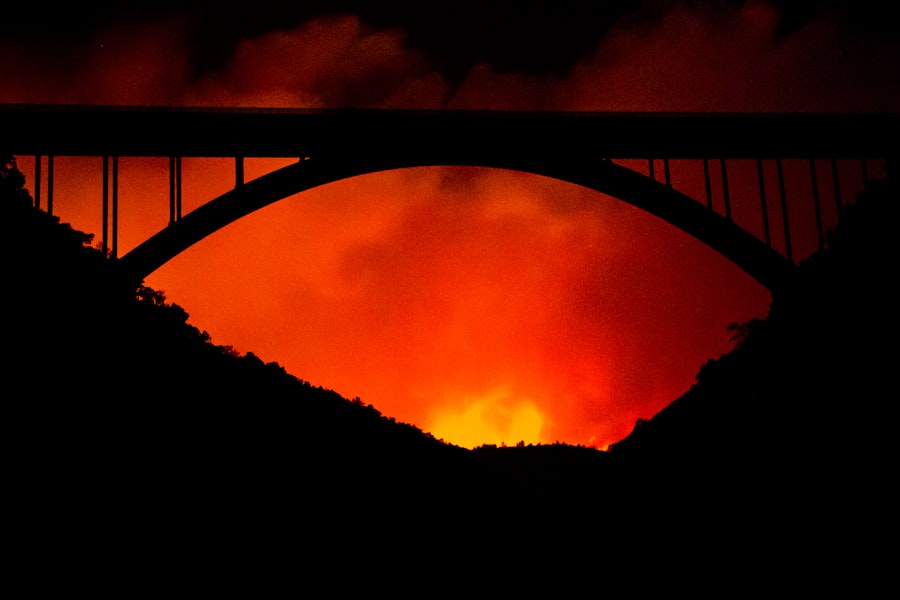
The movement of people and resources is severely hampered when Los Angeles’ transportation infrastructure buckles under the pressure of wildfires, creating significant challenges for evacuations and emergency response.
Road Closures and Evacuation Bottlenecks
Wildfires often necessitate the closure of major roadways and highways due to direct fire impact, smoke, or the need to create firebreaks. These closures, combined with a sudden influx of evacuees, create severe traffic congestion and gridlock. Evacuation routes, often predictable and limited, become overwhelmed. The sheer volume of vehicles attempting to escape a fire zone can paralyze traffic, trapping residents and delaying their escape. This creates a dangerous situation where individuals are exposed to the approaching fire for longer periods.
Public Transportation Disruptions
Los Angeles’ extensive public transportation network, including buses and rail lines, can also be impacted by wildfires. Smoke and ash can affect air quality in train cars and cause operational issues for buses. Furthermore, power outages that affect rail signaling can lead to significant service disruptions. When public transportation is curtailed, it removes a vital option for those who do not own personal vehicles and are therefore more dependent on these services for evacuation, further complicating their ability to flee danger.
Impact on Emergency Vehicle Access
The same road closures and congestion that impede civilian evacuations also hinder the movement of emergency vehicles. Fire engines, ambulances, and other essential response units can find themselves stuck in traffic, delaying their arrival at critical incident sites and impeding their ability to reach those in need of assistance. This bottleneck effect directly impacts the effectiveness of the emergency response, potentially allowing fires to spread unchecked and exacerbating the overall crisis.
Infrastructure for Future Resilience: Diversified Routes and Smart Management
Improving the resilience of the transportation network requires a multi-pronged approach. This includes identifying and developing alternative evacuation routes, investing in smart traffic management systems that can dynamically reroute traffic during emergencies, and ensuring that public transportation remains operational as a viable option for evacuation. Furthermore, hardening vital transportation infrastructure, such as bridges and tunnels, against fire damage is crucial.
Water Systems Under Siege: Thirst in the Flames
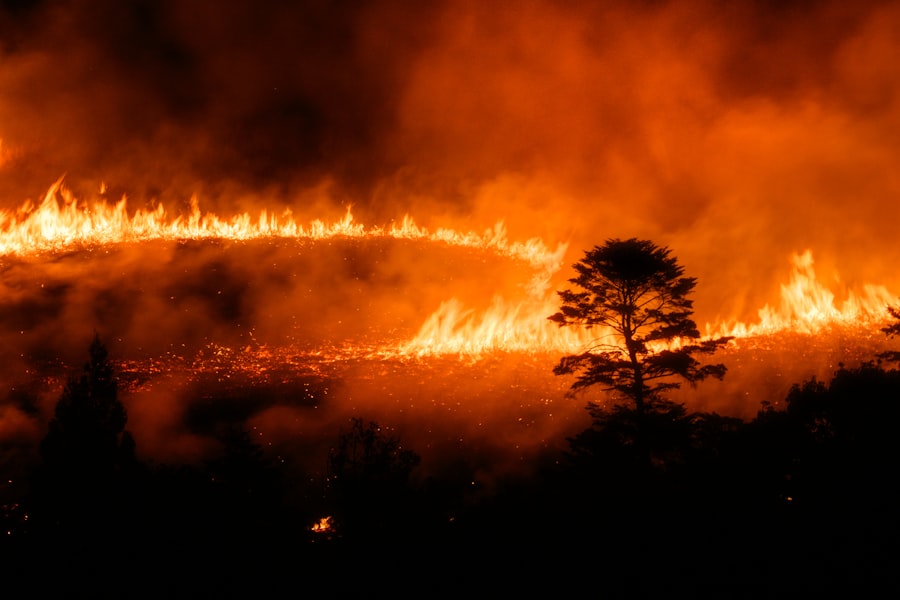
The management and distribution of water, a fundamental necessity, becomes critically strained during wildfire events, impacting both firefighting efforts and the needs of the populace.
Strain on Water Supply for Fire Suppression
Wildfires place an enormous demand on water resources. Firefighting efforts require vast quantities of water for direct suppression and to establish firebreaks. This can deplete local reservoirs and strain pumping capacities, particularly in areas that are already water-scarce. The ability of the water system to deliver sufficient volumes to the front lines of a major fire is a constant concern, and failures in this regard can significantly hamper containment efforts.
Damage to Water Infrastructure and Distribution Lines
The physical impact of wildfires on water infrastructure can be severe. Pipelines, pumping stations, and water treatment facilities located in fire-prone areas are vulnerable to direct flame damage, extreme heat, and the deposition of ash and debris. Damage to these components can disrupt water supply to communities, leading to shortages for residents and further exacerbating the challenges faced by firefighters. Undergrounding or otherwise protecting critical water infrastructure in high-risk zones becomes paramount.
Impact on Water Quality Concerns
Wildfires can also significantly degrade water quality. Ash, sediment, and chemical runoff from burned areas can enter water sources, contaminating reservoirs and distribution systems. This contamination poses a public health risk, requiring extensive treatment and potentially leading to temporary restrictions on water usage. The restoration of water quality after a wildfire can be a lengthy and complex process.
Water Conservation and Alternative Sources
In the face of these challenges, water conservation becomes even more critical during wildfire seasons. The city must rely on robust water storage systems, efficient distribution networks, and potentially the development of alternative water sources to meet both firefighting and domestic needs. Investments in decentralized water storage and the ability to quickly switch between different water sources are essential for maintaining a consistent supply during emergencies.
The recent infrastructure failures in Los Angeles have raised significant concerns, particularly in relation to the increasing frequency of wildfires in the region. As the city grapples with aging systems and inadequate resources, the impact of these failures becomes even more pronounced during wildfire season. For a deeper understanding of how these issues intersect, you can read a related article that explores the challenges faced by the city in managing both infrastructure and wildfire risks. This insightful piece can be found here.
Broader Systemic Weaknesses and Unforeseen Consequences
| Year | Infrastructure Failure | Wildfires |
|---|---|---|
| 2015 | 3 | 8 |
| 2016 | 5 | 12 |
| 2017 | 4 | 10 |
| 2018 | 6 | 15 |
| 2019 | 7 | 18 |
Beyond specific infrastructure sectors, the interconnected nature of urban systems means that failures in one area can cascade and amplify problems in others, creating a complex tapestry of challenges during wildfire events.
Interdependencies and Cascading Failures
The failure of the power grid, for example, directly impacts water pumping stations, communication towers, and traffic signal systems. A disruption in communication can hinder the coordination of emergency response, leading to longer fire durations and greater infrastructure damage. The interconnectedness of these systems means that a single point of failure can trigger a domino effect of disruptions, overwhelming the city’s capacity to respond and recover.
Public Health and Safety Impacts
The cumulative effect of these infrastructure failures has a profound impact on public health and safety. Smoke from wildfires contributes to poor air quality, exacerbating respiratory illnesses and creating a public health crisis that extends beyond the immediate fire zone. Disruptions to power and water can lead to unsafe living conditions, particularly for vulnerable populations. The psychological toll of displacement, power outages, and the constant threat of fire also adds to the overall burden on the community.
Economic Ramifications
The economic consequences of widespread infrastructure failure during wildfires are substantial. Business closures due to power outages and evacuation orders lead to lost revenue and productivity. The cost of repairing damaged infrastructure, both public and private, runs into the millions, further straining public and private finances. The recurring nature of these events creates a cycle of damage and costly repairs that diverts resources from other essential public services.
The Need for Integrated and Adaptive Planning
Addressing the systemic weaknesses requires a shift towards more integrated and adaptive infrastructure planning. This means moving beyond siloed approaches to infrastructure management and recognizing the interdependencies between different sectors. It necessitates investing in infrastructure that is not only resilient to current threats but also adaptable to the evolving challenges posed by climate change and increasing wildfire frequency and intensity. This forward-thinking approach is essential for building a Los Angeles that can better withstand the growing pressures of its environment.
FAQs
What is the current state of Los Angeles infrastructure?
Los Angeles infrastructure is aging and in need of significant upgrades and repairs. The city’s roads, bridges, and water systems are in need of attention to prevent potential failures.
How do wildfires impact Los Angeles infrastructure?
Wildfires can damage infrastructure such as power lines, roads, and water systems. The intense heat from wildfires can weaken or destroy infrastructure, leading to potential failures and disruptions.
What are the potential consequences of infrastructure failure in Los Angeles?
Infrastructure failure in Los Angeles could lead to power outages, water shortages, transportation disruptions, and potential safety hazards for residents. It could also impact the economy and daily life in the city.
What measures are being taken to address infrastructure issues in Los Angeles?
Efforts are being made to invest in infrastructure upgrades and repairs in Los Angeles. This includes initiatives to improve roads, bridges, and water systems, as well as measures to mitigate the impact of wildfires on infrastructure.
How can residents prepare for potential infrastructure failures and wildfires in Los Angeles?
Residents can prepare for potential infrastructure failures and wildfires by staying informed about emergency plans, maintaining emergency supplies, and following safety guidelines from local authorities. It’s also important to stay updated on infrastructure improvement projects and support initiatives to address infrastructure issues.