The river, a lifeblood for many communities, is not a static entity. Its boundaries are in constant flux, a dynamic dance between the land and the water that shapes daily existence for those who live in its embrace. For residents of floodplains, delta regions, and coastal areas, adapting to these natural shifts is not a matter of choice, but an intrinsic part of life. This adaptation is a testament to human resilience and ingenuity, a continuous negotiation with the powerful, ever-changing forces of nature.
The Ebb and Flow of Daily Life
For communities situated along rivers, the concept of “fixed” property lines can be a fluid one. The river’s mood, dictated by seasonal rainfall, snowmelt, and even distant storm systems, determines the proximity of its waters to human settlements. This means that daily routines are often punctuated by the river’s behavior.
Morning Rhythms and the River’s Whisper
In many riverside villages, the first awareness of the day is often tied to the river. A rising mist might signal a higher water level, a subtle shift that prompts a second glance at the river’s edge. For those with homes built on stilts or elevated foundations, the morning may involve checking the water’s height against a pre-determined marker. Children, accustomed to this natural rhythm, might learn early on to assess whether their usual play area near the riverbank is accessible or submerged. Fishermen prepare their nets and boats, their schedules intimately linked to the tides and currents. Farmers, whose livelihoods depend on fertile alluvial soil, monitor the river’s sediment deposition, understanding that it both enriches their land and poses a potential threat during floods. The sounds of the river – its gentle murmur on calm days, its insistent roar during a surge – become the soundtrack to their lives, an ever-present reminder of nature’s power.
Navigating the Shifting Shores
The very definition of a “shore” can be ambiguous. What was dry land yesterday might be a shallow expanse of water today. This requires a constant, intuitive understanding of the river’s behavior. Families living in areas prone to minor inundation may have learned to elevate their most valuable possessions. Furniture might be designed for easy relocation, or important documents stored in waterproof containers. Children’s games might incorporate elements of water play, teaching them to swim and navigate shallow currents from a young age. Simple acts like walking to a neighbor’s house or accessing a communal well can become minor adventures, requiring a careful assessment of the water depth and flow. For some, the river’s proximity means a reliance on small boats or rafts for daily transport, turning a trip to the market into a waterborne journey. This constant negotiation with the river’s boundaries fosters a unique connection to the environment, a deep respect born from shared experience.
Community Preparedness and Collective Wisdom
Living with a changing river is inherently a communal endeavor. Knowledge about the river’s patterns is passed down through generations, a vital form of local intelligence. Elders often possess an almost uncanny ability to predict the river’s movements based on subtle atmospheric cues or the behavior of local wildlife. This collective wisdom forms the backbone of community preparedness. When the river shows signs of rising, a silent understanding passes through the village. Neighbors check on each other, sharing resources and assisting with the movement of belongings. This shared vulnerability and mutual support forge strong social bonds. Emergency plans, often unwritten but deeply ingrained, are activated. Designated safe havens, whether higher ground or more robust structures, are made ready. The river’s shifts, while presenting challenges, also serve as a catalyst for community cohesion and mutual reliance.
Living with changing river boundaries daily poses unique challenges for communities and ecosystems alike. As rivers shift their courses due to natural processes and human activities, understanding the implications of these changes is crucial for effective management and adaptation. For further insights into this topic, you can explore a related article that delves into the dynamics of river systems and their impact on surrounding environments by visiting My Geo Quest.
Infrastructure Designed for Flexibility
The built environment in riverine landscapes reflects a profound understanding of nature’s impermanence. Static, rigid infrastructure is often ill-suited to the dynamic nature of these regions. Instead, a focus on flexibility, resilience, and adaptation is paramount.
Elevated Living and Water-Resistant Design
Housing in flood-prone areas often takes on distinctive architectural forms. The most common adaptation is the use of stilts or raised foundations, lifting homes above the potential reach of floodwaters. These elevated structures allow the river to flow beneath, minimizing damage during inundation. The materials used in construction are also carefully chosen. Water-resistant woods, treated timbers, and reinforced concrete are favored for their durability and ability to withstand prolonged exposure to moisture. Windows and doors might be designed to be easily sealed or protected. Internal layouts may also be adapted, with essential utilities like electrical outlets and appliances placed at higher levels. In some communities, entire villages are built on platforms, creating a raised, interconnected living space that hovers above the water. This type of design not only protects inhabitants but also allows the natural landscape to remain largely unimpeded by extensive permanent structures.
Movable Structures and Temporary Solutions
Beyond fixed elevated dwellings, some communities employ truly ingenious solutions that embrace the river’s movement. In regions where seasonal flooding is predictable, structures might be designed to be partially or entirely movable. This could involve houses built on large rafts or pontoons, allowing them to be anchored in a safe location during flood events and then repositioned as the waters recede. Similarly, essential services like schools or community centers might be housed in buildings designed to be quickly dismantled and reassembled on higher ground. Temporary bridges and walkways are often employed, adaptable to changing water levels. This principle of flexibility extends to agricultural practices as well. Some farmers utilize floating gardens, where crops are cultivated on rafts or submerged platforms, allowing them to thrive even during inundation. These adaptive infrastructure strategies highlight a profound synergy with the environment, rather than an attempt to conquer it.
Natural Buffers and Green Infrastructure
Beyond engineered solutions, natural systems play a crucial role in mitigating the impact of riverine shifts. Wetlands, mangroves, and riparian forests act as natural sponges, absorbing excess water and slowing down flood surges. These ecosystems not only provide crucial habitat for wildlife but also serve as invaluable protective barriers for human settlements. Recognizing this, many communities are investing in the preservation and restoration of these natural buffers. Green infrastructure, such as permeable pavements in urban areas, also helps to manage stormwater runoff and reduce the burden on drainage systems. The integration of natural processes into infrastructure planning demonstrates a sophisticated understanding of ecological principles and a long-term commitment to sustainable living in harmony with the river.
Economic Livelihoods in Flux
The river’s changing boundaries directly influence the economic activities of the people who live nearby. Traditional livelihoods are often intertwined with the river’s cycles, requiring continuous adaptation to its unpredictable nature.
Agriculture and the Alluvial Cycle
For agrarian communities, the river is the source of both fertility and potential peril. The annual inundation of floodplains deposits nutrient-rich silt, creating highly fertile land ideal for agriculture. Farmers meticulously plan their planting and harvesting seasons around the river’s predictable (or sometimes, unpredictable) flood cycles. They understand that the receding waters bring an opportunity for planting crops that thrive in the rich soil. However, unexpected floods can destroy crops, damage irrigation systems, and wash away topsoil. This necessitates a constant state of vigilance and a willingness to adapt farming practices. Diversification of crops, planting more resilient varieties, and developing advanced irrigation techniques are all strategies employed to mitigate the risks associated with the river’s fluctuations. Some farmers also engage in aquaculture, raising fish and other aquatic species that can thrive in the changing water levels, turning a potential hazard into an economic asset.
Fishing and Riverine Resources
Fishing is a primary livelihood for many communities situated along major rivers. The health and abundance of fish populations are directly influenced by the river’s flow, depth, and water quality, all of which are subject to change. Seasonal variations in water levels can concentrate fish in certain areas, making them easier to catch, while other times they may disperse, requiring longer journeys and more sophisticated fishing techniques. Pollution and dam construction upstream can also significantly impact fish stocks, adding another layer of complexity to this already challenging profession. Fishermen develop a deep understanding of the river’s currents, the habits of different fish species, and the best times and locations for fishing based on the river’s current state. Their economic fortunes are inextricably linked to the river’s health and its ever-shifting aquatic landscape.
Trade and River Transportation
Rivers have historically served as vital arteries for trade and transportation. The navigability of rivers, however, is profoundly affected by water levels. During dry seasons, shallow sections can become impassable, disrupting supply chains and isolating communities. Conversely, during periods of high flood, strong currents and debris can pose significant hazards to navigation. Boatmen and traders must constantly monitor river conditions, adjusting their routes and schedules accordingly. The development of more adaptable vessels, such as flat-bottomed boats designed for shallow waters or reinforced barges capable of withstanding stronger currents, is crucial. Some communities have developed sophisticated systems of inland waterways, creating artificial channels and locks to maintain navigability even during periods of low water. The economic vitality of these regions often hinges on the ability to reliably move goods and people along the ever-changing river highway.
Cultural Identity and Spiritual Connections
The river is more than just a geographical feature; it is often woven into the very fabric of a community’s cultural identity and spiritual beliefs. Its dynamic nature imbues it with a sense of power and mystery, shaping traditions, rituals, and worldviews.
River Mythology and Folklore
Across many cultures, rivers are central figures in mythology and folklore. They are often depicted as powerful deities, benevolent spirits, or formidable beings that must be appeased. Stories of the river’s origin, its encounters with heroes and monsters, and its role in the creation of the world are passed down through oral traditions. These narratives often reflect the dual nature of the river – its life-giving properties and its destructive potential. The changing boundaries of the river may be interpreted as the moods of these deities or spirits, influencing the way people interact with their environment. Festivals and ceremonies are often held in honor of the river, seeking its blessings for good harvests, safe passage, and protection from floods. These cultural traditions reinforce a sense of belonging and a deep connection to the natural world.
Rituals and Offerings to the Water
In many riverine societies, rituals and offerings are an integral part of daily life and significant life events. These practices are often aimed at maintaining harmony with the river, seeking its favor, or appeasing its power. Offerings of food, flowers, or other symbolic items might be made at the riverbank, particularly before undertaking a journey by water or during times of drought or flood. These acts of reverence are not merely superstitious; they represent a profound respect for the natural forces that govern their lives and a recognition of their dependence on the river’s bounty. The changing seasons and the river’s fluctuating levels often dictate the timing and nature of these rituals, creating a continuous dialogue between the human community and the natural world.
Artistic Expressions Inspired by the River
The ever-changing face of the river provides a constant source of inspiration for artists, musicians, and storytellers. The vibrant colors of the water at different times of day, the intricate patterns of currents and eddies, the dramatic spectacle of floods, and the serene beauty of a calm river are all captured in various art forms. Traditional songs might mimic the sounds of the river, while intricate textile patterns might depict its winding course. Sculptures and paintings often explore the relationship between humans and the river, highlighting themes of resilience, adaptation, and reverence. This artistic engagement with the river serves to both document its ever-shifting nature and to foster a deeper appreciation for its beauty and power within the community.
Living with changing river boundaries can be a complex challenge for communities that rely on these waterways for their livelihoods and ecosystems. As rivers shift and reshape their banks, the impact on agriculture, property rights, and local wildlife can be significant. For a deeper understanding of how these dynamics play out, you can explore a related article that discusses the implications of river boundary changes in greater detail. This insightful piece can be found here and offers valuable perspectives on adapting to these natural transformations.
Embracing the Future: Resilience and Innovation
| Date | River Name | Boundary Shift (meters) | Impact on Local Population | Mitigation Measures | Water Level (meters) | Notes |
|---|---|---|---|---|---|---|
| 2024-06-01 | Mississippi | +3.2 | 5 homes flooded | Temporary levees built | 7.8 | Heavy rainfall upstream |
| 2024-06-02 | Amazon | -1.5 | Farmland lost | Relocation of crops | 9.4 | Riverbank erosion observed |
| 2024-06-03 | Ganges | +2.0 | Road access disrupted | Raised pathways constructed | 6.1 | Monsoon season effects |
| 2024-06-04 | Nile | +0.8 | Minor agricultural impact | Soil reinforcement | 5.5 | Stable flow conditions |
| 2024-06-05 | Yangtze | -2.3 | Displacement of 200 people | Temporary shelters set up | 8.7 | Dam water release |
Living with changing river boundaries is not simply about enduring hardship; it is about fostering a culture of resilience and embracing innovation. As the climate continues to shift and river systems evolve, the ability to adapt will become even more crucial.
Climate Change and Amplified Dynamics
The accelerating impacts of climate change are amplifying the dynamics of river systems worldwide. Increased frequency and intensity of extreme weather events, such as prolonged droughts and torrential downpours, are leading to more volatile river behavior. Melting glaciers and changing precipitation patterns are altering the timing and volume of water flow, creating new challenges for water management and flood control. Coastal communities, in particular, face the dual threat of rising sea levels and increased riverine flooding, creating complex and often devastating scenarios. Understanding these amplified dynamics is essential for developing effective long-term adaptation strategies.
Technological Advancements and Sustainable Practices
Technological advancements offer new tools for understanding, predicting, and managing riverine environments. Advanced satellite imagery, hydrological modeling, and early warning systems can provide crucial information about impending floods and droughts, allowing communities to prepare and respond more effectively. Innovations in water-efficient agriculture, sustainable land-use planning, and resilient infrastructure design are also playing a vital role. The development of smart water management systems, which can optimize water distribution and minimize waste, is becoming increasingly important. Furthermore, a growing emphasis on integrating natural solutions, such as restoring wetlands and reforesting riverbanks, offers a more holistic and sustainable approach to managing these dynamic landscapes.
Education and Intergenerational Knowledge Transfer
The continuous transfer of knowledge and skills is paramount for ensuring future resilience. Educating younger generations about the river’s behavior, the importance of sustainable practices, and the historical wisdom of their elders is crucial. This intergenerational dialogue ensures that valuable traditional knowledge is preserved and combined with modern scientific understanding. Community-led initiatives that focus on environmental stewardship, disaster preparedness, and adaptive livelihoods can empower residents to actively participate in shaping their future. By fostering a deep understanding of the river and its ever-changing nature, communities can not only survive but thrive in the face of nature’s ongoing shifts, building a more sustainable and resilient future for all.
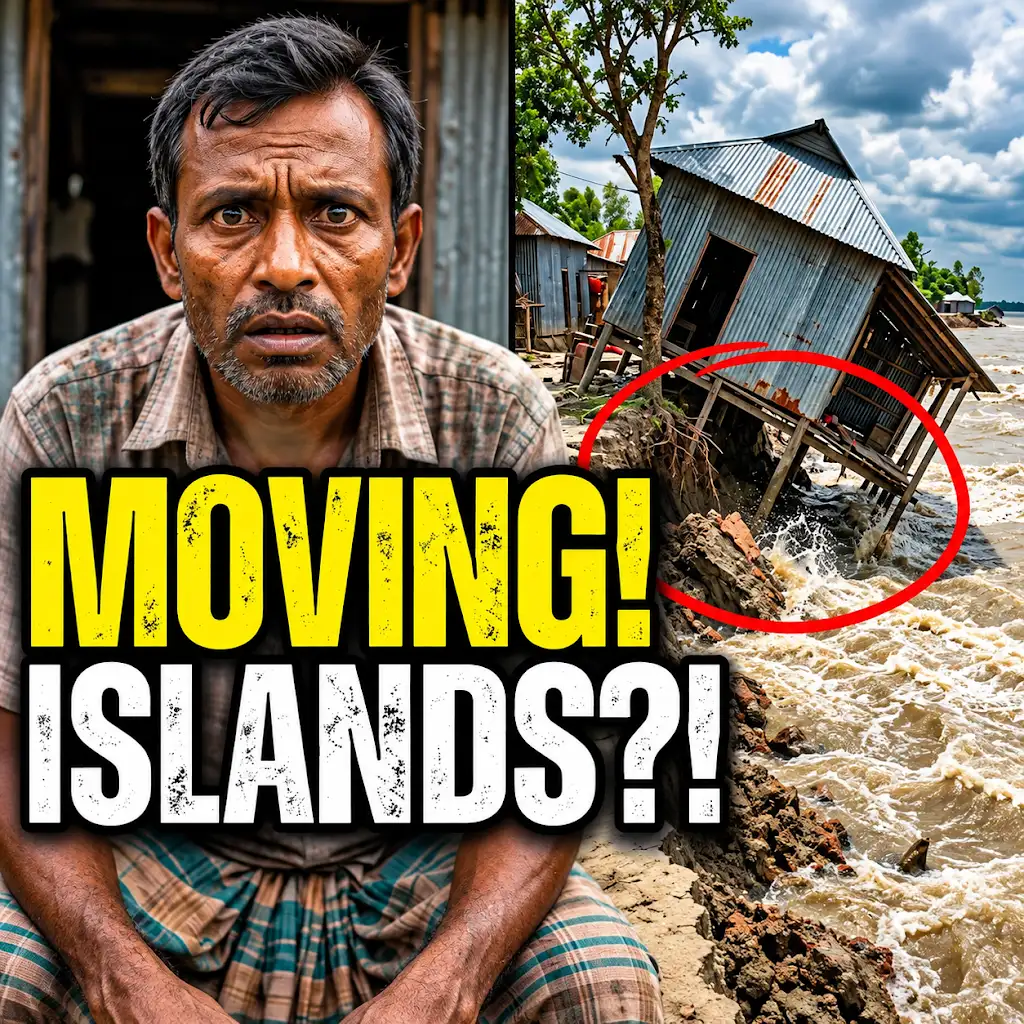
This River is Literally Erasing Islands
FAQs
What causes river boundaries to change daily?
River boundaries can change daily due to factors such as erosion, sediment deposition, water flow variations, and natural events like floods or droughts.
How does living near changing river boundaries impact residents?
Living near changing river boundaries can pose risks such as property damage, flooding, and the need for constant adaptation to the shifting landscape.
Are there ways to mitigate the effects of changing river boundaries?
Some ways to mitigate the effects of changing river boundaries include implementing proper land use planning, building flood defenses, and creating early warning systems for residents.
What are some challenges faced by communities living with changing river boundaries?
Communities living with changing river boundaries may face challenges such as increased insurance costs, infrastructure damage, displacement of residents, and environmental impacts.
How can individuals prepare for living with changing river boundaries?
Individuals can prepare for living with changing river boundaries by staying informed about local water levels, having emergency plans in place, and taking steps to protect their property from potential flooding or erosion.