
The allure of the desert, with its seemingly boundless expanses of sand, might initially suggest an inexhaustible resource for construction, particularly for ambitious projects like skyscrapers. However, a closer examination reveals that desert sand, while abundant, presents a unique set of limitations that significantly challenge its suitability for the demanding requirements of modern high-rise construction. This article will delve into these limitations, exploring the scientific and engineering hurdles that make desert sand an impractical primary building material for the colossal structures that pierce the skyline.
One of the most fundamental limitations of desert sand lies in its granular composition, specifically the size and shape of its constituent particles. Unlike the angular, interlocking grains found in aggregate suitable for concrete, desert sand is often characterized by a high proportion of fine, rounded particles.
Rounded Edges, Weak Bonds
The Erosion’s Legacy: How Aeolian Processes Shape Sand
The relentless forces of wind erosion, the primary sculptor of desert landscapes, play a crucial role in shaping desert sand. Over millennia, these abrasive winds repeatedly batter sand grains against each other, meticulously rounding off their sharp edges. This process, while creating the smooth, soft texture characteristic of many deserts, is detrimental to its structural integrity when used in construction. Think of trying to build with a pile of ball bearings; they roll and shift, offering little inherent stability. This fundamental property of rounded grains prevents them from achieving the tight interlock required to form a strong, cohesive mass in concrete.
The Dust Problem: Fines and Their Undesirable Influence
Desert sand often contains a significant percentage of extremely fine particles, commonly referred to as “fines” or silt and clay. While some fine materials are desirable in concrete mixtures for workability, excessive amounts can be highly problematic. These ultra-fine particles, often microscopic in size, do not contribute to the structural strength of the concrete matrix. Instead, they act as a lubricant, coating the larger aggregate particles and hindering the bonding process with the cement paste. This can lead to a weaker, less durable concrete with reduced compressive strength, a critical parameter for skyscrapers that must withstand immense vertical loads. Imagine trying to glue two smooth, polished surfaces together; the bond will be significantly weaker than if the surfaces had a rougher texture. The fines in desert sand are analogous to that smooth, polished surface.
Uniformity vs. Diversity: The Lack of Angularity
Beyond Roundness: The Impact on Aggregate Properties
The lack of angularity in desert sand particles is a critical weakness. In concrete mixes, aggregate particles are designed to interlock, creating a robust skeleton that supports the load. Angular aggregates, with their distinct edges and surfaces, offer a much higher surface area for the cement paste to adhere to. This creates a stronger bond and a more homogeneous, resilient concrete. Desert sand, with its predominantly rounded grains, lacks this interlocking capability. The resulting concrete is therefore more prone to cracking and less able to distribute stress effectively. This is particularly concerning in high-rise structures where seismic activity or wind loads can induce significant stresses.
Building skyscrapers with desert sand presents significant challenges due to the unique properties of the sand found in arid environments. Unlike the well-graded sand typically used in construction, desert sand is often too fine and rounded, which affects its ability to bind together effectively. This issue is explored in detail in the article “Why Desert Sand is Not Suitable for Construction” available at My Geo Quest. The article discusses the physical characteristics of desert sand and offers insights into alternative materials that can be utilized for high-rise construction, highlighting the importance of using appropriate resources for structural integrity and safety.
The Purity Paradox: Contaminants and Their Consequences
While deserts might appear pristine, the sand that comprises them is often far from pure. Various contaminants can be present, posing significant challenges to its use in construction and potentially compromising the structural integrity of skyscrapers.
Salt’s Subtle Sabotage: The Pervasive Problem of Salinity
Groundwater Evaporation: A Hidden Reservoir of Salts
Desert environments, often characterized by arid conditions and high evaporation rates, can lead to a concentration of soluble salts within the sand. These salts, often derived from ancient seabed deposits or weathering of mineral-rich rocks, can be present in surprisingly high quantities. When this sand is incorporated into concrete, these salts can have detrimental effects. Chloride salts, in particular, are known to corrode reinforcing steel, a vital component of modern skyscrapers. The steel rebar, embedded within the concrete, acts like the skeleton of a building, providing tensile strength. If this skeleton rusts and deteriorates, the entire structure is compromised. Furthermore, sulfate salts can react with the cement paste over time, leading to expansion and cracking of the concrete, a phenomenon known as sulfate attack. This can weaken the structure from within, a stealthy form of degradation.
Organic Matter and Other Impurities: Unwanted Guests
Decomposing Remains: The Impact of Biological Contamination
Desert sand, despite its dry environment, can also contain organic matter, such as decaying plant material or animal remains. While typically present in smaller quantities than salts, these organic impurities can also interfere with the hydration process of cement. They can retard the setting of concrete, reduce its final strength, and even lead to discolouration or surface defects. The presence of extraneous debris, such as small pebbles or shell fragments, can also create voids and inconsistencies within the concrete mix, further weakening the structure. Identifying and removing these contaminants adds significant cost and complexity to the preparation of desert sand for construction.
The Moisture Dilemma: Water Scarcity and its Impact on Hydration

The very essence of a desert is its scarcity of water. This fundamental characteristic presents a significant obstacle for concrete construction, as water plays an indispensable role in the chemical reactions that bind concrete together.
The Hydration Imperative: Water as the Chemical Catalyst
The Cement’s Thirst: The Essential Role of Water in Hardening
Concrete’s strength is not merely a physical aggregation of materials but a complex chemical process known as hydration. When cement is mixed with water, a series of chemical reactions occur, forming a hardened matrix that binds the aggregate particles together. This process requires a specific amount of water, known as the “water-cement ratio,” which directly influences the strength and durability of the final concrete. Too little water, and the hydration process will be incomplete, resulting in weak, porous concrete. Too much water, and the excess will evaporate, leaving behind voids and reducing strength. In water-scarce desert environments, obtaining the necessary quantities of clean, potable water for concrete mixing can be prohibitively expensive and logistically challenging. Transporting water over vast distances to remote construction sites is a costly endeavor, akin to carrying precious lifeblood to a parched land.
Recycled Water Woes: The Contamination Threat
While the idea of using recycled wastewater might seem like an attractive solution to water scarcity, it often introduces its own set of problems. Desert air can be laden with airborne dust and salt, making even seemingly “clean” recycled water potentially contaminated. If this water contains dissolved salts or impurities, it can have the same detrimental effects as naturally occurring salts in the sand, compromising the concrete’s integrity. The need for exceptionally pure water, therefore, remains a critical concern, further exacerbating the challenges of desert construction.
The Performance Predicament: Durability and Long-Term Stability Concerns

Skyscrapers are not ephemeral structures; they are designed to stand for decades, even centuries, enduring the rigors of time, weather, and usage. The inherent properties of desert sand can significantly compromise the long-term durability and stability of concrete used in such demanding applications.
Freeze-Thaw Cycles: A Desert’s Hidden Threat
Extreme Temperature Swings: The Sand’s Vulnerability to Thermal Shock
While deserts are primarily associated with heat, they can also experience significant temperature fluctuations, including freezing temperatures at night or during certain seasons. If concrete made with desert sand contains pores or voids due to poor bonding or the presence of fines, these can fill with water. When temperatures drop below freezing, this water expands, exerting pressure within the concrete and leading to cracking and spalling. This freeze-thaw cycle is a relentless attacker, gradually eroding the concrete’s strength over time. Imagine a brittle glass being repeatedly heated and cooled; it will eventually fracture.
Chemical Attack: The Subtle Erosion of the Environment
The Environmental Gauntlet: Abrasive Winds and Chemical Reactions
Beyond temperature extremes, desert environments can present other chemical challenges. The omnipresent dust and sand particles, carried by the wind, can create an abrasive effect on exposed concrete surfaces, slowly wearing them down. Furthermore, certain desert soils can contain aggressive chemical compounds that can react with the cement paste, leading to degradation. The cumulative effect of these environmental assaults can significantly reduce the lifespan of a structure built with substandard materials. It’s a constant barrage, chipping away at the foundations of your edifice.
The challenges of constructing skyscrapers using desert sand are highlighted in a fascinating article that explores the unique properties of different types of sand. While desert sand may seem abundant, its rounded grains lack the necessary angularity to create a stable structure, making it unsuitable for such ambitious projects. For a deeper understanding of this issue, you can read more in this insightful piece at My Geo Quest, which delves into the complexities of sand selection in construction.
The Economic and Logistical Labyrinth: Cost, Transportation, and Sustainability
| Metric | Description | Impact on Skyscraper Construction |
|---|---|---|
| Grain Shape | Desert sand grains are rounded and smooth due to wind erosion. | Reduces the ability of sand to bind with cement, weakening concrete strength. |
| Grain Size | Desert sand grains are generally finer and more uniform in size. | Leads to poor interlocking and less structural integrity in concrete mixtures. |
| Impurities | Desert sand often contains salts and organic materials. | Can cause chemical reactions that degrade concrete over time. |
| Angular Sand Requirement | Construction-grade sand requires angular grains for better bonding. | Desert sand’s rounded grains fail to meet this requirement, making it unsuitable. |
| Concrete Compressive Strength | Using desert sand reduces compressive strength by up to 30% compared to river sand. | Compromises the load-bearing capacity of skyscraper foundations and structures. |
| Availability of Suitable Sand | River and crushed rock sands are preferred for construction. | Necessitates importing or transporting suitable sand, increasing costs and logistics. |
Beyond the purely material science challenges, the economic and logistical realities of using desert sand for skyscraper construction present a significant hurdle.
The Transportation Toll: Moving Mountains of Sand
Distance from Infrastructure: The Tyranny of Geography
The vast, often remote, locations of desert sand deposits necessitate extensive transportation networks. Moving the colossal quantities of sand required for skyscraper foundations and structures over long distances, often without established infrastructure, is an immense logistical challenge. Trucks, trains, or even barges would need to be employed, incurring substantial fuel costs and exacerbating wear and tear on infrastructure. The sheer volume of material required is staggering; consider the weight of millions of tons of sand, each grain a tiny burden that collectively becomes a Herculean task for transport. This is a far cry from the readily available, locally sourced aggregate typically used in construction near established quarries.
Processing and Purification Costs: The Hidden Price of Purity
From Dune to Foundation: The Need for Extensive Refinement
As previously discussed, desert sand often requires extensive processing to remove impurities and achieve the desired particle size distribution. This purification process, involving washing, screening, and potentially specialized treatments, adds significant cost and energy consumption to the overall construction budget. The financial outlay for these purification steps, coupled with the high transportation costs, often renders the use of desert sand economically unviable for large-scale, high-performance applications like skyscrapers. The dream of a desert-built metropolis, while romantic, is often grounded by the harsh realities of economics and logistics. The cost of making the desert’s abundant resource suitable becomes a significant barrier, making it like trying to refine crude oil into pure gold; a noble endeavor, but often financially unfeasible.
Sustainability Considerations: The Environmental Footprint
While the abundance of desert sand might suggest a sustainable resource, the extensive processing and transportation required can negate these benefits. The energy consumption associated with purification, the emissions from long-distance transport, and the potential ecological disruption from large-scale extraction can all contribute to a significant environmental footprint. Therefore, from a holistic sustainability perspective, utilizing desert sand for high-rise construction often presents more environmental challenges than solutions when compared to more conventional and optimized construction materials. The perception of abundance does not always equate to true sustainability when the entire lifecycle of resource extraction and utilization is considered. The cost of transforming this seemingly endless resource into a reliable building block is often too high, both financially and environmentally.
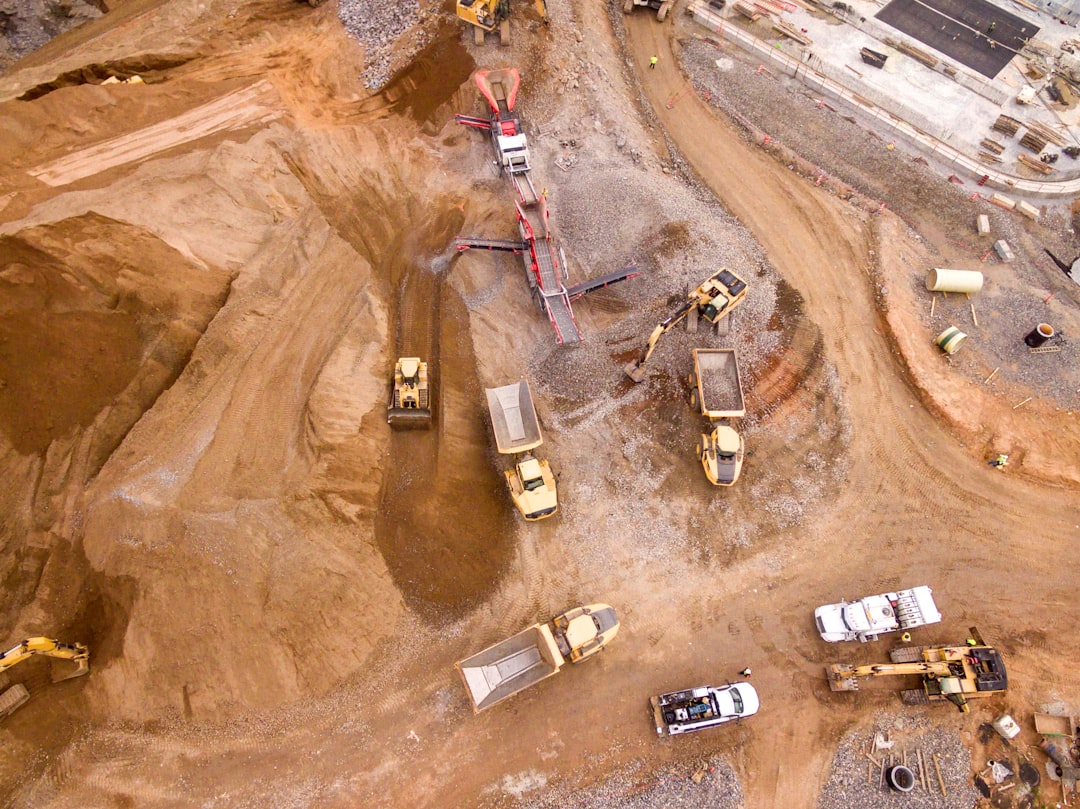
WATCH NOW ▶️ WARNING: Why the World is Running Out of Sand (And You Never Noticed)
FAQs
Why is desert sand unsuitable for making concrete used in skyscrapers?
Desert sand grains are typically too smooth and rounded due to wind erosion, which prevents them from binding well with cement. This results in weaker concrete that is not suitable for the structural demands of skyscrapers.
What type of sand is preferred for construction of skyscrapers?
Construction typically uses river sand or crushed rock sand, which have rougher, angular grains. These grains interlock better and provide stronger bonding with cement, making the concrete more durable and stable.
Can desert sand be treated or processed to be used in construction?
While some research explores processing desert sand to improve its properties, such as crushing or mixing with other materials, it is currently not economically viable or widely adopted for large-scale construction like skyscrapers.
Are there environmental concerns related to using desert sand in construction?
Yes, extracting large amounts of desert sand can disrupt fragile desert ecosystems and lead to issues like desertification. Additionally, the poor quality of desert sand means more resources may be wasted if used improperly.
What alternatives exist to reduce reliance on natural sand in skyscraper construction?
Alternatives include manufactured sand from crushed rock, recycled construction waste, and industrial byproducts like slag or fly ash. These materials can supplement or replace natural sand to create strong, sustainable concrete.