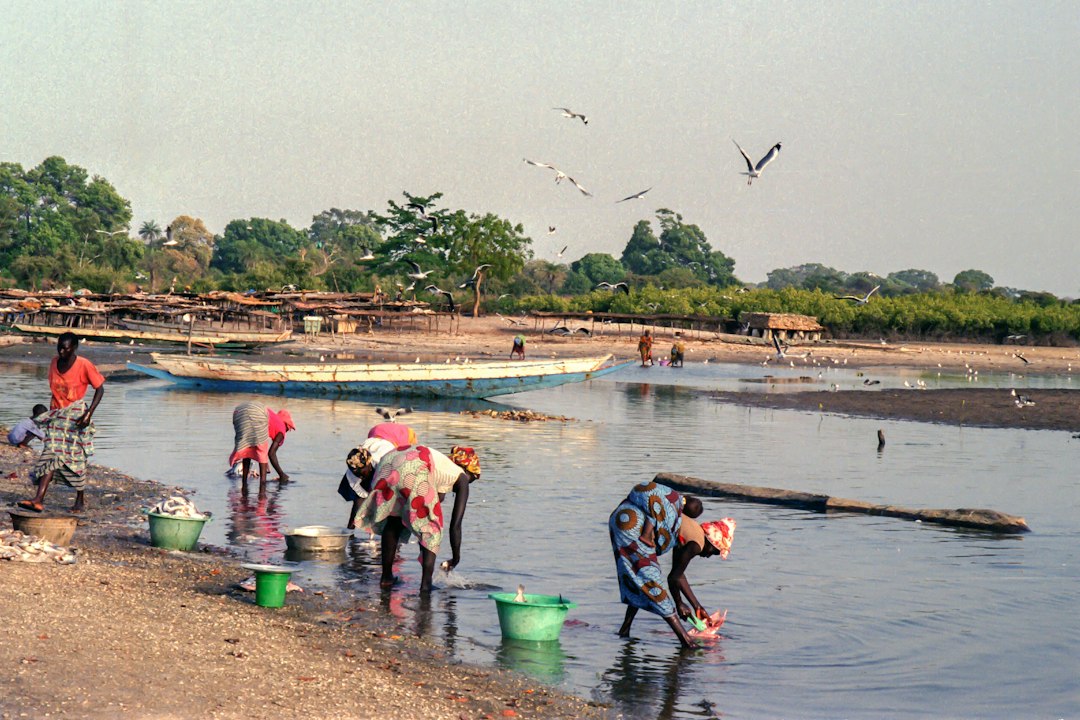
The relentless flow of the Jamuna River, a lifeblood for millions, also presents a capricious and dynamic environment: its ever-shifting sandbars. These islands of sediment, born from the river’s erosive and depositional power, are not static landmasses but transient homes for a resilient human population. For generations, these communities have carved out an existence on the very fabric of the river’s movement, facing a unique set of challenges dictated by the unpredictable nature of their watery abode. Their lives are a testament to human adaptability, a continuous negotiation with nature’s elemental forces, and a profound understanding of the river’s moods.
The Genesis of Transient Habitats: How Sandbars Form
The formation of sandbars along the Jamuna is a natural consequence of the river’s hydrological cycle and its sediment load. The Jamuna, originating in the Himalayas, carries a significant amount of silt and sand eroded from its mountainous catchment. As the river’s velocity changes, particularly during periods of reduced flow or when encountering obstacles, this suspended sediment begins to settle.
Depositional Zones and Avulsion
During the monsoon season, the Jamuna swells with torrential rainfall, increasing its erosive power and carrying vast quantities of sediment. As the floods recede, the river’s energy diminishes, leading to the deposition of this material. Certain areas, often mid-channel or along the banks where flow patterns are less predictable, become focal points for this deposition. Over time, these accumulated sediments can rise above the water level, forming sandbars. The process is not always linear. River avulsion, a sudden and dramatic change in a river’s course, can also contribute to sandbar formation. As the river carves a new path, it leaves behind abandoned channels and creates new depositional areas, constantly reshaping the landscape. The dynamic nature of these landforms means that a sandbar that exists today might be significantly altered or even submerged by the next monsoon. This inherent instability is the fundamental challenge for those who choose to live on them.
The Role of Seasonal Fluctuations
The ebb and flow of the Jamuna’s water levels throughout the year are crucial in the life cycle of sandbars. During the dry season, as the river shrinks, previously submerged sandbanks emerge, offering new land. These emergent areas become prime locations for settlement, agriculture, and pastoralism. However, the anticipation of the monsoon, with its potential for devastating floods, looms large. The understanding of these seasonal shifts is not just an abstract concept for the inhabitants; it is a matter of survival, dictating when to plant, when to harvest, and when to prepare for evacuation. The sandbars are, in essence, ephemeral stages upon which human lives unfold, constantly being reconfigured by the river’s rhythm.
Life on the moving sandbars of the Jamuna River presents a unique ecosystem that is both vibrant and challenging for its inhabitants. For a deeper understanding of the dynamics of this environment and the adaptations of the communities that thrive there, you can explore a related article on My Geo Quest. This resource delves into the intricate relationship between the river’s shifting landscapes and the livelihoods of those who call it home. To read more, visit My Geo Quest.
Life’s Foundation: Agriculture and Livelihoods on Shifting Ground

The sandbars of the Jamuna, despite their transient nature, support a vibrant if precarious ecosystem that sustains human life through agriculture and other resource-based activities. The inhabitants have developed ingenious methods to cultivate crops and raise livestock in an environment that offers fertile soil but lacks permanence.
Cultivating the Unstable Earth: Crops of the Sandbars
The fertile alluvial soil deposited by the Jamuna is ideal for agriculture. However, the challenges are significant. Crops must be fast-growing and resilient to withstand potential inundation. Farmers on the sandbars often specialize in crops that can mature quickly between flood seasons. These typically include vegetables like gourds, melons, and leafy greens, as well as certain varieties of pulses and oilseeds. The planting and harvesting cycles are tightly synchronized with the river’s predictable (to a degree) seasonal changes. When the river recedes, the land is tilled and sown. As the monsoon approaches, the harvest must be completed, and preparations for potential displacement must begin. The knowledge of which crops will thrive, when to plant them, and how to protect them from the initial stages of flooding is passed down through generations, a vital form of inherited wisdom.
Pastoralism and Fisherfolk: A Symbiotic Relationship with the River
Beyond crop cultivation, many sandbar communities are involved in pastoralism and fishing. Small herds of goats and cattle are common, their grazing grounds dictated by the availability of vegetation on the sandbars. The animals are often moved to higher ground as the river swells, a testament to the constant need for vigilance. Fishing is another integral part of the sandbar economy. The numerous channels and pools left behind by the receding river are rich fishing grounds. Local fishermen utilize traditional nets and techniques, their livelihoods directly tied to the river’s bounty. This interdependence between the sandbar dwellers and the Jamuna creates a unique symbiotic relationship, where human activities are shaped by and, in turn, influence the riverine environment. The resilience of these livelihoods is a direct reflection of the people’s deep understanding of the river’s dynamics.
Navigating the Inundation: The Perils and Precautions of Flood Season

The most significant challenge for life on the Jamuna’s sandbars is the annual monsoon and the inevitable flooding. This period is characterized by immense danger, requiring constant vigilance, preparedness, and a reliance on community support.
The Fury of the Monsoon: Displacement and Loss
As the monsoon rains intensify, the Jamuna’s water levels rise dramatically. Sandbars that were once dry land can be submerged within hours, transforming familiar landscapes into treacherous expanses of water. For the inhabitants, this means displacement. Homes, often constructed from temporary materials like bamboo and thatch, are either dismantled and moved to safer, elevated ground or are swept away by the powerful currents. Agricultural fields are inundated, destroying crops and the livelihoods they represent. The loss of livestock, homes, and possessions is a recurring trauma for these communities. The psychological toll of repeated displacement and the constant threat of losing everything is immeasurable, yet the people of the sandbars endure.
Evacuation Strategies and Community Networks
The communities have developed sophisticated, albeit informal, evacuation strategies. They possess an intimate knowledge of the river’s behavior and can often anticipate the severity of an impending flood. When the signs become alarming, the process of dismantling homes and moving belongings to higher ground begins. This is a communal effort, with neighbors helping neighbors. Temporary shelters are erected on the riverbanks or on the mainland, often in designated areas that have historically served this purpose. These temporary settlements, though basic, provide refuge and a sense of shared experience. The resilience of these communities is amplified by their strong social networks and their willingness to support each other through these difficult times. The absence of formal infrastructure for disaster management places an even greater emphasis on these internal support systems.
Adapting to Instability: The Art of Impermanent Living
The daily lives of sandbar dwellers are a masterclass in adaptation. Their housing, their social structures, and their very way of thinking are shaped by the constant reality of impermanence.
Homes Built to Move: Architecture of Resilience
The dwellings on the sandbars are designed for mobility and ease of reconstruction. Traditional houses are often built with lightweight materials like bamboo, reeds, and thatch. They are constructed on stilts or in modular sections that can be quickly dismantled and reassembled. When the flood season approaches, entire villages might be temporarily relocated to higher ground. This cyclical movement is a fundamental aspect of sandbar life. The choice of location for these temporary or semi-permanent settlements is also strategic, considering factors like proximity to the river for fishing and agriculture, but also access to higher ground during floods. This architectural ingenuity reflects a deep understanding of their environment and a pragmatic approach to living in a constantly changing landscape.
Social Cohesion and Resource Management
The precariousness of life on the sandbars fosters a strong sense of community. Mutual aid and cooperation are not just desirable; they are essential for survival. Resources, from fishing grounds to grazing land, are often managed communally. Decisions regarding planting, harvesting, and especially preparedness for floods are often made collectively. This social cohesion acts as a buffer against the uncertainties of their environment. Disputes are often resolved through community elders, and collective action is mobilized for common goals, such as building raised platforms for storage or reinforcing temporary shelters. The shared experience of hardship and resilience creates bonds that are stronger than those in more settled communities.
Life on the moving sandbars of the Jamuna River presents unique challenges and opportunities for the communities that inhabit these dynamic landscapes. The constant shifting of the sandbars creates an ever-changing environment that influences the livelihoods, culture, and daily routines of the people living there. For a deeper understanding of how these communities adapt to their surroundings, you can read more in this insightful article about the ecological and social aspects of life on the river. Explore the details in this related article to discover the fascinating interplay between nature and human resilience.
Looking Towards the Horizon: Challenges and Hopes for the Future
| Metric | Details |
|---|---|
| Location | Jamuna River, Bangladesh |
| Sandbar Size | Varies from a few square meters to several hectares |
| Sandbar Movement | Shifts seasonally due to river flow and sediment deposition |
| Flora | Grasses, shrubs, and pioneer plants adapted to sandy soil |
| Fauna | Bird species (e.g., sandpipers, terns), small mammals, and aquatic life nearby |
| Human Activity | Fishing, temporary settlements, and agriculture during dry seasons |
| Challenges | Flooding, erosion, habitat instability, and displacement of inhabitants |
| Ecological Importance | Breeding ground for birds, natural flood buffer, and sediment regulation |
While the sandbar communities have demonstrated remarkable resilience, their future faces a complex array of challenges, exacerbated by external factors and the enduring realities of their environment.
Environmental Pressures and Resource Scarcity
Climate change, with its potential for more extreme weather events and altered rainfall patterns, poses a significant threat to the delicate balance of the Jamuna’s ecosystem and, by extension, the sandbar communities. Increased intensity of floods could overwhelm existing coping mechanisms. Furthermore, upstream development, deforestation, and pollution can alter the river’s sediment load and flow, impacting sandbar formation and stability. Growing populations also place increased pressure on the limited resources available on the sandbars, leading to potential conflicts over land and fishing rights. The sustainability of their traditional livelihoods is increasingly questioned in the face of these environmental shifts.
Seeking Stability and Sustainable Solutions
The inhabitants of the Jamuna’s sandbars often express a desire for more stable living conditions, though their deep connection to the river makes a complete relocation a difficult prospect. Efforts are underway, often driven by NGOs and local government initiatives, to provide better access to education, healthcare, and alternative livelihood opportunities for these communities. Disaster preparedness training and the development of early warning systems are crucial for mitigating the impact of floods. Ultimately, finding sustainable solutions requires a multi-faceted approach that respects the cultural heritage of these communities while addressing the environmental and socio-economic challenges they face. The resilience demonstrated by the sandbar dwellers is a powerful human trait, but it requires the support of broader societal structures to ensure their long-term well-being and survival in the face of a changing world.
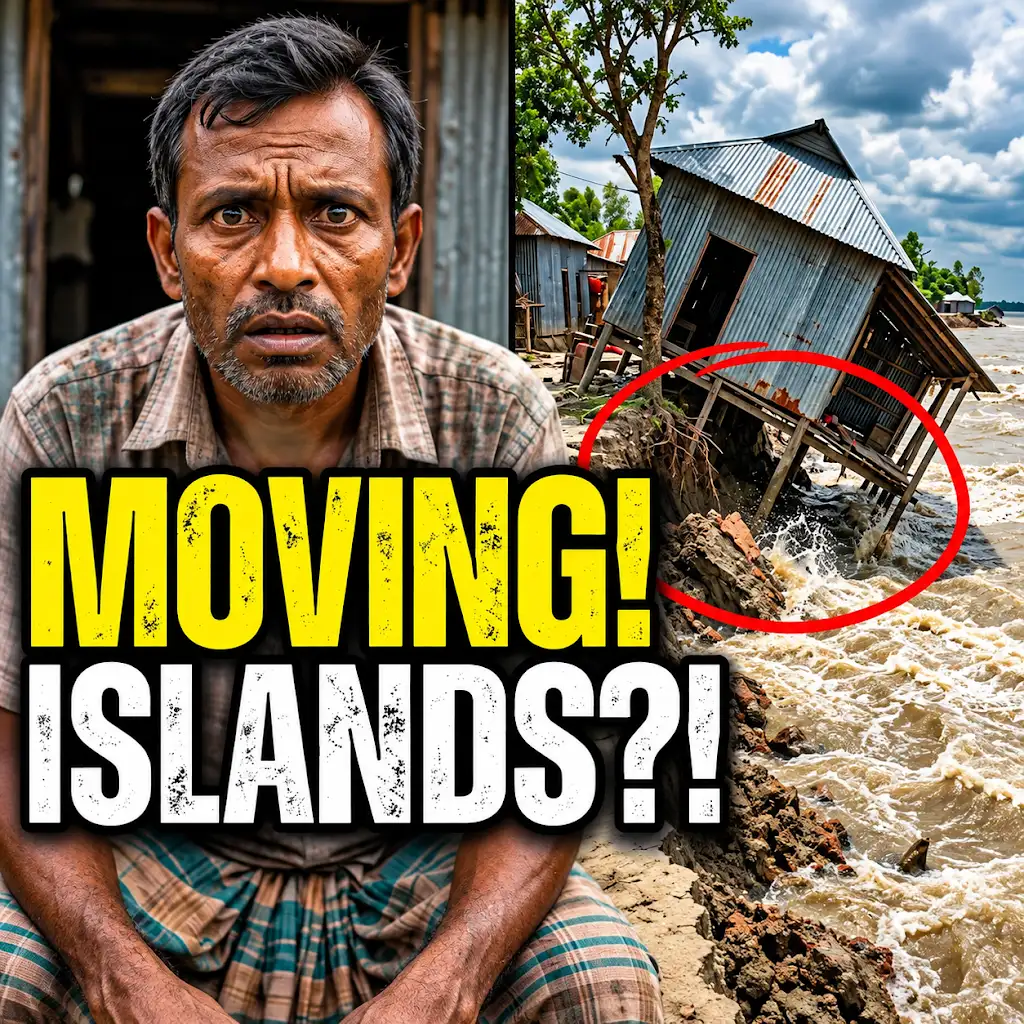
This River is Literally Erasing Islands
FAQs
What is life like on the moving sandbars of Jamuna?
Life on the moving sandbars of Jamuna is challenging and unpredictable. People living on these sandbars face the constant threat of displacement due to the changing course of the river.
How do people living on the sandbars of Jamuna adapt to the changing environment?
Residents of the sandbars have learned to build temporary shelters that can be easily dismantled and moved when the river shifts. They also rely on fishing and agriculture for their livelihood.
What are some of the risks associated with living on the sandbars of Jamuna?
Some of the risks include flooding, erosion, and lack of access to basic amenities such as clean water and healthcare. These challenges make life on the sandbars difficult for the residents.
How do people on the sandbars of Jamuna access essential services like healthcare and education?
Accessing essential services is a major challenge for residents of the sandbars. They often have to travel long distances by boat to reach the nearest healthcare facilities and schools.
What are some of the cultural practices and traditions of the people living on the sandbars of Jamuna?
People living on the sandbars have a rich cultural heritage, with traditional music, dance, and art forms that have been passed down through generations. They also have a strong sense of community and solidarity.