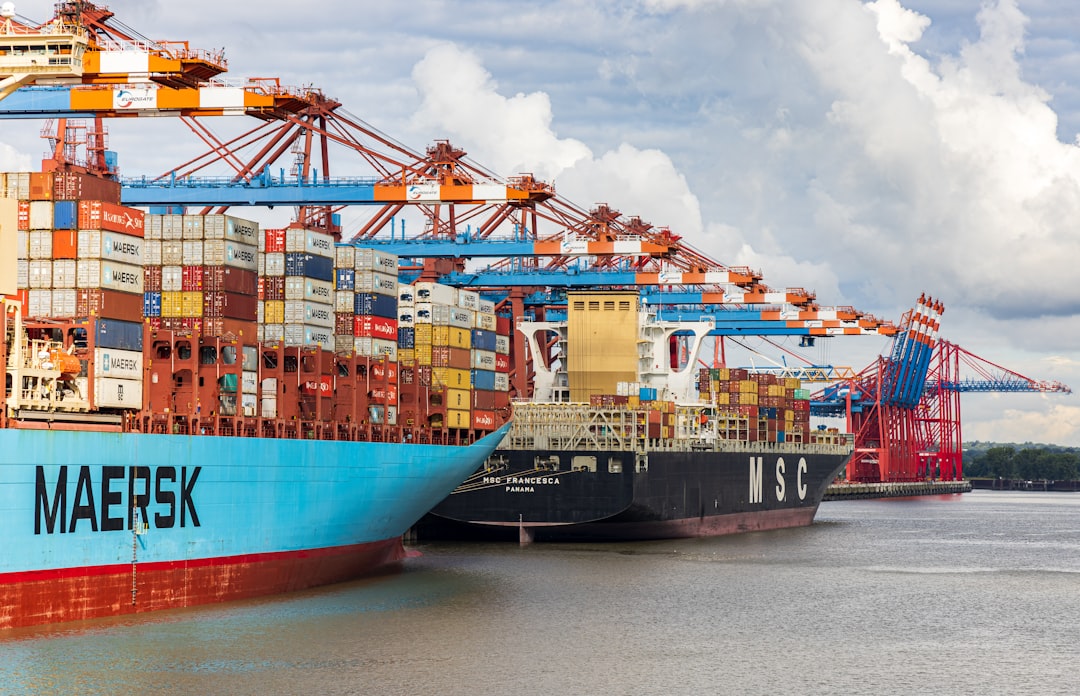
Life after retirement is a concept familiar to most individuals, marking a period of transition, reflection, and often, a new chapter of pursuits. However, the retirement of a cargo ship, a colossal vessel that has spent decades traversing the world’s oceans, presents a vastly different, yet equally significant, set of challenges and transformations. These maritime workhorses, instrumental in the global supply chain, do not simply cease to be. Instead, their journeys continue, albeit along a very different course. This article delves into the multifaceted world of what happens to cargo ships after their operational lifespans conclude, exploring the complex processes of decommissioning, recycling, and the surprising afterlife these giants can find.
The decision to retire a cargo ship is not an arbitrary one. It is a calculated conclusion reached after years of rigorous service. Several factors contribute to this pivotal moment, each carrying significant weight in the economic and practical considerations of ship ownership and operation.
Economic Viability and Operational Efficiency
Age and Deterioration
Regulatory Changes and Environmental Concerns
As a cargo ship ages, its hull plating can weaken, its engines become less efficient, and its systems may struggle to keep pace with increasingly stringent international maritime regulations. Maintaining a vessel beyond a certain point can become prohibitively expensive, with repair costs escalating and fuel efficiency declining. Furthermore, the introduction of new, more environmentally friendly technologies and vessel designs often renders older ships less competitive. The International Maritime Organization (IMO) regularly updates regulations concerning emissions, safety standards, and ballast water management, which can necessitate costly retrofits or simply make older, less adaptable vessels obsolete. The economic imperative to operate modern, compliant, and fuel-efficient fleets drives the retirement of older ships.
Technological Obsolescence
The rapid advancement of maritime technology means that even relatively young ships can become technologically outdated. Newer vessels might incorporate advanced navigation systems, more efficient propulsion, automated cargo handling, and improved safety features that are not economically feasible to retrofit onto older ships. This technological gap can impact a ship’s ability to compete in the market, its operational safety, and its overall efficiency.
When cargo ships retire, they often face a range of fates, from being scrapped for parts to being repurposed for other uses. The environmental impact of shipbreaking and the challenges of managing aging vessels are significant concerns in the maritime industry. For a deeper understanding of the lifecycle of cargo ships and the implications of their retirement, you can read a related article at this link.
The Decommissioning Process: A Gradual Farewell
Once a ship is deemed ready for retirement, it embarks on a carefully managed decommissioning process. This is not an immediate abandonment but a structured series of steps designed to prepare the vessel for its eventual fate.
Securing and Laying Up
Administrative and Legal Formalities
Initial Preparations for Disposal
The initial phase of decommissioning often involves securing the vessel and laying it up in a designated port or anchorage. This “mothballing” process aims to preserve the ship in a safe and stable condition while its future is determined. It can involve draining fuel and ballast tanks, securing all external openings, and performing basic maintenance to prevent further deterioration. The administrative and legal formalities are extensive, involving the deregistration of the vessel, the termination of crew contracts, and the settlement of any outstanding obligations. The owner must navigate complex international laws and maritime conventions to ensure a clean break from the vessel’s operational life. Depending on the intended method of disposal, initial preparations might include the removal of certain components or systems that can be salvaged or reused.
The Ultimate Destination: Ship Recycling and Scrapping
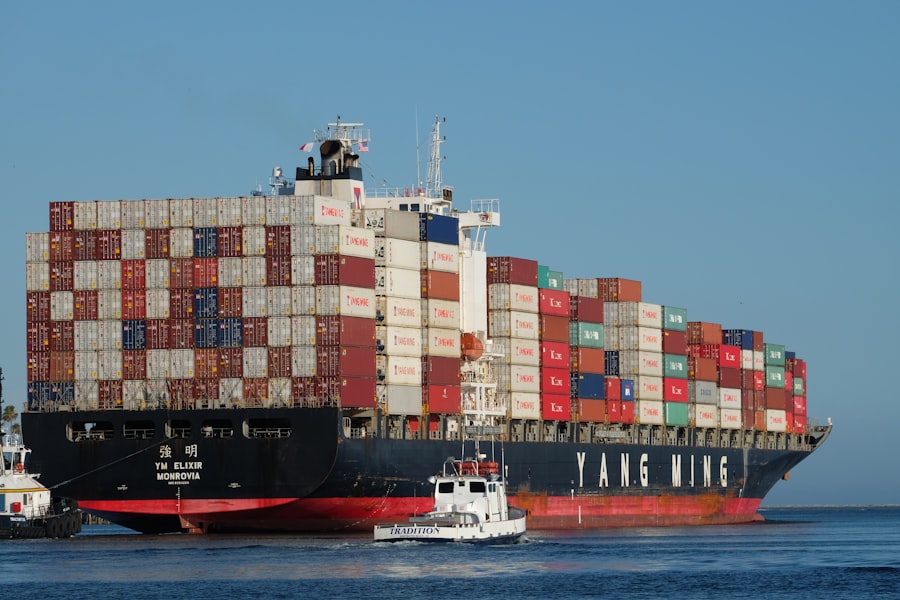
For the vast majority of retired cargo ships, their final destination is the ship recycling yard. This is a highly specialized industry, often concentrated in specific regions of the world, where vessels are systematically dismantled for their valuable materials.
The Global Ship Recycling Landscape
The Dismantling Process: A Labor-Intensive Endeavor
Environmental and Safety Concerns in Recycling
The global ship recycling landscape is a complex ecosystem. Historically, countries in South Asia, such as India, Bangladesh, and Pakistan, have dominated this sector due to lower labor costs and less stringent environmental regulations. However, growing international pressure and the ratification of the Hong Kong International Convention for the Safe and Environmentally Sound Recycling of Ships are pushing for more responsible and sustainable recycling practices. The dismantling process itself is a monumental undertaking. It begins with the vessel being beached or docked in a yard. Workers, often in hazardous conditions, then systematically cut and remove the ship’s structure, starting from the deck downwards. This involves the use of heavy machinery, cutting torches, and a significant amount of manual labor. The process is inherently dangerous, with risks of falls, exposure to hazardous materials, and industrial accidents.
The environmental and safety concerns associated with ship recycling are significant and have been a major focus of international scrutiny. Older ships can contain a multitude of hazardous materials, including asbestos, polychlorinated biphenyls (PCBs), heavy metals, and residual fuel oils. Improper handling and disposal of these substances can lead to severe pollution of the surrounding environment and pose serious health risks to workers and local communities. The lack of proper safety protocols in some yards has led to numerous fatalities and injuries. The push for greener recycling involves the inventorying and safe removal of hazardous materials before dismantling, the containment of pollutants, and the provision of adequate safety equipment and training for workers.
Beyond Scrapping: Alternative Fates for Retired Ships

While scrapping is the most common end for retired cargo ships, some vessels can find alternative lives, offering them a unique second act. These alternatives are often more niche and depend heavily on the ship’s design, condition, and the ingenuity of its new owners.
Artificial Reefs: A New Ecosystem for Marine Life
Floating Museums and Restaurants: Preserving Maritime Heritage
Floating Storage Units and Specialized Platforms
One of the most environmentally conscious and visually striking alternative fates for retired cargo ships is their transformation into artificial reefs. Once emptied of all hazardous materials and made structurally sound to withstand submersion, these hulking vessels are deliberately sunk in carefully selected marine locations. They become instant habitats for a vast array of marine life, providing shelter, breeding grounds, and food sources for fish, corals, and other ocean dwellers. These artificial reefs not only contribute to marine biodiversity but also become popular spots for diving and snorkeling, fostering eco-tourism and marine research.
Other ships, particularly those with historical significance or unique architectural features, can be repurposed as floating museums or restaurants. These vessels offer a tangible connection to maritime history, allowing the public to experience life aboard a working ship and learn about its past voyages. They can become iconic landmarks, drawing visitors and contributing to local economies. For certain industries, particularly offshore oil and gas, retired cargo ships can be converted into floating storage units (FSUs) or specialized platforms. These conversions involve extensive modifications to adapt the ship for specific purposes, such as storing crude oil or serving as a base for offshore operations. This extends the operational life of the vessel in a specialized, albeit less glamorous, capacity.
When cargo ships retire, their fate can vary significantly, often leading to a complex process of decommissioning and recycling. Many vessels are dismantled in shipbreaking yards, where valuable materials are salvaged, while others may be repurposed for alternative uses. For a deeper understanding of the implications and processes involved in the retirement of cargo ships, you can read a related article that explores these themes in detail. If you’re interested, check out this insightful piece on the topic at My Geo Quest.
The Future of Ship Recycling: Towards Sustainability
“`html
| Impact | Description |
|---|---|
| Environmental | Reduction in air and water pollution |
| Economic | Loss of shipping capacity and potential increase in shipping costs |
| Employment | Potential job loss for ship crew and related industries |
| Scrap Metal | Influx of scrap metal from retired ships |
“`
The challenges and controversies surrounding ship recycling have spurred a global movement towards more sustainable and responsible practices. The industry is evolving, driven by both ethical considerations and regulatory pressures.
The Hong Kong Convention and its Impact
Innovation in Recycling Technologies
The Role of Certification and Auditing
The International Maritime Organization’s (IMO) Hong Kong International Convention for the Safe and Environmentally Sound Recycling of Ships, adopted in 2009, is a landmark agreement aiming to establish global standards for ship recycling. The convention requires ships to be “greener” by design, with onboard inventories of hazardous materials. It also mandates safe operating procedures for ship recycling facilities and promotes the development of a recycling infrastructure that ensures safe and environmentally sound operations. While the convention is yet to enter into force, it has already significantly influenced industry practices and national regulations.
Innovation in recycling technologies is crucial for making the process safer and more efficient. This includes the development of advanced cutting techniques that reduce the need for hazardous torch work, automated systems for material sorting and processing, and technologies for the safe containment and treatment of hazardous waste. Research is also ongoing into methods for maximizing the recovery of valuable materials and minimizing the environmental footprint of the entire recycling process.
The increasing emphasis on transparency and accountability in ship recycling has led to the development of certification and auditing schemes. Independent organizations are emerging to certify ship recycling facilities that meet high environmental and safety standards. These certifications provide ship owners with confidence that their vessels are being recycled responsibly, and they can also serve as a marketing advantage for yards that invest in sustainable practices. Auditing by independent bodies ensures ongoing compliance with these standards, fostering a culture of continuous improvement within the industry. The journey of a cargo ship, from its bustling active service to its eventual retirement, is a complex and often overlooked aspect of global commerce. Understanding these processes sheds light on the full lifecycle of these magnificent vessels and the intricate systems that govern their end-of-life. The transition from a vital cog in the global supply chain to a recycled material or a repurposed entity is a testament to the enduring ingenuity and evolving responsibility of the maritime industry.

The Beaches Global Trade Can’t Afford to Lose
FAQs
1. What happens to cargo ships when they retire?
Cargo ships that retire are often sold for scrap or repurposed for other uses such as storage or as artificial reefs.
2. How are retired cargo ships disposed of?
Retired cargo ships are typically dismantled and recycled at shipbreaking yards, where the metal and other materials are salvaged for reuse.
3. Are there any environmental concerns with retiring cargo ships?
Yes, there are environmental concerns with retiring cargo ships, as the dismantling process can release hazardous materials and pollutants into the environment if not properly managed.
4. Can retired cargo ships be used for other purposes?
Yes, retired cargo ships can be repurposed for other uses such as storage facilities, floating museums, or even as artificial reefs to support marine life.
5. What are the economic implications of retiring cargo ships?
The retirement of cargo ships can have economic implications for the shipping industry, as it may lead to changes in supply and demand for shipping services and impact the market for new vessels.