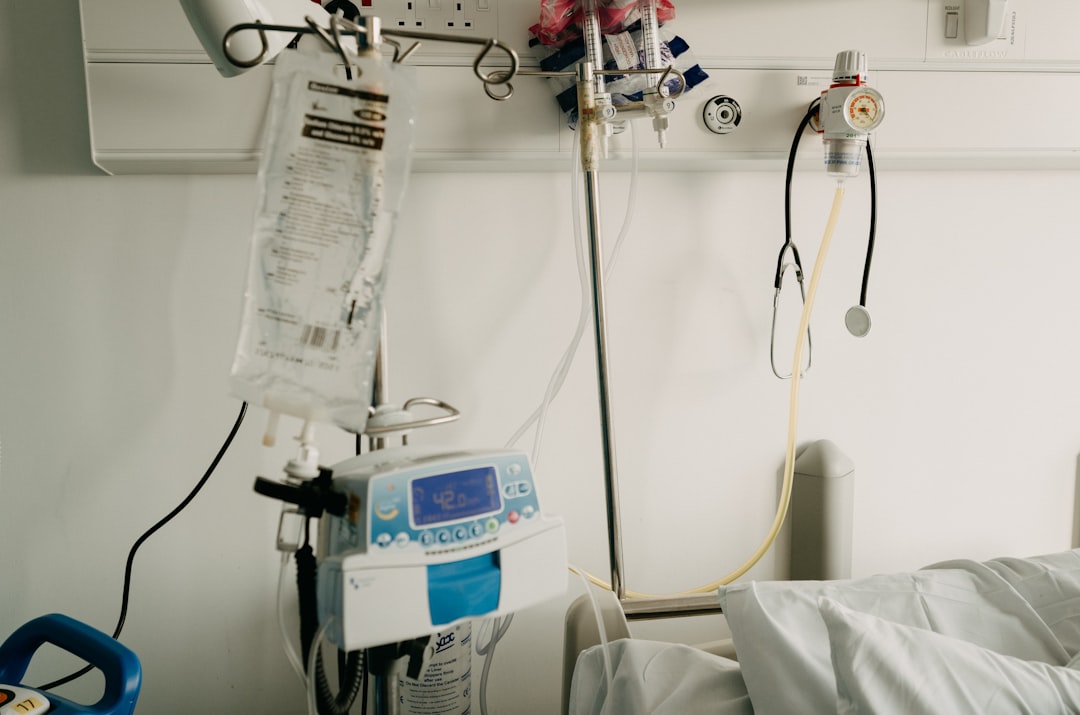
Lesotho’s Healthcare System: A Critical Failure
The healthcare system in the Kingdom of Lesotho stands as a stark testament to a crisis, a nation wrestling with profound challenges that leave its citizens vulnerable and struggling for fundamental care. While efforts have been made, and some pockets of progress exist, the overarching reality is one of persistent underperformance, a system buckling under immense pressure and failing to meet the basic health needs of its population. This has not been a sudden collapse but rather a slow erosion, a gradual weakening of the foundations that support public health in the country.
The most fundamental ailment plaguing Lesotho’s healthcare system is a chronic and deeply entrenched lack of adequate funding. This is not merely a statistic but a palpable reality felt in every corner of the nation, from the bustling streets of Maseru to the most remote villages. The resources allocated to healthcare are a meager trickle in a vast ocean of need, a budgetary constraint that acts as a relentless undertow, pulling down any significant attempts at progress.
The Disparity Between Needs and Allocations
The stark contrast between the health challenges facing Lesotho and the financial means available to address them is a chasm that appears insurmountable. The country grapples with a triple burden of disease: a high prevalence of communicable diseases such as HIV/AIDS and tuberculosis, a growing wave of non-communicable diseases like diabetes and cardiovascular conditions, and persistent issues of maternal and child mortality rates that remain unacceptably high. Yet, the national budget for healthcare consistently falls far short of what is required to mount a robust and effective response to these multifaceted threats. This deficit is not a temporary setback but a deeply ingrained structural problem, a fiscal straitjacket that constrains any meaningful expansion or improvement of services.
The Impact on Infrastructure and Resources
The consequences of this perpetual malaise are visible everywhere. Hospitals and clinics, the very arteries of the healthcare network, are often characterized by outdated infrastructure, a lack of essential medical equipment, and a severe shortage of basic supplies. Imagine a battlefield with inadequate weaponry and insufficient ammunition; this is akin to the situation many healthcare facilities in Lesotho find themselves in daily. Pharmaceutical stocks are frequently depleted, leading to the heartbreaking reality of patients being sent home without the necessary medications. Diagnostic equipment, when available, is often in disrepair or lacks the necessary maintenance, rendering it effectively useless. This under-resourcing casts a long shadow, limiting the capacity of the system to diagnose, treat, and manage even common ailments, let alone complex diseases.
External Dependence and Unsustainable Practices
In an attempt to bridge the gap, Lesotho has historically relied on significant external aid for its health sector. While international partners have provided invaluable support, this dependence creates a precarious situation. Donor priorities can shift, funding streams can dry up, and the sustainability of programs becomes a constant concern. This reliance on external actors, while necessary, can also foster a culture of short-term project-based interventions rather than long-term, systemic strengthening, making it difficult to build a truly self-sufficient and resilient healthcare infrastructure.
The healthcare system in Lesotho has faced numerous challenges, leading to significant failures in providing adequate medical services to its population. An insightful article that delves into the intricacies of this issue can be found at this link. The article discusses the systemic problems, including resource shortages and infrastructural deficiencies, that have contributed to the ongoing struggles within the healthcare sector in Lesotho.
The Human Deficit: A Crippling Shortage of Professionals
Beyond the barren shelves and crumbling walls, the most devastating symptom of Lesotho’s healthcare failure is the profound and pervasive shortage of skilled healthcare professionals. The nation is bleeding its medical talent, leaving a critical void that no amount of material resources can fully compensate for. This is not just about numbers; it’s about the absence of the very hands that are meant to heal, the minds that are meant to diagnose, and the hearts that are meant to care.
Brain Drain: A Torrent of Talent Flowing Outward
The “brain drain” phenomenon is a particularly acute problem in Lesotho. Many qualified doctors, nurses, and specialists, trained at great expense, seek opportunities abroad where working conditions are better, remuneration is higher, and professional development pathways are more accessible. This exodus of skilled personnel is like watching a vital lifeblood drain away from the body, leaving it weakened and struggling to function. The few remaining professionals are stretched incredibly thin, often working under immense pressure and bearing an unsustainable workload.
Limited Training Capacity and Inadequate Incentives
The capacity for training new healthcare professionals within Lesotho is itself limited. This creates a vicious cycle: fewer students graduate, and fewer doctors and nurses enter the workforce, exacerbating the existing shortage. Furthermore, incentives for healthcare workers to remain in the public sector, particularly in rural areas, are often insufficient. Low salaries, poor living conditions, and a lack of opportunities for specialization or career advancement contribute to the feeling of being trapped and undervalued, driving more talent away. The promise of a fulfilling career in public service is often overshadowed by the harsh realities of limited resources and overwhelming demand.
The Rural Divide: An Unreachable Sanctuary
The inequitable distribution of healthcare professionals further widens the gap between urban and rural communities. The majority of qualified personnel are concentrated in Maseru and other major towns, leaving remote and underserved areas critically understaffed. This means that for many Basotho living in the countryside, accessing even basic medical care can be an arduous and often impossible journey. A child suffering from a high fever or a pregnant woman experiencing complications in a remote village may find there is no one to turn to, a heartbreaking testament to the healthcare deserts that dot the landscape.
The Burden of Disease: An Unrelenting Onslaught

Lesotho’s healthcare system is not only under-resourced and understaffed but is also facing an extraordinary burden of disease. The nation is engaged in a perpetual battle against a constellation of illnesses, many of which are preventable or treatable with adequate resources and accessible care. This relentless onslaught taxes the system beyond its breaking point, leaving it perpetually on the defensive.
The Lingering Shadow of HIV/AIDS
Despite significant international efforts and some progress in antiretroviral therapy (ART) coverage, HIV/AIDS continues to cast a long shadow over Lesotho. The epidemic has had a devastating impact on the nation, affecting its economy and social fabric. While ART has saved countless lives, the challenges of prevention, stigma, and access to consistent care remain significant. The disease comorbidities, such as tuberculosis, further complicate treatment and strain healthcare resources. The ongoing struggle against HIV/AIDS is akin to fighting a Hydra, with new challenges emerging even as old ones are addressed.
The Resurgence of Tuberculosis
In tandem with HIV/AIDS, Lesotho has one of the highest rates of tuberculosis (TB) in the world. The co-infection of TB and HIV significantly complicates treatment and increases mortality. Challenges in diagnosis, treatment adherence, and the emergence of drug-resistant TB strains add further layers of complexity. The sheer volume of TB cases places an immense strain on clinics and hospitals, diverting resources and personnel from other critical health needs. Fighting TB effectively requires a multi-pronged approach that includes early detection, consistent treatment, and addressing the social determinants that contribute to its spread.
The Growing Scourge of Non-Communicable Diseases
Added to the burden of infectious diseases, Lesotho is witnessing a disturbing rise in non-communicable diseases (NCDs) such as diabetes, cardiovascular disease, and various forms of cancer. These chronic conditions require long-term management, specialized care, and ongoing medication, all of which are in short supply within the current healthcare infrastructure. The shift from primarily infectious diseases to a dual burden of both infectious and non-communicable diseases places an unprecedented demand on a system that is already struggling to cope.
A Fragmented Approach: A System in Disarray

The challenges of underfunding, human resource deficits, and the heavy disease burden are compounded by a fragmented and often uncoordinated approach to healthcare delivery. The system, rather than being a cohesive whole working towards a common goal, often resembles a collection of disconnected parts struggling to function independently.
The Public-Private Divide: A Tale of Two Systems
There exists a significant disparity between the public healthcare sector and the private sector, the latter being accessible only to a small, affluent segment of the population. While the private sector can offer a higher standard of care, its services are out of reach for the vast majority of Basotho. This two-tiered system exacerbates existing inequalities, creating a situation where quality healthcare is a privilege rather than a right, and where the public system, responsible for the majority, is chronically underperforming. This creates a situation where those most in need are least able to access adequate care.
Inefficient Management and Poor Governance
Issues of inefficient management and poor governance plague various levels of the healthcare system. Bureaucratic inefficiencies, corruption, and a lack of accountability can lead to the misallocation of resources, delays in service delivery, and a general erosion of public trust. Without strong leadership and transparent governance, even well-intentioned policies can falter, and valuable resources can be squandered. This lack of cohesive direction can make the system feel like a ship without a rudder, adrift in troubled waters.
Lack of Integrated Data and Information Systems
The absence of robust and integrated health information systems hinders effective planning, monitoring, and evaluation of healthcare services. Without accurate data on disease prevalence, patient demographics, and resource utilization, it is difficult to identify critical needs, allocate resources effectively, and measure the impact of interventions. This information vacuum makes it challenging to steer the system towards meaningful improvements, akin to trying to navigate without a map or compass.
The healthcare system in Lesotho has faced numerous challenges, leading to significant failures in providing adequate medical services to its population. A related article discusses the various factors contributing to this crisis, including limited resources and infrastructure issues. For more insights on the complexities of Lesotho’s healthcare landscape, you can read the full article here. Understanding these challenges is crucial for anyone looking to grasp the broader implications of healthcare in developing nations.
The Path Forward: A Call for Transformative Action
| Metric | Value | Description |
|---|---|---|
| Physician Density | 0.5 per 1,000 people | Number of doctors available per 1,000 population, indicating shortage of medical professionals |
| Hospital Bed Density | 1.3 beds per 1,000 people | Availability of hospital beds, reflecting limited inpatient capacity |
| Infant Mortality Rate | 48 per 1,000 live births | High infant mortality indicating poor maternal and child healthcare services |
| Life Expectancy | 54 years | Average life expectancy at birth, lower than global average |
| HIV Prevalence | 23% (ages 15-49) | High HIV/AIDS prevalence impacting healthcare resources and outcomes |
| Health Expenditure | 5.5% of GDP | Government spending on health as a percentage of GDP, indicating limited funding |
| Access to Clean Water | 60% | Percentage of population with access to safe drinking water, affecting public health |
| Immunization Coverage | 75% | Percentage of children vaccinated against common diseases, showing gaps in preventive care |
The critical state of Lesotho’s healthcare system demands more than incremental adjustments; it requires a fundamental transformation. The challenges are immense, but to succumb to despair is to abandon the very people who depend on this system for their well-being.
Increased Domestic Investment: Prioritizing Health from Within
The most crucial step towards rescuing Lesotho’s healthcare system is a significant and sustained increase in domestic investment. This means prioritizing health in the national budget, reallocating resources from less critical areas, and exploring innovative financing mechanisms. A genuine commitment from the government to fund its own healthcare needs is paramount for long-term sustainability and reduced reliance on external aid. This requires a political will that sees healthcare not as a cost, but as a vital investment in the nation’s human capital and future prosperity.
Strengthening Human Resources: Cultivating and Retaining Talent
Addressing the human resource deficit requires a multifaceted approach. This includes expanding training capacities, offering competitive salaries and benefits to healthcare professionals, providing opportunities for professional development and specialization, and implementing robust retention strategies, particularly for those working in rural areas. Incentives such as housing allowances, hardship pay, and clear career progression pathways are essential to stem the tide of the brain drain. Investing in the people who deliver healthcare is investing in the very soul of the system.
Embracing Innovation and Technology: Leapfrogging Challenges
Leveraging technological advancements can offer innovative solutions to some of Lesotho’s healthcare challenges. This could include the expanded use of telemedicine to reach remote communities, the implementation of electronic health records to improve data management and patient care, and the adoption of mobile health (mHealth) solutions for health education and service delivery. While costly, strategic investments in appropriate technologies can help bridge geographical barriers and improve efficiency. These tools can act as digital bridges, connecting isolated communities to much-needed medical expertise.
Enhancing Governance and Accountability: Building Trust and Efficiency
Reforming governance structures and promoting accountability are vital for ensuring that resources are used effectively and transparently. Strengthening oversight mechanisms, combating corruption, and empowering local health management committees can foster greater efficiency and public trust. A system that is perceived as inefficient or corrupt will struggle to gain the support and participation of the very communities it aims to serve. Building a foundation of good governance is like laying solid bedrock upon which a resilient structure can be built.
Lesotho’s healthcare system is at a crossroads, facing a crisis that has profound implications for the well-being and future of its people. The path to recovery is arduous and demands unwavering commitment, strategic investment, and a collective will to prioritize the health of every Mosotho. The current state of affairs is a call to action, a plea for transformative change to ensure that the nation’s citizens can access the care they deserve, not as a distant dream, but as a tangible reality.
FAQs
What are the main challenges facing the healthcare system in Lesotho?
Lesotho’s healthcare system faces challenges such as inadequate funding, shortage of medical personnel, limited infrastructure, and frequent stockouts of essential medicines. These issues contribute to poor service delivery and limited access to quality healthcare.
How does the healthcare system failure impact the population of Lesotho?
The failure of the healthcare system leads to increased morbidity and mortality rates, especially from preventable and treatable diseases. It also results in longer wait times, reduced access to essential services, and overall lower health outcomes for the population.
What role does government funding play in the healthcare system failure in Lesotho?
Government funding is critical for maintaining and improving healthcare services. In Lesotho, insufficient budget allocation and inefficient use of resources have contributed to the deterioration of healthcare infrastructure and services, exacerbating system failures.
Are there any international efforts to support Lesotho’s healthcare system?
Yes, various international organizations and donor agencies provide support to Lesotho’s healthcare system through funding, technical assistance, and programs targeting HIV/AIDS, tuberculosis, maternal health, and other critical areas. However, challenges remain in ensuring sustainable improvements.
What measures are being taken to address the healthcare system failure in Lesotho?
Efforts to address the healthcare system failure include government reforms, increased investment in healthcare infrastructure, training and retention of healthcare workers, and partnerships with international organizations to improve service delivery and access to essential medicines.