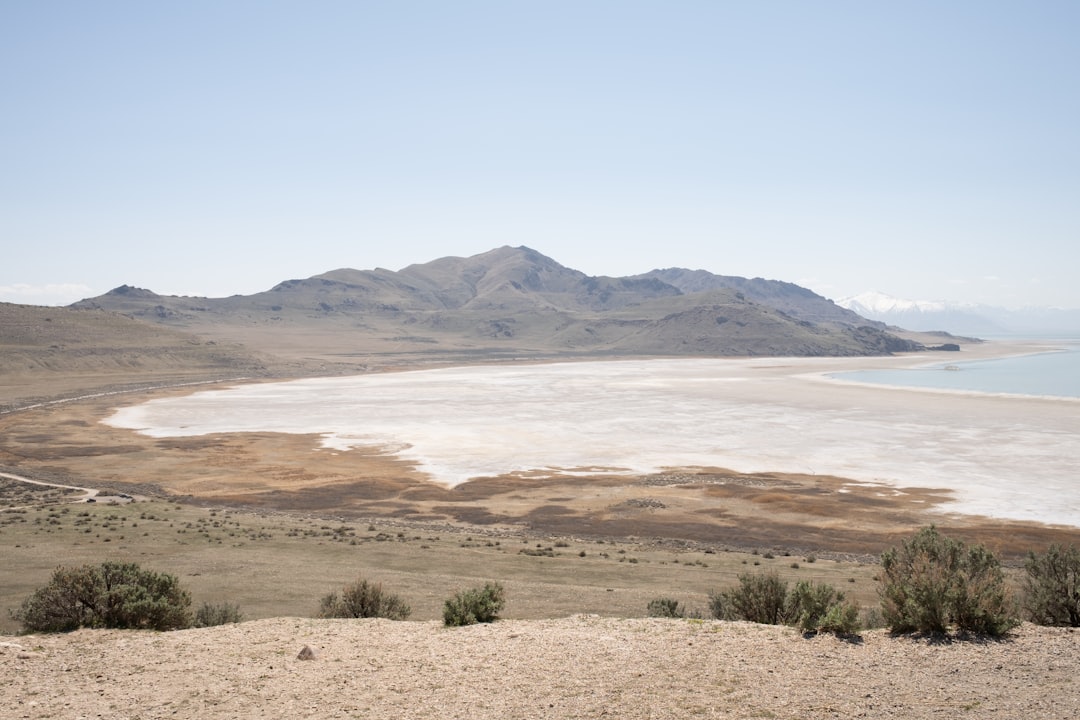
Las Vegas, a city synonymous with entertainment and extravagance, is facing an increasingly dire water crisis. Nestled in the arid Mojave Desert, the city has long relied on the Colorado River as its primary water source. However, as the population continues to swell, the demand for water has surged, leading to a precarious situation.
The combination of rapid urban development, a booming tourism industry, and a growing residential population has placed immense pressure on the already strained water resources. As the city grapples with this escalating crisis, the implications for its residents and the surrounding environment become ever more pronounced. The situation is exacerbated by the fact that Las Vegas is situated in one of the driest regions in the United States.
With limited rainfall and high evaporation rates, the natural replenishment of water sources is insufficient to meet the burgeoning demand. The Colorado River, which supplies water to millions across several states, is experiencing its own challenges, including prolonged drought conditions and over-allocation. As a result, Las Vegas finds itself at a critical juncture, where immediate action is necessary to ensure a sustainable future for its water supply.
Key Takeaways
- The growing water crisis in Las Vegas is a result of overuse of water resources, impact of climate change, and lack of sustainable water management.
- Efforts to conserve water in Las Vegas include implementing water-saving technologies, promoting water-efficient landscaping, and enforcing water restrictions.
- Agriculture and industry play a significant role in water depletion in Las Vegas, contributing to the water scarcity issue.
- Sustainable water management is crucial for addressing the water crisis in Las Vegas and ensuring long-term water availability.
- Water scarcity in Las Vegas has adverse effects on the environment, wildlife, economy, and social well-being, highlighting the urgent need for solutions and strategies to address the crisis.
Overuse of Water Resources in the Las Vegas Area
The overuse of water resources in Las Vegas is a pressing concern that has been building for decades. The city’s rapid growth has led to an insatiable thirst for water, with residents consuming far more than the average American. This excessive consumption is particularly evident in residential areas, where sprawling lawns and extravagant swimming pools are common sights.
Moreover, the tourism industry plays a pivotal role in exacerbating this issue. Las Vegas attracts millions of visitors each year, all of whom contribute to the city’s water consumption through hotels, restaurants, and entertainment venues.
The lavish resorts and casinos often feature elaborate fountains and landscaped gardens that require substantial amounts of water to maintain. This overreliance on water not only strains local resources but also sets a precedent that encourages further wastefulness among residents and businesses alike.
Impact of Climate Change on Water Availability in Las Vegas
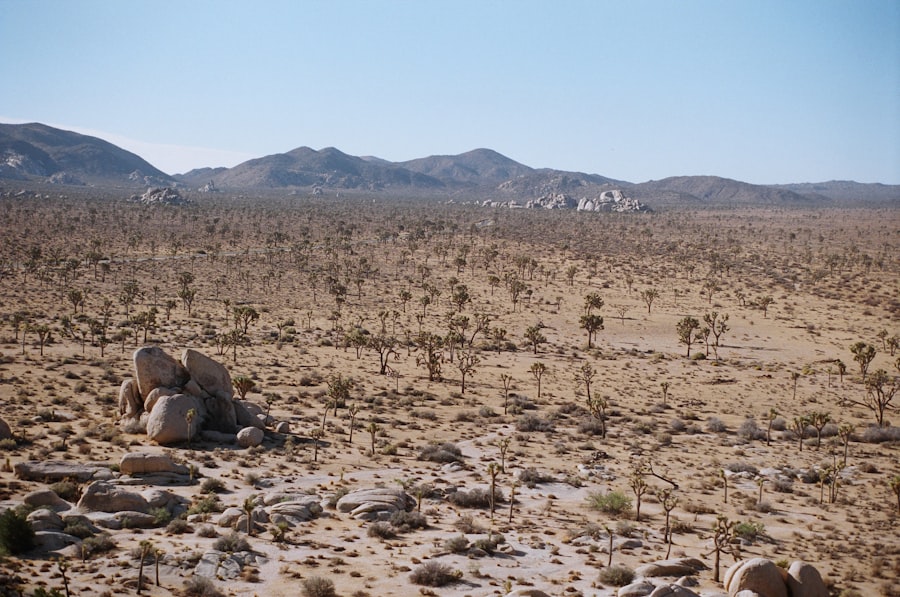
Climate change poses a formidable threat to water availability in Las Vegas, compounding the challenges already faced by the region. Rising temperatures and shifting precipitation patterns have led to increased evaporation rates and reduced snowpack in the Sierra Nevada mountains, which are crucial for replenishing the Colorado River. As these changes continue to unfold, the reliability of water sources becomes increasingly uncertain, leaving Las Vegas vulnerable to prolonged droughts and water shortages.
The implications of climate change extend beyond mere water availability; they also affect the overall ecosystem and biodiversity in the region. As temperatures rise, native plant and animal species may struggle to adapt to changing conditions, leading to potential declines in populations and disruptions in local ecosystems. The interconnectedness of climate change and water scarcity highlights the urgent need for comprehensive strategies that address both issues simultaneously.
Efforts to Conserve Water in Las Vegas
| Initiative | Metrics |
|---|---|
| Water Conservation Campaign | Number of households reached |
| Xeriscaping Program | Acres of turf replaced with desert-friendly landscaping |
| Water-saving Rebate Program | Number of participants |
| Water-Use Restrictions | Compliance rate |
In response to the growing water crisis, Las Vegas has implemented a variety of conservation measures aimed at reducing water consumption and promoting sustainable practices. One notable initiative is the Southern Nevada Water Authority’s (SNWA) rebate program, which incentivizes residents to replace grass lawns with drought-resistant landscaping. This program has gained traction over the years, resulting in significant reductions in outdoor water use and a shift towards more sustainable gardening practices.
Additionally, public awareness campaigns have been launched to educate residents about the importance of water conservation. These initiatives emphasize simple yet effective strategies for reducing water waste, such as fixing leaks, using efficient appliances, and adopting mindful watering practices. By fostering a culture of conservation within the community, Las Vegas aims to instill a sense of responsibility among its residents regarding their water usage.
The Role of Agriculture and Industry in Water Depletion
Agriculture and industry play significant roles in the depletion of water resources in Las Vegas and its surrounding areas. While urban development often garners attention for its impact on water consumption, agricultural practices also contribute substantially to overall usage. In Southern Nevada, agriculture accounts for a considerable portion of water withdrawals from the Colorado River.
The cultivation of crops such as alfalfa and hay requires vast amounts of water, raising questions about the sustainability of these practices in an arid environment. Moreover, industrial activities further strain local water supplies. Industries such as mining and manufacturing often require large quantities of water for their operations, leading to increased competition for limited resources.
As these sectors continue to expand, it becomes imperative for policymakers to consider more sustainable practices that balance economic growth with responsible water management.
The Importance of Sustainable Water Management in Las Vegas
Sustainable water management is crucial for ensuring the long-term viability of Las Vegas’s water supply. As the city faces mounting pressures from population growth, climate change, and resource depletion, adopting sustainable practices becomes essential for preserving this vital resource. Effective management strategies can help mitigate the impacts of overconsumption while promoting resilience against future challenges.
One key aspect of sustainable water management involves investing in infrastructure improvements that enhance efficiency and reduce waste. Upgrading aging pipelines and implementing advanced irrigation systems can significantly decrease losses due to leaks or inefficient watering methods. Additionally, integrating technology into water management practices can provide valuable data for monitoring usage patterns and identifying areas for improvement.
The Effects of Water Scarcity on the Environment and Wildlife
Water scarcity has far-reaching effects on both the environment and wildlife in and around Las Vegas. As natural habitats become increasingly stressed due to dwindling water supplies, many species face heightened risks of extinction or displacement. Aquatic ecosystems are particularly vulnerable; reduced river flows can lead to habitat degradation for fish and other aquatic organisms that rely on stable conditions for survival.
Furthermore, terrestrial wildlife also suffers as their habitats become fragmented or diminished due to competition for limited resources. Species that depend on specific vegetation types may find it increasingly difficult to thrive as climate change alters their environments. The loss of biodiversity not only disrupts ecosystems but also diminishes the overall health of the environment, highlighting the interconnectedness of water availability and ecological stability.
The Economic and Social Impacts of Water Shortages in Las Vegas
The economic implications of water shortages in Las Vegas are profound and multifaceted. As businesses grapple with increasing costs associated with water scarcity, they may be forced to pass these expenses onto consumers or even scale back operations. This can lead to job losses and reduced economic activity within the region, creating a ripple effect that impacts various sectors.
Socially, communities may experience heightened tensions as competition for limited resources intensifies. Disparities in access to water can exacerbate existing inequalities, leaving vulnerable populations disproportionately affected by shortages. As residents face rising costs and potential restrictions on usage, it becomes imperative for local leaders to address these challenges through equitable policies that prioritize access for all.
The Future of Water Availability in Las Vegas
The future of water availability in Las Vegas remains uncertain as various factors converge to shape its trajectory. While conservation efforts have made strides in reducing consumption, ongoing challenges such as climate change and population growth continue to loom large. Without proactive measures and innovative solutions, the city risks facing severe shortages that could threaten its very existence.
Looking ahead, it is essential for stakeholders—including government officials, community leaders, and residents—to collaborate on comprehensive strategies that prioritize sustainable practices. By embracing new technologies and fostering a culture of conservation, Las Vegas can work towards securing its water future while safeguarding its unique desert environment.
Solutions and Strategies for Addressing the Water Crisis in Las Vegas
Addressing the water crisis in Las Vegas requires a multifaceted approach that encompasses both immediate actions and long-term strategies. One potential solution lies in enhancing regional cooperation among states that rely on the Colorado River. Collaborative agreements focused on equitable resource sharing can help mitigate conflicts while ensuring that all parties have access to necessary supplies.
Additionally, investing in alternative water sources—such as desalination or wastewater recycling—can provide much-needed relief from dependence on traditional sources. By diversifying its water portfolio, Las Vegas can build resilience against future shortages while promoting sustainability within its communities.
The Role of Government and Community in Addressing Water Scarcity in Las Vegas
The role of government and community engagement is paramount in addressing water scarcity in Las Vegas.
This includes enforcing regulations on excessive usage and incentivizing sustainable practices among businesses and households alike.
Community involvement is equally vital; grassroots initiatives can foster awareness and encourage collective action toward conservation efforts. By empowering residents to take ownership of their water usage through education and engagement programs, Las Vegas can cultivate a culture of sustainability that transcends individual actions and contributes to broader systemic change. In conclusion, as Las Vegas navigates its growing water crisis, it becomes increasingly clear that collaborative efforts between government entities and community members are essential for securing a sustainable future.
Through innovative solutions and a commitment to responsible management practices, the city can work towards overcoming its challenges while preserving its unique desert landscape for generations to come.
Las Vegas, a city renowned for its vibrant nightlife and bustling casinos, is facing a significant water crisis. The primary source of water for the city, Lake Mead, has been experiencing historically low levels due to prolonged drought and overuse. This situation is exacerbated by climate change, which has led to reduced snowpack in the Rockies, further diminishing the Colorado River’s flow into the lake. As a result, Las Vegas is implementing stringent water conservation measures to address the dwindling supply. For more insights into the challenges and strategies surrounding this issue, you can read a related article on MyGeoQuest.
WATCH THIS! ↗️ The Hidden Reason Why America’s Fastest Growing Cities Are Doomed To Fail
FAQs
What is the current water situation in Las Vegas?
Las Vegas is facing a water shortage due to a combination of factors including drought, overuse of water resources, and climate change.
What are the main reasons for the water shortage in Las Vegas?
The main reasons for the water shortage in Las Vegas include the city’s reliance on the Colorado River for its water supply, which is experiencing decreased water levels due to drought and increased demand from other states.
How is the drought affecting Las Vegas’ water supply?
The ongoing drought in the western United States has led to decreased water levels in the Colorado River, which is a major source of water for Las Vegas. This has put pressure on the city’s water supply and led to concerns about future water availability.
What measures are being taken to address the water shortage in Las Vegas?
Las Vegas is implementing various water conservation measures, including promoting water-efficient landscaping, offering incentives for water-saving appliances, and exploring alternative water sources such as recycled water and desalination.
What are the potential consequences of the water shortage in Las Vegas?
The water shortage in Las Vegas could have significant consequences for the city’s residents, businesses, and environment. It may lead to water restrictions, higher water prices, and environmental damage due to overuse of water resources.