
The vast, windswept steppes of Kazakhstan hold not only ancient nomadic traditions and a burgeoning modern economy but also a stark and persistent problem: more than a hundred abandoned oil and gas rigs, rusting skeletons standing sentinel against the horizon. These stranded oil rigs represent more than just decaying industrial relics; they are a tangible manifestation of a complex landlocked dilemma, a tangled knot of economic, environmental, and logistical challenges that Kazakhstan has been grappling with for decades. For those who look closely, these inert giants cast long shadows, not just across the desolate landscapes they occupy, but also across the country’s aspirations for sustainable development and a cleaner future.
These behemoths, once symbols of resource wealth and national pride, now stand as silent witnesses to the boom-and-bust cycles inherent in the extractives industry. Their presence is a constant reminder of the vast reserves of oil and gas that have shaped Kazakhstan’s economic trajectory, but also of the unforeseen consequences that can arise when these resources are exploited without adequate long-term planning.
Kazakhstan, a nation geographically positioned at the crossroads of Asia and Europe, possesses significant hydrocarbon reserves. Its oil and gas industry, the backbone of its economy, has been instrumental in its post-Soviet development. However, this reliance on fossil fuels has also led to a legacy of environmental impact, including the accumulation of these abandoned rigs, particularly in older, less regulated fields.
The Boomtown Syndrome and its Aftermath
The allure of oil wealth often creates a “boomtown syndrome,” where rapid development and intense extraction take precedence over responsible stewardship. In Kazakhstan’s early years of independence, the focus was on getting the oil out of the ground and generating revenue. This led to a rush to exploit promising fields, with less emphasis on the long-term decommissioning and repurposing of infrastructure. As fields became depleted or economically unviable, rigs were often simply left behind, becoming costly eyesores and environmental liabilities.
Shifting Economic Tides and Abandonment
The volatility of global oil prices has played a significant role in the abandonment of rigs. When prices fall, marginal fields and older infrastructure can quickly become unprofitable. Companies, faced with tightening budgets, may prioritize profitable operations over the expensive process of dismantling or rehabilitating legacy sites. This economic reality often leaves the burden of these forgotten giants to the state, a slow-moving leviathan compared to the swift currents of the international market.
In recent news, the situation regarding Kazakhstan’s oil rigs stranded on dry land has raised significant concerns about the future of the country’s energy sector. An insightful article discussing the implications of this issue can be found on MyGeoQuest, which explores the geopolitical and economic factors surrounding these stranded assets. For more details, you can read the full article here: Kazakhstan Oil Rigs Stranded on Dry Land.
The Environmental Scars: A Poisoned Past
The presence of these abandoned rigs is not merely an aesthetic issue; it carries significant environmental implications. Many of these structures are situated in ecologically sensitive areas, and their continued decay poses a risk to the fragile ecosystems of the steppe.
Leaching and Contamination
The metal structures of the rigs, exposed to the elements for years, are susceptible to corrosion. This corrosion can lead to the leaching of hazardous materials, such as heavy metals and residual hydrocarbons, into the surrounding soil and groundwater. The steppe, while seemingly barren, supports a diverse array of plant and animal life, and this slow, insidious contamination represents a persistent threat to biodiversity. Imagine a poison seeping, drop by drop, into a vast basin, affecting everything it touches.
Habitat Disruption and Land Degradation
The initial construction of these sites, involving drilling, road building, and the erection of towering structures, inherently disrupts natural habitats. The continued presence of abandoned rigs exacerbates this disruption, with debris and unmanaged waste contributing to land degradation. For migratory birds that cross the vast steppes or for the saiga antelope that roam freely, these derelict sites can become obstacles, altering their traditional pathways and affecting their breeding grounds.
The Invisible Threat: Persistent Organic Pollutants
Beyond visible contamination, the risk of fugitive emissions and the presence of persistent organic pollutants (POPs) associated with oil extraction processes cannot be ignored. While rigs may be inactive, residual materials within the pipelines and on the grounds can continue to release harmful substances into the atmosphere and soil over time, creating an invisible threat that can have long-term consequences for both wildlife and human health in nearby communities, should they exist.
The Logistical Labyrinth: A Landlocked Challenge
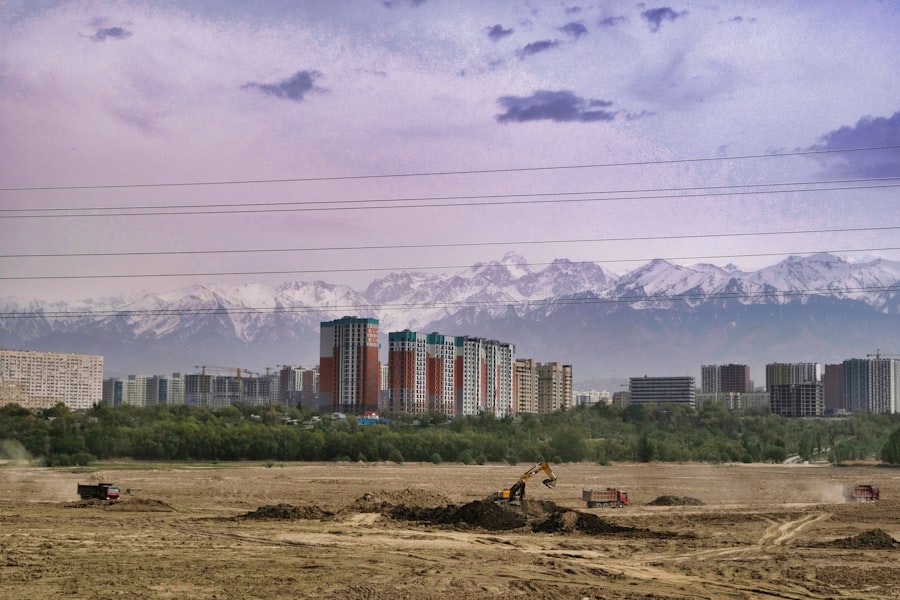
Kazakhstan’s landlocked geography, while offering strategic advantages in some respects, presents a unique and significant hurdle when it comes to dealing with large-scale industrial remnants. Unlike coastal nations that can utilize maritime transport for bulk removal of materials, landlocked countries face immense logistical complexities.
The Tyranny of Distance
The sheer size of Kazakhstan, coupled with its inland location, means that transporting dismantling materials or remediation equipment across vast distances is an expensive and time-consuming undertaking. The nearest ocean ports lie thousands of kilometers away, making any form of sea-based shipping impractical. This distance acts as a formidable barrier, an iron curtain of logistics that makes even simple tasks incredibly complex.
Infrastructure Deficiencies
While Kazakhstan has invested in its transport infrastructure, particularly rail, the reach and capacity of these networks to handle the colossal task of decommissioning hundreds of rigs can be stretched thin. Remote locations where many of these rigs are situated may lack adequate road access or rail links, further complicating the transport of heavy machinery and waste materials.
Cost Escalation
The combination of distance and infrastructure limitations inevitably drives up costs. The expense of dismantling, transporting, and disposing of the components of these rigs can become prohibitive, leading to a cycle of delay and inaction. Companies may present staggering cost estimates for remediation, making it economically unappealing compared to other investment opportunities.
Potential Solutions and the Path Forward

Addressing the dilemma of stranded oil rigs requires a multi-pronged approach, encompassing innovative technological solutions, robust policy frameworks, and international cooperation. Kazakhstan is not alone in facing such challenges; many nations with a history of resource extraction grapple with similar issues.
Decommissioning and Recycling Initiatives
The ideal scenario involves the responsible decommissioning of rigs. This entails dismantling them safely and as much as possible, recycling the materials. Metals can be repurposed, and in some cases, the drilling sites themselves can be remediated and restored. However, the economic feasibility of such initiatives on a large scale is a significant factor. Developing domestic capacity for such specialized work, rather than relying on expensive foreign contractors, could be a crucial step. Investing in research and development for advanced recycling technologies specific to oilfield equipment could also unlock new avenues.
Repurposing and Alternative Uses
While direct dismantling might be costly, exploring opportunities for repurposing or repurposing components of the rigs offers another avenue. Some parts might be adaptable for other industrial applications or could even be transformed into art installations, serving as educational tools about the history of resource extraction. However, the practicality and scale of such repurposing are often limited. Could a skeletal rig become a unique tourist attraction? Perhaps, but not a universal solution.
Technological Innovation in Remediation
The development and implementation of advanced remediation technologies are crucial. This includes methods for containing and neutralizing contaminants, soil and groundwater purification techniques, and remote sensing technologies for monitoring environmental conditions around abandoned sites. Embracing innovation in this field is akin to finding a sophisticated antidote for a slow-acting poison.
International Collaboration and Best Practices
Learning from the experiences of other countries that have dealt with similar legacies of oil and gas extraction can provide valuable insights and best practices. International forums and collaborations can facilitate the sharing of knowledge, technological expertise, and financial assistance for large-scale remediation projects. The global community has a vested interest in ensuring responsible environmental stewardship everywhere, and Kazakhstan can leverage this for its own benefit.
Policy and Regulatory Frameworks
Robust and enforced regulatory frameworks are essential to prevent future instances of rig abandonment and to address the existing problem. This includes clear guidelines for decommissioning plans at the outset of any extraction project, financial assurance mechanisms (such as bonds) to cover eventual decommissioning costs, and penalties for non-compliance. A strong legal backbone is needed to prevent the erosion of environmental standards in the pursuit of profit.
In recent news, the situation surrounding Kazakhstan’s oil rigs stranded on dry land has raised significant concerns about the future of the country’s energy sector. These rigs, once vital for offshore drilling, now sit idle, impacting both the economy and local communities. For a deeper understanding of the implications and potential solutions to this pressing issue, you can read a related article that explores the challenges faced by the oil industry in Kazakhstan. This article provides valuable insights into the geopolitical and environmental factors at play, which can be found here.
The Future Landscape: From Rusting Ghosts to Resilient Steppes
| Metric | Value | Unit | Notes |
|---|---|---|---|
| Number of Oil Rigs Stranded | 5 | Rigs | As of latest report in 2024 |
| Location | Caspian Sea Coastal Area | Region | Near Mangystau Province |
| Duration Stranded | 8 | Months | Since water levels dropped |
| Water Level Drop | 1.2 | Meters | Contributed to rigs being stranded |
| Estimated Oil Production Loss | 120000 | Barrels per day | Due to stranded rigs |
| Recovery Cost Estimate | 15 | Million | Cost to refloat and repair rigs |
The abandoned oil rigs of Kazakhstan are more than just a contemporary environmental and logistical puzzle; they represent a pivotal moment in the nation’s journey. The way Kazakhstan chooses to address this legacy will speak volumes about its commitment to sustainable development and its vision for a cleaner, more resilient future.
A Transition Towards Sustainable Energy
The ongoing global shift towards renewable energy sources presents an opportunity for Kazakhstan to re-evaluate its over-reliance on fossil fuels. Investing in solar, wind, and other renewable energy technologies can not only diversify the economy but also mitigate the environmental impact associated with further hydrocarbon extraction. The resources currently tied up in managing abandoned rigs could, in part, be redirected towards building a sustainable energy infrastructure for the future.
The Economic Ripple Effect of Remediation
While the costs of decommissioning and remediation are substantial, they should also be viewed as potential economic opportunities. Developing a domestic industry focused on environmental services, employing local workforces, and fostering innovation in green technologies can create jobs and stimulate economic growth in regions that may have beennegatively impacted by past extraction. This can be a phoenix rising from the ashes, a testament to the power of transformation.
Reclaiming the Steppe: Towards Ecological Restoration
The ultimate goal in addressing the stranded rigs is not just to remove them, but to restore the land to a healthy ecological state. This involves a long-term commitment to monitoring, rehabilitation, and the reintroduction of native flora and fauna. Imagine the steppe, once scarred by industry, slowly breathing again, a testament to careful management and a restorative hand.
The abandoned oil rigs stand as a stark reminder of the complex relationship between resource extraction and environmental responsibility. Kazakhstan’s landlocked dilemma is a formidable one, but by embracing innovation, strong governance, and a vision for a sustainable future, the nation can begin to erase these rusting ghosts and reclaim its vast steppes for generations to come. The journey will be long and arduous, like navigating an uncharted ocean without a compass, but the destination – a healthier environment and a more diversified economy – is a prize worth striving for.
FAQs
What caused the oil rigs in Kazakhstan to become stranded on dry land?
The oil rigs in Kazakhstan became stranded on dry land primarily due to a significant drop in water levels in the Caspian Sea, which left the rigs that were previously offshore isolated and inaccessible by water.
Where in Kazakhstan are the stranded oil rigs located?
The stranded oil rigs are located in the Caspian Sea region, particularly near the Mangystau and Atyrau regions, where much of Kazakhstan’s offshore oil extraction takes place.
How has the stranding of oil rigs affected Kazakhstan’s oil production?
The stranding of oil rigs has disrupted normal operations, leading to delays in oil extraction and transportation. This has caused temporary reductions in production capacity and increased operational challenges for oil companies.
What environmental factors contributed to the Caspian Sea water level drop?
The drop in the Caspian Sea water levels has been attributed to a combination of factors including prolonged drought, reduced river inflows, and climate change impacts affecting precipitation and evaporation rates in the region.
What measures are being taken to address the issue of stranded oil rigs?
Authorities and oil companies are exploring options such as relocating the rigs, constructing new infrastructure to access the rigs by land, and implementing water management strategies to mitigate further water level declines and ensure continued oil production.