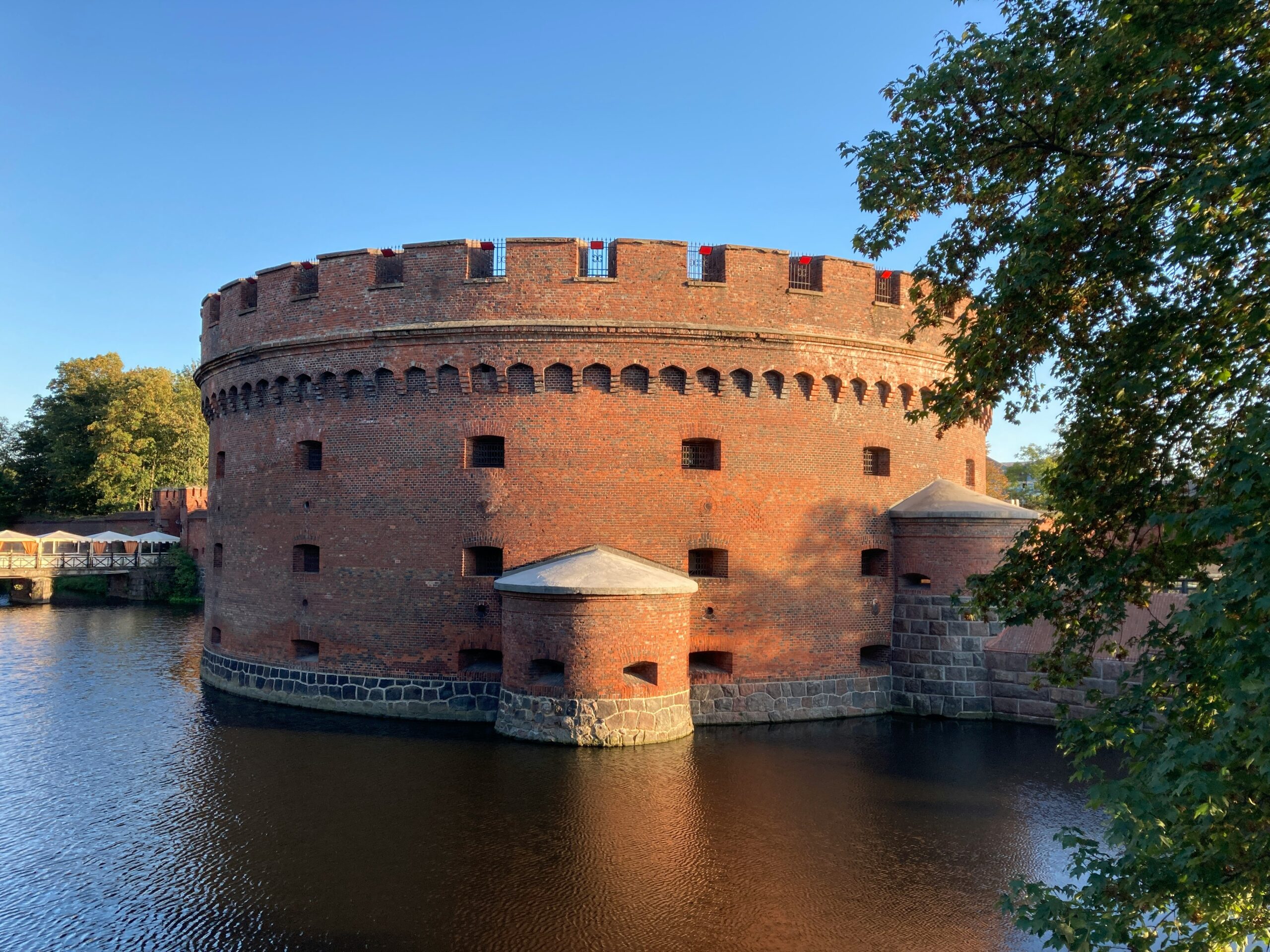
Kaliningrad, a territory of Russia that is not geographically contiguous with the rest of the country, occupies a unique and increasingly prominent position in the European geopolitical landscape. Situated on the Baltic Sea, this exclave is bordered by Poland to the south and west, and Lithuania to the north and east. Its strategic significance has been amplified in recent years, transforming it from a historical curiosity into a potent symbol of Russian military posture and a focal point of increased international attention and concern. The region’s development and current operational status represent a complex interplay of historical legacy, military modernization, and evolving geopolitical realities within the European continent.
The territory that is modern-day Kaliningrad Oblast has a history marked by significant territorial shifts and cultural transformations. Originally part of East Prussia, a region historically associated with German culture and statehood, the area held immense strategic importance for Germany. Its capital, Königsberg, founded by Teutonic Knights in the 13th century, was a thriving cultural and economic center, and a crucial Baltic port. Following the devastation of World War II, East Prussia was divided between Poland and the Soviet Union under the terms of the Potsdam Agreement. The northern portion, including Königsberg, was annexed by the Soviet Union and renamed Kaliningrad in honor of Mikhail Kalinin, a prominent Bolshevik revolutionary.
Post-War Sovietization and Militarization
The immediate aftermath of World War II saw a dramatic demographic and cultural upheaval. The indigenous German population was largely expelled, and the territory was resettled by Soviet citizens. This process aimed to solidify Soviet control and integrate the region into the Soviet sphere of influence. From its earliest days as a Soviet territory, Kaliningrad was envisioned as a strategically vital outpost. Its location on the Baltic Sea, offering direct access to Western Europe and Scandinavia, made it an ideal base for naval operations and a crucial defensive position. The Soviet Union invested heavily in its military infrastructure, transforming Kaliningrad into a highly fortified zone. This historical foundation of militarization continues to shape the region’s present-day strategic importance.
The Baltic Fleet’s Vital Anchorage
The establishment and continuous operation of the Russian Baltic Fleet as its primary base in Baltiysk is a testament to Kaliningrad’s enduring naval significance. For decades, this fleet has been a cornerstone of Soviet and, subsequently, Russian naval power projection in the Baltic Sea. Its strategic purpose has evolved over time, adapting to changing geopolitical circumstances, but its core function – to secure Russian interests in the region and exert influence over maritime chokepoints – remains constant. The presence of the Baltic Fleet is a tangible demonstration of Russia’s commitment to maintaining a strong naval presence at the heart of Europe.
Kaliningrad’s strategic importance has been a topic of considerable discussion, particularly in the context of its geopolitical positioning between NATO and Russia. For a deeper understanding of the implications of Kaliningrad’s location and its role in regional security dynamics, you can refer to a related article that explores these themes in detail. For more information, visit this article.
Kaliningrad as the “Unsinkable Aircraft Carrier”: NATO’s Critical Flank
Kaliningrad’s geographical position, sandwiched between two NATO member states, Poland and Lithuania, presents a unique and commanding military advantage for Russia. This spatial arrangement has led to the widely used analogy of Kaliningrad functioning as an “unsinkable aircraft carrier,” a fixed platform from which military power can be projected deep into the alliance’s northern perimeter. Its proximity to key NATO routes and territories makes it an indispensable element of Russia’s military strategy in the region.
Projecting Power into the Northern Flank
The exclave’s location allows Russia to exert significant influence over the airspace and maritime approaches to the Baltic states (Estonia, Latvia, and Lithuania) and parts of Northern Europe. Military assets stationed in Kaliningrad can reach critical NATO areas with a relatively short flight or missile trajectory, significantly altering the strategic calculus for the alliance. This capability is not merely theoretical; it is backed by substantial military hardware and strategic doctrine. The deployment of advanced weaponry further bolsters this projection of power, creating a constant strategic pressure on NATO’s eastern flank.
The Strategic Encirclement of Baltic States
For the Baltic states, Kaliningrad represents a constant strategic challenge. Their land borders are directly adjacent to Russia or Belarus, and from Kaliningrad, Russia can effectively project power that could potentially isolate these nations from their NATO allies at sea and in the air. This creates a sense of vulnerability and necessitates a heightened state of readiness and strategic planning from both the Baltic states and their NATO partners. The perceived threat emanating from Kaliningrad shapes defensive postures and alliance commitments.
Europe’s Heaviest Militarization: A Fortress on the Baltic

Kaliningrad is not simply a strategically located territory; it is, by many accounts, the most heavily militarized area in Europe. This designation stems from the significant concentration of sophisticated military hardware and advanced defense systems deployed within its borders. The region has been systematically transformed into a formidable military stronghold, designed to deter potential adversaries and to project a strong, readily available military force.
The Baltic Fleet’s Homeport in Baltiysk
The port city of Baltiysk serves as the primary base for the Russian Baltic Fleet. This naval facility is a critical hub for Russia’s maritime operations in the Baltic Sea, housing a significant portion of the fleet’s assets, including frigates, corvettes, submarines, and auxiliary vessels. The presence of the fleet here underscores Russia’s commitment to maintaining naval dominance and projecting power across the Baltic. The continuous development and modernization of Baltiysk as a naval base further solidify its strategic importance.
Advanced Missile Systems: Iskander-M and S-400
Among the most concerning military assets stationed in Kaliningrad are the Iskander-M ballistic missile systems. These highly mobile and versatile systems are capable of deploying both conventional and nuclear warheads and possess a range that extends deep into NATO territory. Their presence raises significant concerns about Russia’s ability to conduct rapid, long-range strikes, potentially bypassing existing NATO defenses. Complementing these offensive capabilities are the S-400 Triumf surface-to-air missile systems. These advanced air defense systems are designed to create an Anti-Access/Area Denial (A2/AD) bubble, capable of intercepting a wide range of aerial threats, including aircraft, drones, and cruise missiles. The combination of offensive missile capabilities and advanced air defense creates a formidable defensive and offensive posture.
Nuclear-Capable Assets and Strategic Deterrence
Beyond conventional and advanced air defense systems, Kaliningrad is understood to host nuclear-capable assets. While the specifics are often shrouded in secrecy, intelligence assessments suggest the presence of nuclear-armed cruise missiles or the potential for nuclear delivery through its bomber or submarine fleets. This element of nuclear capability significantly elevates the strategic stakes associated with Kaliningrad, transforming it into a crucial component of Russia’s strategic nuclear deterrence posture. The presence of such weapons amplifies the region’s geopolitical sensitivity and the potential for escalation in times of heightened tension.
The Double-Edged Sword: Ice-Free Port Access and Geopolitical Vulnerability

Kaliningrad’s strategic importance is intrinsically linked to its access to the Baltic Sea, a factor that presents both vital advantages and significant vulnerabilities. Its designation as Russia’s only ice-free port on the Baltic Sea year-round is a crucial asset, providing an unbroken maritime connection to the outside world, regardless of seasonal weather conditions. This logistical lifeline is indispensable for both military and commercial operations.
Year-Round Maritime Gateway
The year-round usability of Kaliningrad’s ports is a significant strategic advantage for Russia. Unlike many other Baltic ports which can freeze over during winter months, Kaliningrad’s ice-free status ensures continuous naval deployment, resupply, and commercial trade. This reliability is essential for maintaining operational readiness of the Baltic Fleet and for facilitating the movement of goods and personnel to and from the exclave. It acts as a constant conduit, allowing Russia to maintain a consistent presence and flow of resources.
A “Geopolitical Prison”: Isolation and Restrictions
However, this essential maritime access is juxtaposed with a growing sense of isolation for Kaliningrad. Its geographical separation from mainland Russia, by approximately 360–435 kilometers of NATO territory, creates inherent logistical and strategic challenges. Access to Kaliningrad from Russia is primarily dependent on either sea routes or a vital rail corridor that passes through Lithuania, a NATO and European Union member. In recent years, Lithuania has implemented trade restrictions on certain goods transiting through its territory to Kaliningrad, citing EU sanctions. This has led to descriptions of Kaliningrad as a “geopolitical prison,” trapped by its surrounding NATO borders and facing increasing pressure from its immediate neighbors. This isolation magnifies its reliance on maritime routes, further emphasizing the importance of its ice-free port status while simultaneously highlighting its strategic vulnerability.
Kaliningrad’s strategic importance in the geopolitical landscape of Europe cannot be overstated, as it serves as a critical point for both military and economic interests. The region’s unique position between NATO and Russia has led to heightened tensions and a complex security environment. For a deeper understanding of the implications of Kaliningrad’s location, you can read a related article that explores its role in contemporary geopolitics. This insightful piece offers valuable perspectives on the challenges and opportunities presented by this enclave. To learn more, visit this article.
The A2/AD Bubble: Projecting Denied Access in Europe
| Aspect | Importance |
|---|---|
| Geopolitical Location | Strategic position between Europe and Russia |
| Military Significance | Home to Russian Baltic Fleet and key military installations |
| Economic Importance | Access to Baltic Sea for trade and transportation |
| Historical Significance | Rich history as a former German city and Soviet enclave |
The military capabilities concentrated in Kaliningrad have increasingly contributed to the establishment and projection of an Anti-Access/Area Denial (A2/AD) bubble by Moscow. This concept refers to the deployment of military assets designed to prevent or severely restrict an adversary’s ability to operate within a specific geographic area. Kaliningrad plays a pivotal role in Russia’s A2/AD strategy, posing a significant threat to air and sea traffic across a broad swathe of Northern and Eastern Europe.
Threat to Baltic Air and Sea Lanes
The integrated air defense systems, advanced missile capabilities, and naval presence in Kaliningrad allow Russia to control large portions of the Baltic Sea and its airspace. This capability can be directed at any potential adversaries, including NATO forces. The A2/AD bubble effectively creates a “no-go zone,” making it difficult and hazardous for opposing military forces to operate within its reach. This directly impacts the freedom of movement for NATO’s naval vessels and aircraft in the region, forcing them to maintain greater distances and increasing operational complexity.
Impact on Western Europe and Scandinavia
The reach of the A2/AD bubble extends far beyond the immediate vicinity of Kaliningrad. Its ballistic and cruise missiles, as well as its sophisticated air defense network, can threaten targets in parts of Scandinavia and Western Europe. This broadens the strategic implications of Kaliningrad’s military posture, demonstrating Russia’s capacity to project power and deny access to key strategic areas across a considerable portion of the European continent. The continuous development of these capabilities means that the A2/AD bubble is not static but rather an ever-evolving threat that requires constant vigilance and adaptation from NATO and its allies. The region’s role as a heavily militarized outpost, coupled with its strategic location, solidifies Kaliningrad’s status as a key strategic location in Europe, demanding ongoing international attention and strategic consideration.

Why Russia Can Never Feel Safe
FAQs
What is Kaliningrad and where is it located?
Kaliningrad is a Russian exclave located between Poland and Lithuania on the Baltic Sea. It is not connected to the rest of Russia and is surrounded by European Union countries.
Why is Kaliningrad strategically important?
Kaliningrad is strategically important due to its location on the Baltic Sea, which provides Russia with access to the sea and allows for the deployment of naval forces. It also serves as a key military outpost for Russia in the region.
What are the main military assets in Kaliningrad?
Kaliningrad is home to a number of military assets, including the Russian Baltic Fleet, air and missile defense systems, and a significant number of troops. It also hosts Iskander ballistic missile systems, which have the capability to strike targets in neighboring NATO countries.
How does Kaliningrad impact European security?
Kaliningrad’s proximity to NATO member states has raised concerns about European security. The presence of Russian military forces and advanced weaponry in the exclave has led to tensions and increased military activity in the region.
What are the implications of Kaliningrad’s strategic importance for international relations?
The strategic importance of Kaliningrad has led to increased tensions between Russia and NATO, as well as concerns about potential military escalation in the region. It has also prompted discussions about arms control and confidence-building measures between Russia and Western countries.