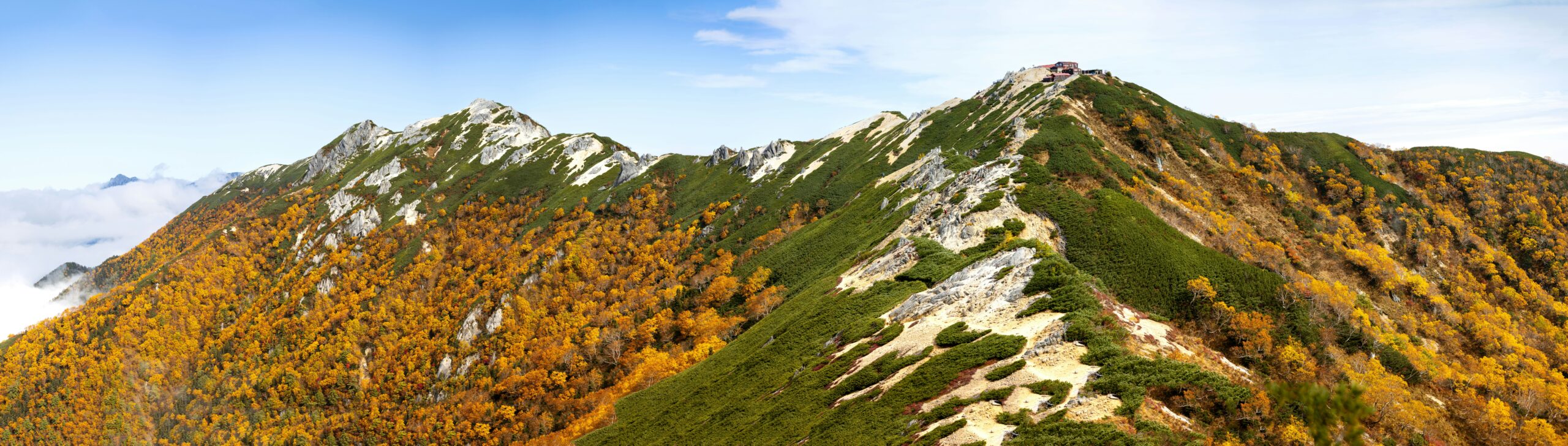
Japan’s Unique Geography: The Mountainous Archipelago
Japan, a nation meticulously woven from a chain of islands off

Why Japan Can’t Build Another Tokyo
FAQs
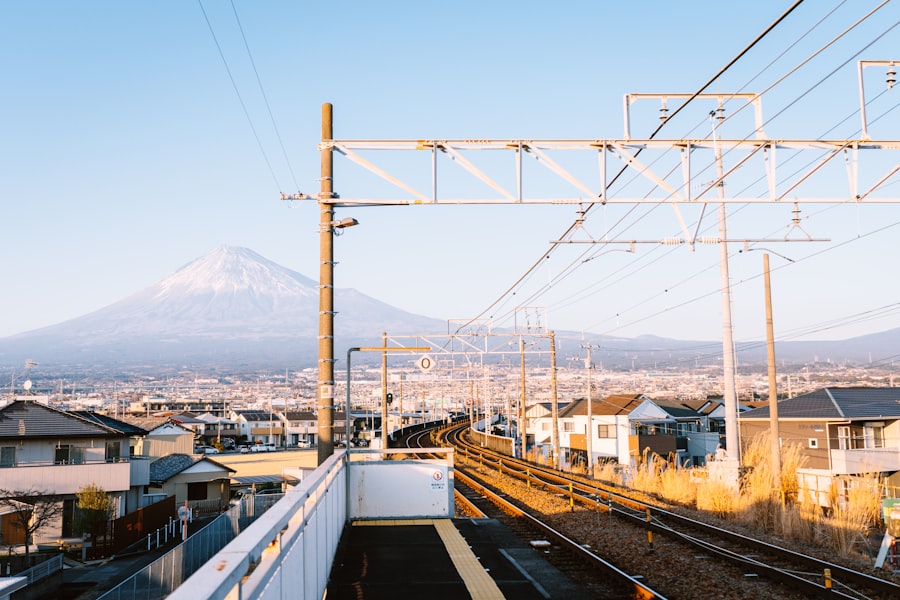
1. What geological processes contributed to Japan’s mountainous terrain?
Japan’s mountainous terrain is primarily the result of tectonic activity, including the subduction of the Pacific Plate beneath the Eurasian Plate. This has led to the formation of numerous mountain ranges and volcanic peaks throughout the country.
2. How does Japan’s location on the Pacific Ring of Fire contribute to its mountainous landscape?
Japan is located on the Pacific Ring of Fire, a region known for its high levels of tectonic activity, including earthquakes and volcanic eruptions. This has led to the formation of many of Japan’s mountains, including its numerous active and dormant volcanoes.
3. What impact do Japan’s mountains have on the country’s climate and ecosystems?
The mountainous terrain of Japan has a significant impact on its climate, leading to diverse microclimates and ecosystems. The mountains influence precipitation patterns, creating areas of heavy rainfall and lush vegetation, as well as drier regions. The varied elevations also support a wide range of plant and animal species.
4. How have Japan’s mountains influenced the country’s culture and history?
Japan’s mountains have played a significant role in shaping the country’s culture and history. They have provided natural defenses, influenced settlement patterns, and contributed to the development of unique cultural practices, such as mountain worship and traditional mountain-based industries like forestry and mining.
5. Are there any efforts to mitigate the challenges posed by Japan’s mountainous terrain?
Japan has implemented various measures to address the challenges posed by its mountainous terrain, including the construction of extensive transportation infrastructure, such as tunnels and bridges, to improve connectivity between regions. Additionally, the country has developed innovative agricultural and forestry practices to make productive use of its mountainous landscapes.