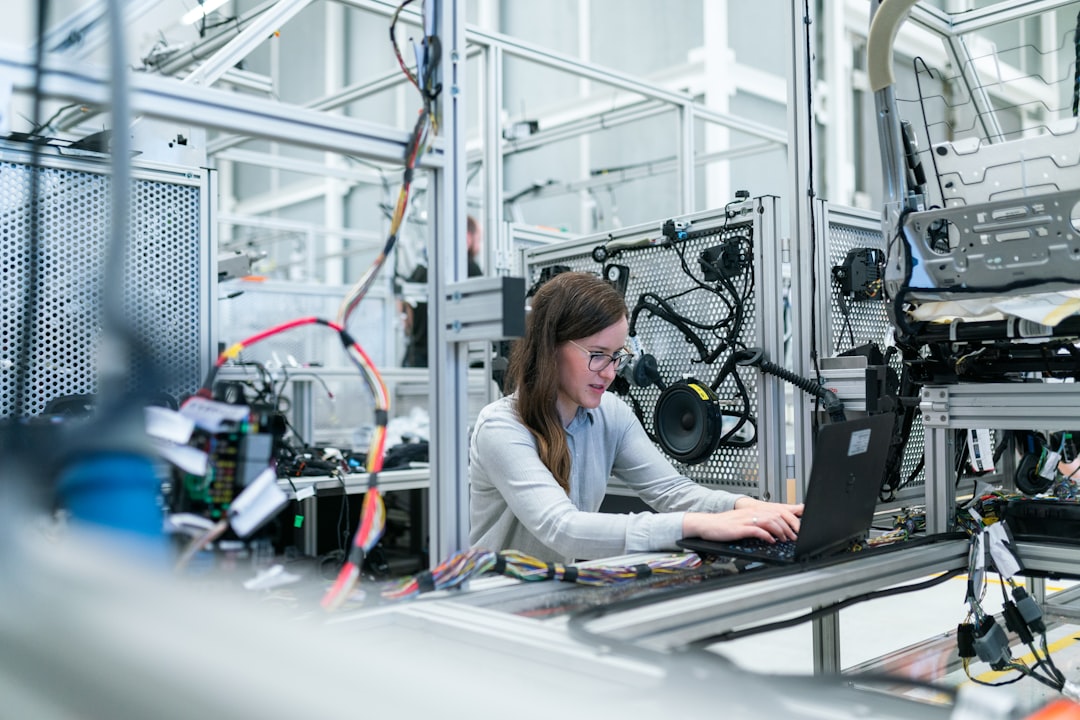
The hum of advanced machinery, the intricate dance of robotics, the whisper of cutting-edge transportation – these are the sounds that define Japan’s relentless pursuit of engineering excellence. For decades, the nation has stood as a beacon of innovation, pushing the boundaries of what is technologically possible and consistently reshaping our daily lives. A compelling new documentary, “Japan’s Engineering Innovations: A Documentary,” embarks on an ambitious journey to unravel the multifaceted tapestry of this remarkable technological prowess, offering viewers an intimate look at the minds and machines that are shaping the future. This film is not merely a recitation of achievements; it is a deep dive into the philosophy, the dedication, and the sheer ingenuity that underpins Japan’s enduring legacy in the realm of engineering.
The documentary, through its insightful narrative and stunning visuals, illuminates the core principles that drive Japanese innovation. It moves beyond the superficial gloss of futuristic gadgets to explore the profound societal impact of these advancements, examining how engineering solutions are crafted with meticulous care, a deep understanding of human needs, and an unwavering commitment to quality and sustainability. The film suggests that Japan’s approach to engineering is not simply about building things, but about building a better future.
The Pillars of Progress: Core Engineering Disciplines
“Japan’s Engineering Innovations” dedicates significant segments to exploring the foundational disciplines that have fueled the nation’s technological ascent. The documentary doesn’t shy away from the complexities, instead breaking down intricate concepts into digestible and engaging narratives.
Robotics and Automation: The Human-Machine Partnership
Perhaps no other field epitomizes Japan’s engineering prowess more than robotics. The documentary delves into the historical roots of robotics in Japan, tracing its evolution from early industrial automation to the sophisticated, human-like androids of today. Viewers are introduced to the pioneers who envisioned machines that could not only perform dangerous or repetitive tasks but also interact with humans in increasingly nuanced ways.
The Evolution of Industrial Robots
The film highlights how Japan’s post-war economic boom was significantly propelled by the early adoption and development of industrial robots. These machines, initially designed to increase efficiency and alleviate labor shortages in manufacturing, laid the groundwork for advanced automation. The documentary showcases archival footage of early assembly lines, juxtaposing them with the gleaming, highly synchronized robotic arms of modern factories, demonstrating the exponential leap in precision and capability.
- Precision Engineering: A key focus is on the Japanese dedication to precision. The documentary features interviews with engineers who explain the meticulous calibration and design processes that ensure robotic movements are incredibly accurate, whether assembling microchips or performing delicate surgical procedures.
- Human-Robot Collaboration: Beyond mere replacement of human labor, the film emphasizes the growing trend towards collaborative robots, or “cobots.” These robots are designed to work alongside humans, augmenting their abilities rather than supplanting them. Examples include cobots assisting in manufacturing, logistics, and even elder care, fostering a spirit of partnership.
- The Future of Service Robotics: The documentary explores the burgeoning field of service robotics, showcasing examples that range from robotic vacuum cleaners and lawnmowers to more complex applications like robotic assistants for the elderly and infirm. The discussion often touches upon the ethical considerations and societal implications of integrating robots into personal lives.
Advancements in Artificial Intelligence and Machine Learning
Crucially, the documentary links the rise of advanced robotics to the parallel development of artificial intelligence (AI) and machine learning. It explains how AI algorithms are the “brains” behind increasingly intelligent robots, enabling them to learn, adapt, and make decisions in real-time.
- Learning Algorithms: Viewers gain an understanding of how machine learning algorithms allow robots to improve their performance over time through data analysis and pattern recognition. This is exemplified by robots that learn to identify and sort objects, or even to navigate complex environments autonomously.
- Natural Language Processing: The documentary highlights breakthroughs in natural language processing, enabling robots to understand and respond to human speech with greater accuracy and fluidity. This is crucial for the development of more intuitive human-robot interfaces.
- Ethical AI Development: The film also addresses the ethical considerations surrounding AI development, including the challenges of bias in algorithms and the importance of creating AI systems that are transparent and accountable.
Transportation Systems: Speed, Efficiency, and Sustainability
Japan’s commitment to revolutionizing transportation is another central theme. From the iconic Shinkansen bullet train to its explorations in electric and potentially even hyperloop technologies, the documentary portrays a nation that understands the critical role of efficient and sustainable mobility.
The Shinkansen: A Legacy of Punctuality and Speed
The documentary dedicates a significant portion to the Shinkansen, often referred to as the “bullet train.” It’s presented not just as a mode of transport but as a symbol of Japanese engineering excellence. The film traces its inception, its technological evolution, and its enduring impact on Japanese society and global railway standards.
- On-Time Performance: The film emphasizes the Shinkansen’s legendary punctuality. Interviews with operational staff and engineers reveal the intricate systems and rigorous maintenance protocols that contribute to its near-perfect on-time record, a stark contrast to many other rail networks globally.
- Aerodynamic Design: The documentary showcases the continuous aerodynamic refinements made to the Shinkansen trains, illustrating how engineers have worked to minimize air resistance, reduce noise pollution, and improve energy efficiency at high speeds.
- Safety Innovations: The film highlights the Shinkansen’s exceptional safety record, attributing it to a robust design philosophy that incorporates sophisticated braking systems, earthquake detection and response mechanisms, and rigorous inspection procedures.
The Electric Revolution and Beyond
Beyond the Shinkansen, the documentary explores Japan’s forward-thinking approach to electric vehicles (EVs) and the potential of future mobility solutions. It acknowledges the nation’s early contributions to hybrid technology and its ongoing investment in battery research and development.
- Hybrid Technology Leadership: The film revisits the pioneering role of Japanese manufacturers in popularizing hybrid vehicles, demonstrating how these innovations paved the way for the broader adoption of electrified transportation.
- Battery Technology Advancements: The documentary touches upon the cutting-edge research in battery technology, a critical component for the widespread adoption of EVs. It explores efforts to improve energy density, charging speed, and lifespan of batteries.
- Future Mobility Concepts: The film also peeks into the future, discussing ongoing research into autonomous vehicles, advanced driver-assistance systems (ADAS), and even speculative concepts that could redefine personal and public transportation in the coming decades.
If you’re interested in the fascinating world of Japanese engineering, you might want to check out a related article that delves into the innovative technologies and practices shaping the industry today. This article provides insights into Japan’s approach to sustainable engineering and its impact on global standards. You can read more about it here: Japan Engineering Innovations.
Engineering for a Sustainable Future: Environmental Solutions
A significant and increasingly vital aspect of Japan’s engineering identity, as portrayed by the documentary, is its commitment to environmental sustainability. The nation grapples with limited natural resources and a dense population, prompting a proactive approach to developing solutions that minimize ecological impact.
Renewable Energy Technologies: Harnessing Nature’s Power
The documentary highlights Japan’s drive to diversify its energy portfolio through the development and implementation of renewable energy sources. It moves beyond solar and wind to explore other innovative avenues.
Solar Power Innovations
While solar power is a global trend, the documentary showcases specific Japanese innovations in solar technology.
- High-Efficiency Panels: The film features research into next-generation solar panels that boast higher energy conversion efficiencies, even in challenging weather conditions.
- Integrated Solar Solutions: It explores the integration of solar technology into everyday infrastructure, such as solar-powered roads, buildings with embedded solar materials, and solar-powered charging stations.
- Floating Solar Farms: A particularly captivating segment showcases the development of large-scale floating solar farms on reservoirs and lakes, a clever solution to land scarcity.
Wind Energy and Geothermal Power Exploration
The documentary also examines Japan’s efforts in wind and geothermal energy, recognizing the unique geographical advantages and challenges in each area.
- Offshore Wind Technology: The film discusses the engineering challenges and advancements in offshore wind power generation, particularly in Japan’s archipelagic geography, focusing on turbine design and installation techniques.
- Geothermal Potential: Given Japan’s volcanic activity, the documentary explores its significant geothermal potential and the engineering breakthroughs in harnessing this consistent and clean energy source.
Waste Management and Resource Recycling: A Circular Economy Approach
Japan’s innovative approach to waste management and resource recycling is presented as a testament to its resourcefulness and forward-thinking environmental policies. The film illustrates how the nation has transformed waste into opportunity.
Advanced Recycling Processes
The documentary showcases the sophisticated technologies employed in recycling, illustrating how discarded materials are broken down and repurposed.
- Material Segregation and Sorting: It delves into the highly efficient systems for segregating and sorting waste, often employing advanced optical and robotic technologies to ensure maximum recovery of recyclable materials.
- Chemical Recycling: The film explains the innovative processes of chemical recycling, where plastics are broken down into their molecular components for resynthesis into new materials, addressing the limitations of traditional mechanical recycling.
Waste-to-Energy Solutions
A crucial aspect of Japan’s waste management strategy is its utilization of waste-to-energy technologies.
- Incineration with Energy Recovery: The documentary visits state-of-the-art incineration plants that not only reduce the volume of waste but also generate electricity through its combustion, showcasing advanced pollution control measures.
- Biogas Production: The film also explores the production of biogas from organic waste, highlighting its potential as a renewable energy source and a cleaner alternative to traditional landfill operations.
Precision Engineering and Materials Science: The Foundation of Innovation
Underpinning many of Japan’s technological advancements is a deep-seated mastery of precision engineering and an pioneering spirit in materials science. The documentary highlights how this focus on the fundamental building blocks of innovation has been crucial.
In exploring the fascinating world of Japanese engineering, one can gain deeper insights by watching a captivating documentary that showcases the innovative technologies and practices that have emerged from the country. For those interested in further expanding their knowledge, a related article can be found at My Geo Quest, which delves into the historical context and modern advancements in Japan’s engineering landscape. This resource complements the documentary perfectly, providing a well-rounded understanding of how Japan continues to lead in various engineering fields.
Micro and Nanotechnology: Smaller, Smarter, Stronger
The film delves into the world of the incredibly small, showcasing how Japanese engineers are pushing the boundaries of micro and nanotechnology to create revolutionary products and systems.
Microfabrication Techniques
The documentary explains the intricate processes involved in microfabrication, the art of creating microscopic structures with extreme precision.
- Lithography and Etching: Viewers are given a glimpse into techniques like photolithography and advanced etching processes used to create microchips and other micro-scale devices.
- MEMS (Micro-Electro-Mechanical Systems): The film explores the development of MEMS, which integrate mechanical and electrical components at the micro-scale, leading to innovations in sensors, actuators, and medical devices.
Nanomaterials and Their Applications
The documentary highlights the significant investments in the research and application of nanomaterials.
- Enhanced Material Properties: It explains how manipulating materials at the nanoscale can lead to remarkable improvements in strength, conductivity, and reactivity, with applications in everything from aerospace to consumer electronics.
- Drug Delivery Systems: The film touches upon the exciting potential of nanomaterials in medicine, such as targeted drug delivery systems that can administer medication precisely where it is needed in the body.
Advanced Manufacturing Processes: Efficiency and Quality Control
The documentary emphasizes how Japan’s dedication to advanced manufacturing processes is a critical factor in its consistent delivery of high-quality products.
Lean Manufacturing Principles
The film revisits the origins and ongoing application of lean manufacturing principles, which

Why Japan Can’t Build Another Tokyo
FAQs
What is the Japan engineering documentary about?
The Japan engineering documentary explores the innovative and cutting-edge engineering projects and advancements taking place in Japan. It showcases the country’s contributions to various fields such as robotics, transportation, infrastructure, and technology.
Who is featured in the Japan engineering documentary?
The documentary features interviews and insights from leading engineers, scientists, and experts in Japan’s engineering industry. It also includes footage of groundbreaking projects and showcases the work of influential engineering firms and research institutions in the country.
What are some of the key engineering projects highlighted in the documentary?
The documentary highlights a range of engineering projects, including the development of high-speed trains, advancements in robotics and automation, sustainable urban planning and infrastructure, earthquake-resistant building technologies, and innovations in renewable energy and environmental engineering.
Where can I watch the Japan engineering documentary?
The Japan engineering documentary may be available for streaming on various platforms such as streaming services, educational websites, or through special screenings and events. Check with local broadcasters or online streaming platforms for availability.
What can viewers learn from the Japan engineering documentary?
Viewers can gain insights into Japan’s engineering prowess and its impact on global technological advancements. The documentary provides a deeper understanding of the innovative solutions and approaches employed by Japanese engineers, as well as the country’s influence on shaping the future of engineering and technology.