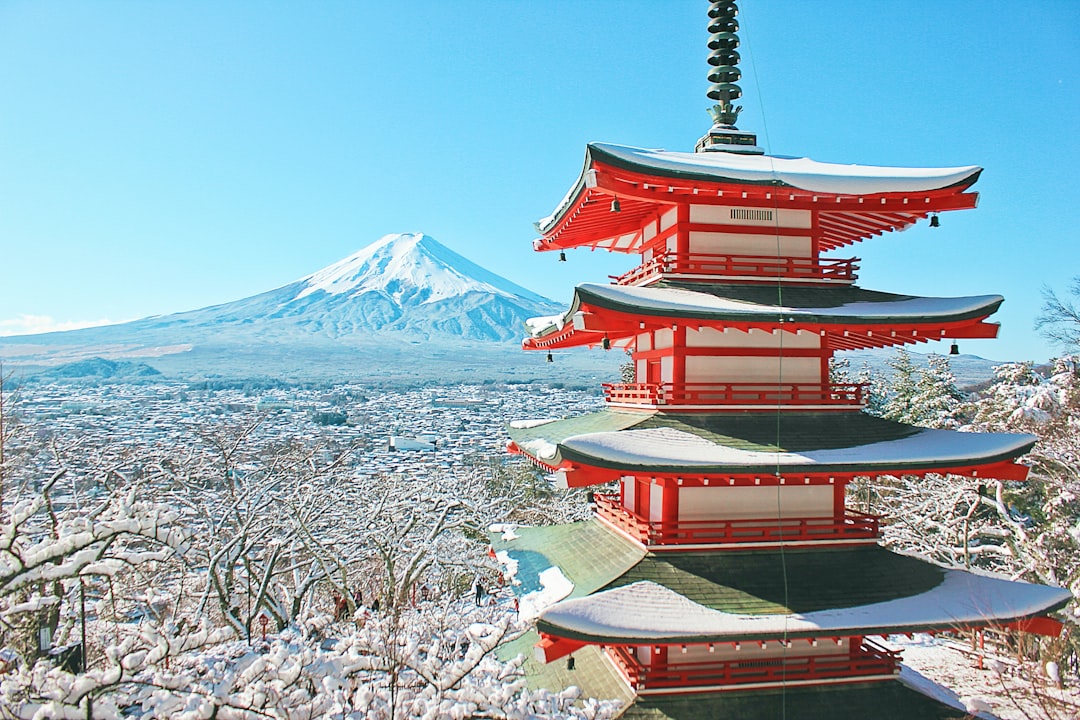
Japan’s journey from a deeply traditional society to a modern global powerhouse is a narrative of remarkable transformation. For centuries, the island nation meticulously preserved its unique customs, social structures, and artistic expressions, often in relative isolation. However, the Meiji Restoration in the late 19th century marked a pivotal turning point, ushering in an era of rapid Westernization and industrialization. This initial embrace of modernity, driven by a desire for national strength and survival, laid the groundwork for the profound cultural shifts that continue to shape Japan today. While a profound respect for the past persists, the nation has demonstrably adapted and innovated, weaving threads of tradition into the fabric of contemporary life. This article explores the multifaceted ways in which Japan is embracing modernity, from technological advancements and evolving social norms to the subtle yet significant shifts in its artistic and entertainment landscapes.
Japan has long been synonymous with technological innovation, and its embrace of modernity is perhaps most evident in its seamless integration of digital technologies into everyday life. From cutting-edge robotics to ubiquitous internet access, the nation consistently pushes the boundaries of what is possible, influencing global trends and setting new benchmarks for technological advancement.
Smart Cities and the Internet of Things
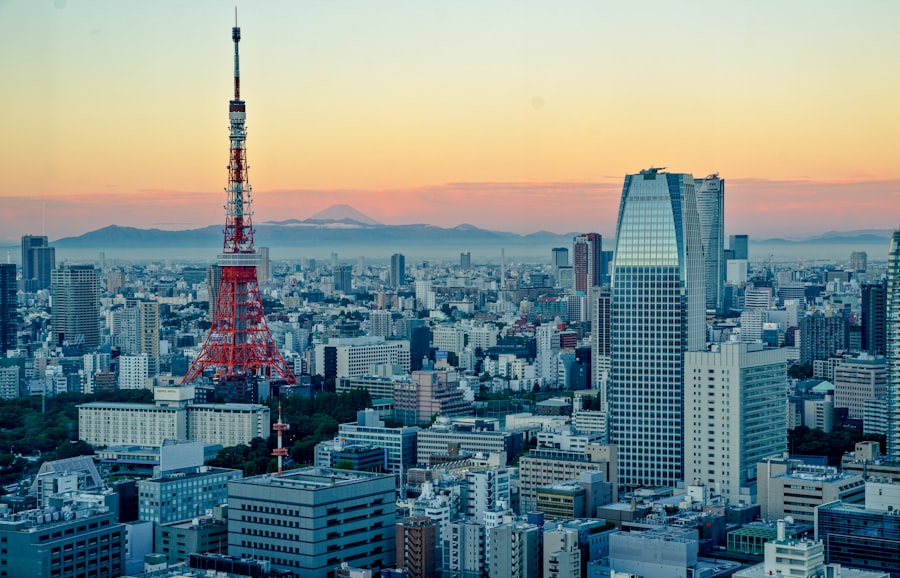
The concept of the “smart city” is not a futuristic fantasy in Japan; it is a tangible reality being actively developed and implemented. Cities like Tokyo, Osaka, and Kyoto are increasingly becoming living laboratories for the Internet of Things (IoT), where interconnected devices and sensors collect and analyze data to improve urban living.
Intelligent Infrastructure and Urban Planning
This integration of IoT extends to fundamental urban infrastructure. Traffic management systems employ real-time data from sensors to optimize signal timings and reduce congestion, leading to smoother commutes and reduced pollution. Smart grids are being developed to manage energy consumption more efficiently, with sensors monitoring usage patterns and adapting supply accordingly. Buildings are outfitted with automated systems for lighting, heating, and security, contributing to both energy savings and enhanced resident comfort and safety. Furthermore, smart public transportation networks offer real-time arrival information, personalized route suggestions, and seamless ticketing systems, making it easier for citizens and tourists to navigate the country. Urban planning is becoming increasingly data-driven, with simulations and predictive modeling used to anticipate future needs and mitigate potential problems, from disaster preparedness to resource allocation.
Japan is undergoing significant changes in various aspects, from its economy to its social structure. An insightful article that delves into these transformations is available at this link. The article explores how Japan is adapting to global challenges, including an aging population, technological advancements, and shifting cultural norms, providing a comprehensive overview of the factors driving change in the nation.
Personal Technology and Daily Life
Beyond urban infrastructure, personal technology plays an indispensable role in the daily lives of most Japanese people. High-speed internet is widely accessible, with Wi-Fi hotspots prevalent in public spaces. Smartphones are not

Why Japan Can’t Build Another Tokyo
FAQs
What are some reasons why Japan is changing?
Japan is changing due to a variety of factors, including an aging population, declining birth rates, economic challenges, and shifts in societal values and norms.
How is Japan’s aging population impacting the country’s changes?
Japan’s aging population is impacting the country’s changes by putting strain on the healthcare and social welfare systems, as well as creating labor shortages and impacting economic growth.
What role do declining birth rates play in Japan’s changing landscape?
Declining birth rates in Japan are contributing to a shrinking workforce, which is affecting the country’s economy and leading to concerns about the sustainability of social security and pension systems.
How are economic challenges influencing Japan’s transformation?
Economic challenges, such as deflation, high public debt, and global competition, are driving Japan to implement structural reforms and seek new sources of growth and innovation.
What societal values and norms are shifting in Japan?
Societal values and norms in Japan are shifting in areas such as gender roles, work culture, and attitudes towards immigration and diversity, reflecting a desire for greater inclusivity and equality.