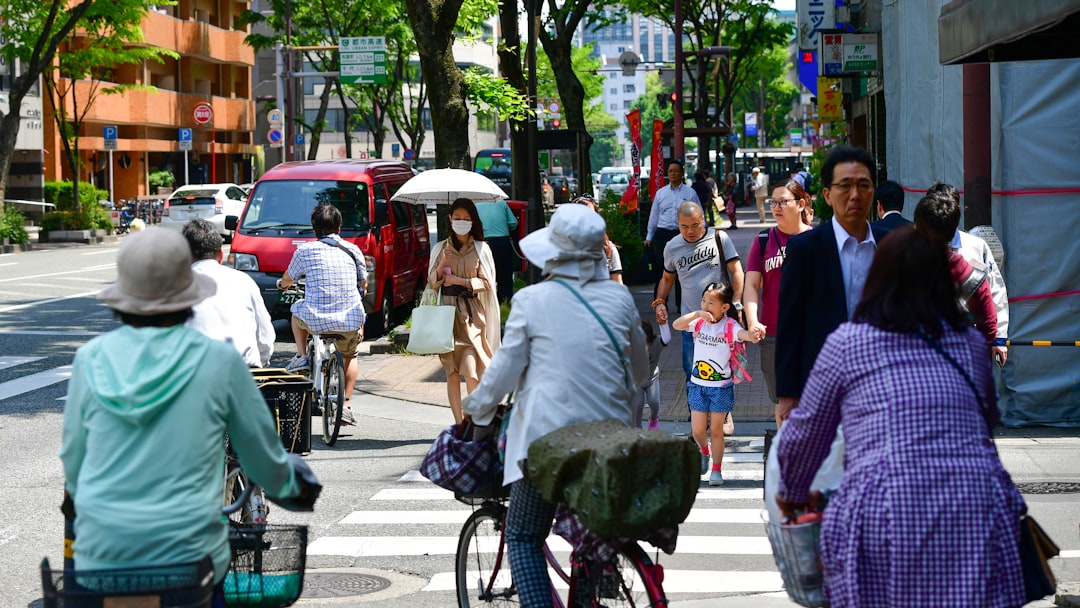
Japan’s unique demographic trajectory has placed it at the forefront of global discussions concerning aging populations. For decades, the nation has been grappling with a confluence of factors that have led to a rapidly shrinking and aging society. This phenomenon is not merely a statistical curiosity; it has profound societal, economic, and cultural implications that continue to shape the present and future of the nation. Understanding the underpinnings of this demographic shift requires a multi-faceted examination of birth rates, life expectancy, and societal attitudes, all of which interact to create Japan’s distinctive demographic landscape.
At the core of Japan’s demographic challenges lies a persistently low birthrate. This trend, which has been a concern since the latter half of the 20th century, shows no signs of reversing in the short to medium term. Several interconnected factors contribute to this decline, painting a complex picture of societal and economic pressures influencing reproductive decisions. The declining birthrate is not a singular issue but rather a symptom of deeper societal shifts and evolving individual priorities.
Falling Fertility Rates: The Numbers Tell a Stark Story
The total fertility rate (TFR) in Japan has hovered significantly below the replacement level of approximately 2.1 children per woman for an extended period. This means that, on average, each woman is not having enough children to replace herself and her partner in the population. The TFR has seen periods of slight fluctuation, but the overarching trend has been one of stagnation at low levels. This persistent deficit in births has a cumulative effect, steadily reducing the size of younger cohorts entering the population and thus altering the age structure. The reliance on immigration to offset such deficits has been a policy option explored by many developed nations, but Japan has historically maintained a relatively closed immigration system, which has limited its ability to counteract the declining birthrate through population influx.
Societal and Economic Pressures on Family Formation
The decision to have children is influenced by a myriad of societal and economic factors, and in Japan, these pressures have increasingly made childbearing a challenging prospect for many.
The Cost of Raising Children
The financial burden associated with raising children in Japan is a significant deterrent. Education, in particular, is highly valued, and the costs associated with schooling, from kindergarten through university, can be substantial. This includes tuition fees, extracurricular activities, and the general expenses of daily living. For many couples, especially those with dual incomes struggling to manage household finances, the prospect of adding the significant expense of children can be overwhelming. Furthermore, the competitive nature of Japanese society often translates into a pressure for children to attend prestigious schools, which further escalates these costs.
Career Aspirations and Work-Life Balance
The highly demanding work culture in Japan, characterized by long working hours and a strong emphasis on company loyalty, presents another major obstacle to family formation. For women, in particular, the traditional expectation of a career interruption after childbirth remains a significant concern. While policies have been introduced to support parental leave and re-entry into the workforce, societal norms and workplace structures often make it difficult for women to balance career aspirations with the responsibilities of motherhood. This can lead to a delayed or even foregone decision to have children, as individuals prioritize their professional development and financial stability. The pressure to prove one’s dedication to the job, often through extended hours and weekend work, leaves little room for the time and energy required for raising a family.
Changing Attitudes Towards Marriage and Family
Attitudes towards marriage and family have also evolved. A growing number of young people are choosing to remain single or delay marriage. Factors contributing to this include increased educational attainment for women, a desire for personal freedom and independence, and the aforementioned economic pressures. For some, the traditional model of a nuclear family is no longer the only or even the most desirable life path. This shift in societal values means that the traditional pathway to childbearing, which largely begins with marriage, is becoming less prevalent. The rise of cohabitation and alternative family structures, while present, has not yet significantly offset the declining birthrate.
Early Marriage Decline and Increased Age at First Marriage
The age at which individuals marry has been steadily increasing in Japan. This delay in marriage directly impacts the reproductive window. When couples marry later, they naturally have fewer years within their prime reproductive age to have children. Furthermore, the period of courtship and establishing a stable life before marriage can also extend, further pushing back the timeline for starting a family. This trend is closely linked to the broader societal shifts mentioned above, where individuals are prioritizing education and career development before settling down. The extended period of singlehood can also lead to a strengthening of independent lifestyles, which may then be harder to integrate with the demands of parenthood.
Japan’s aging population is a pressing issue that has significant implications for its economy and society. For a comprehensive understanding of this demographic challenge, you can refer to a related article that delves into the various factors contributing to the aging population in Japan, as well as the potential solutions being explored. To read more about this topic, visit this article.
The Consequence of Longevity: An Expanding Elderly Population
Complementing the declining birthrate is a dramatically increasing life expectancy, a testament to Japan’s advanced healthcare system and overall quality of life. While extending life is a positive societal achievement, its sustained growth in the context of a shrinking population creates a distinct demographic imbalance, leading to a disproportionately large elderly segment of society.
Rising Life Expectancy: A Positive Trend with Demographic Implications
Japan consistently ranks among the countries with the highest life expectancies globally. This is a result of various factors, including a healthy diet, widespread access to advanced medical care, and a generally safe and healthy living environment. However, this remarkable longevity, when coupled with declining birthrates, leads to a significant demographic shift: the proportion of the population aged 65 and over. The continuous lengthening of average lifespans means that individuals are spending a larger portion of their lives in retirement. This demographic reality poses considerable challenges for healthcare systems, pension funds, and the overall economy.
The “Super-Aged” Society: A Global First
Japan has the distinction of being one of the first countries in the world to become a “super-aged” society, a term used to describe a nation where more than 20% of the population is aged 65 or older. This milestone was reached in the mid-2010s and has continued to grow. The implications of such a high proportion of elderly individuals are far-reaching, impacting social services, labor markets, and the very fabric of society. This demographic characteristic means that for every working-age individual, there are increasingly more elderly dependents. This ratio, often referred to as the dependency ratio, places a significant strain on the social welfare system.
The Strain on Healthcare and Social Security Systems
The growing number of elderly individuals directly translates into increased demand for healthcare services and the sustainability of pension schemes. As people live longer, they are more likely to develop age-related illnesses, requiring ongoing medical attention and long-term care. This puts immense pressure on healthcare providers, hospitals, and the public health infrastructure. Similarly, pension systems, designed in an era with a different age structure, face significant challenges in providing adequate financial support to a large and growing elderly population for extended periods. The financial reserves of these systems are strained as the number of contributors (working-age individuals) shrinks relative to the number of beneficiaries (retirees). This necessitates difficult policy decisions regarding contribution rates, retirement ages, and benefit levels.
The Societal Impact: A Changing Social Fabric

Japan’s aging population is not just a matter of statistics; it is fundamentally altering the social fabric of the nation. The way people interact, the roles individuals play, and the very understanding of community are being reshaped by this demographic evolution.
Shrinking Workforce and Labor Shortages
A direct consequence of the declining birthrate and increasing longevity is a shrinking workforce. As fewer young people enter the job market and more people retire, the pool of available labor diminishes. This can lead to significant labor shortages across various sectors, impacting economic productivity and growth. Industries that rely heavily on manual labor or often employ younger workers are particularly vulnerable. The challenge is compounded by the fact that many older workers may not possess the skills required for emerging industries, leading to a skills mismatch. Businesses are forced to adapt by seeking to retain older workers for longer, investing in retraining programs, or exploring automation and robotics.
The Burden on the Young: The “Sandwich Generation”
The aging population places a considerable burden on the younger generations, often referred to as the “sandwich generation.” These individuals are typically in their prime working years and are responsible for supporting both their aging parents and their own children. This dual responsibility can lead to significant financial and emotional stress. In Japan, where societal expectations for filial piety and elder care remain strong, the pressure on the youth to provide care for their elderly relatives can be immense. This can impact their career progression, personal relationships, and overall well-being. The traditional familial model of care, where adult children live with or close to their parents and provide direct care, is becoming increasingly difficult to maintain given modern lifestyles and smaller living spaces.
The Future of Caregiving: A Growing Need
The increasing life expectancy means that the need for elder care services – both in-home and institutional – will continue to rise. This includes assistance with daily living activities, medical care, and emotional support. Japan is actively exploring various solutions, including increased professionalization of the caregiving sector, technological assistance, and potentially greater reliance on foreign caregivers. However, finding sufficient and adequately trained caregivers remains a significant challenge. The image of caregiving as a low-status and low-paying job contributes to recruitment difficulties. Innovative approaches to care, such as community-based care models and intergenerational living facilities, are also being explored.
Economic Repercussions: Stagnation and Innovation
The demographic shifts in Japan have profound economic consequences, influencing everything from economic growth and consumption patterns to the financial markets and social welfare spending. Adapting to these changes requires a strategic redirection of economic policy and a willingness to embrace new approaches.
Slowing Economic Growth and Consumption
A shrinking working-age population and an increasing proportion of retirees naturally leads to slower economic growth. With fewer people in the workforce, overall productivity potential can decline. Furthermore, retirees tend to consume less than working-age individuals, leading to a decrease in aggregate demand. This can result in economic stagnation and deflationary pressures. Businesses may face reduced sales and profits, impacting investment and job creation. The aging demographic also influences the types of goods and services in demand, shifting focus towards healthcare, leisure activities for seniors, and products catering to their specific needs.
The Challenge of Pension Sustainability
As mentioned previously, the sustainability of Japan’s pension system is a major economic concern. The growing number of beneficiaries relative to contributors puts an enormous strain on the system. Policymakers are continuously grappling with how to ensure adequate retirement income for everyone without bankrupting the state. Options include raising the retirement age, increasing contribution rates, and exploring alternative investment strategies for pension funds. The long-term viability of the current system is a subject of intense debate and policy reform. Ensuring that current and future generations of retirees can receive their promised benefits requires careful financial planning and potentially difficult reforms.
The Rise of Automation and Robotics
In response to labor shortages and the need to improve productivity, Japan has become a global leader in the development and adoption of automation and robotics. This technological advancement is not only a response to demographic pressures but also a potential driver of future economic growth. Robots are increasingly being deployed in manufacturing, logistics, and even in elder care settings to assist with tasks and alleviate the burden on human workers. The country’s aging population has created a fertile ground for innovation in this field, as businesses and researchers seek to find solutions to demographic challenges. This focus on robotics also positions Japan to export its expertise and products to other nations facing similar demographic trends.
Japan’s aging population presents significant challenges and opportunities for the nation, as the demographic shift impacts various sectors, including healthcare and the economy. A related article that delves deeper into this issue can be found at MyGeoQuest, where you can explore the implications of an aging society and potential solutions to address these changes. Understanding the complexities of this phenomenon is crucial for policymakers and citizens alike as they navigate the future of Japan.
Policy Responses and Societal Adaptations: Navigating the Future
| Year | Population | Percentage of Population Over 65 |
|---|---|---|
| 2000 | 126,925,843 | 17.3% |
| 2010 | 128,057,352 | 23.1% |
| 2020 | 126,476,461 | 28.1% |
| 2030 | 117,994,000 | 33.2% |
Recognizing the multifaceted challenges posed by its aging population, Japan has implemented a range of policy initiatives and is fostering societal adaptations aimed at mitigating the negative consequences and harnessing potential opportunities.
Government Initiatives to Boost Birthrates
The Japanese government has introduced various policies aimed at encouraging citizens to have more children. These include financial incentives, expanded childcare support, and efforts to promote a better work-life balance. However, these initiatives have had limited success in significantly reversing the declining birthrate. The deep-seated societal and economic factors influencing reproductive decisions are proving difficult to overcome with policy alone. Comprehensive strategies that address the cost of living, work culture, and gender equality are likely required for more impactful change. Ongoing efforts include subsidies for education, improved parental leave policies, and campaigns to normalize father involvement in childcare.
Encouraging Elderly Employment and Participation
To counter the shrinking workforce, Japan is increasingly focusing on encouraging older individuals to remain in the workforce for longer. This involves creating more flexible work arrangements, providing retraining opportunities, and combating age discrimination in employment. The vast experience and knowledge possessed by older workers are seen as valuable assets to the economy. Policies are being implemented to support companies that actively employ and retain older staff, recognizing their continued contribution. This also includes initiatives to encourage entrepreneurship among seniors and to facilitate their re-entry into roles where their skills are highly sought after.
Immigration and Workforce Solutions
While historically cautious about large-scale immigration, Japan is gradually exploring options for incorporating foreign workers to address labor shortages. This includes efforts to attract skilled workers and to create pathways for less-skilled labor in sectors facing critical shortages. The integration of foreign nationals into Japanese society presents both opportunities and challenges, requiring careful planning and effective social integration policies. The debate around immigration is ongoing, with proponents highlighting its potential to revitalize the economy and opponents raising concerns about cultural assimilation and social infrastructure. Nevertheless, the demographic realities are pushing the country to reconsider its approach to foreign labor.
Technological Innovation and Future Prospects
Japan’s commitment to technological innovation, particularly in areas like robotics and artificial intelligence, is seen as a key strategy for navigating its demographic future. These technologies have the potential to enhance productivity, support the elderly, and create new economic opportunities. The country’s strength in these sectors offers a pathway to mitigate the challenges of a shrinking workforce and an aging population. Continued investment in research and development, coupled with a willingness to adopt these technologies across industries, will be crucial for Japan’s long-term resilience and economic competitiveness. The development of elder-care robots, automated transportation, and AI-driven diagnostic tools are all examples of how technology can address the needs of an aging society.
In conclusion, Japan’s aging population is a complex demographic phenomenon driven by a declining birthrate and increasing life expectancy. This unprecedented demographic shift presents significant societal and economic challenges, but also spurs innovation and adaptation. The nation’s ongoing efforts to address these issues, through policy, technological advancement, and societal evolution, offer valuable lessons for other countries preparing for a similar demographic future. The future of Japan will undoubtedly be shaped by its ability to successfully navigate these demographic currents and to build a resilient and thriving society for all its citizens, regardless of age.

Why Japan Can’t Build Another Tokyo
FAQs
What is the current demographic situation in Japan?
Japan has one of the oldest populations in the world, with a rapidly aging demographic. The country’s birth rate has been declining for decades, leading to a shrinking workforce and an increasing elderly population.
What are the causes of Japan’s aging population?
Several factors contribute to Japan’s aging population, including a low birth rate, longer life expectancy, and a reluctance to accept immigrants to offset the declining workforce. Additionally, cultural and economic factors have also played a role in the demographic shift.
What are the implications of Japan’s aging population?
The aging population in Japan has significant implications for the country’s economy, healthcare system, and social welfare programs. It has also led to concerns about a shrinking workforce and potential labor shortages in various industries.
How is Japan addressing the challenges of an aging population?
The Japanese government has implemented various policies and initiatives to address the challenges of an aging population, including promoting women’s participation in the workforce, increasing the retirement age, and investing in technology and automation to offset labor shortages.
What can other countries learn from Japan’s experience with an aging population?
Other countries can learn from Japan’s experience by implementing proactive policies to address demographic shifts, such as promoting family-friendly policies to encourage higher birth rates, investing in healthcare and social welfare programs, and rethinking immigration policies to offset workforce shortages.