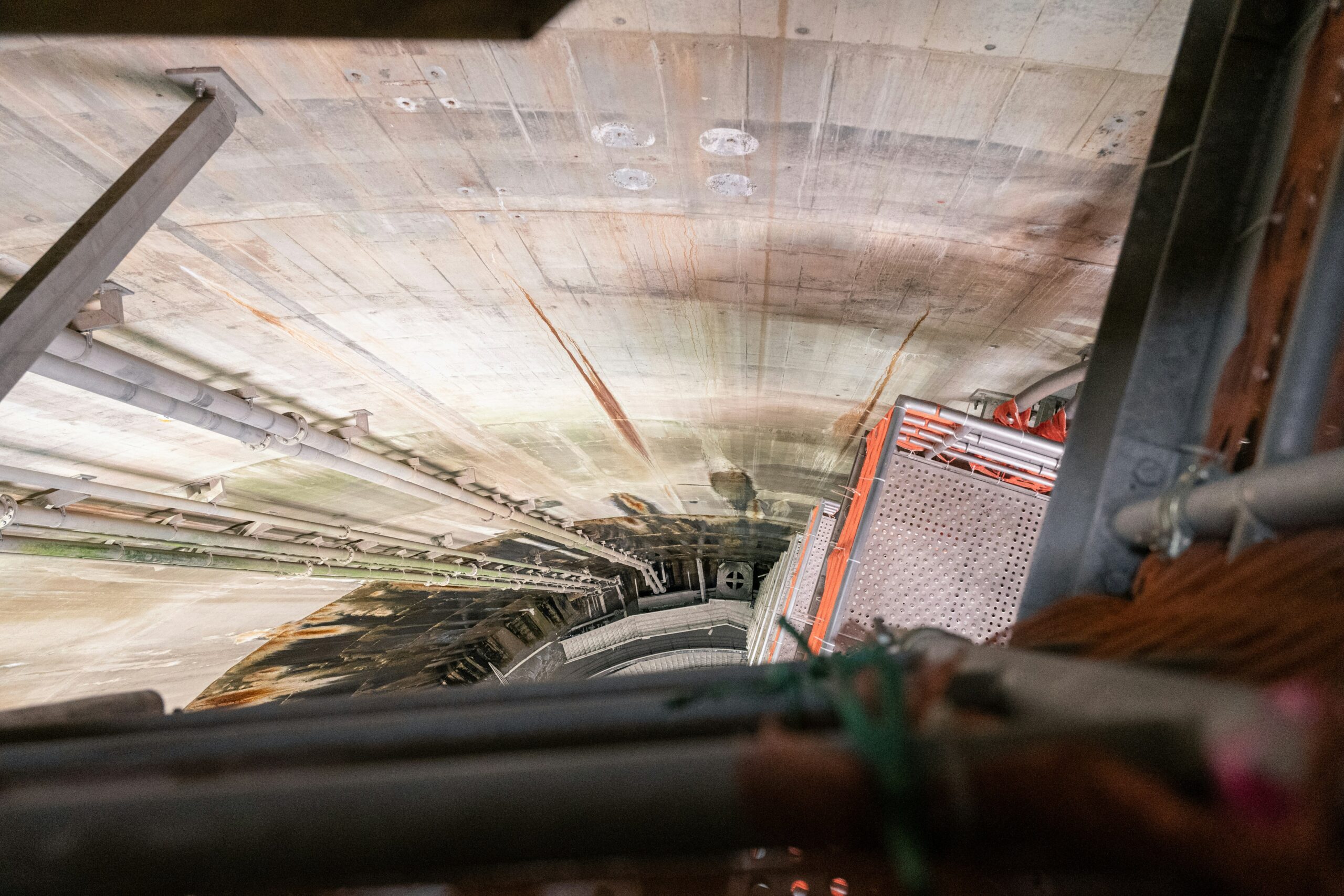
Japan, a nation perpetually aware of nature’s raw power, has long been at the forefront of developing sophisticated defenses against its most destructive force: floods. Situated on the Pacific Ring of Fire, the archipelago is frequently battered by typhoons, heavy rainfall, and the ever-present threat of tsunamis. This geographical vulnerability has spurred a relentless pursuit of innovative and resilient flood control infrastructure, transforming once-perilous landscapes into areas of relative safety. The nation’s approach is not merely about building higher walls; it is a holistic strategy encompassing advanced engineering, meticulous planning, and continuous adaptation.
Japan’s relationship with water has always been complex. For centuries, the country has relied on its abundant rainfall for agriculture, particularly rice cultivation, which has shaped its culture and economy. However, this reliance has also meant a constant struggle against the destructive potential of overflowing rivers and coastal surges. Early attempts at flood control were rudimentary, often involving earthen dikes, manual labor, and communal efforts to divert water. These were essential for survival but were often overwhelmed by the sheer force of nature.
Early Water Management and Agricultural Needs
The development of flood control in Japan is intrinsically linked to its agricultural heritage. The art of rice paddy cultivation, requiring precise water management, necessitated a deep understanding of river systems and irrigation. Early communities learned to channel water, build simple dams, and construct earthen embankments to protect their vital

Why Japan Can’t Build Another Tokyo
FAQs
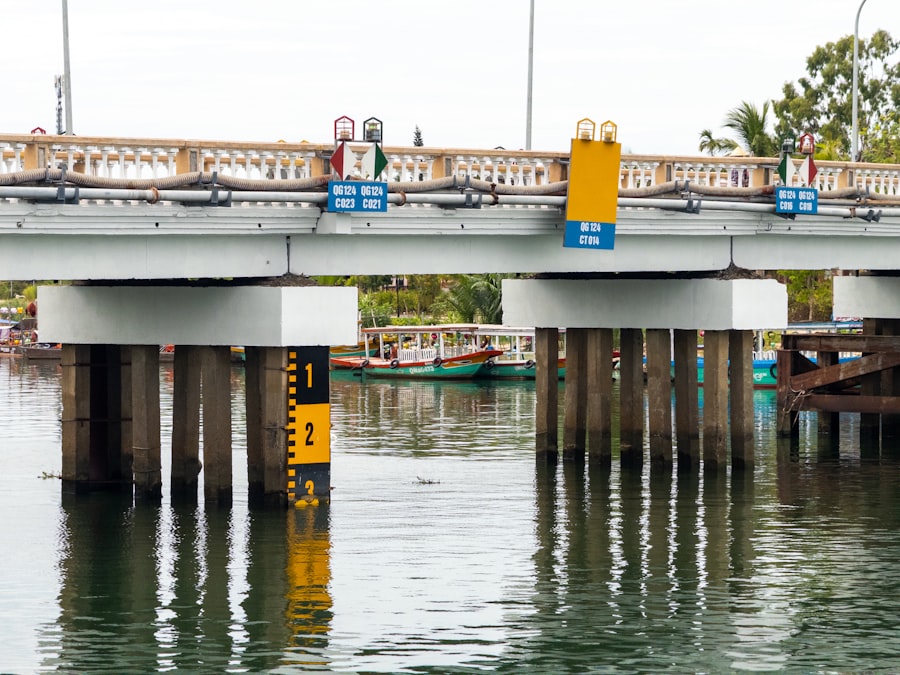
What is Japan’s flood control infrastructure?
Japan’s flood control infrastructure includes a network of dams, levees, and channels designed to mitigate the impact of flooding caused by heavy rainfall and typhoons.
How effective is Japan’s flood control infrastructure?
Japan’s flood control infrastructure is considered highly effective, as it has significantly reduced the impact of flooding in many areas. However, there are still challenges in some regions, particularly in urban areas with limited space for traditional flood control measures.
What are some key features of Japan’s flood control infrastructure?
Key features of Japan’s flood control infrastructure include large-scale dams such as the Arakawa River Basin Dam, extensive levee systems along major rivers, and underground reservoirs to temporarily store excess rainwater.
How does Japan maintain its flood control infrastructure?
Japan maintains its flood control infrastructure through regular inspections, maintenance, and upgrades. The government also invests in research and development to improve the effectiveness of flood control measures.
What are the challenges facing Japan’s flood control infrastructure?
Challenges facing Japan’s flood control infrastructure include aging infrastructure, urbanization leading to increased impervious surfaces, and the potential impact of climate change on rainfall patterns and typhoon frequency.