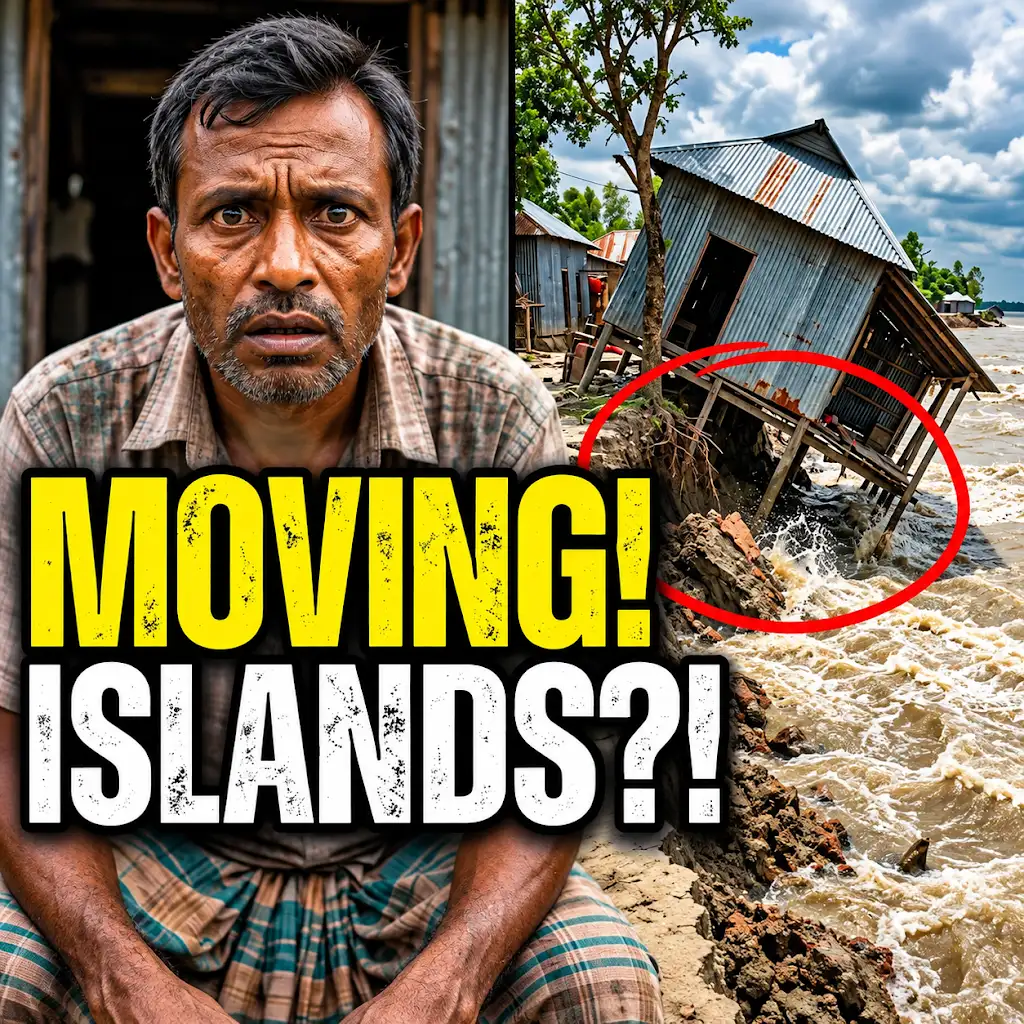
The Jamuna River, a vital artery for Bangladesh, has long been a source of both life and immense destruction. Its aggressive erosion and propensity for flooding have necessitated numerous interventions, none more significant than the Jamuna River Bank Protection Project. This ambitious endeavor, aimed at safeguarding vast stretches of land and lives from the river’s fury, has, however, encountered significant challenges and, in many instances, outright failure. Understanding the intricate tapestry of causes behind these failures is crucial for developing more resilient and effective strategies for future river management.
Underlying Geological and Hydrological Factors
The sheer power of the Jamuna River is a primary driver of its erosive capacity. The river’s morphology, characterized by a wide, braided channel, is inherently dynamic and constantly shifting. This dynamism is not a passive phenomenon; it is driven by a complex interplay of geological and hydrological forces that often overwhelm human-engineered solutions.
Sediment Load and River Dynamics
The Jamuna River carries an extraordinarily high sediment load, a consequence of the Himalayan mountain range from which it originates. This constant influx of silt, sand, and gravel contributes significantly to the river’s erosive power. As the water flows, these particles abrade the riverbanks, gradually undermining their stability. Furthermore, the deposition of sediment within the river channel leads to the formation of numerous shifting sandbars and islands. These features alter the flow patterns, concentrating the river’s force on specific bank sections, leading to rapid erosion. The braided nature of the Jamuna, with its multiple channels and constantly changing configuration, makes it exceptionally difficult to predict and manage these flow dynamics. Traditional bank protection measures often struggle to account for this inherent instability.
Flood Pulse and Seasonal Variations
Bangladesh is characterized by a distinct monsoon season, during which river flows increase dramatically. The Jamuna, being one of the largest rivers in the country, experiences an enormous flood pulse. During these high-flow periods, the sheer volume and velocity of water exert immense pressure on the riverbanks, often exceeding the design capacity of protection structures. The continuous cycle of inundation and recession during flood seasons also contributes to the weakening of the soil structure of the banks, making them more susceptible to erosion. Seasonal variations in rainfall and snowmelt in the Himalayas create unpredictable and extreme hydrological events that challenge the long-term efficacy of static protection measures.
Soil Composition and Bank Stability
The geological makeup of the Jamuna’s floodplains plays a critical role in the success or failure of bank protection. The soils in these regions are often alluvial, meaning they are composed of deposited sediments. While fertile, these soils can be inherently unstable, especially when saturated with water. The fine-grained nature of some of these soils makes them prone to liquefaction during seismic events or under the sustained pressure of floodwaters. Bank protection structures that rely on the passive resistance of these soils are therefore vulnerable. Furthermore, the lack of deep-rooted vegetation in many unprotected areas further compromises bank stability, as vegetation plays a vital role in binding the soil together and preventing surface erosion.
The Jamuna River bank protection project has faced numerous challenges and failures over the years, raising concerns about the effectiveness of the strategies employed. For a deeper understanding of the issues surrounding riverbank erosion and protection efforts in Bangladesh, you can refer to a related article that discusses various aspects of this ongoing struggle. To learn more, visit this link for insights and analysis on the topic.
Design and Engineering Deficiencies
Despite the immense challenges posed by the natural environment, significant contributing factors to the failures of the Jamuna River Bank Protection Project can be attributed to shortcomings in the design and execution of the engineering interventions themselves. These issues often stem from a lack of comprehensive understanding of the river’s complex behavior and an overreliance on conventional, often inadequate, engineering approaches.
Inadequate Site Investigation and Data Collection
A fundamental prerequisite for any successful river engineering project is a thorough understanding of the site-specific conditions. Many projects on the Jamuna have suffered from insufficient or inadequate site investigations. This includes a lack of detailed geotechnical surveys to understand soil properties at different depths, accurate hydrological modeling to predict flow velocities and scour potential under various conditions, and comprehensive sediment transport analysis. Without robust data, engineers are forced to make assumptions, which, in the context of a dynamic river like the Jamuna, often prove to be flawed. This can lead to designs that underestimate the forces they are intended to withstand.
Oversimplified Design Approaches
The Jamuna’s complex braided nature and its extreme flood pulses often require sophisticated and adaptive design solutions. However, many past interventions have relied on relatively simplistic and standardized approaches to bank protection. This might include the construction of rigid concrete revetments or the placement of stone riprap without adequate consideration for the underlying scour mechanisms. These static structures can become vulnerable if the riverbed scours deeply beneath them, leading to their collapse. Furthermore, the design often fails to account for the dynamic nature of the riverbed and the potential for channel migration. Innovative solutions that embrace flexibility and adapt to changing flow conditions are often overlooked.
Lack of Consideration for Scour and Undermining
Scour, the erosion of the riverbed and banks around structures, is a primary cause of failure for many hydraulic engineering projects. In the case of the Jamuna, the high flow velocities and abrasive sediment load exacerbate scour. Many bank protection designs have failed to adequately address the mechanisms of scour. This can involve insufficient depth of foundations for revetments, the use of inappropriate filter layers that allow fine particles to wash away, or the absence of scour protection measures like aprons or aprons designed to dissipate energy at the toe of the bank. The river, in its relentless pursuit of the path of least resistance, often finds ways to undermine even seemingly robust structures.
Construction and Material Quality Issues
Even with sound design principles, the physical implementation of a project can introduce critical vulnerabilities. The quality of construction and the materials used are paramount in ensuring the longevity and effectiveness of bank protection structures. Failures in these areas can render even well-conceived designs useless.
Substandard Construction Practices
The execution of construction on the Jamuna River often faces challenges related to remoteness, logistical difficulties, and sometimes, a lack of skilled labor. Substandard construction practices can include improper compaction of fill materials, inadequate curing of concrete, or the incorrect placement of riprap. These deviations from design specifications weaken the integrity of the structures. For instance, if riprap is not placed in a dense and interlocking manner, the individual stones can be dislodged by flowing water, leading to the disintegration of the protective layer. Similarly, poorly constructed revetments can develop cracks, providing entry points for water and accelerating deterioration.
Use of Inferior or Inappropriate Materials
The selection of construction materials is critical. In many instances, projects have been hampered by the use of inferior or inappropriate materials. This could involve the use of low-quality aggregate for concrete, insufficient quantities of cement, or the use of readily available but geotechnically unsuitable rock for riprap. The long-term durability of concrete structures is compromised by the use of materials that are not resistant to the abrasive action of the river or the chemical composition of the river water. Similarly, if the stones used for riprap are too small, too light, or lack the necessary interlocking properties, they will be easily washed away during high flows.
Inadequate Quality Control and Supervision
A significant factor contributing to construction and material quality issues is the lack of robust quality control and supervision mechanisms. In many projects, the oversight during construction may be insufficient to detect and rectify deviations from specifications in a timely manner. This can include insufficient testing of materials, a lack of independent verification of construction processes, and inadequate monitoring of workmanship. Without rigorous quality assurance, the risk of substandard construction and the use of inferior materials increases exponentially, laying the groundwork for future failures.
Maintenance and Operational Deficiencies
The lifespan and effectiveness of any engineered structure are heavily dependent on a consistent and effective maintenance regime. For river bank protection projects, this is even more critical due to the constantly changing and aggressive nature of the environment. Failures in maintenance and operation often represent the final nail in the coffin for otherwise functional interventions.
Neglect of Routine Maintenance
A recurring problem with infrastructure projects, including those on the Jamuna, is the neglect of routine maintenance. Minor issues, such as the dislodging of a few stones from a riprap layer or small cracks in a concrete revetment, can, if left unaddressed, escalate into major structural failures. The dynamic nature of the river means that these minor breaches can quickly be exploited by the flowing water, leading to progressive erosion and undermining of larger sections of the protection. A proactive approach to identifying and rectifying these early signs of damage is often absent or insufficient.
Lack of Dedicated Funding and Resources
Effective maintenance requires dedicated funding and human resources. Unfortunately, many river bank protection projects on the Jamuna have suffered from a chronic lack of sustained financial support for their upkeep. This can be due to competing priorities, budgetary constraints, or a lack of long-term planning for operational costs. Without adequate financial allocation, essential maintenance activities, such as debris removal, inspection of structures, and minor repairs, are often deferred or completely abandoned. This leads to a gradual deterioration of the protective works, rendering them increasingly vulnerable to the river’s forces.
Inadequate Response to Emerging Issues
The operational aspect of bank protection involves not just maintenance but also the ability to respond effectively to emerging issues. This includes monitoring the condition of the structures, detecting changes in river behavior, and implementing timely interventions. However, in many cases, there has been a lack of a robust operational framework or the necessary trained personnel to effectively manage these aspects. For instance, if a new scour hole begins to form, a swift and appropriate response, such as installing temporary scour protection, might be needed. Delays or inadequate responses can allow small problems to grow into catastrophic failures.
The Jamuna River bank protection project has faced numerous challenges, leading to significant failures in its implementation. These setbacks have raised concerns about the effectiveness of current strategies in safeguarding the riverbanks and the communities that depend on them. For a deeper understanding of the issues surrounding this project, you can explore a related article that discusses various aspects of riverbank management and the lessons learned from past initiatives. This insightful piece can be found here.
Socio-Economic and Institutional Challenges
| Aspect | Details |
|---|---|
| Project Name | Jamuna River Bank Protection Project |
| Location | Jamuna River, Bangladesh |
| Project Duration | Started in 1990s, ongoing with multiple phases |
| Primary Objective | Prevent riverbank erosion and protect adjacent lands |
| Reported Failures | Frequent breaches and erosion despite protection measures |
| Causes of Failures |
|
| Impact of Failures |
|
| Lessons Learned |
|
Beyond the purely technical aspects, a range of socio-economic and institutional factors significantly influence the success or failure of large-scale infrastructure projects like the Jamuna River Bank Protection Project. These challenges often intersect with and exacerbate technical and construction-related issues.
Corruption and Mismanagement
Unfortunately, corruption and mismanagement have been cited as significant impediments to the effective implementation and long-term success of many development projects in various contexts, and the Jamuna River Bank Protection Project is unlikely to be an exception. This can manifest in various forms, including inflated project costs, diversions of funds, procurement irregularities, and the awarding of contracts to unqualified entities. Such practices not only reduce the quality and scope of the actual work undertaken but also erode public trust and the overall effectiveness of the intended interventions. Addressing these institutional weaknesses is as crucial as addressing technical design flaws.
Lack of Community Participation and Ownership
Effective and sustainable infrastructure development often requires the active participation and buy-in of the local communities who are directly impacted by the project. In many instances, the Jamuna River Bank Protection Project may have been implemented with limited consultation or involvement of the local populations. This lack of community participation can lead to a disconnect between the project’s objectives and the needs and realities of the people on the ground. Without a sense of ownership and understanding, communities may be less inclined to contribute to the upkeep or protection of the implemented structures, and their local knowledge, which could be invaluable in identifying site-specific risks, may be overlooked.
Weak Institutional Coordination and Governance
The successful implementation of a project as complex as river bank protection requires seamless coordination among various government agencies, local authorities, and international development partners. Weaknesses in inter-agency communication, overlapping responsibilities, and a lack of clear lines of accountability can lead to delays, inefficiencies, and conflicting objectives. A robust governance framework, characterized by transparency, accountability, and clear decision-making processes, is essential for navigating the intricate web of stakeholders involved in such projects. Without this, the project can become mired in bureaucratic hurdles and political infighting, undermining its progress and eventual success.
Impact of Climate Change on Design Assumptions
Finally, it is increasingly evident that past design assumptions for river management projects may not adequately account for the accelerating impacts of climate change. Changing rainfall patterns, more frequent and intense extreme weather events, and rising sea levels (which can affect river discharge) are altering hydrological regimes in ways that were not fully predictable even a decade ago. Projects designed based on historical data may find themselves woefully inadequate in the face of these new climatic realities. This necessitates a paradigm shift towards adaptive management strategies that build resilience and incorporate the latest climate science into all aspects of planning, design, construction, and operation of river protection infrastructure. The lessons learned from the failures of the Jamuna River Bank Protection Project underscore the urgent need for a more holistic, adaptive, and integrated approach to managing our vital river systems.
This River is Literally Erasing Islands
FAQs
What is the Jamuna River Bank Protection Project?
The Jamuna River Bank Protection Project is a government initiative in Bangladesh aimed at preventing erosion and protecting the river banks from being washed away during floods.
What are some of the reported failures of the Jamuna River Bank Protection Project?
Some of the reported failures of the project include inadequate planning, poor construction quality, lack of maintenance, and the use of ineffective materials for bank protection.
How has the failure of the project impacted the local communities living along the Jamuna River?
The failure of the project has led to increased erosion of the river banks, displacement of communities, loss of agricultural land, and damage to infrastructure, causing significant hardships for the local population.
What are some of the reasons behind the failures of the Jamuna River Bank Protection Project?
Some of the reasons behind the failures of the project include corruption in the implementation process, lack of community involvement, inadequate monitoring and evaluation, and the use of inappropriate technology for bank protection.
What steps can be taken to address the failures of the Jamuna River Bank Protection Project?
To address the failures of the project, steps such as improving project planning, ensuring quality construction, regular maintenance, community participation, and using sustainable and effective bank protection methods need to be implemented.