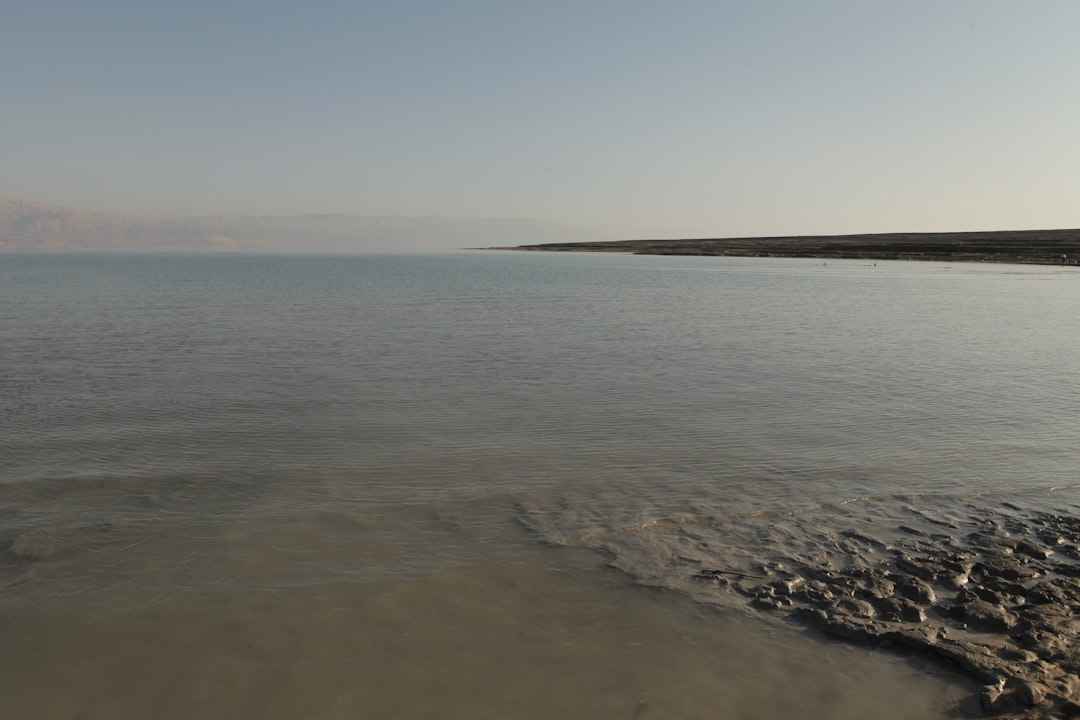
The Dead Sea, a hypersaline lake nestled on the border of Israel, Jordan, and the West Bank, is a geological marvel and a major tourist destination. Its unique properties, including an exceptionally high salt concentration, make it impossible to sink. However, beneath the shimmering surface, a silent and insidious threat is rapidly expanding: the Dead Sea sinkholes. These natural depressions, once a minor curiosity, have become a growing menace, reshaping the landscape and posing significant challenges to the region’s infrastructure, economy, and the very future of this ancient body of water.
The genesis of the Dead Sea sinkholes is intrinsically linked to the dramatic retreat of the Dead Sea itself. This retreat is not a natural phenomenon but a consequence of human activity and environmental changes that have been unfolding for decades. Understanding this process is crucial to grasping the severity of the sinkhole problem.
The Declining Water Levels of the Dead Sea
For millennia, the Dead Sea’s water levels were relatively stable, replenished by the Jordan River. However, since the mid-20th century, human intervention has drastically altered this delicate balance. The diversion of the Jordan River and its tributaries for agricultural and domestic use by Israel, Jordan, and Syria has severely reduced the inflow of freshwater. Estimates suggest that over 90% of the Jordan River’s flow is now diverted before reaching the Dead Sea.
Upstream Diversions and Their Impact
The extensive damming and water extraction projects undertaken in the upper Jordan River basin have been the primary culprits in the Dead Sea’s decline. These diversions, driven by the pressing needs of growing populations and agricultural sectors in the surrounding countries, have starved the Dead Sea of its lifeline. This reduction in inflow has led to an unprecedented rate of evaporation, far exceeding any replenishment.
The Role of Evaporation
The Dead Sea’s location in a hot and arid region, coupled with its large surface area, makes it highly susceptible to evaporation. As the water level drops, the exposed lakebed, saturated with ancient salt deposits, becomes increasingly vulnerable. This natural process, exacerbated by the lack of inflow, is the engine driving the sinkhole phenomenon.
The Geological Processes Behind Sinkhole Formation
The formation of sinkholes in the Dead Sea region is a complex geological process involving the dissolution of underground salt layers. This phenomenon is particularly prevalent in areas where the retreating waterline exposes these salt deposits to the atmosphere and rainfall.
Karstification of Salt Deposits
The Dead Sea basin is characterized by extensive underground deposits of salt, remnants of ancient evaporation cycles. As freshwater, primarily from rainfall or the receding waterline, percolates through the soil and encounters these salt layers, it begins to dissolve them. This process, known as karstification, creates underground cavities and voids.
The Collapse Mechanism
When these underground cavities become large enough, the overlying soil and rock can no longer support their weight. Eventually, the ground surface collapses into the void, creating a sinkhole. The size and depth of these sinkholes can vary dramatically, from small depressions to vast, deep chasms capable of swallowing entire vehicles.
The Influence of Freshwater Inflow
Ironically, while the overall decline of the Dead Sea is the primary cause, localized freshwater inflows can accelerate sinkhole formation. Rainwater, seeping into the exposed salt layers, can further enhance the dissolution process, leading to more rapid cavity formation and subsequent collapse. This can occur in areas adjacent to the shrinking shoreline or in historical riverbeds that once fed the Dead Sea.
Visual Characteristics and Dangers of the Sinkholes
The Dead Sea sinkholes are visually striking, appearing as sudden ruptures in the once-uniform landscape. Their unpredictable nature and potential for rapid expansion make them an acute danger to anyone venturing into the affected areas.
Sudden Appearance and Rapid Growth
Sinkholes can appear with little to no warning, transforming relatively stable ground into treacherous terrain in a matter of hours or days. Their growth can also be rapid, with existing sinkholes widening and deepening over time, posing an ongoing threat.
Unseen Cavities and Instability
The danger of Dead Sea sinkholes is amplified by the fact that the instability often extends beyond the visible opening. Underground cavities can be extensive and their boundaries difficult to predict, meaning that the ground around an existing sinkhole can also be dangerously weak and prone to collapse.
Recent studies have highlighted the alarming increase in sinkholes around the Dead Sea region in Israel, raising concerns about environmental stability and tourism. For a deeper understanding of the geological factors contributing to this phenomenon, you can explore a related article that discusses the implications of these sinkholes on the local ecosystem and economy. To read more, visit this article.
The Impact of Sinkholes on Israel’s Infrastructure and Economy
The proliferation of Dead Sea sinkholes is not merely an environmental concern; it has tangible and severe economic consequences for Israel. The region’s valuable infrastructure and key industries are directly threatened by this geological crisis.
Threats to Transportation Networks
The extensive road networks and tourist access routes along the Dead Sea are particularly vulnerable. Sinkhole formation can lead to the sudden closure of roads, disruption of supply chains, and a significant impact on tourism-related businesses.
Road Closures and Diversions
Major highways, such as Route 90, which skirts the western shore of the Dead Sea, have been repeatedly affected by sinkholes. Numerous sections of these roads have had to be closed, necessitating costly diversions and impacting travel times. The constant threat of new sinkholes emerging forces frequent inspections and maintenance, adding to the financial burden.
Impact on Tourism Access
Access to Dead Sea resorts and beaches, a cornerstone of the region’s economy, is heavily reliant on well-maintained road infrastructure. Sinkhole activity has led to the closure of access points, deterring tourists and impacting hotels, restaurants, and other businesses that depend on their patronage.
Damage to Industrial Facilities
The Dead Sea region is home to significant industrial operations, primarily focused on the extraction of minerals from the hypersaline water. These facilities, including chemical plants and potash extraction facilities, are built on land that is now proving increasingly unstable.
Potash and Chemical Plant Vulnerability
Companies like Israel Chemicals Ltd. (ICL), a major global producer of potash and bromine, operate large complexes in the Dead Sea area. These facilities, with their extensive infrastructure and heavy machinery, are at risk from ground subsidence and sinkhole formation. Damage to these plants could have far-reaching economic implications, affecting global supply chains for essential minerals.
Infrastructure Damage and Operational Disruptions
Sinkholes can directly damage pipelines, conveyor belts, and other critical infrastructure used by these industrial facilities. Such damage can lead to costly repairs, production downtime, and significant financial losses. The unpredictable nature of the sinkholes makes long-term planning and investment in these areas increasingly challenging.
Economic Losses and Investment Uncertainty
The sinkhole crisis has created a climate of economic uncertainty in the Dead Sea region. The cost of dealing with sinkhole mitigation, repairs, and the loss of revenue from tourism and industry is substantial, placing a significant strain on the Israeli economy.
Costs of Mitigation and Remediation
Efforts to mitigate the impact of sinkholes, such as filling existing cavities and reinforcing unstable ground, are expensive and often temporary solutions. The sheer scale and number of sinkholes make comprehensive remediation a daunting and financially prohibitive undertaking.
Reduced Investment and Tourism Appeal
The perceived risk associated with sinkhole activity deters new investment in the region. Furthermore, the safety concerns and potential for disruption have negatively impacted the Dead Sea’s appeal as a tourist destination, leading to a decline in visitor numbers and revenue.
Environmental and Ecological Consequences
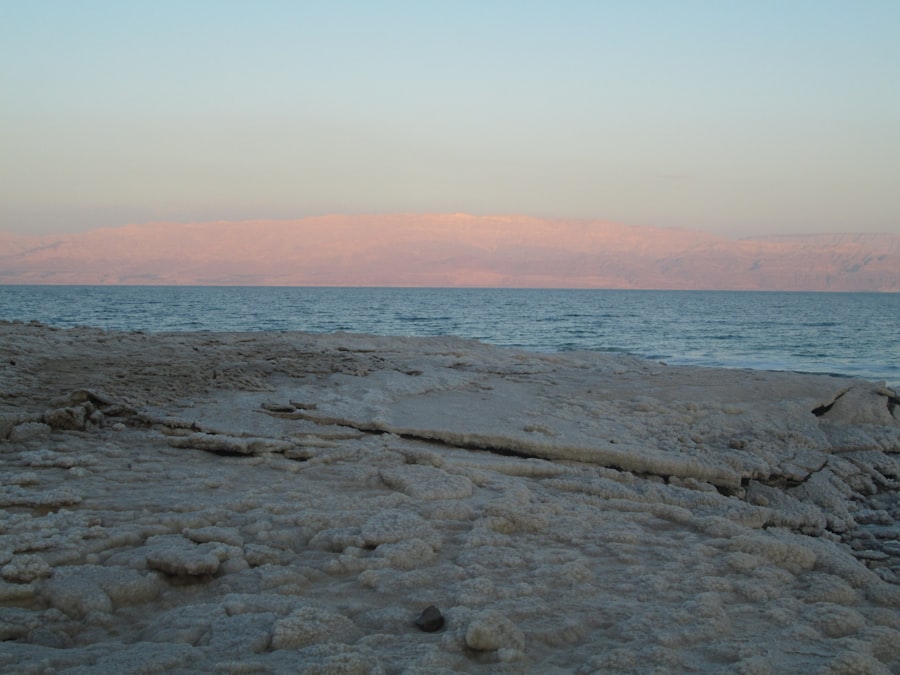
Beyond the immediate human-caused threats, the Dead Sea sinkholes are also having profound and often irreversible environmental and ecological consequences for the unique ecosystem of the region.
Changes to the Dead Sea Ecosystem
The shrinking Dead Sea and the emergence of sinkholes are fundamentally altering the delicate ecological balance of this ancient lake and its surrounding environment.
Increased Salinity and Reduced Biodiversity
As the Dead Sea shrinks, its salinity increases, creating a more hostile environment for the few species that can survive in its hypersaline waters, such as certain types of bacteria and algae. The increased salinity also impacts the freshwater ecosystems that feed into the Dead Sea, leading to a decline in biodiversity in these areas as well.
Impact on Rare and Endemic Species
The Dead Sea region is home to a number of unique and endemic species, many of which are highly adapted to the extreme conditions. The ongoing environmental changes, driven by the sinkhole crisis, threaten the survival of these rare organisms.
Alteration of the Landscape and Habitat Loss
The sinkholes are dramatically reshaping the physical landscape of the Dead Sea region, leading to habitat loss and fragmentation for its flora and fauna.
Loss of Coastal Habitats
The receding waterline has exposed vast areas of salt flats, and the subsequent formation of sinkholes has created treacherous terrain. This has resulted in the loss of coastal habitats that were once vital for migratory birds and other wildlife.
Impact on Desert Flora and Fauna
The unique desert flora and fauna of the Dead Sea region, adapted to arid conditions, are also being affected. The changing landscape and the increased instability of the ground can disrupt their delicate habitats and migration routes.
The Unforeseen Consequences of Human Intervention
The sinkhole crisis serves as a stark reminder of the unforeseen and often detrimental consequences of extensive human intervention in natural systems.
The “Tragedy of the Commons” Scenario
The diversion of the Jordan River’s waters exemplifies a “tragedy of the commons” scenario, where individual actions aimed at short-term benefit lead to long-term collective harm. The reduced water flow to the Dead Sea, a shared resource, has resulted in a crisis that affects all riparian nations.
The Need for Regional Cooperation and Sustainable Water Management
Addressing the Dead Sea sinkhole crisis requires a concerted and collaborative effort from all the surrounding countries. Sustainable water management practices and regional cooperation are essential to halt the decline of the Dead Sea and mitigate the ongoing environmental damage.
Mitigation Efforts and Future Prospects
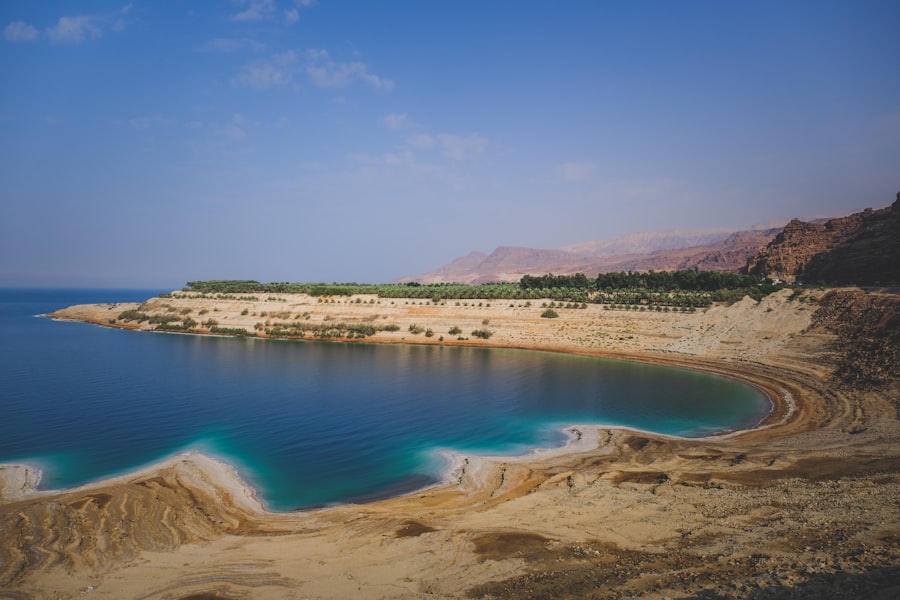
Recognizing the gravity of the Dead Sea sinkhole problem, Israel has been engaged in various efforts to monitor, understand, and mitigate its impact. However, the scale of the challenge is immense, and the long-term prospects remain uncertain.
Monitoring and Research Initiatives
Extensive research and monitoring programs are underway to better understand the geological processes driving sinkhole formation and to predict their occurrence.
Geological Surveys and Ground Penetrating Radar
Scientists and geologists are employing advanced techniques, such as geological surveys and ground-penetrating radar, to map underground cavities and assess the stability of the ground in vulnerable areas. This data is crucial for informing engineering decisions and public safety measures.
Seismological Monitoring
The region is also monitored for seismic activity, as earthquakes can potentially trigger sinkhole collapses. Understanding the interplay between geological stresses and sinkhole formation is a key area of research.
Hydrogeological Studies
Detailed hydrogeological studies are conducted to understand the movement of groundwater and its interaction with the salt layers. This helps in identifying areas particularly susceptible to dissolution and collapse.
Engineering Solutions and Mitigation Strategies
Various engineering solutions are being explored and implemented to address the immediate threats posed by sinkholes.
Sinkhole Filling and Reinforcement
In areas with critical infrastructure, sinkholes are often filled with concrete, gravel, or other materials to stabilize the ground. However, this is a costly and often temporary solution, as new sinkholes can form nearby.
Road Redesign and Relocation
Roads that are repeatedly threatened by sinkholes are sometimes redesigned or even relocated to safer areas. This involves significant engineering challenges and financial investment.
Development of Early Warning Systems
Efforts are being made to develop early warning systems that can detect signs of ground instability, allowing for the evacuation of people and the closure of affected areas before a collapse occurs.
The Long-Term Vision: Red Sea-Dead Sea Water Conveyance Project
One of the most ambitious and discussed solutions to the Dead Sea’s decline and the ensuing sinkhole problem is the Red Sea-Dead Sea (RSDS) Water Conveyance Project. This proposed mega-project aims to pump seawater from the Red Sea to the Dead Sea, theoretically replenishing its water levels and mitigating the evaporative loss.
Potential Benefits of the RSDS Project
Proponents of the RSDS project argue that it could stabilize the Dead Sea’s water level, halt the proliferation of sinkholes, and even potentially reverse some of the environmental damage. It could also generate hydroelectric power and desalinated water, offering additional benefits to the region.
Challenges and Criticisms of the RSDS Project
However, the RSDS project faces significant challenges. These include immense construction costs, environmental concerns regarding the impact of large-scale water transfer on both the Red and Dead Seas, and political hurdles among the involved nations. Critics also question the long-term sustainability and feasibility of such a massive undertaking.
Alternative and Complementary Solutions
While the RSDS project remains a subject of debate, other complementary solutions are being explored. These include improving water efficiency in agriculture, reducing wastewater discharge into rivers, and investing in desalination technologies within existing water sources.
The phenomenon of sinkholes in the Dead Sea region of Israel has garnered significant attention due to its impact on the landscape and local communities. These sinkholes are caused by the rapid evaporation of water and the subsequent collapse of the ground above underground cavities. For those interested in exploring this topic further, a related article can be found at this link, which delves into the geological processes behind these sinkholes and their implications for the environment. Understanding these changes is crucial for both residents and tourists who visit this unique area.
The Broader Implications and the Future of the Dead Sea
| Year | Number of Sinkholes | Area Affected (in square meters) |
|---|---|---|
| 2000 | 0 | 0 |
| 2010 | 1,000 | 3,000,000 |
| 2020 | 6,000 | 20,000,000 |
The Dead Sea sinkholes are more than just a local crisis; they serve as a potent symbol of the interconnectedness of environmental issues and the far-reaching consequences of unsustainable practices. The future of this unique natural wonder hangs precariously in the balance, demanding a comprehensive and collaborative approach.
The Dead Sea as a Microcosm of Global Environmental Challenges
The challenges faced by the Dead Sea – water scarcity, environmental degradation, and the impact of climate change – are mirrored in many regions around the world. The sinkhole crisis offers a stark lesson in the urgent need for responsible resource management and international cooperation.
Water Scarcity and its Global Ramifications
The diversion of the Jordan River highlights the growing global issue of water scarcity. As populations grow and climate change intensifies, competition for water resources is likely to escalate, leading to increased geopolitical tensions and environmental crises.
The Need for Sustainable Water Management Practices
The Dead Sea’s plight underscores the critical importance of implementing sustainable water management practices worldwide. This includes investing in water-saving technologies, promoting efficient irrigation, and developing equitable water-sharing agreements.
The Urgency for Regional Cooperation
The Dead Sea is a shared resource, and its future is a shared responsibility. Effective solutions to the sinkhole crisis and the Dead Sea’s decline will only be possible through genuine and sustained regional cooperation.
Collaborative Monitoring and Research
Joint monitoring and research initiatives among Israel, Jordan, and Palestine are essential to gain a comprehensive understanding of the problem and to develop coordinated mitigation strategies.
Joint Investment in Sustainable Solutions
Regional investment in sustainable water management infrastructure and policies is crucial. This could include joint projects for water conservation, wastewater treatment, and the exploration of innovative water solutions.
Diplomatic Efforts for Water Diplomacy
The Dead Sea crisis presents an opportunity for “water diplomacy” – using the shared challenge as a catalyst for dialogue and cooperation on water-related issues, fostering trust and understanding between nations.
Preserving a Natural Wonder for Future Generations
The Dead Sea, with its unique geological formations and therapeutic properties, holds immense cultural, scientific, and economic value. The ongoing sinkhole crisis threatens to diminish this legacy, but also presents an opportunity to redefine our relationship with the natural world.
The Economic and Cultural Significance of the Dead Sea
The Dead Sea has been a source of wonder and healing for millennia, attracting visitors and scholars alike. Its unique mineral wealth has also supported important industries. Preserving it is not just an environmental imperative but also a matter of preserving a vital part of human heritage.
The Moral Imperative to Act
There is a moral imperative to act decisively to protect the Dead Sea and its surrounding environment. Future generations deserve to experience the marvel of this natural wonder, not just read about its demise.
The Dead Sea sinkholes are a wake-up call. They demand our attention, our understanding, and our collective action. The solutions will undoubtedly be complex and costly, but the alternative – the irreversible loss of a unique natural wonder and the exacerbation of regional environmental instability – is simply unthinkable. The fate of the Dead Sea, and the lessons learned from its vanishing waters and erupting earth, will undoubtedly shape our approach to environmental stewardship for decades to come.
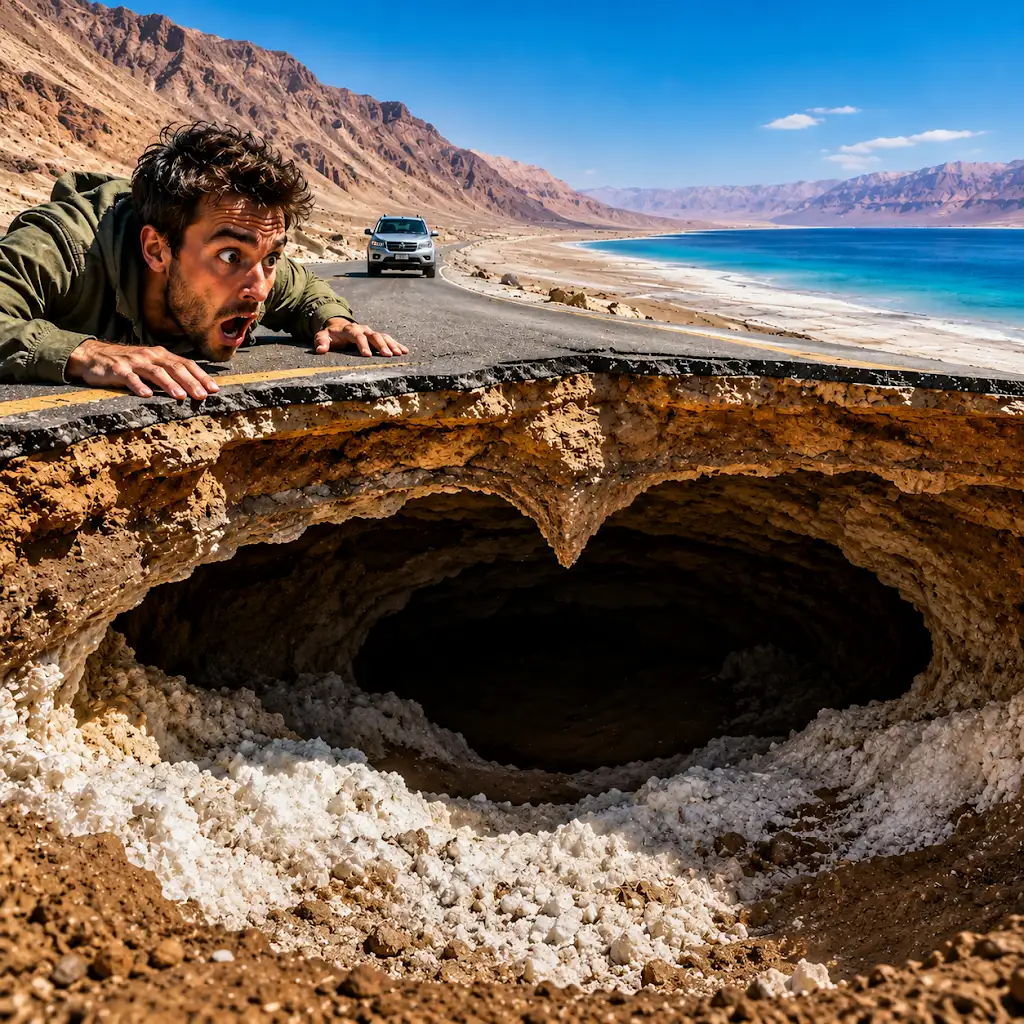
The Dead Sea Is Vanishing — And Leaving Giant Holes Behind
FAQs
What are sinkholes in the Dead Sea?
Sinkholes in the Dead Sea are caused by the rapid evaporation of the sea’s water, which leaves behind salt deposits. These deposits can weaken the ground, leading to the collapse of the surface and the formation of sinkholes.
How are sinkholes in the Dead Sea affecting the region?
The sinkholes in the Dead Sea region are causing significant damage to infrastructure, including roads, buildings, and agricultural land. They also pose a threat to the safety of residents and tourists in the area.
What is being done to address the issue of sinkholes in the Dead Sea?
Efforts are being made to study and monitor the formation of sinkholes in the Dead Sea region. Additionally, various engineering solutions are being explored to mitigate the impact of sinkholes, such as injecting materials into the ground to stabilize it.
Is the formation of sinkholes in the Dead Sea region a natural phenomenon?
While the formation of sinkholes in the Dead Sea region is influenced by natural processes such as evaporation and salt deposition, human activities such as water extraction and mineral mining have accelerated the formation of sinkholes in the area.
What are the potential long-term implications of the sinkhole problem in the Dead Sea region?
The sinkhole problem in the Dead Sea region has the potential to have long-term environmental, economic, and social implications. It could lead to the loss of valuable land, damage to infrastructure, and displacement of communities, as well as impact the region’s tourism industry.