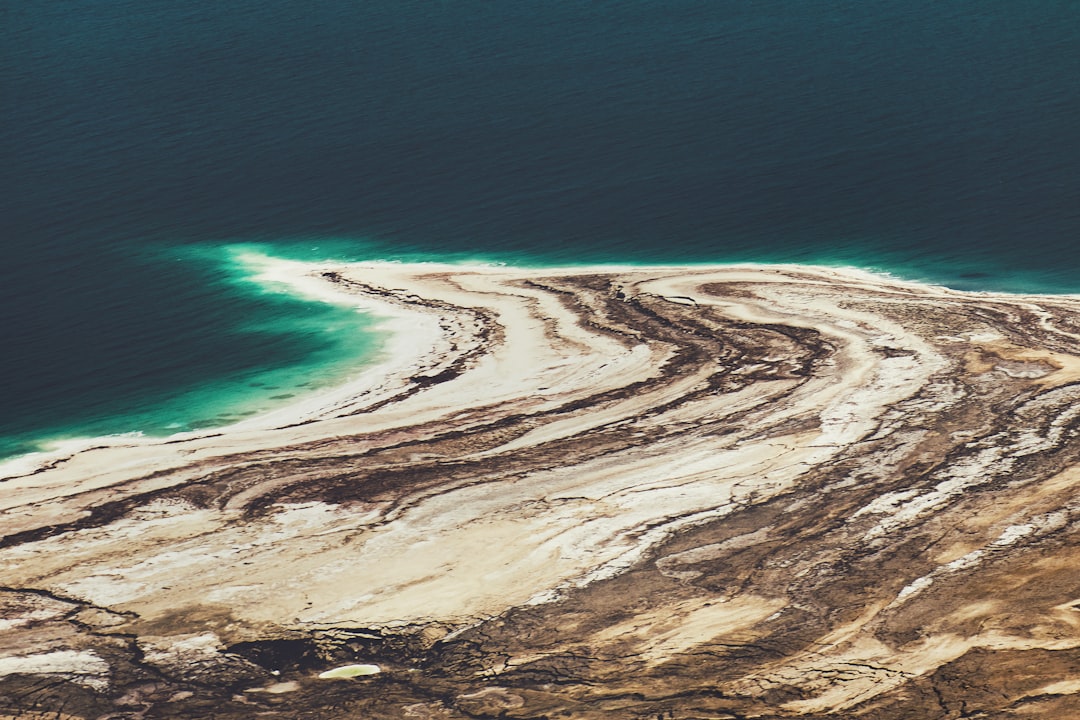
The Dead Sea, a hypersaline lake nestled between Israel and Jordan, is a natural wonder and a vital resource for both nations. However, this unique body of water is facing an existential threat: a severe and escalating water crisis. Decades of unsustainable management, coupled with regional geopolitical complexities, have led to a dramatic decline in the Dead Sea’s water levels, triggering a cascade of environmental and economic consequences for both Israel and Jordan.
The most striking manifestation of the Dead Sea’s crisis is its rapidly receding shoreline. What was once a bustling tourist destination with expansive beaches is now characterized by vast expanses of exposed, cracked mudflats. This visual testament to the declining water levels serves as a constant reminder of the ecological imbalance at play.
The Alarming Rate of Decline
Scientists and environmentalists have been monitoring the Dead Sea’s retreat for decades, and the data paint a stark picture. The lake’s surface elevation has dropped by more than 40 meters (over 130 feet) since the mid-20th century, with the rate of decline accelerating in recent years. This means the water is disappearing at an alarming pace, far exceeding natural evaporation rates.
Impact on Coastal Communities
The shrinking shoreline has had a direct and devastating impact on coastal communities in both Israel and Jordan. Hotels and tourist facilities that were once at the water’s edge now find themselves set back by hundreds of meters, requiring costly infrastructure extensions to reach the dwindling water. This not only affects tourism revenue but also disrupts the livelihoods of those who depend on the Dead Sea’s natural allure.
Subterranean Sinkholes: A Growing Danger
As the water recedes, the exposed land, once saturated with brine, begins to collapse. This process creates thousands of dangerous sinkholes that pockmark the landscape, posing a significant threat to infrastructure, agriculture, and human safety. These sinkholes can form suddenly and without warning, making certain areas around the Dead Sea hazardous.
The ongoing water crisis affecting the Dead Sea region has significant implications for both Israel and Jordan, as both countries rely on this unique body of water for tourism and ecological balance. A related article that delves deeper into the challenges faced by these nations and the potential solutions being explored can be found at MyGeoQuest. This resource provides valuable insights into the environmental, political, and social aspects of the crisis, highlighting the urgent need for collaborative efforts to address the dwindling water levels and preserve this natural wonder.
Diverted Lifelines: The Jordan River’s Diminished Flow
The primary source of water for the Dead Sea is the Jordan River. However, extensive water diversion projects upstream by Israel, Jordan, and Syria have dramatically reduced the volume of water reaching the lake, crippling its natural replenishment.
Israel’s Water Management Strategies
Israel, facing its own water scarcity challenges, has implemented a sophisticated and comprehensive water management strategy. This includes the construction of numerous dams and reservoirs along the Jordan River and its tributaries, as well as the development of advanced desalination technologies. While these measures have been crucial for meeting Israel’s domestic water needs, they have come at a significant cost to the Dead Sea.
The National Water Carrier
One of the most significant projects impacting the Dead Sea is Israel’s National Water Carrier. This massive pipeline system transports water from the Sea of Galilee (which is fed by the Jordan River) to the country’s arid south. While essential for Israeli agriculture and urban centers, this diversion directly reduces the amount of freshwater flowing into the Dead Sea.
Agricultural Demands
The agricultural sector in Israel, a vital component of its economy, is a major consumer of water. Irrigation systems, particularly in the southern regions, rely heavily on the water resources diverted from the Jordan River system. The pursuit of increased agricultural output has, inadvertently, contributed to the Dead Sea’s decline.
Jordan’s Water Scarcity and Diversion
Jordan, a country with even more limited water resources than Israel, also diverts significant amounts of water from the Jordan River and its tributaries. The kingdom’s growing population and its reliance on agriculture create immense pressure on its water supply, leading to further reductions in the flow reaching the Dead Sea.
King Abdullah Canal
Jordan’s King Abdullah Canal is a crucial infrastructure project that diverts water from the Yarmouk River (a major tributary of the Jordan River) for irrigation and domestic use. This diversion, while vital for Jordan’s development, further exacerbates the water deficit in the Dead Sea basin.
Growing Population and Urbanization
Like Israel, Jordan is experiencing population growth and increasing urbanization. This escalating demand for water from cities and industries places additional strain on already limited freshwater resources, forcing further diversions and intensifying the crisis for the Dead Sea.
Syrian and Lebanese Contributions (or Lack Thereof)
While the primary diversions are by Israel and Jordan, upstream countries like Syria and Lebanon also utilize water from the Jordan River basin. Their water use, though generally less impactful on the Dead Sea’s overall flow compared to Israel and Jordan’s, still contributes to the cumulative reduction in freshwater entering the lake.
Evaporation’s Unchecked Reign: The Arid Climate Factor
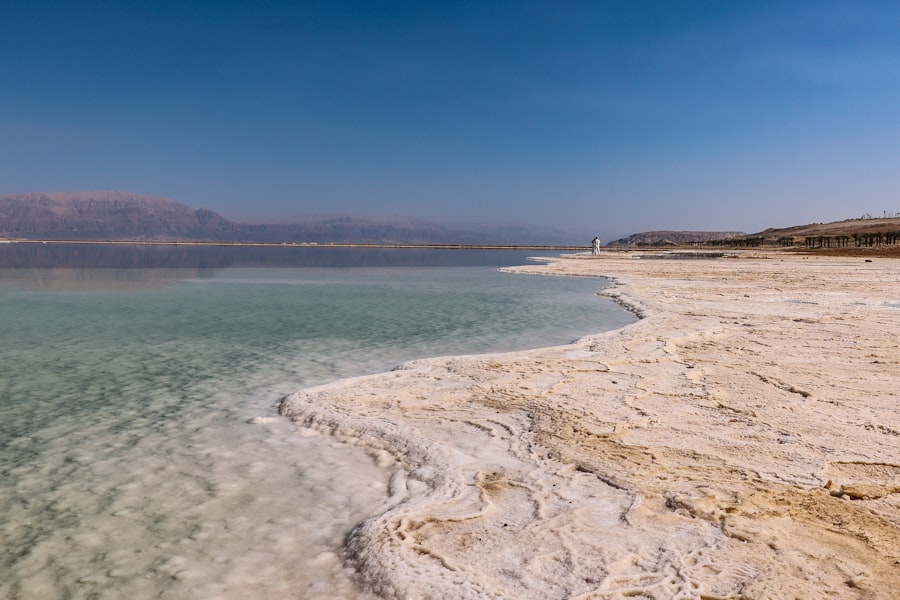
The Dead Sea is located in one of the hottest and driest regions on Earth, making evaporation a natural and significant factor in its water balance. However, with reduced freshwater inflow, the impact of evaporation has become overwhelmingly dominant.
The High Rate of Evaporation
The arid climate of the Dead Sea region, characterized by high temperatures and low humidity, leads to an exceptionally high rate of evaporation. The vast surface area of the lake, even as it shrinks, contributes to a substantial loss of water each year, a loss that is no longer being adequately compensated by freshwater inflow.
Hypersalinity and Increased Evaporation
The hypersaline nature of the Dead Sea, meaning its water is extremely salty, actually contributes to a slightly higher evaporation rate compared to freshwater lakes. The dissolved salts can affect the vapor pressure of the water, leading to more rapid evaporation.
The Role of Wind
Wind also plays a role in accelerating evaporation from the Dead Sea’s surface. Strong winds can increase the rate at which water vapor is carried away from the lake, further contributing to its depletion.
The Mineral Extraction Industry: A Double-Edged Sword
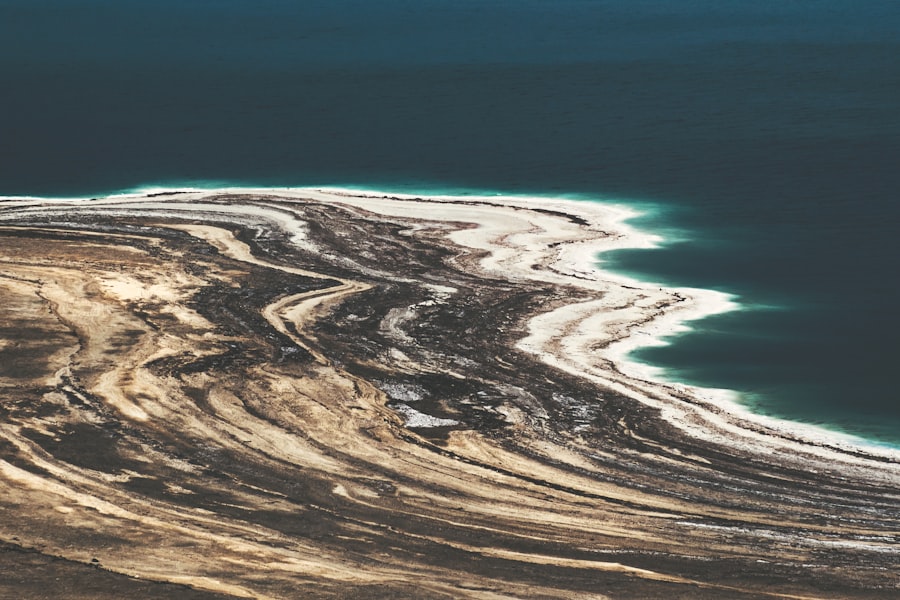
Both Israel and Jordan operate large-scale mineral extraction facilities along the Dead Sea. These industries, which harvest valuable minerals like potash and bromine, are significant economic drivers but also contribute to the shrinking water levels.
Potash Extraction Operations
The extraction of potash, a vital component in fertilizers, is a major industrial activity in the Dead Sea region. Companies in both Israel and Jordan utilize evaporation ponds, essentially vast artificial lakes, to concentrate brine and extract potash. This process requires pumping large volumes of Dead Sea water into these ponds, effectively removing it from the main lake.
Evaporation Ponds and Water Loss
The evaporation ponds are designed to accelerate water evaporation, leaving behind concentrated mineral salts. While this is an efficient method for potash extraction, the water that evaporates from these ponds is permanently lost to the Dead Sea, adding to the overall deficit.
Environmental Concerns of Ponds
Beyond water loss, the vast evaporation ponds have also raised environmental concerns. They alter the natural landscape, can impact local ecosystems, and pose risks of brine leakage into surrounding areas.
Bromine and Other Mineral Harvesting
In addition to potash, bromine and other valuable minerals are also extracted from the Dead Sea. These extraction processes also involve pumping and evaporating significant quantities of Dead Sea water, further contributing to the problem.
Economic Benefits vs. Environmental Costs
The mineral extraction industry provides significant economic benefits to both Israel and Jordan, generating revenue and employment. However, the environmental cost, primarily the accelerated water loss, is a critical factor that needs to be weighed against these economic gains. The sustainability of these industries in the long term is directly tied to the future of the Dead Sea itself.
The ongoing water crisis affecting the Dead Sea region highlights the urgent need for collaborative solutions between Israel and Jordan. As both nations grapple with dwindling water resources, innovative strategies are essential to ensure the sustainability of this unique ecosystem. For a deeper understanding of the complexities surrounding this issue, you can read a related article that explores the challenges and potential solutions in detail. Check it out here.
Seeking Solutions: A Complex and Urgent Undertaking
| Country | Population | Water Usage | Dead Sea Level |
|---|---|---|---|
| Israel | 9.3 million | 2.05 billion cubic meters/year | -430 meters |
| Jordan | 10.5 million | 1.2 billion cubic meters/year | -430 meters |
The dire situation of the Dead Sea has spurred discussions and proposals for solutions, but the complexities of regional politics, economics, and environmental science make finding a unified and effective approach a significant challenge.
The Red Sea-Dead Sea Water Conveyance Project (Red-Dead)
One of the most ambitious and discussed solutions is the Red Sea-Dead Sea Water Conveyance Project. This ambitious undertaking, primarily involving Jordan, Israel, and the Palestinian Authority, aims to pump desalinated water from the Red Sea to the Dead Sea.
Desalination and Infrastructure Costs
The Red-Dead project would require the construction of massive desalination plants on the Red Sea coast and extensive pipeline infrastructure to transport the water across hundreds of kilometers. The sheer scale of this undertaking translates into enormous construction and operational costs, raising questions about funding and feasibility.
Potential Environmental Impacts of Desalination
While desalination offers a potential lifeline, it also comes with its own set of environmental considerations. The disposal of brine, a highly concentrated saltwater byproduct of desalination, needs to be managed carefully to avoid harming marine ecosystems in the Red Sea.
Political and Economic Hurdles
The Red-Dead project has been plagued by political and economic hurdles. Reaching an agreement among all involved parties, securing funding, and navigating the complex geopolitical landscape of the region have proven to be formidable obstacles. Delays and changes in proposed routes and scales have characterized its development.
International Cooperation and Joint Management
Addressing the Dead Sea crisis effectively necessitates unprecedented levels of international cooperation and joint management between Israel and Jordan. This involves coordinated water resource management, shared research, and collective decision-making.
Shared Monitoring and Data Exchange
Establishing robust systems for shared monitoring of water levels, salinity, and environmental conditions is crucial. Openly exchanging data and research findings allows for a more comprehensive understanding of the problem and facilitates the development of informed solutions.
Joint Resource Allocation Agreements
Developing transparent and equitable agreements for the allocation of water resources from the Jordan River basin is essential. This requires a shift from a competitive approach to one of shared responsibility and mutual benefit, acknowledging the interconnectedness of the entire basin.
Promoting Water Conservation and Efficiency
Beyond large-scale projects, promoting water conservation and efficiency at all levels is a critical component of any long-term solution. This includes educating the public, incentivizing water-saving technologies in agriculture and industry, and implementing stricter regulations on water usage.
Agricultural Water Use Optimization
Agriculture is the largest water consumer in the region. Implementing drip irrigation, drought-resistant crops, and other water-efficient farming techniques can significantly reduce water demand.
Industrial Water Recycling
Industries, including the mineral extraction companies, can significantly reduce their water footprint by implementing water recycling and reuse programs. This minimizes the need to draw fresh water from limited sources.
Public Awareness Campaigns
Educating citizens in both Israel and Jordan about the severity of the Dead Sea crisis and the importance of water conservation is vital. Public awareness can drive behavioral change and foster a sense of collective responsibility.
The Future of the Dead Sea: A Race Against Time
The Dead Sea is more than just a geographical feature; it is a unique ecological marvel, a historical landmark, and a source of economic prosperity for millions. The ongoing water crisis poses a grave threat to its very existence, impacting not only the environment but also the livelihoods and futures of the people who depend on it. The urgent need for collaboration, innovative solutions, and a paradigm shift in water management practices cannot be overstated. Without concerted and immediate action, the Dead Sea, a jewel of the Middle East, risks becoming a distant memory, a testament to a crisis that was, perhaps, too late to avert. The clock is ticking, and the world watches as this extraordinary body of water faces its most profound challenge.
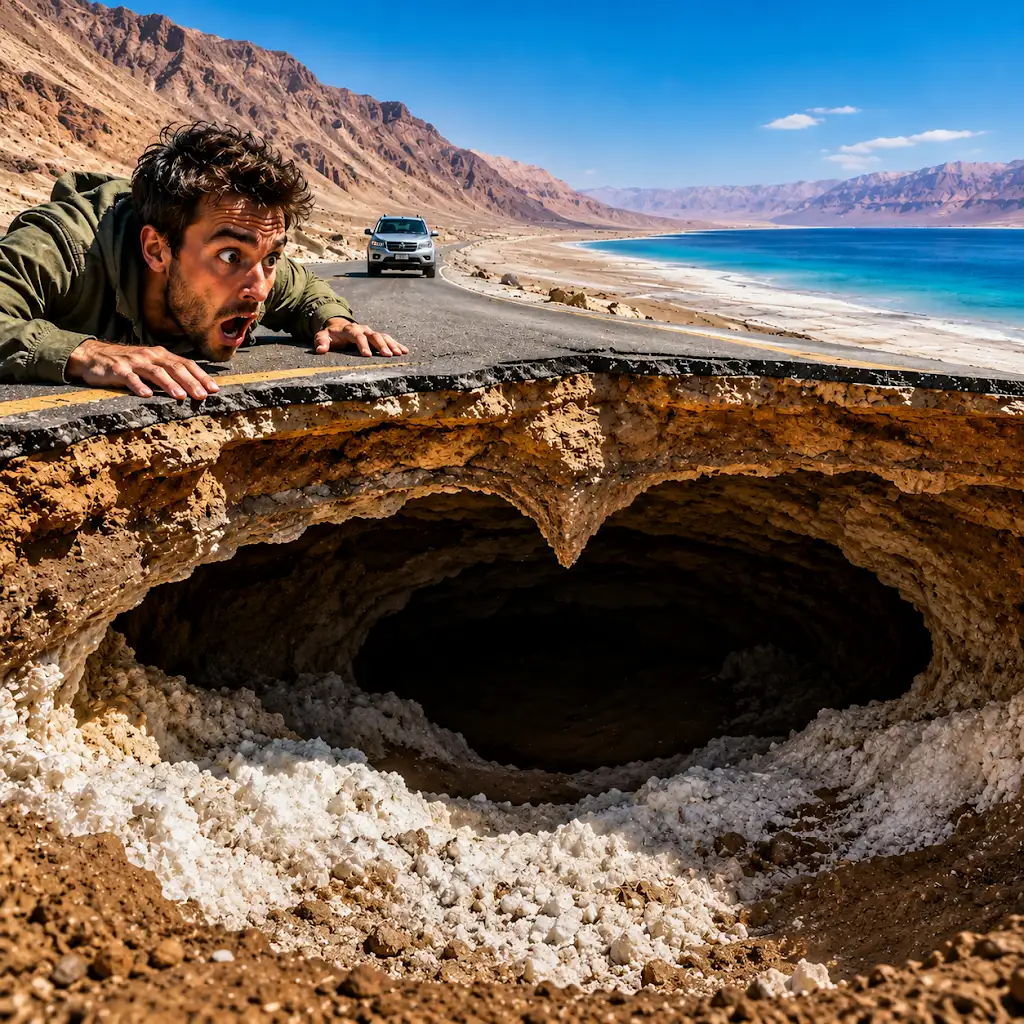
The Dead Sea Is Vanishing — And Leaving Giant Holes Behind
FAQs
What is the current water crisis in the Dead Sea between Israel and Jordan?
The water crisis in the Dead Sea between Israel and Jordan is due to the decreasing water levels in the sea, which is causing environmental and economic concerns for both countries.
What are the main factors contributing to the water crisis in the Dead Sea?
The main factors contributing to the water crisis in the Dead Sea include diversion of water from the Jordan River for agricultural and industrial use, mineral extraction activities, and natural evaporation.
How is the decreasing water level in the Dead Sea impacting the environment?
The decreasing water level in the Dead Sea is leading to the formation of sinkholes, loss of unique ecosystems, and changes in the chemical composition of the water, which is affecting the flora and fauna in the region.
What are the economic implications of the water crisis in the Dead Sea for Israel and Jordan?
The water crisis in the Dead Sea is impacting tourism, mineral extraction industries, and agricultural activities, leading to economic challenges for both Israel and Jordan.
What are the potential solutions being considered to address the water crisis in the Dead Sea?
Potential solutions being considered to address the water crisis in the Dead Sea include desalination projects, water conservation measures, and international cooperation to manage water resources in the region.