
Iran’s Geopolitical Landscape: A Strategic Readjustment
The geopolitical landscape surrounding Iran is in a state of constant flux, shaped by a confluence of internal dynamics, regional rivalries, and global power shifts. For decades, Iran’s foreign policy has been characterized by a complex interplay of resistance to perceived external domination, a drive for regional influence, and a commitment to its revolutionary ideology. However, recent years have witnessed a discernible evolution in its strategic approach, moving beyond a purely reactive posture towards a more proactive and multifaceted engagement with its surroundings. This strategic recalibration is not a sudden abandonment of core principles but rather a pragmatic adaptation to a changed environment, driven by economic pressures, shifting alliances, and the persistent pursuit of national security and ideological objectives.
The internal political and economic climate within Iran profoundly influences its external posture. Decades of international sanctions, coupled with domestic economic mismanagement, have created significant challenges for the government. These pressures necessitate a more nuanced and adaptable foreign policy, one that can potentially alleviate external economic burdens while simultaneously safeguarding national interests.
Economic Realities and Strategic Considerations
The Iranian economy, heavily reliant on oil revenue, has been significantly impacted by sanctions aimed at curbing its nuclear program and regional activities. This economic vulnerability compels policymakers to seek avenues for relief, whether through diplomatic engagement or by fostering economic partnerships that circumvent established international financial systems. The lifting or easing of sanctions remains a paramount objective, directly informing the conduct of its foreign relations.
Sanctions and Their Impact on Economic Resilience
International sanctions have historically forced Iran to develop a degree of economic resilience, fostering domestic production and exploring alternative trade routes. However, these measures have also demonstrably hampered economic growth, limited access to advanced technology, and contributed to social discontent. The government’s foreign policy often reflects a desire to break this cycle of economic isolation.
Diversification of Economic Partnerships
In response to Western sanctions, Iran has increasingly looked towards non-Western economic partners. This includes strengthening trade ties with countries in Asia, particularly China and India, and exploring economic cooperation within regional blocs like the Economic Cooperation Organization (ECO). These partnerships aim to secure essential goods, find markets for its exports, and attract investment, thereby mitigating the impact of sanctions.
Ideological Imperatives and Pragmatic Adjustments
Iran’s revolutionary ideology, with its emphasis on Islamic solidarity and resistance to hegemonic powers, continues to be a significant factor in its foreign policy. However, this ideological framework is increasingly being balanced against pragmatic considerations of national security and state survival.
The Concept of “Resistance Economy”
The notion of a “resistance economy” has gained prominence in Iran’s discourse, conceptualizing the nation’s economic strategy as a form of defiance against external pressures. This approach aims to foster self-sufficiency and develop domestic capabilities, thus reducing reliance on foreign imports and facilitating economic resilience in the face of sanctions.
Balancing Revolutionary Principles with State Interests
While the revolutionary ideals of supporting allied movements and challenging perceived injustices remain, the implementation of these principles is often tempered by practical realities. The primary responsibility of the Iranian state is to ensure its own security and stability, which can lead to adjustments in its regional engagement and diplomatic outreach.
As the geopolitical landscape continues to evolve, understanding Iran’s future strategy is crucial for regional stability. A related article that delves into this topic is available at this link. It explores the various factors influencing Iran’s foreign policy decisions, including its relationships with neighboring countries and global powers, as well as the implications of its strategic maneuvers on international relations.
Evolving Regional Diplomacy: Navigating Complex Alliances and Rivalries
Iran’s regional policy is a cornerstone of its geopolitical strategy, characterized by a complex web of alliances, rivalries, and proxy relationships. The recent period has seen a degree of pragmatic recalibration, driven by the need to manage escalating tensions and explore avenues for de-escalation in certain domains.
The Nuclear Program and its Diplomatic Ramifications
Iran’s nuclear program has been a persistent source of regional and international tension, shaping its diplomatic engagements and influencing its relationships with global powers.
The Joint Comprehensive Plan of Action (JCPOA) and its Aftermath
The JCPOA, or nuclear deal, represented a significant diplomatic effort to curb Iran’s nuclear ambitions in exchange for sanctions relief. Its eventual derailment and the subsequent reimposition of stringent sanctions have left a lasting impact on Iran’s trust in international agreements and its approach to multilateral diplomacy.
Current Stance on Nuclear Negotiations
While the immediate future of formal JCPOA revival remains uncertain, Iran continues to engage in a delicate dance of diplomacy and deterrence regarding its nuclear capabilities. Its stance in any potential future negotiations will be heavily influenced by its past experiences and its assessment of the prevailing geopolitical climate.
Relations with Key Regional Actors
Iran’s relationships with its neighbors, ranging from overt alliances to deep-seated rivalries, are central to its regional strategy. A nuanced understanding of these dynamics is crucial to grasping Iran’s evolving approach.
The Levant: Syria, Lebanon, and Hezbollah
In Syria, Iran’s support for the Assad regime has been a crucial factor in its survival, solidifying Iran’s strategic presence in the Levant. Similarly, its long-standing support for Hezbollah in Lebanon has been a significant element of its regional influence and deterrent posture against Israel. These relationships are viewed as vital for projecting power and ensuring regional security.
The Arabian Peninsula: Saudi Arabia and the GCC
The rivalry with Saudi Arabia and the broader Gulf Cooperation Council (GCC) has historically defined a significant axis of regional tension. However, recent years have seen tentative efforts towards de-escalation and dialogue, driven by mutual recognition of the costs of prolonged conflict and a desire to address common challenges like regional instability, economic diversification, and the impact of external interventions.
Iraq: Strategic Influence and Security Concerns
Iran wields considerable influence in Iraq, stemming from shared sectarian ties, historical interactions, and its role in combating ISIS. Maintaining this influence is a strategic imperative for Tehran, aiming to secure its western flank and prevent the resurgence of anti-Iranian forces.
The Perception of External Threat and the Pursuit of Security
Iran’s geopolitical strategy is fundamentally shaped by its perception of external threats, whether from regional rivals, global superpowers, or perceived hostile ideologies. This perception drives its emphasis on maintaining a strong defense, projecting regional influence, and cultivating alliances.
The Role of Asymmetric Warfare and Proxy Networks
Given its conventional military limitations compared to some regional adversaries, Iran has historically relied on asymmetric warfare and the cultivation of proxy networks to project power and deter aggression. These networks serve as a vital force multiplier and a means of projecting influence beyond its borders.
Maintaining Stability and Deterrence
The overarching objective for Iran is to maintain its security and deter any potential aggression. This involves a multifaceted approach, including the development of its military capabilities, the cultivation of regional alliances, and the maintenance of a credible deterrent.
China-Iran Relations: A Strategic Partnership in a Shifting World Order

The burgeoning relationship between Iran and China represents a significant development in Iran’s evolving geopolitical strategy, driven by mutual economic interests and a shared skepticism towards the existing global order.
Economic Cooperation and Sanctions Circumvention
Economic ties between Iran and China have deepened considerably, particularly in the wake of increased Western sanctions on Iran. China’s demand for energy resources and Iran’s need for trade and investment have created a symbiotic relationship.
The Twenty-Five-Year Comprehensive Cooperation Agreement
The signing of a twenty-five-year comprehensive cooperation agreement between Iran and China in 2021 has formalized and amplified this partnership. This agreement, though details remain somewhat opaque, purportedly covers a broad spectrum of cooperation, including energy, infrastructure, trade, and security.
China’s Role in Mitigating Sanctions Impact
China’s willingness to engage in trade with Iran, particularly in the energy sector, has provided Iran with a vital economic lifeline, helping to mitigate the impact of Western sanctions. This cooperation allows Iran to continue exporting oil and import essential goods, thereby sustaining its economy.
Shared Vision of a Multipolar World
Both Iran and China have expressed a shared desire for a more multipolar global order, one that challenges the unipolar dominance of the United States and its allies. This shared vision underpins their strategic alignment and their efforts to build alternative institutional frameworks.
Challenges to the Existing Global Hegemony
Both nations perceive the existing global order as unfairly structured and often detrimental to their respective national interests. Their collaboration can be seen as a deliberate effort to chip away at this hegemony and foster a more balanced distribution of global power.
The Role of BRICS and SCO
Iran’s engagement with organizations like the BRICS (Brazil, Russia, India, China, South Africa) and the Shanghai Cooperation Organization (SCO) reflects its strategic pivot towards non-Western partnerships. These platforms offer opportunities for economic integration, security cooperation, and the promotion of alternative global governance models.
Russia-Iran Cooperation: A Strategic Alignment Against Western Influence
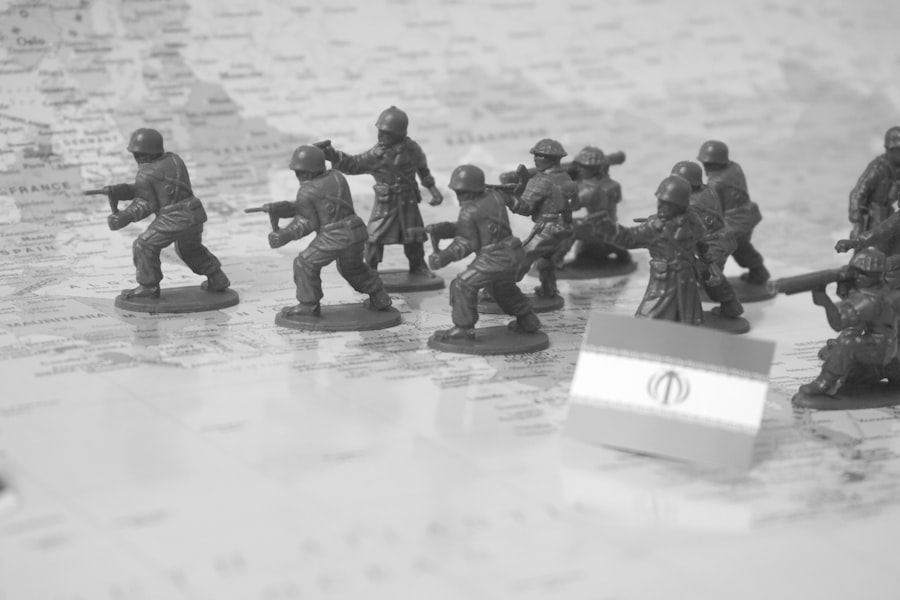
The strategic alignment between Iran and Russia has intensified in recent years, driven by shared strategic interests and a common opposition to Western foreign policy objectives.
Military and Security Cooperation
Military and security cooperation has become a defining feature of the Russia-Iran relationship, extending beyond traditional arms sales to encompass joint exercises and intelligence sharing.
Joint Military Exercises and Training
The conduct of joint naval exercises in the Persian Gulf and the Caspian Sea underscores the deepening military ties between the two nations. These exercises aim to enhance interoperability and project a unified front against perceived threats.
Arms Sales and Defense Technology Exchange
While specific details of arms sales remain sensitive, there is evidence of Iran acquiring advanced Russian military hardware. The potential for technology transfer and joint defense production also exists, further solidifying their security partnership.
Countering Western Influence and Sanctions
Both Iran and Russia have been subjected to significant Western sanctions and diplomatic pressure. This shared experience has fostered a strategic convergence in their efforts to counter what they perceive as Western hegemony.
Diplomatic Coordination on International Issues
Iran and Russia often coordinate their diplomatic positions on key international issues, particularly within multilateral forums like the United Nations. This allows them to present a united front and amplify their collective voice against Western-led initiatives.
Seeking Alternative Financial and Trade Mechanisms
In response to sanctions, both countries are actively exploring alternative financial and trade mechanisms to reduce their reliance on Western-dominated systems. This includes the promotion of bilateral trade in national currencies and the development of secure payment systems.
As Iran navigates the complexities of its geopolitical landscape, understanding its future strategy becomes crucial for regional stability. A related article explores the evolving dynamics of Iranian foreign policy and its implications for neighboring countries. For those interested in a deeper analysis, you can read more about this topic in the article available at My Geo Quest. This resource provides valuable insights into how Iran’s strategic decisions may shape the broader Middle Eastern context in the coming years.
Iran’s Vision for the Future: Balancing Power and Regional Stability
| Metrics | Data |
|---|---|
| Regional alliances | Increasing cooperation with Russia and China |
| Economic diversification | Focus on non-oil sectors such as technology and agriculture |
| Military capabilities | Investment in missile technology and asymmetric warfare |
| Nuclear program | Potential revival of nuclear ambitions |
| Regional influence | Support for proxy groups in Iraq, Syria, and Lebanon |
As Iran navigates its evolving geopolitical strategy, it seeks to project an image of strength while also hedging its bets by exploring avenues for de-escalation and regional cooperation. This duality is a hallmark of its current approach.
The Pursuit of Regional Hegemony vs. Pragmatic Coexistence
While Iran harbors ambitions of regional leadership, its current strategy appears to be a more pragmatic pursuit of influence and security rather than an all-out drive for regional hegemony. This involves a careful balancing of assertive actions with diplomatic overtures.
Diplomacy as a Tool for De-escalation
In recent years, Iran has shown a greater willingness to engage in diplomatic dialogue with adversaries, particularly in the Persian Gulf. This signifies a recognition of the costs of perpetual conflict and a desire to find more sustainable pathways to regional stability.
The Strategic Importance of a Stable Neighborhood
A stable neighborhood is ultimately conducive to Iran’s own economic development and security. Therefore, while it may employ assertive tactics, there is an underlying strategic imperative to avoid widespread regional conflagration that could prove detrimental to its own interests.
The Role of Non-State Actors and Future Engagement
The continued role of Iran’s network of non-state actors in the region remains a significant factor. However, future engagement with these groups will likely be tempered by evolving diplomatic realities and the need to balance ideological commitments with pragmatic foreign policy objectives.
Adapting Proxy Networks to Changing Circumstances
The effectiveness and utility of Iran’s proxy networks may need to adapt to shifting regional dynamics. While they remain a source of influence, their deployment and activation might be subject to more calculated considerations in light of potential diplomatic breakthroughs or escalations.
The Long-Term Outlook for Regional Security
The long-term outlook for regional security remains complex and contingent on numerous factors, including the trajectory of Iran’s nuclear program, the outcomes of ongoing regional dialogues, and the engagement of global powers. Iran’s evolving strategy suggests a desire to be a significant player in shaping this future, not necessarily as a sole architect of regional order, but as a key constituent in its ongoing construction and deconstruction.
FAQs
What is the current geopolitical strategy of Iran?
Iran’s current geopolitical strategy is focused on expanding its influence in the Middle East region, particularly through its support for proxy groups and alliances in countries such as Syria, Lebanon, Iraq, and Yemen. Iran also seeks to counter the influence of its regional rivals, such as Saudi Arabia and Israel.
How is Iran’s geopolitical strategy expected to evolve in the future?
The future of Iran’s geopolitical strategy is likely to be shaped by its ongoing rivalry with Saudi Arabia, its relationship with the United States, and its efforts to maintain influence in the region. Iran may continue to support proxy groups and seek to expand its influence, while also exploring opportunities for diplomatic engagement and economic partnerships.
What are the key challenges facing Iran’s geopolitical strategy?
Iran faces several key challenges in pursuing its geopolitical strategy, including economic sanctions, internal political divisions, and regional opposition to its influence. Additionally, Iran’s relationship with the United States and its nuclear program will continue to impact its ability to pursue its geopolitical goals.
How does Iran’s geopolitical strategy impact the international community?
Iran’s geopolitical strategy has significant implications for the international community, particularly in terms of regional stability, the balance of power in the Middle East, and global energy markets. Iran’s actions and alliances also have the potential to impact international security and diplomatic relations.
What are the potential opportunities for Iran’s geopolitical strategy in the future?
Despite the challenges it faces, Iran’s geopolitical strategy may present opportunities for the country to strengthen its regional influence, pursue economic partnerships, and engage in diplomatic initiatives. Additionally, shifts in global power dynamics and regional alliances could create new opportunities for Iran to advance its geopolitical goals.