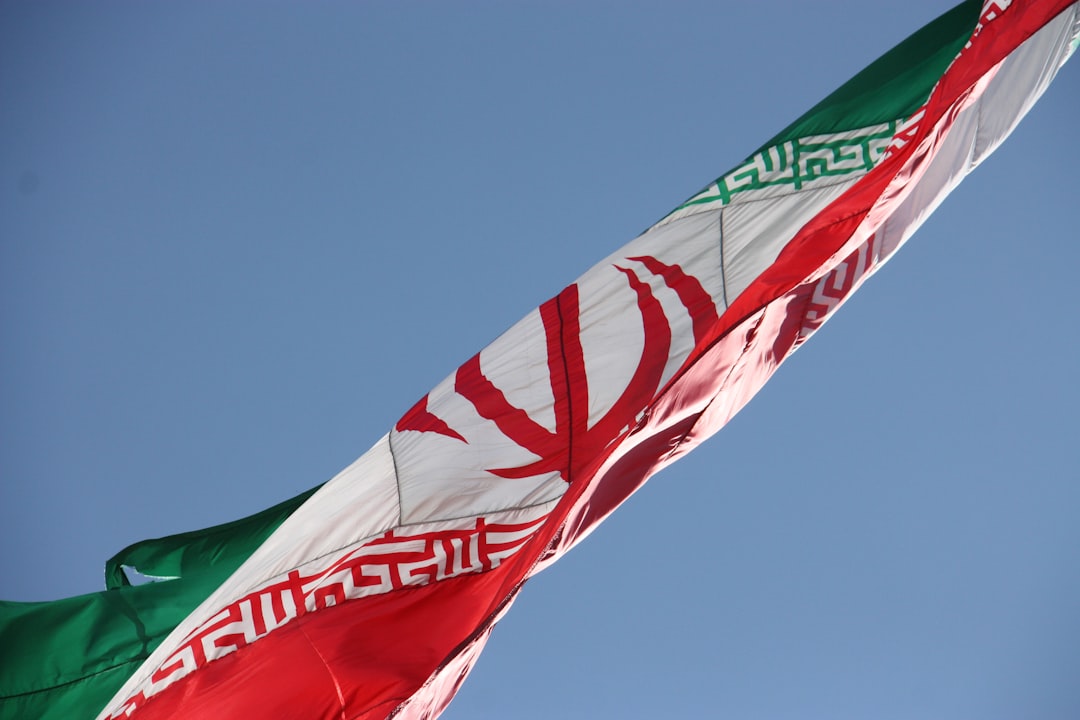
The Islamic Republic of Iran, a nation with a strategic geographic location and a complex regional role, faces significant, multifaceted threats to its national security emanating from disorders along its extensive and diverse borders. These threats are not monolithic but rather a series of interconnected challenges that impact Iran’s internal stability, economic well-being, and its capacity to project regional influence. Understanding the nature and scope of these border disorders is crucial to comprehending the inherent vulnerabilities of the Iranian state and the strategic calculations it must undertake.
Iran’s borders encompass a vast and varied terrain, sharing frontiers with Afghanistan, Pakistan, Iraq, Turkey, Armenia, Azerbaijan, Turkmenistan, and the waters of the Persian Gulf and the Caspian Sea. This geographical complexity inherently breeds diverse security challenges. The disorder manifests not as a single, easily identifiable problem but as a constellation of issues, each requiring a tailored response. These include drug trafficking, arms smuggling, irregular migration, the presence of extremist and insurgent groups, transnational criminal networks, and, in some instances, interstate tensions that can spill over border lines. The sheer length of these borders, coupled with the often rugged and sparsely populated terrain, makes comprehensive surveillance and control an exceptionally demanding undertaking. Consequently, these porous frontiers serve as conduits for a range of illicit activities that directly undermine the government’s authority and the security of its citizens. The economic implications are also considerable, with smuggling depriving the state of vital revenue and fueling the black market, which in turn can exacerbate social inequalities and create fertile ground for disaffection.
The Scourge of Narcotic Trafficking
The transit of narcotics, particularly opium and its derivatives, through Iran is a persistent and deeply entrenched problem. Iran’s strategic position as a major transit country for drugs originating from Afghanistan, the world’s largest opium producer, places it directly in the path of a highly lucrative and dangerous trade. This illicit industry fuels corruption, empowers criminal syndicates, and contributes to addiction and associated social ills within Iran itself. The sheer volume of trafficked substances necessitates a constant and resource-intensive interdiction effort, diverting significant manpower and financial resources away from other critical security functions. The allure of quick profits from this trade can also incentivize individuals and groups to engage in other illegal activities to facilitate the movement of drugs, further complicating the security landscape.
The Afghan Nexus and its Ramifications
The prolonged instability in Afghanistan, exacerbated by decades of conflict and the subsequent re-emergence of the Taliban, has directly intensified the challenges posed by the drug trade. The porous nature of the Iran-Afghanistan border, coupled with the vast poppy cultivation in Afghanistan, creates a continuous flow of narcotics into Iran. This not only impacts Iran’s internal drug problem but also transforms the country into a key transit route for these substances destined for markets in Europe and beyond. The economic dependence of some Afghan communities on opium cultivation, coupled with the presence of well-established smuggling networks, makes eradication efforts extremely difficult.
The Impact on Internal Security and Social Cohesion
The pervasive nature of drug trafficking has demonstrably eroded internal security. The profits generated by this trade are often reinvested in other criminal enterprises, including arms smuggling and human trafficking. Furthermore, the prevalence of drug addiction within Iran places a substantial burden on the healthcare system and contributes to increased crime rates as users seek funds to feed their habits. The social fabric is frayed by the insidious reach of organized criminal groups that profit from this illicit trade, often corrupting officials and undermining public trust in institutions.
In recent discussions surrounding Iranian national security, the issue of border disorder has emerged as a critical concern, particularly in light of the increasing tensions in the region. A related article that delves deeper into this topic can be found at this link, where it explores the implications of border instability on Iran’s security strategies and the broader geopolitical landscape.
The Infiltration of Extremist and Insurgent Groups
The porous eastern and western borders of Iran have historically served as potential ingress points for extremist and insurgent groups seeking to destabilize the country. While the Iranian state has demonstrated a capacity to counter overt threats, the persistent presence of ideological and sectarian extremist elements operating in neighboring territories poses an enduring concern. The instability and governance vacuums in countries like Iraq and Syria, and to a lesser extent, Afghanistan and Pakistan, can provide safe havens and operational spaces for such groups.
The Legacy of Regional Conflicts
The protracted conflicts that have ravaged neighboring countries like Iraq and Syria have had a direct bearing on Iran’s security. The rise of groups like ISIS and various sectarian militias in these regions has created spillover effects, with individuals and groups attempting to cross borders to engage in violence, procure resources, or seek refuge. The ideologically driven nature of these groups, often seeking to destabilize the Iranian regime, necessitates a heightened state of vigilance and a robust response to prevent their infiltration and subsequent operations.
The Complexities of the Baloch Insurgency
Along the border with Pakistan, the province of Sistan and Baluchestan has been a persistent area of concern due to the presence of ethno-nationalist and religiously motivated insurgent groups. These groups often exploit the rugged terrain and the socio-economic disparities in the region to conduct attacks against Iranian security forces and infrastructure. The cross-border nature of these insurgencies means that Iranian security operations can be complicated by the need to operate in or near Pakistani territory, raising diplomatic sensitivities and requiring inter-state cooperation that is not always forthcoming.
The Influence of Transnational Terrorist Networks
Beyond localized insurgencies, Iran also faces the threat of infiltration by transnational terrorist networks. These networks, often with global reach and sophisticated operational capabilities, can exploit border vulnerabilities to move personnel, weapons, and funding. The Iranian intelligence services are engaged in a constant struggle to disrupt the activities of such groups and prevent them from establishing a significant presence or launching attacks within Iranian territory.
The Challenge of Irregular Migration and Smuggling Networks
The socio-economic disparities between Iran and its neighbors, particularly Afghanistan and Iraq, coupled with ongoing conflicts, have fueled significant flows of irregular migration. While not all migrants pose a security threat, the sheer volume of movement, often facilitated by human smuggling networks, can strain state resources, create humanitarian challenges, and inadvertently provide cover for illicit actors seeking to cross borders. The presence of these smuggling networks, often operating with considerable impunity, further complicates border management.
The Humanitarian Dimension and Security Concerns
Managing large-scale irregular migration presents both a humanitarian challenge and a potential security risk. While Iran has historically shown a degree of tolerance towards Afghan refugees, the sustained influx places considerable pressure on public services and social infrastructure. Furthermore, sophisticated human smuggling operations can be exploited by criminal elements to move other illicit goods, including weapons and narcotics, across borders. The lack of adequate documentation and the clandestine nature of these movements make it difficult to distinguish between genuine asylum seekers and potentially dangerous individuals.
The Role of Transnational Criminal Organizations
Human smuggling is frequently intertwined with other forms of transnational organized crime. These networks often possess considerable resources and influence, enabling them to corrupt officials, conduct clandestine operations, and evade law enforcement. Their dual role as facilitators of both migration and other illicit activities makes them a significant security concern for Iran. The dismantling of these networks requires not only robust border security but also concerted efforts to disrupt their financial operations and dismantle their command structures.
The Shadow of Arms Smuggling and Proliferation
The flow of illicit weapons across Iran’s borders represents a direct threat to internal security and regional stability. These arms can fall into the hands of criminal organizations, insurgent groups, and even individuals planning terrorist attacks. The proximity to regions with ongoing conflicts, where small arms and even heavier weapons are readily available, exacerbates this problem. Interdicting these arms shipments is a critical component of maintaining internal order and preventing the escalation of violence.
The Link to Other Illicit Activities
Arms smuggling is rarely an isolated activity. It is often closely linked with drug trafficking, human smuggling, and the financing of criminal and extremist groups. The profits generated from illicit weapons sales can provide crucial funding for a range of dangerous operations. Conversely, the same networks that facilitate the movement of narcotics may also be involved in the transportation of firearms. This interconnectedness requires a comprehensive approach to security that addresses all facets of transnational organized crime.
The Impact on Regional Power Dynamics
The proliferation of illicit arms across Iran’s borders also has implications for regional power dynamics. The arming of proxy groups or non-state actors through clandestine channels can alter the balance of power and contribute to ongoing conflicts. Iran’s efforts to secure its borders are not only aimed at protecting its internal security but also at mitigating these wider regional destabilizing effects. The challenges are magnified by the difficulty in tracing the origins and ultimate destinations of these illicit weapons.
In recent discussions surrounding Iranian national security, the issue of border disorder has become increasingly prominent, particularly in light of the ongoing tensions in the region. A related article highlights the complexities of managing these borders and the implications for Iran’s stability. For a deeper understanding of these challenges and their impact on national security, you can read more in this insightful piece on border dynamics.
The Geopolitical Ramifications and Interstate Tensions
Beyond direct threats from criminal and extremist elements, Iran’s border disorders are also deeply intertwined with broader geopolitical considerations and interstate tensions. The complex relationships Iran maintains with its neighbors, often characterized by historical rivalries, ideological differences, and competing strategic interests, can directly translate into border-related security challenges. The presence of foreign military forces or the support provided to anti-Iranian groups by neighboring states can create a climate of instability that spills across the frontier.
The Iraq Border: A Complex and Volatile Frontier
Iran shares a long and historically complex border with Iraq. The legacy of the Iran-Iraq War, coupled with the subsequent U.S. invasion and the rise of various militias, has created a volatile frontier. While relations between the two states have evolved, the presence of different armed groups within Iraq, and the potential for cross-border infiltration by elements hostile to Iran, remains a significant security concern. The porous nature of this border, particularly in remote and mountainous regions, facilitates the movement of contraband and potentially hostile actors.
The Pakistan Border: A Shared Challenge of Insurgency and Trafficking
The extended border with Pakistan is a source of persistent security challenges, primarily stemming from the Baloch insurgency and the pervasive drug trafficking corridors. While both countries acknowledge the shared threat, their approaches to combating these issues have not always been aligned, leading to complexities in intelligence sharing and joint operations. The rugged terrain and the vast, sparsely populated areas on both sides of the border create significant obstacles to effective border management and interdiction.
The Afghanistan Border: The Nexus of Narcotics and Instability
As previously discussed, the border with Afghanistan is a critical chokepoint for drug trafficking and a conduit for the spillover effects of chronic instability in that country. The lack of a stable and effective Afghan government capable of fully controlling its own territory means that Iran is, to a significant extent, left to manage the consequences of this ongoing crisis. The presence of various armed factions within Afghanistan further complicates any efforts at coordinated border security.
The Caspian Sea and Persian Gulf Fronts
While not land borders in the traditional sense, the maritime frontiers of Iran in the Caspian Sea and the Persian Gulf also present unique security challenges. Illicit smuggling, illegal fishing, and the potential for maritime terrorism necessitate a strong naval presence and robust surveillance capabilities. The strategic importance of these waterways for global trade and energy transit further amplifies the significance of maintaining security in these zones. Disputes over maritime boundaries and resource rights can also create tensions that impact security calculations.
FAQs
What is the current state of Iranian national security?
Iranian national security is currently facing challenges due to border disorder, including issues such as drug trafficking, illegal immigration, and border conflicts with neighboring countries.
How does border disorder impact Iranian national security?
Border disorder poses a threat to Iranian national security by facilitating the flow of illegal goods, weapons, and individuals across its borders, leading to instability and potential security threats within the country.
What measures has Iran taken to address border disorder and enhance national security?
Iran has implemented various measures to address border disorder, including increasing border patrols, enhancing border security infrastructure, and collaborating with neighboring countries to improve border management and control.
What are the main factors contributing to border disorder in Iran?
Factors contributing to border disorder in Iran include regional conflicts, economic disparities, political instability in neighboring countries, and the presence of transnational criminal organizations involved in illicit activities.
What are the potential implications of border disorder on the wider region?
Border disorder in Iran can have wider regional implications, including the spread of instability, increased transnational crime, and potential spillover effects on neighboring countries, impacting regional security and stability.