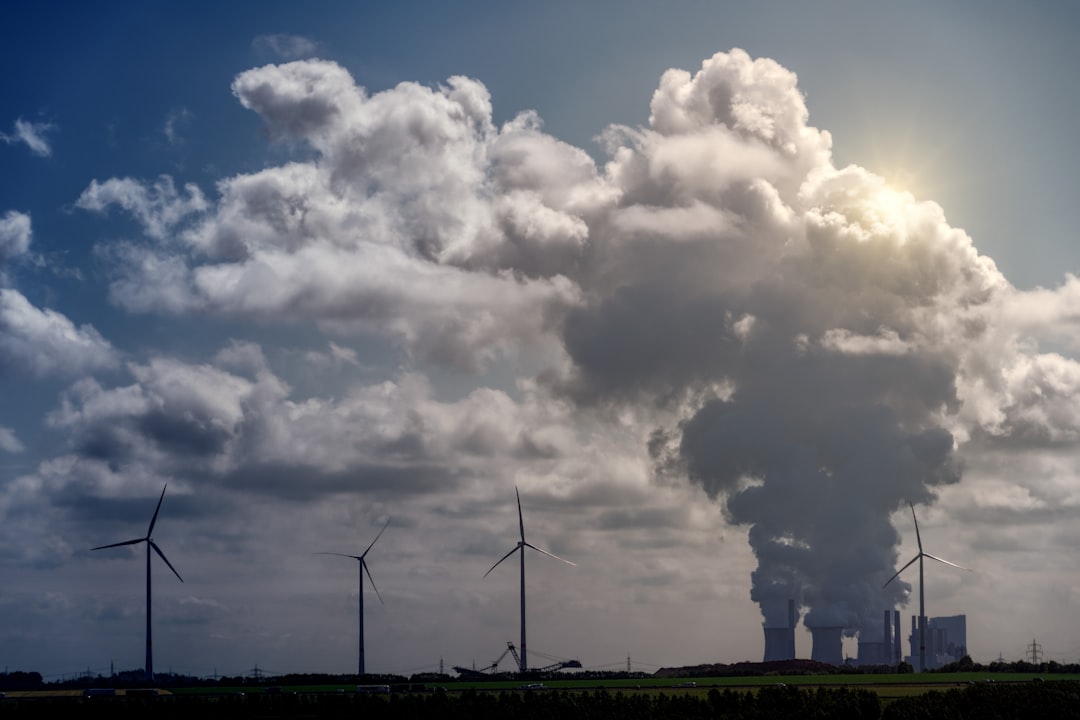
The Iranian energy sector finds itself grappling with a persistent and increasingly severe crisis, manifesting in frequent and widespread domestic blackouts. This situation, far from being a recent phenomenon, is the culmination of a complex interplay of factors, ranging from economic mismanagement and infrastructural decay to geopolitical pressures and environmental challenges. Understanding the root causes of these power outages is crucial for comprehending the precarious state of the Iranian economy and the daily struggles of its citizens.
Decades of insufficient investment in the energy sector have left Iran’s power infrastructure in a state of disrepair and obsolescence, exacerbating the problem of blackouts.
Aging Power Plants
The backbone of Iran’s electricity generation lies in a network of power plants, many of which are decades old. These aging facilities, particularly those reliant on fossil fuels, are prone to frequent breakdowns and suffer from decreased efficiency.
- Deterioration of Components: Over time, crucial components within these power plants, such as turbines, generators, and transmission lines, undergo wear and tear. Without regular and substantial capital infusion for upgrades or replacements, these parts become increasingly susceptible to failure.
- Reduced Efficiency: Older technologies are inherently less efficient than their modern counterparts. This means that older power plants consume more fuel to produce the same amount of electricity, contributing to a higher cost of generation and a greater strain on fuel resources.
- Maintenance Gaps: Even with existing infrastructure, consistent and comprehensive maintenance is essential. However, economic constraints and a prioritization of other sectors have often led to underfunded maintenance programs, allowing minor issues to escalate into major breakdowns.
- Reliance on Obsolete Technology: A significant portion of Iran’s power generation capacity is based on technologies that are no longer considered state-of-the-art internationally. This not only impacts efficiency but also makes it more challenging and expensive to source spare parts and implement necessary upgrades.
Inadequate Transmission and Distribution Networks
The crisis extends beyond generation, with Iran’s transmission and distribution networks also suffering from underinvestment and a lack of modernization.
- Increased Transmission Losses: Old and poorly maintained transmission lines are prone to higher electricity losses during transit from power plants to consumers. This means that a portion of the generated power is lost before it even reaches households and industries, necessitating the generation of more electricity to compensate.
- Overloaded Grids: The demand for electricity has grown substantially, outpacing the capacity of the existing distribution networks. This leads to regular overloading of substations and power lines, which can trigger protective shutdowns to prevent catastrophic failures, resulting in blackouts.
- Lack of Smart Grid Technologies: The absence of modern smart grid technologies hinders efficient load management and real-time monitoring. Smart grids allow for better identification of problems, rerouting of power, and more dynamic responses to fluctuations in demand and supply, which are currently lacking in Iran.
- Vulnerability to Weather: Aging infrastructure is also more vulnerable to extreme weather conditions, such as heatwaves or heavy snow, which can cause further damage and disruptions, leading to extended blackouts.
In recent months, Iranian domestic energy blackouts have become a pressing issue, primarily attributed to a combination of aging infrastructure, mismanagement, and increased demand during peak seasons. A comprehensive analysis of these factors can be found in a related article that delves deeper into the underlying causes and potential solutions for Iran’s energy crisis. For more information, you can read the article here: Iranian Domestic Energy Blackouts: Causes and Solutions.
Economic Sanctions and Their Ramifications
The imposition of extensive economic sanctions on Iran by various international actors has had a profound and detrimental impact on its energy sector, limiting its ability to invest, import necessary components, and maintain its aging infrastructure.
Restricted Access to Technology and Equipment
Sanctions have significantly curtailed Iran’s ability to procure advanced technologies, specialized equipment, and crucial spare parts necessary for maintaining and upgrading its energy infrastructure.
- Import Barriers: International sanctions create stringent barriers for importing goods and services into Iran. This applies directly to the energy sector, which relies on specialized components for power plants, transmission lines, and grid management systems.
- Difficulty in Sourcing Spare Parts: Even for routine maintenance, the procurement of specific spare parts can become a lengthy and arduous process. This can lead to extended downtime for power generation units that are awaiting essential components.
- Limited Access to Cutting-Edge Technology: The sanctions have prevented Iran from accessing the latest advancements in energy technology. This includes more efficient turbine designs, advanced control systems, and renewable energy technologies, which could help diversify and stabilize the energy supply.
- Impact on Manufacturing Capacity: The inability to import raw materials and machinery has also hampered domestic manufacturing capabilities for energy-related components, further exacerbating the reliance on imports and the challenges posed by sanctions.
Deterioration of Foreign Investment and Financial Access
Sanctions have effectively choked off foreign investment and severely restricted Iran’s access to international financial markets, hindering capital inflow for much-needed upgrades.
- Discouraged Investors: The risk associated with doing business with sanctioned entities has deterred many international companies and financial institutions from investing in Iran’s energy projects. This has left a significant funding gap for critical infrastructure development.
- Limited Access to Loans and Credit: Iran’s financial institutions face severe limitations in accessing international loans and credit lines. This makes it difficult to finance large-scale energy projects, which typically require substantial external funding.
- Currency Volatility and Inflation: The sanctions have contributed to significant currency depreciation and high inflation within Iran. This erodes the purchasing power of domestic funds allocated for energy sector development, making projects more expensive and less feasible.
- Challenges in Payment Mechanisms: Even when deals are struck, navigating international payment systems and avoiding secondary sanctions can be extremely complicated and risky, discouraging potential partners.
Growing Domestic Demand and Inefficient Consumption
Iran’s burgeoning population and the structure of its energy consumption patterns have placed an ever-increasing strain on its existing power generation capacity.
Rapid Population Growth
The significant growth in Iran’s population over the past few decades has naturally led to an increase in the demand for electricity.
- Increased Residential Consumption: As the population expands, so does the number of households requiring electricity for lighting, heating, cooling, and appliances. This steady upward trend in residential demand is a primary driver of overall consumption.
- Urbanization Effect: Increased urbanization, a common trend globally, concentrates populations in cities, leading to a higher and more immediate demand for electricity in urban centers. This puts particular pressure on the distribution networks in these areas.
- Economic Activity Link: A larger population generally correlates with increased economic activity, which in turn drives demand for electricity in industries, commerce, and services.
Subsidized Energy Prices and Wasteful Consumption
The deeply entrenched system of energy subsidies in Iran has created an environment where electricity is often consumed inefficiently and wastefully.
- Artificial Low Prices: Electricity prices for domestic consumers are heavily subsidized, making them significantly lower than the actual cost of production. This artificially low price provides little incentive for consumers to conserve energy.
- Lack of Conservation Incentives: When energy is perceived as cheap, individuals and businesses are less likely to invest in energy-efficient appliances, insulation, or behavioral changes that could reduce their consumption.
- Widespread Use of Inefficient Appliances: The low cost of electricity has, over time, contributed to the widespread use of older, less energy-efficient appliances in homes and businesses. Replacing these with modern, energy-saving models is not a pressing financial concern for many.
- Industrial Inefficiencies: While industrial consumers may pay slightly more than residential ones, the overall low energy pricing can still disincentivize substantial investments in energy efficiency measures within industries.
Impact of Climate Change and Environmental Factors
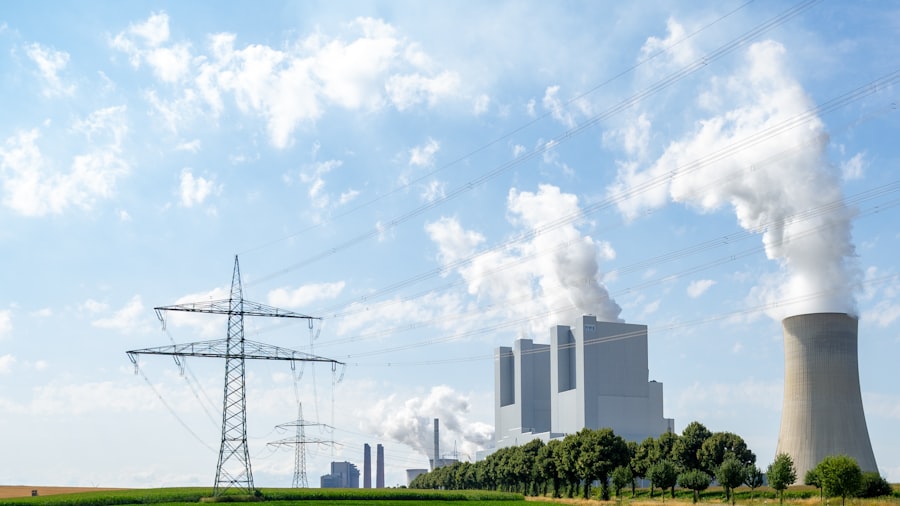
Beyond human-induced issues, environmental factors, exacerbated by climate change, are increasingly contributing to Iran’s energy woes, particularly impacting hydroelectric power generation.
Drought and Water Scarcity
Prolonged periods of drought have severely impacted Iran’s hydroelectric power generation capacity, a significant contributor to its energy mix.
- Reduced Reservoir Levels: Dams that rely on river flow to generate electricity are experiencing significantly reduced water levels in their reservoirs. This directly translates to a lower capacity for power generation.
- Seasonal Fluctuations Amplified: While hydroelectric power is naturally subject to seasonal water level fluctuations, prolonged droughts amplify these variations, leading to more drastic drops in output and increased reliance on other, often less reliable, sources.
- Impact on Agricultural Water Use: During droughts, there is often a greater demand for water for irrigation, leading to competition between agricultural needs and the requirements for hydroelectric power generation, further straining water resources.
Extreme Weather Events
The increasing frequency and intensity of extreme weather events are placing additional stress on the energy grid and infrastructure.
- Heatwaves and Increased Cooling Demand: Persistent and intense heatwaves necessitate a significant increase in the use of air conditioning and cooling systems. This creates surges in electricity demand that can overwhelm the existing generation and distribution capacity, leading to blackouts.
- Cold Snaps and Heating Demand: Conversely, severe cold snaps can lead to increased demand for electric heating, although reliance on natural gas for heating is more prevalent in Iran. However, this can still put a strain on the overall energy infrastructure.
- Damage to Infrastructure: Extreme weather, such as severe storms, floods, or high winds, can cause physical damage to power lines, substations, and even power plants, leading to localized or widespread outages.
Iran has been facing significant domestic energy blackouts, primarily due to a combination of aging infrastructure, mismanagement, and increasing demand during peak seasons. A related article discusses the underlying factors contributing to these energy shortages and offers insights into potential solutions. For more information on this pressing issue, you can read the article at MyGeoQuest, which delves into the complexities of Iran’s energy crisis and its implications for the population.
Geopolitical Tensions and Regional Instability
| Causes of Iranian Domestic Energy Blackouts | Impact |
|---|---|
| Lack of investment in infrastructure | Frequent power outages |
| Over-reliance on natural gas | Supply shortages during peak demand |
| Inefficient energy usage | Strain on the power grid |
| Political tensions affecting energy imports | Disruptions in fuel supply |
Iran’s complex geopolitical relationships and regional conflicts have also cast a long shadow over its energy sector, impacting both its internal stability and its ability to engage in international energy markets.
Regional Conflicts and Their Spillover Effects
The instability and conflicts in neighboring regions can indirectly affect Iran’s energy sector through various channels.
- Disruptions in Trade Routes: Regional conflicts can disrupt essential trade routes, potentially affecting the supply of critical raw materials or equipment necessary for the energy sector, even if not directly targeted.
- Increased Security Concerns: Heightened regional tensions can lead to increased security concerns and the diversion of resources towards defense, potentially at the expense of investment in energy infrastructure.
- Impact on Regional Energy Cooperation: Geopolitical rivalries can hinder opportunities for regional energy cooperation, such as shared pipelines or electricity grids, which could otherwise help stabilize supply and demand.
International Relations and Diplomatic Pressures
Iran’s strained international relations and the constant threat of further sanctions or diplomatic pressure create an environment of uncertainty that discourages long-term planning and investment in the energy sector.
- Ambiguity in Future Trajectories: The unpredictable nature of international relations means that energy sector planners must contend with potential future sanctions or changes in trade policies, making long-term investment decisions more difficult.
- Limited International Partnerships: The reluctance of many international companies to engage with Iran due to geopolitical considerations limits the potential for joint ventures, technology transfer, and access to best practices in energy management.
- Focus on Self-Sufficiency Challenges: While a desire for energy self-sufficiency is understandable, the geopolitical landscape can force an overreliance on domestic capabilities that may not be as efficient or advanced as internationally sourced solutions, ultimately contributing to the crisis.
The Iranian energy crisis, characterized by recurrent blackouts, is a multifaceted problem with deep roots. Addressing it requires a comprehensive approach that tackles infrastructural deficiencies, navigates the complexities of international sanctions, promotes responsible energy consumption, adapts to environmental realities, and seeks a path towards greater regional and international stability. Without concerted efforts across these fronts, the nation will continue to grapple with the disruptive and economically damaging consequences of its energy woes.
FAQs
What are the causes of the domestic energy blackouts in Iran?
The domestic energy blackouts in Iran are primarily caused by a combination of factors, including a surge in electricity demand due to extreme weather conditions, aging infrastructure, and a lack of investment in the energy sector.
How has extreme weather contributed to the energy blackouts in Iran?
Extreme weather, such as heatwaves and cold spells, has led to a significant increase in electricity usage for cooling and heating purposes, putting a strain on the country’s energy grid and contributing to blackouts.
What role does aging infrastructure play in the energy blackouts in Iran?
Iran’s energy infrastructure, including power plants and distribution networks, is aging and in need of modernization and maintenance. The lack of investment in upgrading this infrastructure has made it more susceptible to breakdowns and failures, leading to energy blackouts.
How has the lack of investment in the energy sector impacted domestic energy supply in Iran?
The lack of investment in the energy sector has resulted in a shortage of electricity generation capacity, making it difficult for Iran to meet the increasing demand for energy, especially during peak periods, and leading to domestic energy blackouts.
What measures are being taken to address the domestic energy blackouts in Iran?
The Iranian government is taking steps to address the domestic energy blackouts, including implementing energy conservation measures, investing in the modernization of the energy infrastructure, and exploring alternative energy sources to diversify the country’s energy mix and improve energy security.