
Soil health is a cornerstone of sustainable agriculture, serving as the foundation for food production and ecosystem stability. Healthy soil is rich in organic matter, teeming with microorganisms, and capable of retaining water and nutrients.
As the global population continues to rise, the demand for food increases, making it imperative to adopt practices that maintain and improve soil health. Sustainable agriculture, which emphasizes the balance between productivity and environmental stewardship, relies heavily on the vitality of soil. Moreover, healthy soil plays a critical role in mitigating climate change.
It acts as a carbon sink, sequestering carbon dioxide from the atmosphere and reducing greenhouse gas emissions. Practices such as cover cropping, reduced tillage, and organic amendments can enhance soil structure and fertility while simultaneously contributing to climate resilience. By prioritizing soil health, farmers can not only improve their yields but also contribute to broader environmental goals, making it a vital aspect of sustainable agricultural practices.
Key Takeaways
- Soil health is crucial for sustainable agriculture, enhancing productivity and environmental resilience.
- Various financial incentives, including government programs, tax breaks, and grants, support soil health investments.
- Private sector investments are increasingly important in promoting soil health initiatives.
- Calculating return on investment helps farmers and stakeholders make informed decisions about soil health practices.
- Understanding risks and strategies is essential for effectively accessing and benefiting from soil health financial incentives.
Understanding Financial Incentives for Soil Health
Financial incentives are crucial for encouraging farmers to invest in soil health practices. These incentives can take various forms, including direct payments, tax breaks, and grants, all designed to offset the costs associated with implementing sustainable practices. Understanding these financial mechanisms is essential for farmers who wish to enhance their soil health while maintaining economic viability.
By leveraging these incentives, farmers can transition to more sustainable practices without bearing the full financial burden. Incentives for soil health are often tied to specific practices that have been shown to improve soil quality. For instance, farmers may receive payments for adopting cover crops or implementing conservation tillage.
These practices not only improve soil structure and fertility but also provide additional benefits such as reduced erosion and improved water retention. By understanding the available financial incentives, farmers can make informed decisions that align with both their economic goals and environmental responsibilities.
Government Programs and Subsidies for Soil Health
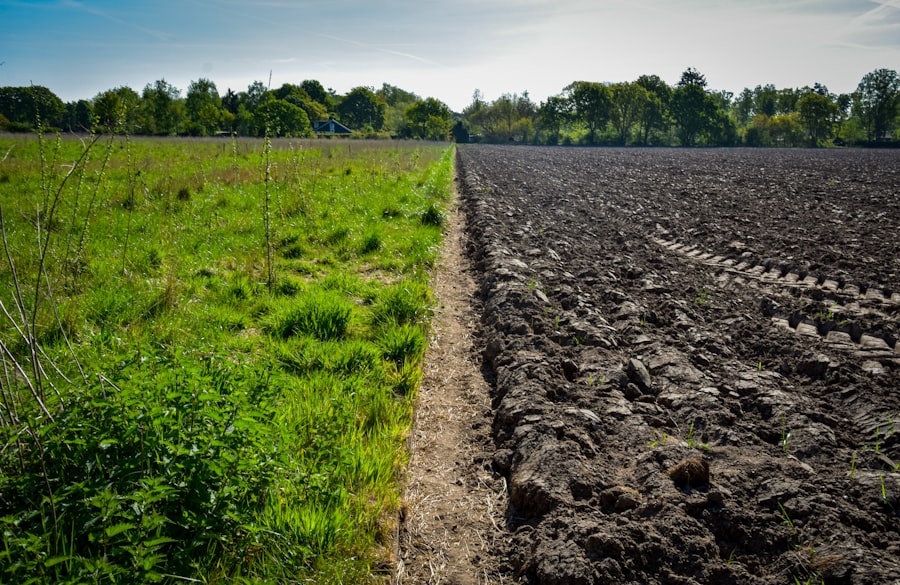
Government programs play a pivotal role in promoting soil health through various subsidies and support initiatives. These programs are designed to encourage farmers to adopt sustainable practices that enhance soil quality while also providing economic benefits. For example, the United States Department of Agriculture (USDA) offers programs like the Environmental Quality Incentives Program (EQIP), which provides financial assistance for implementing conservation practices that improve soil health.
Additionally, many state governments have developed their own initiatives to support soil health. These programs often focus on local agricultural needs and may offer tailored solutions for farmers in specific regions. By participating in these government programs, farmers can access funding that helps them implement practices such as crop rotation, cover cropping, and organic amendments, ultimately leading to healthier soils and more sustainable farming systems.
Tax Incentives for Soil Health Investments
Tax incentives represent another avenue through which farmers can be encouraged to invest in soil health. These incentives can take various forms, including deductions for expenses related to sustainable practices or credits for investments in soil conservation technologies. By reducing the tax burden on farmers who prioritize soil health, governments can create a more favorable economic environment for sustainable agriculture.
For instance, some regions offer tax credits for farmers who implement practices that enhance soil quality or invest in equipment designed for conservation tillage.
By understanding and utilizing these tax benefits, farmers can significantly reduce their operational costs while contributing to the sustainability of their agricultural practices.
Grants and Cost-Share Programs for Soil Health
| Incentive Program | Type of Incentive | Eligible Practices | Average Payment Rate | Duration | Region |
|---|---|---|---|---|---|
| Conservation Stewardship Program (CSP) | Cost-share and annual payments | Cover cropping, reduced tillage, nutrient management | 30 per acre | 5 years | United States |
| Healthy Soils Program | Grants and incentives | Compost application, cover crops, reduced tillage | 25 per acre | 3 years | California, USA |
| Environmental Quality Incentives Program (EQIP) | Cost-share payments | Soil erosion control, nutrient management, cover crops | 35 per acre | 1-3 years | United States |
| Soil Health Incentive Program (SHIP) | Performance-based payments | Reduced tillage, cover cropping, crop rotation | 40 per acre | Annual | Canada |
| Agri-Environment Climate Measures (AECM) | Subsidies and grants | Organic matter addition, buffer strips, crop diversification | 20 per acre | 5 years | European Union |
Grants and cost-share programs are essential tools for promoting soil health among farmers. These programs provide financial assistance that can help offset the costs associated with implementing sustainable practices. Grants may be offered by government agencies, non-profit organizations, or private foundations, each with specific eligibility criteria and application processes.
Cost-share programs are particularly beneficial as they allow farmers to receive partial reimbursement for expenses incurred while adopting soil health practices. For example, a farmer may receive funding to cover a portion of the costs associated with purchasing cover crop seeds or implementing erosion control measures. By alleviating some of the financial burdens associated with these practices, grants and cost-share programs encourage more farmers to invest in soil health initiatives.
Private Sector Investments in Soil Health

The private sector has increasingly recognized the importance of investing in soil health as part of a broader commitment to sustainability. Companies involved in agriculture, food production, and environmental services are beginning to allocate resources toward initiatives that promote healthy soils. This shift is driven by a growing awareness of the long-term benefits associated with sustainable farming practices, including improved crop yields and enhanced ecosystem services.
Private sector investments can take many forms, from funding research on innovative soil management techniques to supporting farmer education programs focused on sustainable practices. Additionally, some companies are developing partnerships with farmers to implement regenerative agriculture practices that prioritize soil health. By collaborating with the private sector, farmers can access new resources and expertise that enhance their ability to improve soil quality while also benefiting from potential market advantages associated with sustainable products.
Calculating the Return on Investment for Soil Health
Calculating the return on investment (ROI) for soil health initiatives is crucial for farmers considering these practices. While the initial costs of implementing sustainable practices may seem daunting, understanding the long-term benefits can help justify these investments. Improved soil health often leads to increased crop yields, reduced input costs (such as fertilizers and pesticides), and enhanced resilience against climate variability.
Farmers can assess ROI by analyzing various factors, including changes in yield over time, reductions in input costs due to improved soil fertility, and potential price premiums for sustainably produced crops. Additionally, healthier soils contribute to ecosystem services such as improved water quality and biodiversity, which can have far-reaching economic implications beyond immediate farm profits. By taking a comprehensive approach to ROI calculations, farmers can make informed decisions about investing in soil health.
Case Studies of Successful Soil Health Investments
Examining case studies of successful soil health investments provides valuable insights into the practical benefits of adopting sustainable practices. For instance, a farmer in Iowa implemented cover cropping and reduced tillage methods over several years. As a result, they observed significant improvements in soil structure and fertility, leading to increased corn yields and reduced reliance on chemical fertilizers.
Another case study highlights a cooperative of organic farmers in California who collectively invested in composting facilities to enhance their soil health. By producing their own organic amendments from local waste materials, they not only improved their soils but also reduced transportation costs associated with purchasing external inputs. These examples illustrate how strategic investments in soil health can lead to tangible benefits for individual farmers and entire farming communities.
Risks and Challenges of Investing in Soil Health
While investing in soil health offers numerous benefits, it is not without its risks and challenges. One significant challenge is the initial financial investment required to implement sustainable practices. Farmers may be hesitant to allocate funds toward new methods without guaranteed short-term returns.
Additionally, transitioning from conventional farming practices to more sustainable approaches can require significant changes in management strategies and knowledge. Another risk involves the variability of results associated with different soil types and climatic conditions. What works well in one region may not yield the same results elsewhere due to differences in local ecosystems or market conditions.
Farmers must carefully consider these factors when deciding how to invest in soil health initiatives. Despite these challenges, many farmers find that the long-term benefits outweigh the risks when they commit to improving their soil health.
Strategies for Accessing Financial Incentives for Soil Health
Accessing financial incentives for soil health requires a proactive approach from farmers. One effective strategy is to stay informed about available programs at both federal and state levels. Farmers should regularly check government websites and local agricultural extension offices for updates on grants, subsidies, and tax incentives related to soil health.
Networking with other farmers who have successfully accessed financial incentives can also provide valuable insights and guidance. Joining local agricultural organizations or participating in workshops focused on sustainable practices can help build connections within the farming community. Additionally, seeking assistance from agricultural consultants or financial advisors who specialize in sustainability can further enhance a farmer’s ability to navigate available financial resources effectively.
The Future of Soil Health Investments in Sustainable Agriculture
The future of soil health investments in sustainable agriculture looks promising as awareness of environmental issues continues to grow among consumers and policymakers alike. As demand for sustainably produced food increases, farmers who prioritize soil health will likely find themselves at a competitive advantage in the marketplace. Furthermore, ongoing research into innovative practices and technologies will continue to enhance understanding of how best to manage soils sustainably.
In addition to market-driven changes, government policies are increasingly recognizing the importance of supporting soil health initiatives through funding and incentives. As more programs are developed at both state and federal levels, farmers will have greater access to resources that facilitate their transition toward sustainable practices. Ultimately, investing in soil health is not just an agricultural necessity; it is an essential component of building resilient food systems capable of meeting future challenges while safeguarding the environment for generations to come.
Improving soil health is crucial for sustainable agriculture, and financial incentives can play a significant role in encouraging farmers to adopt better practices. For more insights on this topic, you can read the article on soil health financial incentives available at MyGeoQuest. This resource provides valuable information on how financial support can enhance soil management and promote environmental sustainability.
FAQs
What are soil health financial incentives?
Soil health financial incentives are monetary programs or subsidies provided by governments, organizations, or agencies to encourage farmers and landowners to adopt practices that improve soil quality and sustainability.
Why are financial incentives important for soil health?
Financial incentives help offset the costs associated with implementing soil conservation practices, making it more feasible for landowners to invest in methods that enhance soil fertility, reduce erosion, and promote long-term agricultural productivity.
Who is eligible for soil health financial incentives?
Eligibility varies by program but typically includes farmers, ranchers, and landowners who manage agricultural or conservation lands and are willing to adopt or maintain soil health practices.
What types of practices are supported by soil health financial incentives?
Common practices include cover cropping, reduced tillage or no-till farming, crop rotation, nutrient management, buffer strips, and organic matter additions, all aimed at improving soil structure and fertility.
How can I apply for soil health financial incentives?
Applications are usually submitted through local or national agricultural agencies or conservation programs. Interested individuals should contact their local extension office or relevant government department for specific application procedures.
Are soil health financial incentives available worldwide?
Many countries offer soil health incentives, but availability and program details vary widely depending on national and regional policies and priorities.
Do soil health financial incentives have environmental benefits?
Yes, these incentives promote practices that reduce soil erosion, improve water retention, increase biodiversity, and decrease greenhouse gas emissions, contributing to overall environmental sustainability.
Can soil health financial incentives improve farm profitability?
By enhancing soil quality, these incentives can lead to increased crop yields, reduced input costs, and improved resilience to climate variability, potentially improving long-term farm profitability.
Are there any reporting requirements for recipients of soil health financial incentives?
Many programs require participants to document and report their soil health practices and outcomes to ensure compliance and measure program effectiveness.
Where can I find more information about soil health financial incentives?
Information can be found through agricultural extension services, government websites, conservation organizations, and local farming associations.