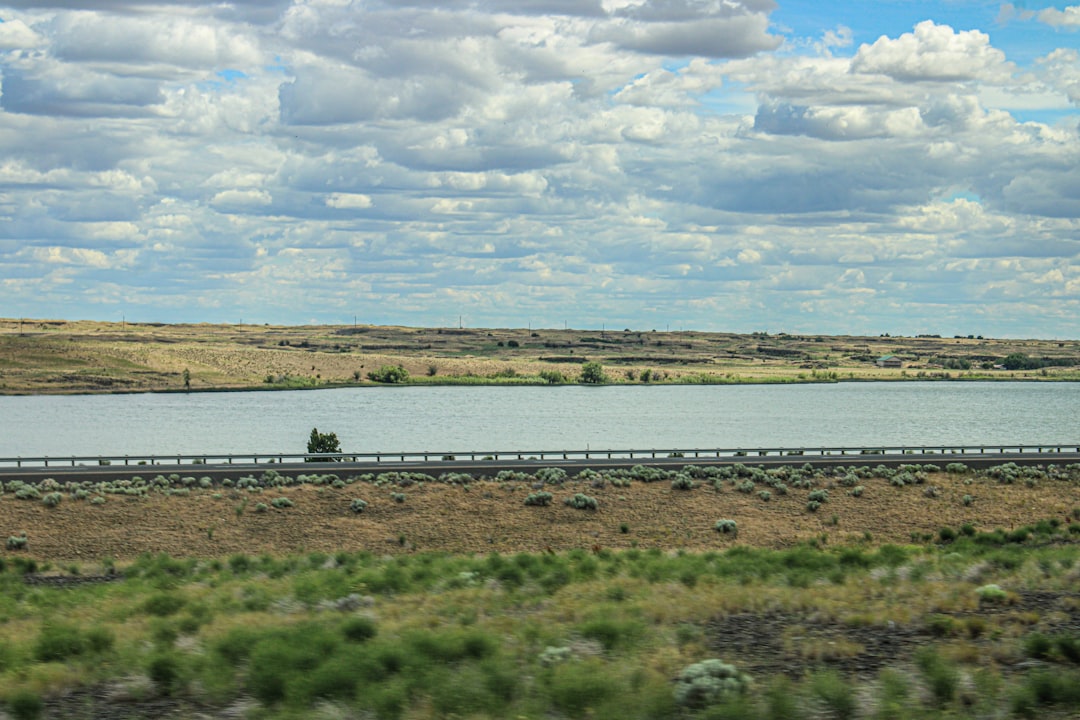
The history of water allocation from the Colorado River is a complex narrative that intertwines the interests of various states, indigenous tribes, and federal authorities. The river, which stretches over 1,400 miles, has been a vital resource for the arid regions of the American Southwest since time immemorial. The first significant legal framework governing the river’s water was established in the early 20th century with the Colorado River Compact of 1922.
This agreement divided the river’s flow between the upper basin states—Colorado, Utah, Wyoming, and New Mexico—and the lower basin states—Arizona, California, and Nevada. Each basin was allocated 7.5 million acre-feet of water annually, with the intention of promoting equitable distribution among the states. As the population in the Southwest grew, so did the demand for water.
The Boulder Canyon Project Act of 1928 further solidified California’s claim to 4.4 million acre-feet of the river’s water annually, leading to tensions among states. The construction of major dams, such as Hoover Dam (completed in 1936) and Glen Canyon Dam (completed in 1966), transformed the river into a managed resource, creating reservoirs like Lake Mead and Lake Powell. These developments not only facilitated water storage and hydroelectric power generation but also set the stage for ongoing disputes over water rights and allocation.
The historical context of these agreements laid the groundwork for the intricate and often contentious relationships that continue to shape Colorado River water allocation today.
Key Takeaways
- The Colorado River’s water allocation has a complex history shaped by legal agreements and growing demand.
- Climate change and increasing droughts are intensifying challenges in managing the river’s water resources.
- Balancing agricultural, urban, industrial, and tribal water needs remains a critical and contentious issue.
- Interstate cooperation is essential but often complicated by conflicting interests and legal disputes.
- Conservation efforts and innovative policies are key to ensuring sustainable water use and future allocation stability.
Current Challenges Facing Colorado River Water Allocation
In recent years, the Colorado River has faced unprecedented challenges that threaten its sustainability and the delicate balance of water allocation among its users. One of the most pressing issues is the increasing demand for water in a region that is experiencing rapid population growth and urbanization. As cities expand and agricultural needs intensify, the competition for this finite resource has escalated, leading to heightened tensions among states and stakeholders.
The original allocations established in the early 20th century are now being called into question as water scarcity becomes a more pressing reality. Additionally, legal disputes have emerged over water rights, with various parties contesting their entitlements based on historical agreements. The complexities of these legal frameworks often hinder effective management and cooperation among states.
Furthermore, infrastructure challenges, such as aging water delivery systems and inefficient irrigation practices, exacerbate the situation. As stakeholders grapple with these challenges, it becomes increasingly clear that innovative solutions and collaborative approaches are essential to ensure equitable access to Colorado River water for all users.
The Impact of Climate Change on Colorado River Water Allocation

Climate change poses a significant threat to the already strained water resources of the Colorado River. Rising temperatures and altered precipitation patterns have led to decreased snowpack in the Rocky Mountains, which serves as a crucial source of runoff for the river. As a result, streamflow levels have declined, impacting both agricultural and urban water supplies.
The implications of these changes are profound, as they not only affect current allocations but also challenge the assumptions upon which historical agreements were based. Moreover, climate change is expected to increase the frequency and severity of droughts in the region, further exacerbating water scarcity. The prolonged drought conditions experienced in recent years have prompted calls for urgent action to address these challenges.
Stakeholders are increasingly recognizing that traditional water management practices may no longer suffice in a changing climate. As such, there is a growing emphasis on adaptive management strategies that prioritize resilience and sustainability in water allocation decisions.
Legal and Policy Issues Surrounding Interstate Water Allocation
The legal landscape governing Colorado River water allocation is intricate and often contentious. The foundational agreements, such as the Colorado River Compact and subsequent treaties, were crafted under specific historical conditions that may not reflect contemporary realities. As states grapple with dwindling supplies and competing demands, legal disputes have arisen over interpretations of these agreements.
For instance, some states argue that they are entitled to more water than their current allocations allow, while others contend that existing agreements should be upheld. Policy issues also play a critical role in shaping water allocation decisions. Federal involvement through agencies like the Bureau of Reclamation has historically influenced how water resources are managed and distributed.
However, this federal oversight can sometimes lead to conflicts with state interests and local needs.
The Role of Agriculture in Colorado River Water Allocation
| State | Allocated Water (Million Acre-Feet per Year) | Percentage of Total Allocation | Main Usage |
|---|---|---|---|
| California | 4.4 | 48% | Agriculture, Urban |
| Arizona | 2.8 | 30.5% | Agriculture, Urban |
| Nevada | 0.3 | 3.3% | Urban |
| Colorado | 0.8 | 8.7% | Agriculture, Municipal |
| Utah | 0.8 | 8.7% | Agriculture, Municipal |
| New Mexico | 0.3 | 3.3% | Agriculture, Municipal |
| Wyoming | 0.1 | 1.1% | Agriculture, Municipal |
Agriculture has long been a cornerstone of the economy in the Colorado River Basin, accounting for a significant portion of water use in the region. Farmers rely heavily on this vital resource to irrigate crops and sustain livestock, making agricultural interests a powerful force in discussions surrounding water allocation. However, as urban populations grow and industrial demands increase, agriculture faces mounting pressure to justify its water use amidst competing claims.
The challenge lies in balancing agricultural needs with those of urban areas while ensuring sustainable practices are employed.
Additionally, there is a growing movement toward more sustainable agricultural practices that prioritize conservation and efficiency.
As agriculture continues to play a pivotal role in Colorado River water allocation discussions, finding common ground between agricultural interests and urban needs will be essential for fostering long-term sustainability.
Urban and Industrial Water Needs in Relation to Colorado River Allocation

Urbanization has transformed the landscape of the Colorado River Basin, leading to increased competition for water resources among cities and industries. As metropolitan areas expand, their demand for reliable water supplies has surged, often outpacing available resources. Cities like Las Vegas and Phoenix have become emblematic of this trend, where rapid growth has necessitated innovative approaches to water management.
Industries also contribute significantly to water demand in the region. Manufacturing processes, energy production, and recreational activities all require substantial amounts of water. This growing industrial footprint adds another layer of complexity to water allocation discussions.
Urban planners and policymakers are increasingly recognizing that sustainable urban development must incorporate efficient water use practices to mitigate pressure on existing supplies. Strategies such as recycling wastewater and investing in green infrastructure are gaining traction as cities seek to balance their needs with those of agricultural users and environmental considerations.
Indigenous and Tribal Rights in Colorado River Water Allocation
The rights of Indigenous peoples and tribes in relation to Colorado River water allocation represent a critical aspect of the ongoing discourse surrounding this vital resource. Many tribes have historical claims to water rights that predate modern legal frameworks but have often been overlooked or marginalized in negotiations among states. The recognition of these rights is essential not only for justice but also for fostering equitable solutions to water allocation challenges.
Tribal nations are increasingly asserting their rights through legal channels and advocacy efforts aimed at ensuring their voices are heard in decision-making processes. Collaborative initiatives between tribes and state authorities have emerged as promising avenues for addressing historical grievances while promoting sustainable management practices. By integrating Indigenous knowledge systems into contemporary water management strategies, stakeholders can work toward more holistic solutions that honor both cultural heritage and environmental stewardship.
The Role of Conservation and Sustainability in Colorado River Water Allocation
Conservation efforts play a pivotal role in addressing the challenges associated with Colorado River water allocation. As awareness grows regarding the finite nature of this resource, stakeholders are increasingly prioritizing sustainable practices aimed at reducing waste and enhancing efficiency. Initiatives focused on improving irrigation techniques, promoting xeriscaping in urban areas, and investing in advanced technologies for water management are gaining momentum across the basin.
Sustainability is not merely an environmental concern; it is also an economic imperative for communities reliant on Colorado River water. By adopting conservation measures, stakeholders can help ensure that future generations have access to this vital resource while also mitigating potential conflicts over allocation. Collaborative efforts among states, local governments, agricultural producers, and urban planners are essential for fostering a culture of sustainability that prioritizes long-term resilience over short-term gains.
Interstate Cooperation and Conflict in Colorado River Water Allocation
The dynamics of interstate cooperation and conflict surrounding Colorado River water allocation are complex and multifaceted. While historical agreements established frameworks for sharing this vital resource, changing environmental conditions and competing demands have led to tensions among states. Disputes over allocations often arise when one state perceives another as overusing its share or failing to adhere to established agreements.
Despite these challenges, there have been notable efforts toward cooperation among states aimed at addressing shared concerns about water scarcity. Collaborative initiatives such as drought contingency plans have emerged as mechanisms for fostering dialogue and promoting joint solutions. By prioritizing communication and collaboration over conflict, states can work together to navigate the complexities of water allocation while ensuring equitable access for all users.
The Economic Implications of Colorado River Water Allocation
The economic implications of Colorado River water allocation extend far beyond individual users; they encompass entire communities and industries reliant on this vital resource. Agriculture remains a significant economic driver in the region, contributing billions to local economies while providing essential food supplies. However, as competition for water intensifies, agricultural producers face increasing uncertainty regarding their future viability.
Urban areas also experience economic ramifications tied to water availability. Cities depend on reliable supplies for growth and development; disruptions can hinder economic progress and quality of life for residents. Additionally, industries reliant on consistent access to water face operational challenges that can impact profitability.
As stakeholders grapple with these economic realities, it becomes evident that sustainable management practices are not only environmentally necessary but also economically prudent.
Potential Solutions and Future Outlook for Colorado River Water Allocation
Looking ahead, potential solutions for addressing Colorado River water allocation challenges will require innovative thinking and collaborative approaches among all stakeholders involved. Emphasizing conservation measures will be crucial; investments in technology that enhance efficiency can help stretch limited supplies further while minimizing waste. Additionally, fostering partnerships between urban areas and agricultural producers can lead to mutually beneficial arrangements that prioritize shared goals.
Furthermore, engaging Indigenous communities in decision-making processes will be essential for ensuring equitable outcomes that honor historical rights while promoting sustainability. As climate change continues to reshape the landscape of water availability, adaptive management strategies will be necessary to navigate uncertainties effectively. In conclusion, while challenges abound regarding Colorado River water allocation, there is also an opportunity for transformative change through collaboration, innovation, and a commitment to sustainability.
By prioritizing equitable access for all users while embracing conservation practices, stakeholders can work together toward a resilient future for this vital resource.
The ongoing discussions surrounding the Colorado River interstate water allocation are critical as states grapple with water scarcity and the need for sustainable management. For a deeper understanding of the complexities involved in this issue, you can read a related article on this topic at My GeoQuest. This resource provides valuable insights into the challenges and potential solutions for the allocation of water resources in the Colorado River basin.
📌Lake Mead’s Death Spiral: How a Century of Lies Built a $5 Trillion Collapse
FAQs
What is the Colorado River interstate water allocation?
The Colorado River interstate water allocation refers to the legal agreements and compacts that distribute the water rights of the Colorado River among seven U.S. states: Arizona, California, Colorado, Nevada, New Mexico, Utah, and Wyoming. These allocations determine how much water each state is entitled to use from the river.
Why is the Colorado River water allocation important?
The allocation is crucial because the Colorado River is a primary water source for nearly 40 million people and millions of acres of agricultural land in the southwestern United States. Proper allocation ensures equitable distribution, supports economic activities, and helps manage water scarcity in this arid region.
What are the main agreements governing the Colorado River water allocation?
The primary legal framework is the Colorado River Compact of 1922, which divided the river basin into Upper and Lower Basins and allocated water between them. Additional agreements include the Boulder Canyon Project Act (1928), the Mexican Water Treaty (1944), and various court decisions and amendments that refine water rights and usage.
How is water usage monitored and enforced among the states?
Water usage is monitored by federal agencies such as the Bureau of Reclamation and the U.S. Geological Survey. Enforcement involves compliance with compacts, court rulings, and interstate agreements, with mechanisms in place to resolve disputes and ensure states do not exceed their allocated shares.
What challenges affect the Colorado River water allocation today?
Challenges include prolonged drought, climate change reducing river flows, increasing water demand from growing populations, and environmental concerns. These factors strain the existing allocation framework and necessitate ongoing negotiations and adjustments among the states.
Can the Colorado River water allocation be changed?
Yes, but changes require negotiation and agreement among the involved states and often federal approval. Amendments or new agreements may be made to address changing conditions, water availability, and usage needs, but the process is complex due to legal and political considerations.
How does the Colorado River allocation impact Mexico?
Under the 1944 U.S.-Mexico Water Treaty, Mexico is entitled to 1.5 million acre-feet of Colorado River water annually. The allocation to Mexico is managed alongside U.S. state allocations to ensure treaty obligations are met while balancing domestic water needs.
What role does the federal government play in the Colorado River water allocation?
The federal government, primarily through the Bureau of Reclamation, oversees the implementation of interstate compacts, manages federal water projects, facilitates negotiations, and enforces compliance with legal agreements related to the Colorado River water allocation.