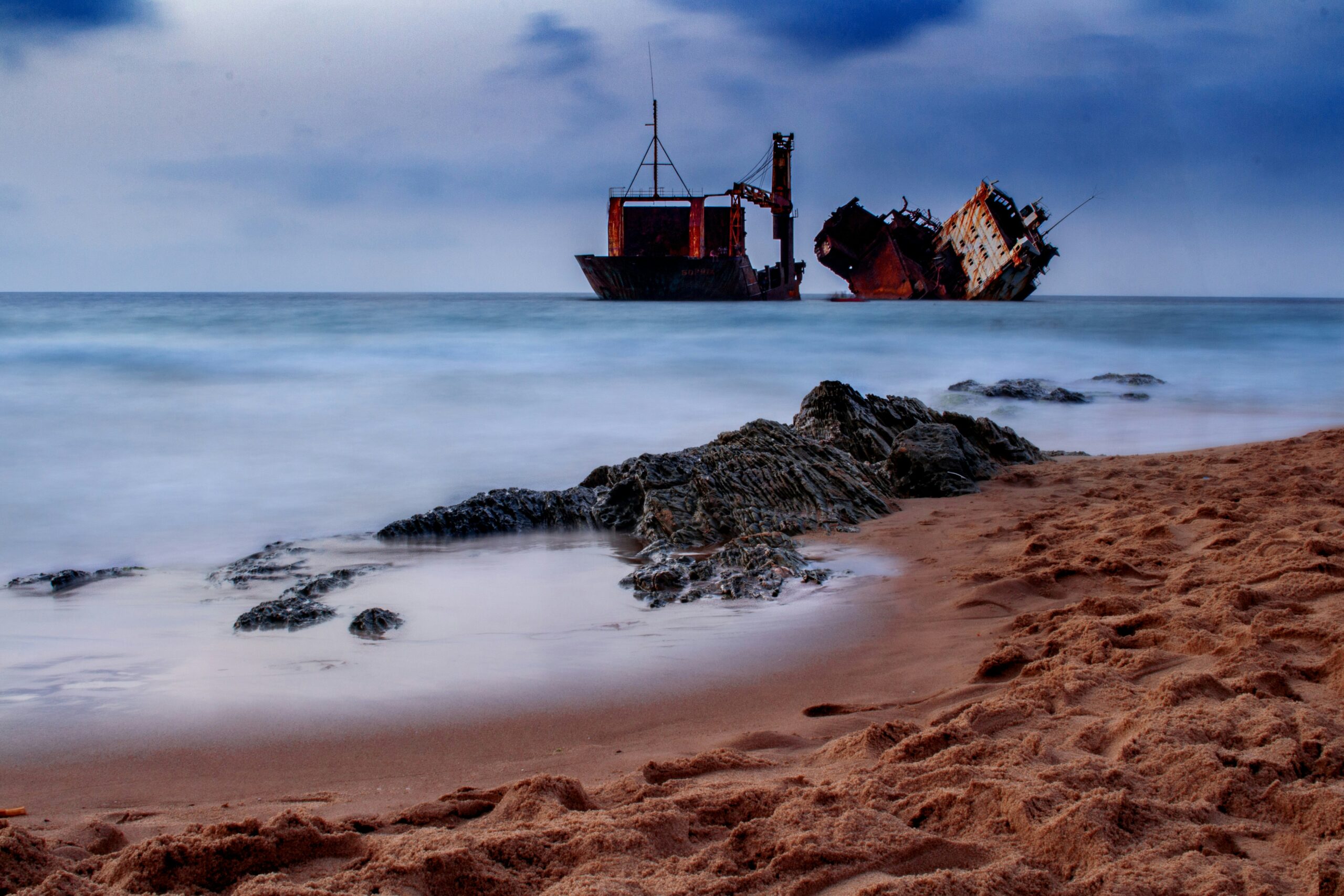
Intentional ship beaching, often referred to as controlled grounding, is a precise and highly specialized maritime operation. Far from a catastrophic accident, it is a deliberate act carried out for a variety of strategic, economic, and even environmental reasons. This practice demands an intimate understanding of hydrodynamics, naval architecture, meteorology, and a wealth of practical experience. It is an art form, honed over centuries, that allows mariners to strategically bring a vessel to rest on the seabed, typically in shallow water, with minimal damage and maximum control. The decision to intentionally ground a ship is never taken lightly, as it involves inherent risks. However, when executed correctly, it can be an indispensable tool in a mariner’s arsenal, capable of salvaging vessels, facilitating unique construction projects, or even aiding in the decommissioning of aging fleets.
The practice of intentionally grounding ships can be traced back to the earliest days of maritime activity. Necessity, as it so often does, was the mother of invention. In times when advanced navigation and salvage equipment were non-existent, grounding was often a last resort to save a vessel from the ravages of a storm or a perilous wreck. As maritime technology evolved, so too did the sophistication of intentional beaching. It transitioned from a desperate measure to a more calculated and controlled maneuver.
Early Maritime Survival Strategies
In antiquity and through much of the Age of Sail, grounding was often a reactive measure. Mariners facing imminent shipwreck due to severe weather would steer their vessels towards shallower waters, often muddy or sandy shorelines. The goal was to bring the ship to a halt before it was utterly destroyed by the waves. This often involved jettisoning cargo to lighten the vessel and make it more maneuverable in shallow depths. The success of these early groundings depended heavily on the nature of the seabed – a soft, yielding bottom was preferable to rocks or hard sand which could rip the hull open. The experience gained from these unplanned groundings, however, contributed to a growing understanding of how ships interacted with the seabed.
The Rise of Strategic Grounding
As naval warfare and trade expanded, so did the strategic applications of controlled grounding. During sieges or defensive actions, ships might be intentionally grounded to form a barrier or to prevent them from falling into enemy hands. Conversely, in times of retreat or blockade, ships could be scuttled by grounding to deny access to a harbor or channel. These actions, while destructive to the vessel itself, served a larger strategic purpose. The meticulous planning involved in these instances laid the groundwork for more controlled and predictable grounding techniques.
Modern Applications: Beyond Necessity
In the modern era, intentional beaching has moved beyond purely survival or strategic military purposes. Economic factors have become increasingly significant. The dismantling of aging vessels, particularly large cargo ships and oil tankers, often involves intentional beaching in specialized shipbreaking yards. This allows for efficient and cost-effective dismantling in a controlled environment. Furthermore, unique engineering and construction projects, such as the creation of artificial reefs or the placement of submerged structures, may also utilize controlled grounding. The ability to precisely position a large vessel on the seabed is crucial for these endeavors.
In recent discussions about maritime practices, an intriguing article highlights the intentional beaching of ships as a method for dismantling and recycling vessels. This practice, often seen in places like Alang in India, allows for the safe removal of hazardous materials while providing economic opportunities for local communities. For more insights on this topic, you can read the full article at My Geo Quest.
The Science Behind Controlled Grounding: Hydrodynamics and Naval Architecture
The success of an intentional grounding hinges on a deep understanding of the forces at play. Hydrodynamics, the study of fluid motion and its interaction with solid bodies, is paramount. Naval architecture, the discipline concerned with the design, construction, and maintenance of ships, provides the framework for understanding the vessel’s structural integrity and its response to external forces.
Understanding Hull-Water Interaction
The shape of a ship’s hull is critical in determining how it will react when encountering the seabed. Modern vessels, with their complex hull designs featuring bulbous bows and various bilge keels, present unique challenges. A ship’s displacement, the weight of water it displaces, is directly related to the forces that will act upon it during grounding. The way water flows around the hull, creating lift and drag, must be carefully considered. During grounding, these forces are significantly altered. The interaction of the hull with the seabed generates friction and compression forces that need to be anticipated.
Seabed Characteristics and Their Impact
The nature of the seabed is arguably the most critical environmental factor in intentional beaching. A soft, muddy, or sandy bottom is ideal, as it can absorb some of the impact and provide a relatively stable resting place. Rocky or hard-packed seabeds, on the other hand, pose a significant risk of hull perforation and irreparable damage. Geotechnical surveys are often conducted to assess the soil composition, bearing capacity, and the presence of any submerged obstacles. Understanding the seabed’s ability to support the weight of the vessel without significant deformation or collapse is essential for planning a safe grounding.
Ballast Management and Trim Control
The precise management of ballast water and the resulting trim (the difference in depth between the bow and the stern) is a cornerstone of controlled grounding. By strategically shifting ballast water, mariners can influence the angle at which the ship makes contact with the seabed. This allows for gradual settling and minimizes the shock of impact. For instance, a vessel might be grounded stern-first to allow the bow to remain afloat for as long as possible, facilitating the removal of sensitive equipment or personnel. Conversely, grounding bow-first might be employed in certain situations to leverage the hull’s shape for a smoother transition.
Structural Integrity and Load Distribution
A thorough assessment of the ship’s structural integrity is paramount. Intentional grounding subjects the hull to immense stress. Naval architects and engineers must calculate the expected loads on various parts of the ship – the keel, the bulkheads, the superstructure – and ensure that the vessel can withstand these forces. The distribution of weight onboard, including cargo, machinery, and ballast, plays a crucial role in managing these stresses. Jettisoning non-essential cargo or strategically shifting heavy equipment might be part of the pre-grounding preparations.
The Planning and Execution of Intentional Ship Beaching
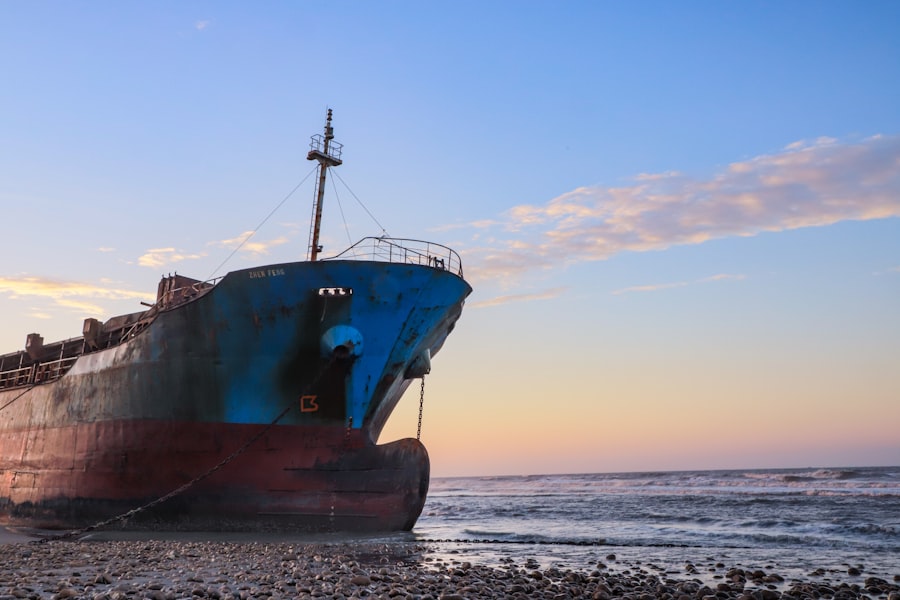
Intentional beaching is a meticulously planned operation, involving multiple phases and requiring constant vigilance. It is a ballet of engineering, seamanship, and environmental awareness.
Site Selection and Survey
The first and most crucial step is selecting the appropriate beaching site. This involves a comprehensive analysis of hydrographic charts, tidal predictions, and meteorological forecasts. The chosen location must have sufficient water depth at high tide to allow the vessel to reach it, but shallow enough at low tide to ensure a stable grounding. Environmental considerations, such as the presence of sensitive marine ecosystems or submerged archaeological sites, are also vital. Detailed surveys of the seabed are conducted to confirm its suitability.
Environmental Assessment and Mitigation
Before any grounding operation, a thorough environmental impact assessment is undertaken. This evaluates the potential risks to marine life, water quality, and the seabed itself. Mitigation strategies are developed to minimize these impacts. This can include measures to prevent the release of pollutants, such as oil and fuel, and techniques to limit sediment disturbance. In some cases, artificial reefs might be created from the grounded vessel, requiring specific planning to ensure their ecological benefit.
Vessel Preparation and Ballast Operations
Once a site is selected and approved, the vessel undergoes extensive preparation. This includes ensuring all watertight compartments are sealed, critical machinery is secured or removed, and any hazardous materials are safely contained. Ballast operations are meticulously planned and executed. This often involves pumping ballast water into specific tanks to achieve the desired trim and list (lateral inclination) for the grounding. The goal is to ensure the vessel settles evenly and in a controlled manner.
The Grounding Maneuver: A Delicate Dance
The actual grounding maneuver is a delicate dance between the vessel and the environment. It typically involves steering the ship towards the chosen site at a reduced speed, often relying on tug assistance for precise positioning. As the vessel approaches the shallow waters, ballast operations continue to fine-tune the trim and list. The grounding itself is usually timed with the tidal cycle, often aiming to reach the final resting position as the tide begins to ebb, thus ensuring a more stable grounding. Communication between the bridge, engine room, and any accompanying tugs is constant and critical.
Post-Grounding Procedures and Monitoring
Once the vessel is intentionally aground, a period of stabilization and monitoring follows. Engineers and surveyors assess the hull for any damage and ensure the vessel is resting securely. Continued monitoring of tidal changes and weather conditions is essential. Depending on the purpose of the grounding, subsequent operations – such as dismantling, refloating, or utilizing the vessel as a fixed structure – will commence.
Challenges and Risks Associated with Intentional Beaching
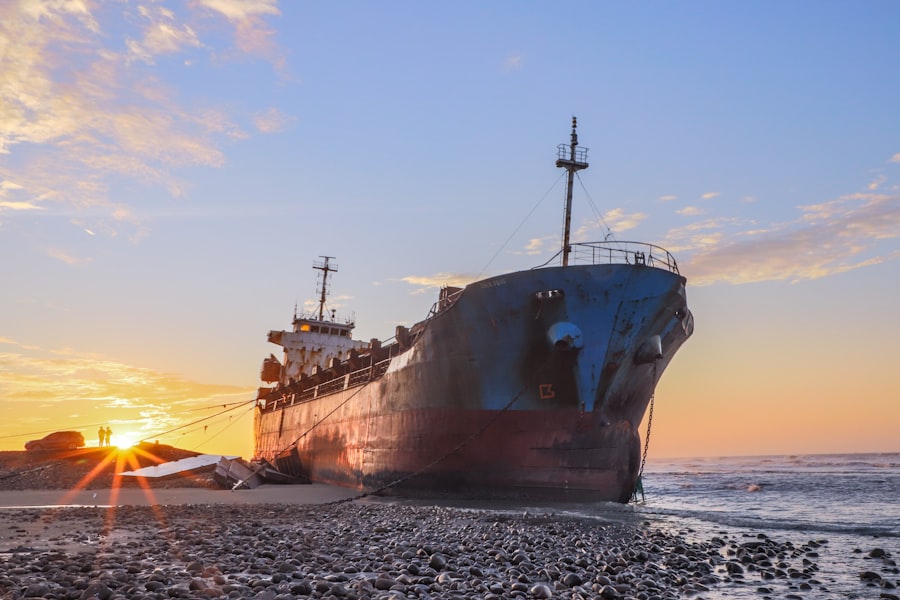
While intentional beaching is a controlled operation, it is not without its inherent challenges and risks. These can range from environmental hazards to the potential for catastrophic structural failure if not managed precisely.
Unforeseen Seabed Conditions
Despite thorough surveys, unforeseen seabed conditions can pose a significant threat. Hidden rocks, unstable soil layers, or buried debris can cause unexpected damage to the hull. The dynamic nature of the seabed, influenced by currents and tides, can also lead to shifts in the vessel’s position or an uneven distribution of stress.
Weather and Tidal Fluctuations
Rapidly changing weather conditions, particularly strong winds and high waves, can complicate the grounding maneuver and compromise the vessel’s stability once grounded. Unexpected tidal surges or drops can also impact the planned resting position and increase stress on the hull. Constant meteorological monitoring and contingency planning are crucial.
Structural Stress and Hull Integrity
The immense forces exerted on the hull during grounding can lead to structural fatigue and, in extreme cases, catastrophic failure. The distribution of stress is complex and depends on the hull shape, the seabed, and the vessel’s load. Careful calculations and continuous monitoring are vital to prevent buckling, tearing, or other forms of structural damage.
Environmental Contamination Risks
Despite best efforts, there is always a risk of accidental release of pollutants, such as oil, fuel, or other hazardous materials, during the grounding process or from the vessel itself once grounded. Proper containment procedures and emergency response plans are essential to mitigate these risks and minimize environmental damage.
Salvage and Refloating Complexities
If the intention is to eventually refloat the vessel, the challenges can be considerable. The grounding process itself might cause damage that complicates refloating. The seabed conditions can also make it difficult to re-establish buoyancy. In some cases, extensive repairs or specialized equipment may be required.
In recent years, the practice of intentionally beaching ships has garnered attention for its environmental and economic implications. This method is often employed to dismantle old vessels in a cost-effective manner, but it raises concerns about pollution and the impact on coastal ecosystems. For a deeper understanding of this controversial practice, you can read more in the article on beaching ships. The balance between economic benefits and environmental protection continues to be a topic of debate among industry experts and environmentalists alike.
The Diverse Applications of Intentional Ship Beaching
| Country | Number of intentional beachings | Reasons for intentional beachings |
|---|---|---|
| India | Approximately 1000 | Ship breaking for scrap metal |
| Bangladesh | Approximately 200 | Ship breaking for scrap metal |
| Pakistan | Approximately 50 | Ship breaking for scrap metal |
The deliberate grounding of ships serves a surprisingly wide array of purposes, showcasing its versatility and importance in various maritime sectors. From environmental initiatives to economic endeavors, controlled grounding offers unique solutions.
Shipbreaking and Decommissioning: An Economic Necessity
The most common and perhaps economically significant application of intentional beaching is in shipbreaking. Aging vessels, particularly large cargo ships, oil tankers, and cruise liners, are brought to specialized yards where they are intentionally beached. This allows for efficient and safe dismantling. The vessel is grounded on a prepared slipway or beach, allowing workers access to all parts of the hull for cutting and recycling. This method is crucial for managing the end-of-life cycle of the global fleet, recovering valuable materials, and preventing derelict vessels from becoming environmental hazards.
Artificial Reef Creation: Enhancing Marine Ecosystems
In a more environmentally conscious application, intentional beaching is sometimes used to create artificial reefs. Sunken ships, when properly prepared and placed, can provide habitat for a diverse range of marine life. They offer complex structures for fish to shelter, feed, and reproduce. This practice can help to restore degraded marine environments and support local fisheries. The selection of the site and the preparation of the vessel are crucial to ensure the reef is ecologically beneficial and poses no navigational hazard.
Submerged Structures and Engineering Projects
Beyond environmental applications, intentional beaching can be a critical step in various engineering projects. For instance, barges or specialized vessels may be intentionally grounded to form part of a breakwater, a submerged pipeline support, or the foundation for offshore structures. The precise placement of these vessels on the seabed allows for the creation of stable and robust engineering solutions in challenging marine environments.
Historical Preservation and Display
In rare instances, historically significant vessels might be intentionally beached for preservation and display purposes. This could involve grounding a vessel in shallow water to create a museum or a landmark. While less common, this application highlights the potential for controlled grounding to serve cultural and educational objectives, allowing public access to maritime heritage.
Emergency Response and Tactical Maneuvers
While less frequent in modern times due to advanced salvage capabilities, intentional beaching can still be a tactical maneuver in extreme emergencies. In situations where a vessel is mortally wounded and likely to sink, intentionally grounding it in shallow water might be the only option to prevent its complete loss and to potentially salvage parts or cargo. Historically, navies have also used intentionally grounded ships as defensive barriers or obstacles.
The Future of Intentional Ship Beaching: Innovation and Sustainability
The practice of intentional ship beaching is not static. Ongoing innovation and a growing emphasis on sustainability are shaping its future, leading to more refined techniques and broader applications.
Advanced Simulation and Modeling
The development of sophisticated computer simulations and 3D modeling allows for more accurate prediction of a vessel’s behavior during grounding. These tools can analyze hydrodynamics, structural loads, and seabed interactions with unprecedented precision, enabling more robust planning and risk assessment. This reduces the reliance on empirical data and allows for testing of various scenarios before execution.
Environmentally Friendly Shipbreaking Techniques
The shipbreaking industry is increasingly focused on environmentally responsible practices. This includes the development of cleaner beaching methods, improved containment of hazardous materials, and enhanced recycling processes. Innovations in cutting and dismantling technologies aim to minimize the environmental footprint of ship decommissioning.
Novel Applications in Offshore Engineering
As offshore industries expand, new applications for controlled grounding are emerging. This could involve the intentional grounding of components for subsea infrastructure, the creation of specialized foundations for floating structures, or the development of new methods for underwater construction. The precision offered by controlled grounding is invaluable in these complex endeavors.
The Role of Autonomous Systems and Robotics
The integration of autonomous systems and robotics could revolutionize intentional beaching operations. Unmanned vessels equipped with advanced sensors and control systems could be used for site surveys, precise positioning during grounding, and post-grounding inspections. This could enhance safety and efficiency, particularly in hazardous environments.
Ethical Considerations and Regulatory Frameworks
As the practice evolves, so too will the need for robust ethical considerations and regulatory frameworks. Ensuring that intentional beaching is conducted with the utmost regard for environmental protection, worker safety, and the responsible decommissioning of vessels will be paramount. Clear international guidelines and best practices will be essential for the continued responsible application of this specialized maritime art.

The Beaches Global Trade Can’t Afford to Lose
FAQs
1. What is intentional beaching of ships?
Intentional beaching of ships, also known as ship breaking, is the process of deliberately running a ship aground in order to dismantle and salvage its components.
2. Why are ships intentionally beached?
Ships are intentionally beached for the purpose of dismantling and recycling their materials, such as steel, copper, and other valuable components. This process allows for the reuse of materials and reduces the environmental impact of ship disposal.
3. Where does intentional beaching of ships commonly occur?
Intentional beaching of ships commonly occurs in ship breaking yards located in countries such as Bangladesh, India, Pakistan, and China, where labor and environmental regulations may be less stringent.
4. What are the environmental concerns associated with intentional beaching of ships?
Intentional beaching of ships can pose environmental concerns due to the release of hazardous materials, such as asbestos, lead, and oil, into the surrounding environment. Additionally, the beaching process can cause pollution and damage to coastal ecosystems.
5. What safety measures are in place for workers involved in intentional beaching of ships?
In some ship breaking yards, safety measures for workers may be inadequate, leading to hazardous working conditions. However, efforts are being made to improve safety standards and provide proper training and equipment for workers involved in ship breaking operations.