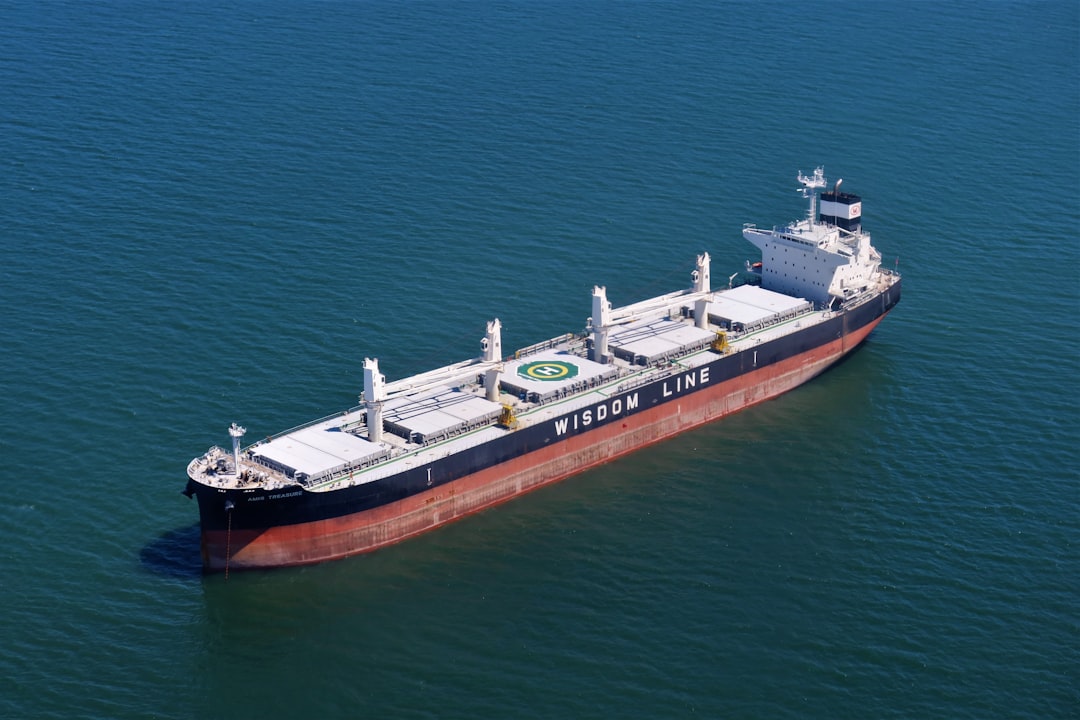
The rhythmic clang of hammers, the hiss of plasma torches, and the sheer scale of dismantled vessels define the shipbreaking yards. These industrial graveyards are where the monumental carcasses of retired ships come to meet their end, their valuable materials meticulously salvaged and their hulking forms reduced to scrap. Far from being a simple demolition process, shipbreaking is a complex operation involving a skilled workforce, intricate logistical challenges, and significant environmental considerations. Understanding the inner workings of these yards offers a fascinating glimpse into a vital, albeit often overlooked, sector of global industry.
Shipbreaking is a worldwide industry, with a concentration of operations in countries where labor costs are lower and environmental regulations, historically, have been less stringent. While the practice exists in various forms across continents, certain regions have become synonymous with large-scale ship recycling.
Key Geographical Hubs
- South Asia Dominance: The lion’s share of global shipbreaking occurs in the Indian subcontinent, specifically in India, Bangladesh, and Pakistan. These nations, with their vast coastlines and substantial labor pools, have become the primary destinations for end-of-life vessels. Each country possesses distinct characteristics in terms of operational scale, safety standards, and the types of vessels they process. For example, Alang in Gujarat, India, is renowned for its massive scale, accommodating hundreds of ships simultaneously. In contrast, Gadani in Pakistan has a reputation for handling exceptionally large vessels, including supertankers and aircraft carriers. Chittagong in Bangladesh, while smaller in scale than Alang, is a vital hub for the region, processing a significant volume of ships.
- Emerging and Declining Centers: While South Asia dominates, other regions have historically played a role and some are seeing a resurgence or a decline. Turkey, for instance, has a well-established shipbreaking industry, particularly for certain types of vessels and with a more regulated approach. European countries historically had more shipbreaking activities, but due to stricter environmental and safety regulations, coupled with higher labor costs, much of this has shifted to Asia. Some smaller operations can still be found in countries like the UK and Norway, often focusing on niche markets or decommissioned naval vessels, and adhering to much higher environmental and safety standards.
Economic Drivers of Shipbreaking
The economic rationale behind shipbreaking is multifaceted. It’s a crucial part of the circular economy, providing raw materials for new manufacturing and reducing the need for virgin resource extraction.
- Scrap Metal Value: The primary economic driver is the immense value of the scrap metal – primarily steel – that can be salvaged from a ship. A large vessel can yield tens of thousands of tons of steel, which is then melted down and repurposed for a wide range of products, from construction materials to new vehicles. Other valuable metals, such as copper from wiring and aluminum from internal structures, also contribute to the overall economic viability.
- Component Salvage: Beyond raw metal, many functional components of a ship can be salvaged and reused or resold. This includes engines, generators, navigation equipment, anchors, winches, furniture, and even plumbing fixtures. These parts often find a second life in smaller vessels, industrial machinery, or are exported to countries where new parts are prohibitively expensive.
- Labor-Intensive Nature: The labor-intensive nature of shipbreaking is both an economic benefit and a point of contention. While it provides employment for a vast number of workers, often in developing economies, it also contributes to the lower operational costs that make these locations attractive for shipowners looking to dispose of their vessels cheaply. The livelihoods of thousands of families are directly tied to the operation of these yards.
Shipbreaking yards play a crucial role in the recycling of decommissioned vessels, where ships are dismantled and their materials repurposed. The process involves several stages, including the careful removal of hazardous materials, cutting the ship into manageable sections, and sorting valuable metals and components for resale. For a deeper understanding of the intricacies involved in this industry, you can explore a related article that provides insights into the operational aspects of shipbreaking yards at this link.
The Journey of a Ship to the Yard
The process of a ship arriving at a breaking yard is a carefully orchestrated, albeit often lengthy, transition from active service to its final dismantling. This journey is fraught with administrative, logistical, and economic considerations.
Retirement and Sale
- End-of-Life Assessment: A vessel reaches its end-of-life for various reasons. It might be due to age and increasing maintenance costs, obsolescence of its design, or economic viability. A shipowner will conduct an assessment to determine if repairs are economically feasible or if it’s time for retirement. Sometimes, a ship might be decommissioned due to being seized or after a major accident, but the majority are sold for scrap by their owners.
- The Scrap Market and Brokers: The sale of a ship for breaking is typically handled through specialized shipbrokers who operate in the global scrap market. These brokers connect shipowners with shipbreaking yards, negotiating prices based on the ship’s size, tonnage, and the prevailing market rates for scrap metal. The price is often quoted in ‘Light Displacement Tonnage’ (LDT), which refers to the weight of the ship without cargo, fuel, or ballast.
- Flags of Convenience and Circumvention: Historically, many ships destined for breaking have sailed under “flags of convenience” – the flags of nations that offer tax advantages and less stringent regulations to shipowners. This practice, while legal, has often been criticized for enabling shipowners to avoid stricter environmental and safety standards in their home countries or in their traditional operating regions. This allows them to sell their vessels to yards where regulations are more relaxed.
Arrival and Beaching
- Navigating to the Yard: Once sold, the vessel is sailed, often by a skeleton crew, to its designated breaking yard. This final voyage can be long, depending on the ship’s last port of call and the location of the yard. The journey itself requires careful planning, including ensuring the vessel is seaworthy enough for the transit and obtaining necessary permissions.
- The Iconic Beaching Method: The most distinctive characteristic of many large shipbreaking yards, particularly in South Asia, is the practice of “beaching.” Vessels are steered directly onto the shore during high tide, often at a steep angle. The receding tide then leaves the ship firmly aground, allowing workers to access its hull more easily and begin the dismantling process from the bow. This method, while efficient for accessibility, also carries significant environmental risks if not managed properly.
- Preparation for Dismantling: Upon arrival and beaching, initial preparations are made. Any remaining hazardous materials, such as fuel, oil, and lubricants, are meticulously drained and removed. Tanks are cleaned, and any valuable cargo that might have remained is also salvaged. Safety protocols are reviewed, and the workforce is briefed on the specific tasks ahead.
The Dismantling Process: A Laborious Chore
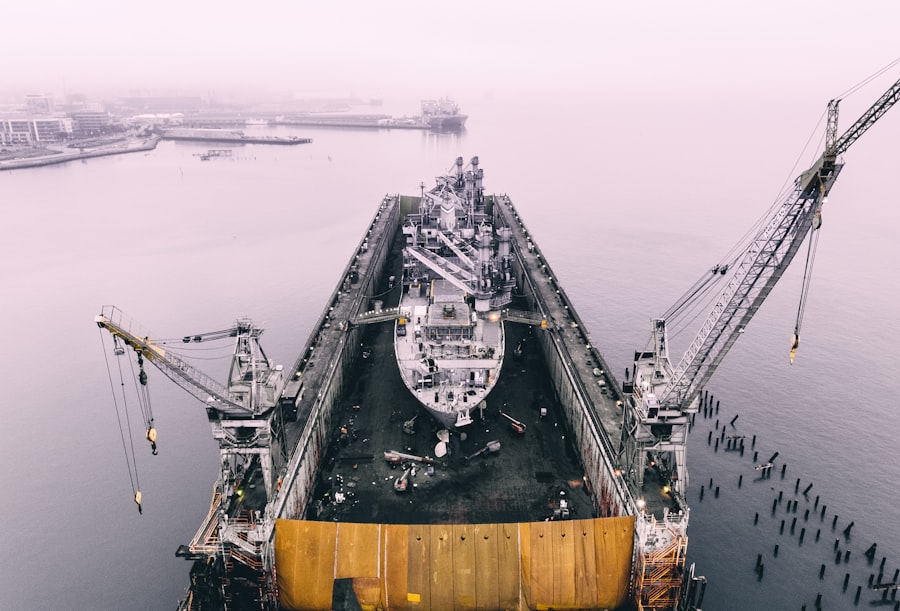
The actual process of breaking down a massive steel behemoth is an incredibly labor-intensive and often dangerous undertaking. It requires a combination of brute force, specialized tools, and an intimate understanding of the ship’s construction.
Initial Stripping and Hazardous Material Removal
- Internal Outfitting Removal: Before the primary steel structure is tackled, the interior of the ship is meticulously stripped. This involves removing all fixtures, furniture, wiring, plumbing, and any equipment that can be salvaged for resale or reuse. This is a crucial step in maximizing the economic return from the ship.
- Asbestos and Other Toxins: A significant challenge in shipbreaking is the presence of hazardous materials, most notably asbestos, which was widely used in insulation and fireproofing. Other hazardous substances include PCBs, lead-based paints, and residual chemicals. The safe removal and disposal of these materials are paramount to worker health and environmental protection. In well-regulated yards, this process is highly controlled, involving specialized teams and protective gear. However, in less regulated environments, this poses a significant health risk.
- Fuel and Oil Drainage: All remaining fuel, oil, and lubricants are carefully drained from the ship’s tanks and systems. These are often collected for recycling or safe disposal. Proper containment measures are essential to prevent spills that can contaminate the surrounding environment.
Cutting and Segmentation
- The Power of the Torch: The primary tool for dismantling a ship’s steel structure is the oxy-fuel cutting torch, often using acetylene or propane. Skilled workers, known as cutters, use these torches to slice through thick steel plates and beams. This is a visually dramatic and noisy process, with sparks flying and molten metal raining down.
- Plasma and Arc Cutting: In more modern and efficient yards, plasma cutting torches are also employed. These offer faster cutting speeds and cleaner cuts compared to traditional oxy-fuel methods. Arc gouging might also be used for removing welds.
- Sectional Dismantling: Ships are not simply cut randomly. The dismantling process is strategic, often working from the bow or stern inwards. Large sections of the hull and superstructure are cut into manageable pieces that can be easily transported to shore for further processing or direct loading onto barges. The order of dismantling is crucial for maintaining structural integrity during the initial stages and preventing uncontrolled collapses.
Material Sorting and Recycling
- Segregation of Metals: Once cut, the steel pieces are meticulously sorted. Ferrous metals (iron and steel) are the primary target, but non-ferrous metals like copper, aluminum, and brass are also separated. This segregation is essential for efficient recycling, as different metals have different melting points and processing requirements.
- Processing of Non-Metallic Materials: Non-metallic materials, such as wood from cabins and decks, plastics, and rubber, are also sorted. Wood can be repurposed or used as fuel, while plastics and rubber are often recycled where feasible or disposed of responsibly.
- Further Processing and Sale: The sorted materials are then prepared for sale. Steel is often cut into smaller, standardized sizes to facilitate transport and melting. Other salvaged components are cleaned, repaired if necessary, and sold to various markets. The ultimate goal is to divert as much material as possible from landfills and reintroduce it into the manufacturing cycle.
Worker Safety and Environmental Concerns
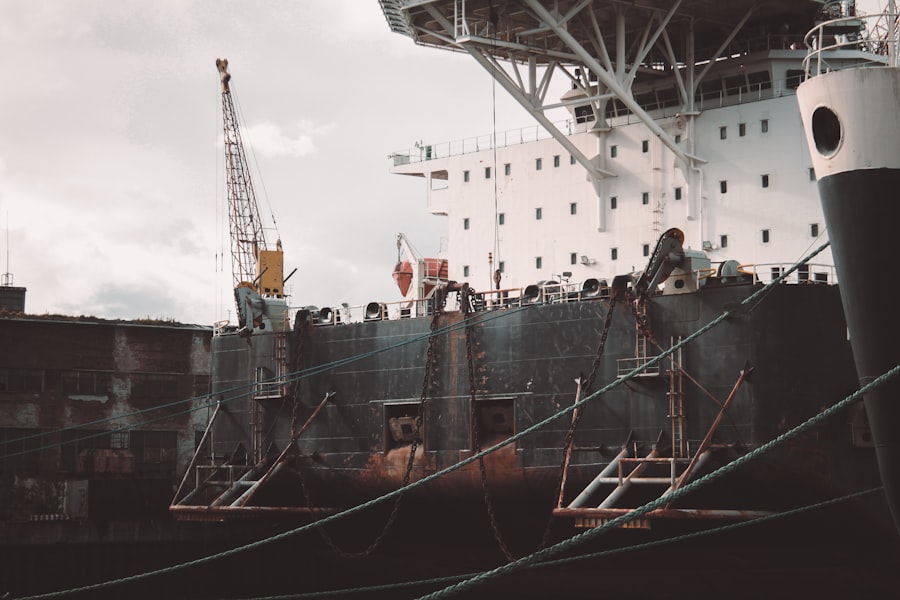
The shipbreaking industry, by its very nature, is fraught with inherent risks. Historically, it has been characterized by poor safety records and significant environmental pollution. However, in recent years, there has been a growing global push for improved standards.
Occupational Hazards
- Falls from Height: The sheer scale of the ships and the often precarious working conditions mean that falls from height are a major cause of injury and fatalities. Workers often operate on the exposed decks, within the confined spaces of the ship, or on makeshift scaffolding.
- Cuts and Burns: The extensive use of cutting torches, grinding equipment, and sharp metal edges presents a constant risk of cuts and burns. Without proper protective gear, even minor injuries can become severe.
- Toxic Exposure: As mentioned earlier, exposure to hazardous materials like asbestos, lead paint, and volatile organic compounds can lead to long-term health problems, including respiratory diseases and cancers. Inadequate ventilation and protective equipment exacerbate these risks.
- Explosion and Fire Risks: Residual fuel and flammable materials within the ship’s tanks and systems pose a significant risk of explosions and fires, particularly when hot cutting work is being performed.
Environmental Impact
- Pollution of Coastal Waters: Historically, shipbreaking yards have been notorious for their environmental impact. The practice of beaching ships directly on shore without proper containment measures has led to the leakage of oil, fuel, and other toxic substances into the marine environment, polluting coastal waters and harming marine life.
- Hazardous Waste Management: The improper disposal of hazardous waste, including asbestos, heavy metals, and contaminated sludge, has been a major environmental concern. In some yards, these materials have been dumped directly into the sea or left to contaminate the land.
- Air Pollution: The extensive use of cutting torches and other machinery releases particulate matter and harmful gases into the atmosphere, contributing to local air pollution.
- Noise Pollution: The constant hammering, cutting, and grinding generate significant noise pollution, affecting both the workers and the surrounding communities.
The Shift Towards Greener Practices
- The Hong Kong Convention: A significant step towards improving safety and environmental standards in shipbreaking is the International Maritime Organization’s (IMO) Hong Kong Convention for Safe and Environmentally Sound Recycling of Ships. This convention, when ratified and implemented, aims to ensure that ships are recycled in a safe and environmentally sound manner, without compromising the health of workers or the environment.
- Responsible Ship Recycling Standards: Many shipowners and operators are now opting for “green recycling” or “responsible ship recycling.” This involves choosing yards that adhere to strict international safety and environmental standards, often certified by third-party organizations. These yards invest in better safety equipment, worker training, hazardous material management, and pollution control measures.
- Technological Advancements: The adoption of newer technologies, such as advanced cutting equipment and improved waste management systems, is also contributing to a reduction in the environmental footprint of shipbreaking operations.
Shipbreaking yards play a crucial role in the recycling of old vessels, where ships are dismantled and their materials repurposed. The process involves a series of steps, including the careful removal of hazardous materials, cutting the ship into manageable sections, and sorting valuable metals for resale. For a deeper understanding of the environmental and economic implications of this industry, you can read a related article that explores the complexities of shipbreaking yards and their operations. Check it out here to learn more about this fascinating yet challenging field.
The Human Element: A Workforce of Skill and Resilience
| Process | Description |
|---|---|
| Reception of ships | Ships are brought to the yard and checked for hazardous materials. |
| Preparation | Removal of fuel, oil, and other hazardous materials from the ship. |
| Dismantling | Ship is cut into smaller sections using torches and heavy machinery. |
| Material separation | Various materials such as steel, copper, and aluminum are separated for recycling. |
| Waste disposal | Hazardous waste is disposed of properly, and non-hazardous waste is sent for recycling or disposal. |
| Environmental compliance | Yards must comply with environmental regulations and standards during the entire process. |
Behind the immense scale and industrial might of shipbreaking yards lies a workforce comprised of individuals who perform incredibly demanding and often dangerous tasks. Their lives, skills, and resilience are central to the functioning of this industry.
The Shipbreakers
- Skilled Laborers: Despite the seemingly brute-force nature of the work, shipbreaking requires a surprising degree of skill. Welders, cutters, riggers, and general laborers all develop specialized expertise through years of experience. The ability to accurately cut through thick steel, safely maneuver heavy components, and work efficiently in challenging conditions are highly valued.
- Apprenticeship and Traditional Knowledge: Many workers learn their trade through informal apprenticeship, where experienced shipbreakers pass down their knowledge and techniques to younger generations. This traditional method of knowledge transfer has been a cornerstone of the industry for decades.
- The “Beacher” Community: In some regions, shipbreaking has created entire communities whose livelihoods are directly dependent on the yards. Families often rely on the income generated by multiple members working within the industry. This creates a strong sense of community, but also highlights the vulnerability of these populations to economic downturns in the industry or changes in operational practices.
Challenges and Exploitation
- Low Wages and Precarious Employment: While the industry provides employment, wages are often low, especially in less regulated yards. Workers may also face precarious employment, with contracts being short-term and subject to the unpredictable arrival of ships.
- Lack of Social Security and Benefits: Many shipbreakers, particularly in developing countries, lack access to adequate social security, healthcare, or pension benefits, leaving them vulnerable in case of injury or retirement.
- Child Labor and Forced Labor: Regrettably, instances of child labor and forced labor have been reported in some shipbreaking yards, a stark reminder of the need for continued vigilance and stricter enforcement of labor laws.
Towards Fairer Practices
- Unionization and Advocacy: In some regions, efforts are underway by labor unions and non-governmental organizations to advocate for better wages, improved working conditions, and greater social protections for shipbreakers.
- Worker Training and Empowerment: Investing in comprehensive training programs that prioritize safety, health, and skill development can empower workers and improve their overall well-being. Providing access to protective equipment and ensuring its proper use is also crucial.
- Corporate Social Responsibility: As shipowners increasingly demand responsible recycling, yards that prioritize worker welfare and fair labor practices are likely to gain a competitive advantage. This can drive a positive shift in the industry’s human element.
The Future of Shipbreaking: Sustainability and Innovation
The shipbreaking industry is at a crossroads. The historical legacy of environmental damage and worker exploitation is being challenged by a growing demand for sustainable and ethical practices. The future of shipbreaking lies in embracing innovation and a commitment to responsible operations.
Technological Advancements in Recycling
- Automated Cutting and Demolition: The development of robotic cutting systems and automated demolition equipment holds the promise of significantly reducing the risks to human workers. These technologies can perform tasks in hazardous environments and with greater precision.
- Advanced Material Identification and Separation: Future yards may employ sophisticated scanning and sorting technologies to identify and separate materials more efficiently, further optimizing the recycling process and minimizing waste.
- On-Site Processing and Energy Recovery: Innovations in on-site material processing, such as mobile melting facilities or technologies that capture energy from the dismantling process, could reduce the environmental footprint and enhance economic efficiency.
The Circular Economy and Ship Design
- Design for Disassembly: A paradigm shift in ship design is emerging, with a focus on “design for disassembly.” This involves building ships with materials and construction methods that facilitate easier and safer dismantling at the end of their life cycle.
- Extended Ship Lifespan: Through advanced maintenance, retrofitting, and the development of more durable materials, the lifespan of ships could be extended, reducing the frequency of breaking and its associated environmental impact.
- New Applications for Recycled Materials: Ongoing research into new applications for recycled ship materials, beyond traditional steel production, could further enhance the economic viability and environmental benefits of shipbreaking. This could include using recycled metals in advanced manufacturing or creating novel construction materials.
The Evolving Regulatory Landscape
- Global Enforcement of Conventions: The effective ratification and enforcement of international conventions like the Hong Kong Convention will be crucial in leveling the playing field and ensuring that all shipbreaking operations adhere to minimum safety and environmental standards.
- Stricter National Regulations: Individual nations will likely continue to implement and strengthen their own regulations governing shipbreaking, including stricter environmental permits, labor laws, and safety inspections.
- Market-Driven Sustainability: The increasing demand from consumers and stakeholders for ethically sourced and environmentally friendly products will put pressure on shipowners and operators to choose responsible ship recycling options, driving market forces towards sustainability.
The operations of shipbreaking yards are a complex tapestry woven from economic necessity, technological application, human endeavor, and environmental responsibility. As the global maritime industry continues to evolve, so too will the methods and ethics of ship recycling, striving towards a future where these industrial graveyards become models of sustainable resource management and dignified labor.

The Beaches Global Trade Can’t Afford to Lose
FAQs
What is shipbreaking?
Shipbreaking is the process of dismantling old, decommissioned ships in order to recover valuable materials such as steel, copper, and other metals for recycling.
How do shipbreaking yards operate?
Shipbreaking yards typically operate by beaching the ship on a tidal mudflat or using a dry dock to dismantle the ship. Workers use various cutting tools and machinery to break down the ship into smaller pieces for recycling.
What are the environmental and safety concerns associated with shipbreaking yards?
Shipbreaking yards are often associated with environmental pollution and safety hazards due to the release of toxic materials such as asbestos, lead, and oil into the surrounding environment. Workers also face risks of accidents and injuries during the dismantling process.
Where are shipbreaking yards commonly located?
Shipbreaking yards are commonly located in developing countries such as India, Bangladesh, and Pakistan, where labor and environmental regulations may be less stringent, making it cheaper to operate.
What happens to the materials recovered from shipbreaking yards?
The materials recovered from shipbreaking yards, such as steel, copper, and other metals, are typically sold to recycling companies for processing and reuse in various industries.