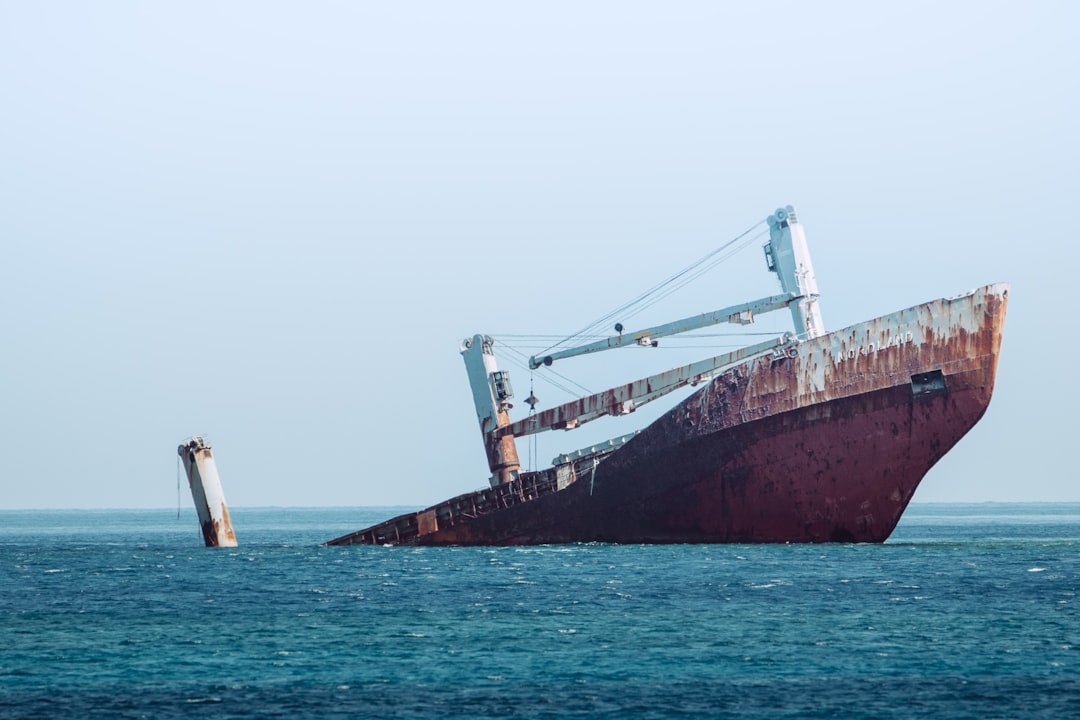
The relentless rhythm of the ocean, once a symbol of adventure and global connection, ends its journey in a stark, often dangerous landscape: the shipbreaking yard. Here, colossal vessels, their hulls scarred by years of service, are systematically dismantled, their metal bones laid bare under the harsh sun. This is a world of immense scale, immense risk, and immense human effort, a complex and often brutal process that fuels the global demand for steel and other raw materials. Workers, armed with little more than basic tools and sheer grit, navigate this hazardous environment, transforming the floating giants of the sea into mountains of scrap.
The practice of shipbreaking is intrinsically linked to the global maritime trade and the lifecycle of vessels. As ships age, their operational costs rise, and they become economically unviable to maintain. This is when they are retired and sent to specialized yards, primarily in developing nations, for dismantling. These regions offer a unique combination of factors that make them prime destinations for this industry.
Why Developing Nations Dominate the Scene
The concentration of shipbreaking operations in countries like India, Bangladesh, Pakistan, and Turkey is not arbitrary. Several key economic and logistical drivers contribute to this phenomenon.
Lower Labor Costs and Regulations
One of the most significant factors is the availability of a large and relatively inexpensive labor force. In many of these nations, unemployment rates are high, and the wages offered in shipbreaking, while low by Western standards, can represent a significant income for workers and their families. Furthermore, environmental and safety regulations are often less stringent or less rigorously enforced compared to developed countries, leading to lower operational costs for shipbreaking companies. This economic advantage allows them to offer competitive prices for end-of-life vessels.
Proximity to Major Shipping Routes
Many of these shipbreaking hubs are strategically located along major international shipping lanes. This proximity reduces the cost and complexity of transporting decommissioned vessels to their final destination. Ships can be sailed directly to the yards, eliminating the need for costly towing or transshipment, further enhancing the economic viability of the operation.
Access to Raw Materials and Markets
The dismantled ships yield vast quantities of valuable raw materials, primarily steel, but also non-ferrous metals, wood, and other components. The local and regional demand for these recycled materials is often substantial, providing a ready market for the output of the shipbreaking yards. This creates a circular economy within these regions, where waste from one industry becomes the feedstock for another.
The Beaches of Dismantling: A Unique Approach
A defining characteristic of shipbreaking in many of these developing nations is the “beaching” method. This involves deliberately grounding large ships onto sandy or muddy beaches at high tide, allowing them to settle into the seabed as the tide recedes. This simple yet effective technique provides a stable platform for workers to begin the arduous task of dismantling.
The Mechanics of Beaching
- High Tide Arrival: Vessels are guided by tugs to the designated beaching area during the highest tides. The goal is to get the ship as far ashore as possible.
- Sinking into the Mud: As the tide recedes, the ship’s hull settles into the soft seabed, creating a secure and immobile base for the dismantling operations. The mud and sand act as natural anchors, preventing the vessel from shifting.
- Worker Access: This method provides relatively easy access to the ship’s exterior and lower sections for the initial stages of cutting and demolition.
Shipbreaking workers play a crucial role in dismantling decommissioned vessels, often facing hazardous conditions and health risks in the process. For a deeper understanding of the challenges and practices involved in this industry, you can read a related article that explores the intricacies of shipbreaking and its impact on both workers and the environment. To learn more, visit this article.
The Process of Dismantling: From Hull to Scrap Metal
The transformation of a colossal ship into mountains of scrap metal is a methodical, albeit dangerous, process. It begins with the removal of hazardous materials and progresses through a series of cutting, dismantling, and sorting stages. The sheer scale of the operation requires a highly organized approach.
Initial Preparations and Safety Measures (or Lack Thereof)
Before any significant dismantling can begin, the ship must be made as safe as possible. This involves identifying and removing hazardous substances. However, in many yards, these crucial initial steps are either poorly executed or entirely bypassed, setting the stage for further risks.
Removal of Hazardous Materials
- Fuel and Oil Drainage: Any remaining fuel, oil, or lubricants are drained from the tanks. This is a critical step to prevent spills and fires, but the process can be fraught with danger if not done meticulously.
- Asbestos and Paint Removal: Older ships often contain asbestos, a known carcinogen, in insulation and other materials. Toxic paints and coatings also pose health risks. Proper removal requires specialized equipment and trained personnel, which are often lacking.
- Chemicals and Other Toxins: Various other chemicals, coolants, and cleaning agents may be present. Their identification and safe disposal are essential, but often overlooked.
The Importance of Proper Decommissioning
A truly safe dismantling process begins long before the ship reaches the breaking yard. Proper decommissioning at its last port of call, including thorough cleaning and removal of hazardous materials, would significantly reduce the risks faced by shipbreaking workers. However, the economic pressures often lead to shortcuts being taken at every stage of the ship’s life, including its final one.
The Cutting and Demolition Phase: Where Steel Meets the Torch
This is the most visible and often the most dangerous part of the shipbreaking process. Workers, known as “cutters,” use powerful tools to systematically break down the ship’s structure.
The Mighty Cutting Torch
- Oxy-Acetylene Torches: The primary tool used is the oxy-acetylene cutting torch. This tool generates an intensely hot flame capable of melting and cutting through thick steel plates. Workers manipulate these torches with precision, slicing through bulkheads, decks, and hull sections.
- The Sound and Fury: The roar of the torches, the hiss of oxygen, and the shower of sparks create a cacophony that fills the air. The heat generated is immense, requiring workers to wear protective clothing.
Structural Dismantling: A Top-Down Approach
The dismantling typically begins from the top of the ship and works its way down. This staged approach helps to maintain structural integrity for as long as possible, preventing sudden collapses.
Working from the Superstructure Down
- Removing Deckhouses and Superstructures: The smaller structures on the upper decks, such as the bridge, cabins, and galleys, are dismantled first.
- Cutting Through Decks: Workers then move to the main decks, systematically cutting through the steel plates.
- Deconstructing the Hull: The most challenging and dangerous part involves cutting through the massive hull sections. This often requires working at extreme heights or in confined spaces.
The Perils of Working at Heights and in Confined Spaces
The sheer scale of the ships means that workers are constantly exposed to the risk of falls. Additionally, many parts of a ship are enclosed spaces, such as fuel tanks and cargo holds, which can be dangerous due to the presence of flammable gases or oxygen deprivation.
Fall Hazards
- Unsecured Walkways: In many yards, temporary walkways and scaffolding are erected, often without adequate safety railings or securing measures.
- Slippery Surfaces: Oil, grease, and water can make surfaces incredibly slippery, increasing the risk of accidental falls.
- Working Over the Water: When parts of the ship are still floating, falls can have fatal consequences.
Confined Space Dangers
- Atmospheric Hazards: Tanks and holds can accumulate flammable gases or lack sufficient oxygen, leading to explosions or asphyxiation.
- Entrapment: The narrow passages and complex internal structures can lead to workers becoming trapped.
- Poor Ventilation: Inadequate ventilation systems exacerbate the risks of both atmospheric hazards and the buildup of toxic fumes from cutting.
The Human Element: The Lives and Livelihoods of Shipbreakers
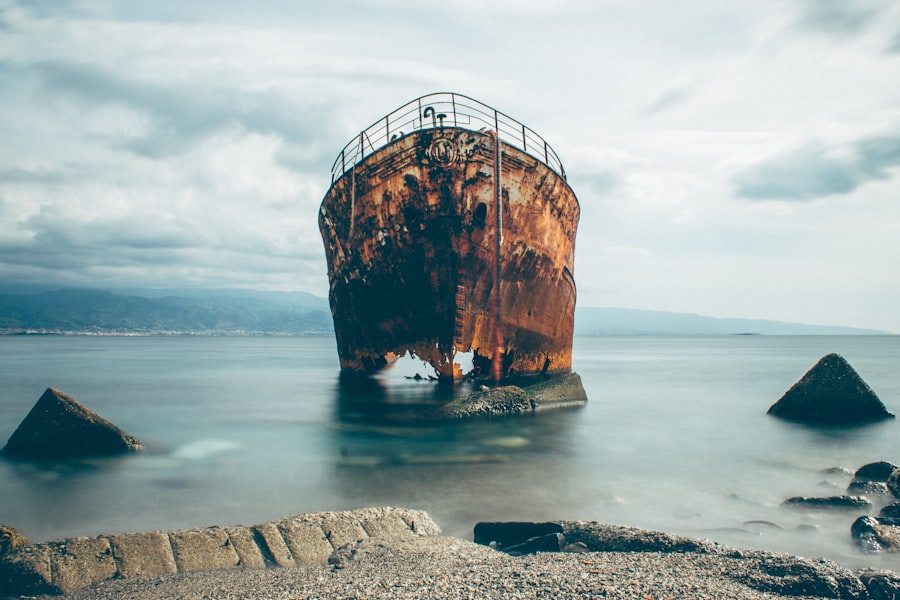
Behind the towering hulls and the deafening roar of machinery are the thousands of men and, increasingly, women who undertake this physically demanding and perilous work. Their lives are intrinsically linked to the rhythm of the shipbreaking industry, a reality shaped by both necessity and a lack of viable alternatives.
The Workforce: A Global Pool of Labor
The shipbreaking yards attract a diverse workforce, often drawn from rural areas or facing economic hardship. Their skills are honed through experience rather than formal training.
From Rural Villages to the Docks
- Economic Migration: Many workers migrate from rural villages in search of employment opportunities in urban industrial areas. Shipbreaking offers a chance to earn a living, however precarious.
- Informal Labor Markets: The industry often relies on informal labor markets, where workers are hired on a daily or project basis, without formal contracts or benefits.
Skills Developed Through Experience
- Apprenticeship by Doing: Many workers learn their trade through observation and on-the-job training, gradually developing the necessary skills to operate tools and navigate the complex ship structures.
- Master Craftsmen: Over time, some workers become highly skilled in specific aspects of dismantling, earning respect for their expertise.
The Dangers They Face Daily: A Reality of Injury and Death
The human cost of shipbreaking is undeniably high. Accidents are frequent, and the long-term health consequences of exposure to hazardous materials are often overlooked.
Immediate Threats to Life and Limb
- Explosions and Fires: The presence of residual fuel, oil, and flammable gases makes explosions and fires a constant threat.
- Structural Collapses: As sections of the ship are cut away, the remaining structure can become unstable, leading to sudden and devastating collapses.
- Falling Debris: Heavy pieces of metal and equipment can fall from height, posing a serious risk to workers below.
- Cuts and Lacerations: The sharp edges of metal and the use of cutting tools inevitably lead to frequent cuts and lacerations.
Long-Term Health Impacts
- Asbestos Exposure: The inhalation of asbestos fibers can lead to serious and fatal diseases such as mesothelioma and asbestosis, often manifesting decades after exposure.
- Respiratory Illnesses: Constant exposure to dust, fumes, and toxic chemicals can lead to chronic bronchitis, emphysema, and other respiratory problems.
- Heavy Metal Poisoning: Workers can be exposed to heavy metals like lead and mercury from paints and other ship components, leading to neurological damage and other health issues.
- Noise-Induced Hearing Loss: The relentless noise of machinery and cutting operations can cause permanent hearing damage.
The Fight for Rights and Better Conditions
Despite the inherent dangers and the often-exploitative nature of the industry, there are ongoing efforts to improve the working conditions and protect the rights of shipbreakers.
Unionization and Advocacy
- Worker Collectives: In some regions, workers have attempted to form unions or worker collectives to collectively bargain for better wages, safety equipment, and working conditions.
- International Pressure: Non-governmental organizations (NGOs) and international labor organizations advocate for stricter regulations and the adoption of international conventions like the Hong Kong Convention, which aims to ensure that ships are dismantled in a safe and environmentally sound manner.
The Role of Ethical Sourcing
- Responsible Shipowners: A growing awareness among some shipowners about the ethical implications of their vessels’ end-of-life disposal is leading to a demand for greener and safer dismantling practices.
- Consumer Awareness: Increased consumer awareness about the provenance of products and the conditions under which they are manufactured can indirectly influence the demand for ethically sourced materials.
Environmental Consequences: A Shadow Over the Industry

While the primary focus is often on the human toll, the environmental impact of shipbreaking is equally significant and often devastating. The dismantling of these massive steel behemoths releases a cocktail of hazardous substances into the surrounding environment, leaving a lasting scar.
Pollution and Contamination
The methods employed in many shipbreaking yards, particularly the beaching approach, have profound environmental consequences. The direct contact of the ship with the intertidal zone and the lack of proper waste management lead to widespread contamination.
Water and Soil Contamination
- Oil and Fuel Spills: During the draining and dismantling process, residual oil, fuel, and lubricants invariably leak into the sand and water, polluting the marine ecosystem.
- Heavy Metal Leaching: Paints, anti-fouling agents, and other materials containing heavy metals can leach into the soil and water, contaminating the local environment.
- Chemical Runoff: Various chemicals used in the ship’s operation and maintenance can also contribute to soil and water pollution.
Air Pollution
- Emissions from Cutting: The widespread use of oxy-acetylene torches releases fumes and particulate matter into the atmosphere, contributing to air pollution.
- Burning of Waste: In some yards, waste materials are burned, releasing toxic smoke and further polluting the air.
Impact on Marine Life and Coastal Ecosystems
The shipbreaking yards, often situated in ecologically sensitive coastal areas, exert a significant and detrimental impact on marine life and the delicate balance of coastal ecosystems.
Destruction of Habitats
- Physical Disruption: The grounding of large ships and the constant activity of dismantling can physically disrupt and destroy intertidal habitats, affecting the organisms that depend on them.
- Sedimentation: The disturbance of the seabed and the release of debris can lead to increased sedimentation, smothering marine life.
Toxicity to Marine Organisms
- Ingestion of Pollutants: Marine animals can ingest contaminated sediment and water, leading to poisoning and reproductive issues.
- Bioaccumulation: Toxins can accumulate in the food chain, with apex predators, including humans who consume seafood from these areas, facing the highest risks.
Waste Management and Recycling Challenges
The sheer volume of materials generated by shipbreaking presents significant waste management challenges. While the primary goal is recycling, the process is often inefficient and contributes to pollution.
Segregation and Disposal Issues
- Inadequate Sorting: The effective segregation of different types of waste, especially hazardous materials, is often lacking, leading to contamination of recyclable materials.
- Landfill and Dumping: Non-recyclable waste and hazardous materials are often dumped in uncontrolled landfills or directly into the environment, exacerbating pollution.
The Promise of Green Shipbreaking
The concept of “green shipbreaking” is gaining traction, advocating for practices that minimize environmental harm and protect worker safety. This includes dry-dock dismantling, rigorous hazardous material removal, and comprehensive waste management systems. However, the economic incentives often favor the traditional, less regulated methods.
Shipbreaking workers face numerous challenges as they dismantle massive vessels, often in hazardous conditions that put their health and safety at risk. The process involves not only the physical labor of tearing apart the ships but also managing the toxic materials that may be present. For a deeper understanding of the complexities involved in this industry, you can read more about the environmental and social implications in this insightful article on shipbreaking practices. Exploring these issues sheds light on the lives of those who work in this demanding field and the regulations that govern it. For more information, check out this article on shipbreaking workers.
Towards a Safer and More Sustainable Future: The Quest for Change
| Aspect | Details |
|---|---|
| Number of workers | Thousands of workers are employed in shipbreaking yards worldwide. |
| Working conditions | Workers often face hazardous working conditions, including exposure to toxic materials and risk of accidents. |
| Dismantling process | Shipbreaking workers use manual labor and basic tools to dismantle ships, including cutting and breaking down materials. |
| Environmental impact | The shipbreaking process can have significant environmental impact, including pollution and damage to marine ecosystems. |
The dangerous realities of shipbreaking have not gone unnoticed. A growing global consciousness and the persistent efforts of activists, international organizations, and some forward-thinking industry players are pushing for a fundamental shift in how end-of-life ships are handled. The goal is to move away from the current model, which often prioritizes profit over people and the planet.
International Regulations and Conventions
The international community has recognized the need for global standards to govern ship recycling, aiming to prevent the dumping of unsafe vessels on developing nations and to ensure responsible practices.
The Hong Kong Convention: A Beacon of Hope
- Safe and Environmentally Sound Recycling: The International Maritime Organization’s (IMO) Hong Kong International Convention for the Safe and Environmentally Sound Recycling of Ships aims to set a global standard for ship recycling.
- Ship Recycling Plans: It mandates that ships are recycled in a way that does not compromise human health or safety or cause undue harm to the environment. It requires the development of Ship Recycling Plans for every ship.
- Challenges to Ratification and Implementation: Despite its aims, the convention has faced challenges in ratification and consistent implementation across all maritime nations, with economic considerations often hindering full adoption.
Other International Agreements and Guidelines
- Basel Convention: This convention controls the transboundary movement of hazardous wastes and their disposal, which can apply to ships being sent for breaking.
- EU Ship Recycling Regulation: The European Union has its own stringent regulations for ship recycling, requiring ships flying the flag of an EU member state to be recycled at facilities that comply with specific safety and environmental standards.
The Rise of Green Shipbreaking Technologies and Practices
Innovative approaches are emerging that seek to mitigate the risks and environmental damage associated with traditional shipbreaking methods. These initiatives offer a glimpse into a more sustainable future for the industry.
Dry-Dock Dismantling vs. Beaching
- Controlled Environment: Dry-dock dismantling involves lifting the ship out of the water and onto a dry dock, providing a more controlled environment for dismantling. This reduces the risk of spills into the sea and allows for better containment of debris.
- Reduced Environmental Footprint: While more expensive, dry-docking offers significantly better environmental protection and worker safety compared to beaching.
Advanced Hazardous Material Removal Techniques
- Pre-Cleaning and Decontamination: Implementing comprehensive pre-cleaning and decontamination procedures before the ship arrives at the yard, or at specialized facilities, significantly reduces the presence of hazardous materials.
- Specialized Equipment and Training: Investing in specialized equipment and training for the safe removal and disposal of asbestos, PCBs, and other toxic substances is crucial.
The Role of Responsible Stakeholders
The transformation of shipbreaking requires a concerted effort from all parties involved in the maritime industry, from shipowners and shipyards to governments and consumers.
Shipowner Responsibility
- Ethical Ship Retirement: Shipowners have a moral and increasingly legal obligation to ensure their vessels are retired responsibly, choosing yards that adhere to high safety and environmental standards.
- Investing in Green Solutions: Supporting and investing in green shipbreaking initiatives, even if it incurs higher initial costs, contributes to a more sustainable industry.
Government Oversight and Enforcement
- Robust Regulations: Governments in both exporting and importing countries need to enact and rigorously enforce strict regulations governing shipbreaking.
- International Cooperation: Enhanced international cooperation is essential to ensure that standards are applied globally and to prevent the circumvention of regulations.
Consumer Power and Awareness
- Informed Choices: Consumers can indirectly influence the industry by supporting companies that demonstrate a commitment to ethical and sustainable practices throughout their supply chains.
- Advocacy and Support: Supporting organizations that advocate for better working conditions and environmental protection in shipbreaking can contribute to positive change.
The dangerous world of shipbreaking is a stark reminder of the complex global systems that underpin our modern lives. While the dismantling of ships is a necessary part of the maritime cycle, the human and environmental costs have been too high for too long. The path forward lies in a collective commitment to adopting safer, more sustainable practices, ensuring that the end of a ship’s journey is not a tragedy, but a responsible and environmentally conscious transition.

The Beaches Global Trade Can’t Afford to Lose
FAQs
What is shipbreaking?
Shipbreaking is the process of dismantling old, decommissioned ships in order to recover valuable materials such as steel, copper, and aluminum for recycling.
Where does shipbreaking take place?
Shipbreaking yards are typically located in developing countries, where labor and environmental regulations are less strict. Some of the major shipbreaking yards are located in Bangladesh, India, and Pakistan.
What are the working conditions like for shipbreaking workers?
Shipbreaking workers often face hazardous working conditions, including exposure to toxic materials, heavy machinery, and unsafe working environments. Accidents and injuries are common in shipbreaking yards.
How are ships dismantled during the shipbreaking process?
The shipbreaking process involves cutting the ship into smaller sections using heavy machinery and blowtorches. These sections are then further dismantled to recover valuable materials for recycling.
What are the environmental concerns associated with shipbreaking?
Shipbreaking can have significant environmental impacts, including pollution of the surrounding air, soil, and water with toxic materials such as asbestos, lead, and oil. Improper disposal of these materials can also harm local ecosystems and communities.