The vast, metallic carcasses of decommissioned vessels, once symbols of global trade and human endeavor, embark on a final, transformative journey in the world of ship recycling. Far from a simple act of destruction, ship recycling is a complex, multi-faceted industry that salvages valuable materials, manages hazardous waste, and provides livelihoods for thousands. It is a process honed by decades of practice, driven by economic necessity and increasingly, by environmental responsibility. This exploration delves into the intricate workings of ship recycling, revealing the stages, challenges, and innovations that define this essential, albeit often unseen, global enterprise.
The decision to retire a ship marks the beginning of a rigorous decommissioning process. This is not a spontaneous event; rather, it is the culmination of a vessel’s operational lifespan, often spanning 20 to 30 years. Factors influencing this decision are varied, encompassing economic viability, regulatory compliance, safety concerns, and technological obsolescence. As the demand for newer, more efficient vessels grows, older ships become less competitive, their maintenance costs rise, and their environmental performance may fall short of contemporary standards.
Assessing the Vessel’s Future: A Preliminary Evaluation
Before a ship even reaches the recycling yard, a preliminary assessment takes place. This involves a thorough inspection of the vessel’s condition, its size, and the types of materials it contains. Ship owners, in conjunction with recycling yards, will evaluate the potential value of the salvaged metals, the presence and extent of hazardous materials, and the overall feasibility of the recycling operation. This initial assessment helps determine which recycling yards are best equipped to handle the specific vessel and provides a rough estimate of the economic return. The type of vessel – be it a container ship, tanker, bulk carrier, or offshore structure – also dictates specific recycling considerations, particularly concerning the handling of cargo holds and specialized equipment.
Navigating the Regulatory Landscape: Compliance and Certification
The ship recycling industry is heavily regulated, a response to historical incidents of poor working conditions and environmental damage. International conventions, such as the Hong Kong International Convention for the Safe and Environmentally Sound Recycling of Ships (HKC), and regional regulations set stringent standards for the safe and environmentally sound dismantling of vessels. Yards that wish to operate legally and ethically must obtain certifications demonstrating their compliance with these regulations. This involves rigorous audits of their facilities, safety protocols, waste management procedures, and labor practices. Obtaining these certifications is a significant undertaking, requiring substantial investment in infrastructure and training, but it is crucial for attracting responsible ship owners and ensuring ethical operations.
Securing the Vessel: Immobilization and Preparation for Towage
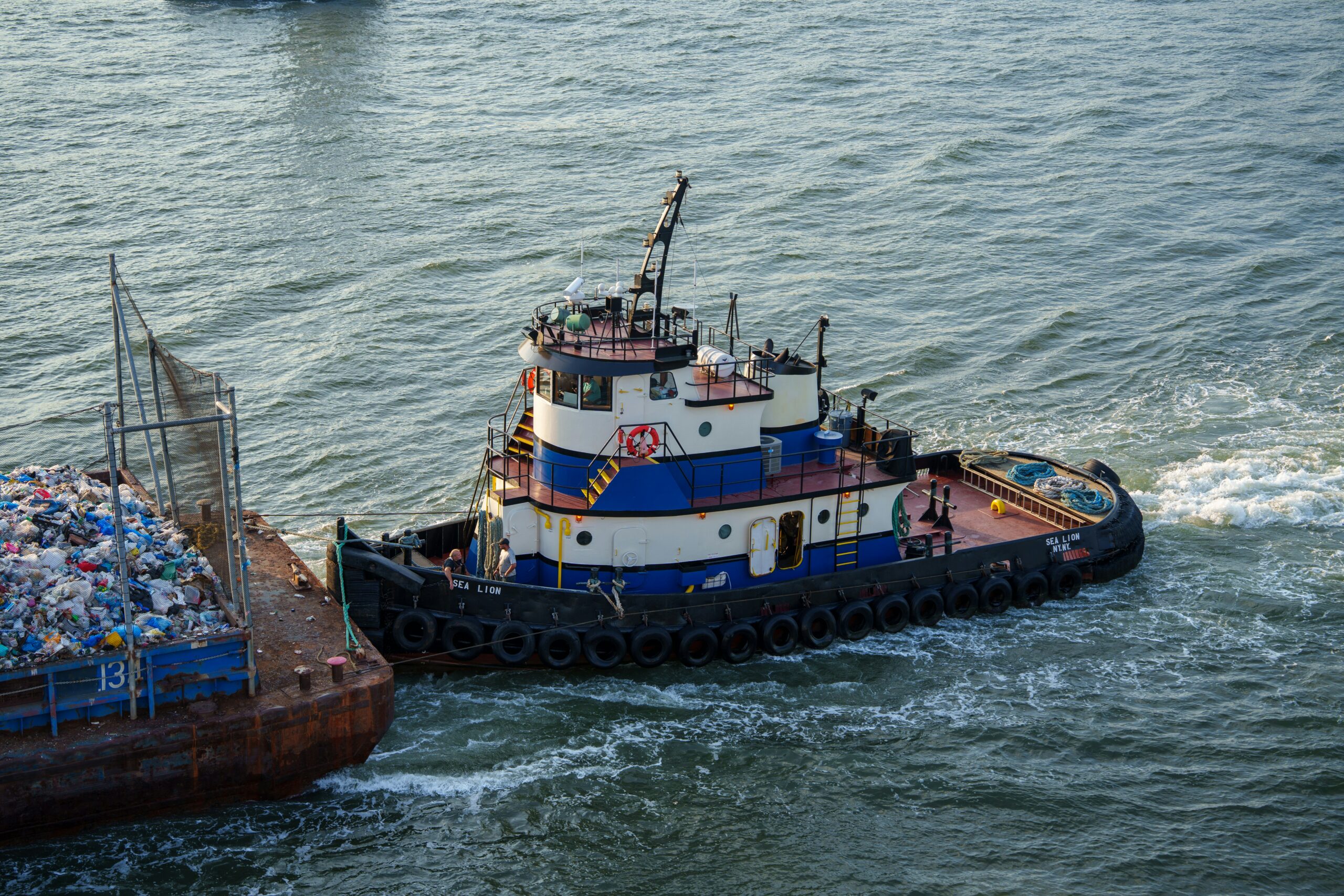
Once the decision to recycle is made and the preliminary assessments are complete, the ship is prepared for its final voyage to the recycling yard. This involves a series of crucial steps to ensure its safe transit. All operational systems are shut down, and the vessel is made immobile. This might involve securing propellers, disengaging engines, and draining fuel and ballast tanks. In some cases, the ship may be partially de-masted or have certain superstructures removed to facilitate towing. The vessel is then typically towed by specialized tugs, a process that can take weeks or months depending on the distance and prevailing weather conditions. The route taken is carefully planned to avoid sensitive marine environments.
Ship recycling is a critical process that involves the dismantling of decommissioned vessels in an environmentally responsible manner. For a deeper understanding of the intricacies involved in ship recycling, you can explore a related article that provides insights into the methods and regulations governing this industry. To learn more, visit this informative article that delves into the various aspects of ship recycling and its impact on sustainability.
Arrival at the Yard: The Gateway to Transformation
The arrival of a decommissioned vessel at a ship recycling facility marks a pivotal moment. These yards, often located in coastal regions with access to deep water and ample space, are industrial hubs designed for the monumental task of dismantling massive steel structures. The sheer scale of the ships necessitates specialized infrastructure and logistical planning.
Beaching or Docking: Initial Placement for Dismantling
Upon arrival, the vessel is typically maneuvered into position for dismantling. The two primary methods employed are beaching and dry-docking.
Beaching: The Traditional and Widely Used Method
Beaching involves grounding the ship on a prepared shore or tidal flat. The vessel is carefully guided onto the sloping seabed, where it will remain for the duration of the dismantling process. This method is prevalent in many parts of the world due to its relative simplicity and lower infrastructure requirements compared to dry-docking. However, it necessitates careful tidal management to ensure the vessel remains accessible for work and that environmental discharges are controlled. The ground must be stable and impermeable to prevent soil contamination.
Dry-Docking: Controlled Environment for Precision Work
Alternatively, some yards utilize dry-docks. These are structures that can be flooded to allow a ship to enter and then drained, exposing the hull for work. Dry-docking offers a more controlled environment, particularly for vessels where precise cutting or removal is required, or where environmental containment is paramount. It allows for consistent access regardless of tidal conditions. However, the construction and maintenance of dry-docks represent a significant capital investment for recycling facilities.
Initial Safety and Environmental Checks: Securing the Site
Before any dismantling begins, a comprehensive safety and environmental inspection is conducted. This involves identifying any remaining hazards, such as residual fuels, oils, or chemicals, and ensuring that appropriate containment measures are in place. Personnel are briefed on the specific safety protocols for the vessel, and access to the site is strictly controlled. Environmental monitoring systems are activated to detect any potential spills or emissions. This pre-dismantling phase is critical for establishing a safe working environment and minimizing environmental impact.
The Dismantling Process: From Giant to Raw Materials
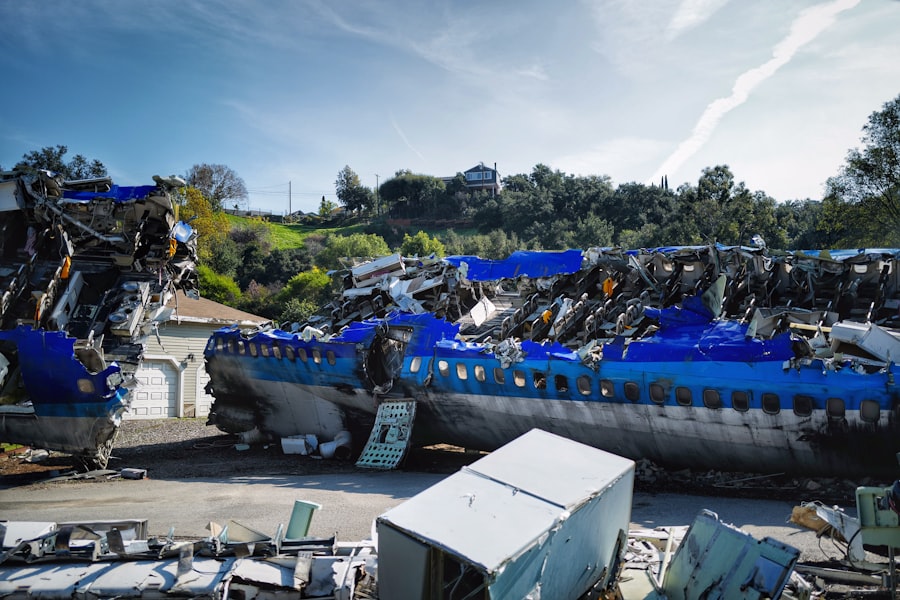
The heart of ship recycling lies in its dismantling phase, a meticulous and labor-intensive process that breaks down a colossal structure into its constituent parts. This involves a carefully orchestrated sequence of cutting, deconstruction, and material separation.
Hazardous Material Removal: Prioritizing Safety and the Environment
One of the most critical and challenging aspects of ship recycling is the identification and removal of hazardous materials. Ships, particularly older ones, can contain a wide array of substances that pose risks to human health and the environment.
Asbestos: A Persistent Threat
Asbestos, once widely used for its fire-retardant and insulating properties, is a significant concern. It can be found in insulation, gaskets, coatings, and various other components. The removal of asbestos requires specialized training, protective equipment, and strict containment protocols to prevent the release of airborne fibers. This process is often outsourced to specialized hazardous waste removal companies.
Polychlorinated Biphenyls (PCBs): Legacy Contaminants
PCBs were used in electrical equipment and paints. While their production and use have been banned in many countries, they can still be present in older vessels. Their removal and disposal are strictly regulated.
Paints and Coatings: Containing Heavy Metals
Antifouling paints and other coatings can contain heavy metals like copper and tributyltin (TBT). These substances must be carefully removed and disposed of as hazardous waste to prevent their release into the marine environment.
Oily Residues: Fuel and Lubricant Management
Residual fuels, lubricants, and other oily substances must be meticulously drained and managed. These are often collected and sent for treatment or repurposing. Inadequate management of oily residues can lead to significant environmental pollution.
Cutting and Sectioning: The Art of Deconstruction
Once hazardous materials are removed, the physical dismantling begins. This is primarily achieved through cutting.
Oxy-fuel Cutting: The Workhorse of Ship Breaking
Oxy-fuel cutting, commonly known as gas cutting, is the primary method employed. This process uses a high-pressure stream of oxygen combined with a flammable gas (such as acetylene or propane) to rapidly heat and melt steel. Skilled workers, known as “cutters,” use specialized torches to sever the ship’s hull and internal structures into manageable sections. This requires precision and an understanding of the ship’s construction to ensure efficient and safe cutting. The heat generated by this process is significant, and proper ventilation is crucial.
Plasma Cutting: For Finer Detail and Special Applications
Plasma cutting, which uses a high-temperature ionized gas to melt and cut metal, is also employed, particularly for more precise cutting or for specific types of steel. While generally faster and more precise than oxy-fuel cutting, it can be more expensive and requires specialized equipment.
Demolition Ball: A Less Common but Visual Method
In some older or less regulated yards, a demolition ball might be used to break apart larger sections of the ship. However, this method is less precise and carries a higher risk of uncontrolled falling debris, making it less favored in modern, responsible recycling operations.
Internal Structure Removal: Working from the Inside Out
The dismantling process typically works from the inside out and from top to bottom. Internal structures, such as cabins, machinery, and pipelines, are removed first. This gradual deconstruction allows access to the larger structural components of the hull. Machinery, including engines, generators, and pumps, are carefully extracted. These often contain valuable metals and can be refurbished or sold as spare parts. Pipelines, both large and small, are cut and removed.
Material Segregation and Processing: From Scrap to Resource
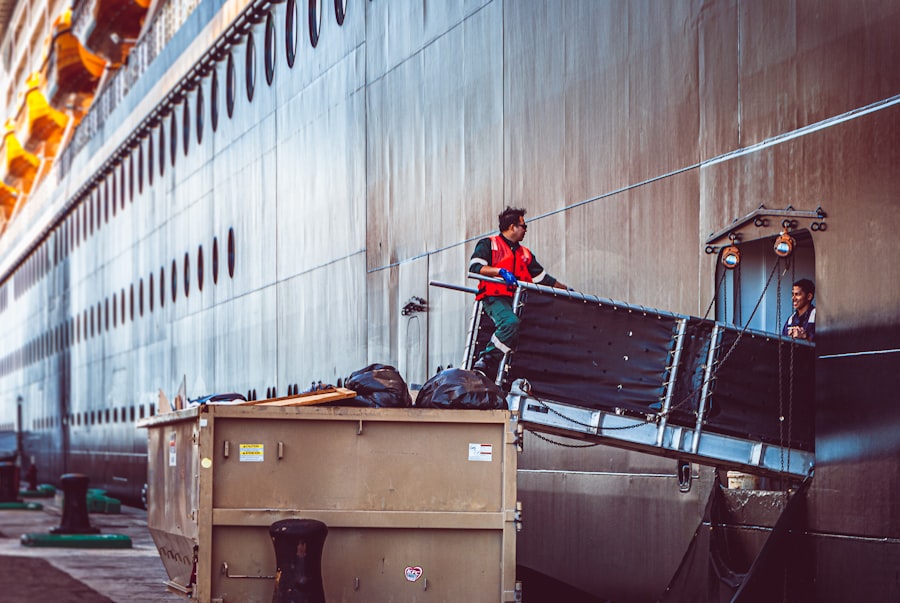
The true value of ship recycling lies in its ability to recover and repurpose a vast array of materials. Once the ship is broken down into manageable pieces, the focus shifts to meticulous segregation and processing.
Metal Recovery: The Primary Economic Driver
The overwhelming majority of a ship’s mass is steel, making metal recovery the primary economic driver of the industry.
Ferrous Metals: The Bulk of the Salvage
The vast quantities of steel from the hull, decks, and internal structures are the most valuable recycled component. These are sorted by type and quality. Large pieces are often further broken down into smaller, more manageable scrap. Magnetic cranes are crucial for separating ferrous metals from non-ferrous materials.
Non-Ferrous Metals: Valuable Byproducts
Beyond steel, ships contain significant amounts of other valuable metals, including copper (from wiring, pipes, and heat exchangers), aluminum (from superstructures and fittings), and brass. These are carefully segregated due to their higher market value compared to steel. Specialized cutting and sorting techniques are employed to extract these materials efficiently.
Non-Metallic Components: Beyond the Metals
While metals dominate, other materials also find new life.
Wood and Plastics: Segregation and Disposal
Wood from cabins, decking, and other interior fittings is often salvaged for reuse or sent for processing into woodchip or biomass fuel. Plastics, while less valuable, are segregated and sent for recycling where facilities exist. However, the diversity of plastic types can make this a challenging process.
Insulation and Fillers: Specific Disposal Requirements
Insulation materials, often made of mineral wool or fiberglass, are carefully removed. While not highly toxic, they require proper handling to avoid dust generation. In some cases, these can be reprocessed or used as aggregate.
Waste Management and Disposal: Responsible End-of-Life Solutions
Not all components can be salvaged or recycled. Responsible ship recycling mandates the proper management and disposal of all waste generated.
Hazardous Waste Treatment: Specialized Handling
Hazardous materials that cannot be safely reused or recycled are treated and disposed of in accordance with strict environmental regulations. This may involve chemical treatment, incineration in specialized facilities, or secure landfilling.
Non-Hazardous Waste: Towards a Circular Economy
Non-hazardous waste that cannot be recycled is typically sent to landfills or incinerated for energy recovery. The ultimate goal is to minimize the amount of waste sent to landfills and to find the most environmentally sound disposal methods.
Ship recycling is a complex process that involves the dismantling of decommissioned vessels to recover valuable materials and ensure environmentally safe disposal of hazardous substances. For a deeper understanding of the intricacies involved in this industry, you can explore a related article that provides insights into the various methods and regulations governing ship recycling practices. This informative piece highlights the importance of sustainable approaches in the recycling process and can be found here.
The Future of Ship Recycling: Innovation and Sustainability
| Aspect | Description |
|---|---|
| Ship Arrival | End-of-life ships arrive at recycling yards. |
| Inventory | All hazardous materials are inventoried and removed. |
| Dismantling | Ship is dismantled into smaller parts for recycling. |
| Material Separation | Materials like steel, copper, and aluminum are separated. |
| Recycling | Recycled materials are sold to manufacturers. |
The ship recycling industry is not static; it is continuously evolving, driven by technological advancements, increasing environmental awareness, and a global push towards sustainability. The challenges remain significant, but the industry is actively pursuing solutions.
Technological Advancements: Enhancing Efficiency and Safety
Innovation plays a crucial role in improving the efficiency, safety, and environmental performance of ship recycling.
Robotics and Automation: Reducing Human Exposure
The use of robotics and automated cutting equipment is gaining traction. These technologies can perform hazardous tasks, such as working at heights or in confined spaces, thereby reducing human exposure to risks. Automated systems can also improve precision and speed of operations.
Advanced Cutting Technologies: Precision and Efficiency
Research into more advanced cutting technologies, such as laser cutting or waterjet cutting, continues. While currently more expensive, these could offer greater precision, reduced heat input, and less environmental impact in the future.
Digitalization and Tracking: Transparency and Compliance
Digital platforms and advanced tracking systems are being implemented to enhance transparency and ensure compliance with regulations. This allows for better management of hazardous materials, tracking of salvaged components, and auditing of the entire recycling process.
The Drive Towards Green Ship Recycling: Beyond Compliance
The concept of “green ship recycling” goes beyond simply meeting regulatory requirements. It embodies a commitment to minimizing environmental impact and maximizing resource recovery.
Life Cycle Assessment: A Holistic Approach
Implementing life cycle assessments (LCAs) for ships can help identify environmental hotspots throughout a vessel’s entire existence, including its end-of-life. This holistic approach informs design choices and recycling strategies to reduce overall environmental burden.
Circular Economy Principles: Designing for Disassembly
The principles of the circular economy are increasingly influencing ship design. This involves designing vessels with materials that are easier to recycle or reuse at the end of their life, and with components that can be readily disassembled.
International Collaboration and Best Practices: Raising the Bar
International collaboration among stakeholders, including ship owners, yards, regulators, and environmental organizations, is crucial for sharing best practices and raising the standards of ship recycling globally. The ongoing refinement of international conventions and guidelines aims to ensure that all ships are recycled safely and sustainably, regardless of their final destination.
The journey of a ship from a functioning vessel to a pile of recycled materials is a testament to human ingenuity and the continuous pursuit of resource optimization. Ship recycling, while often an unglamorous business, is a vital component of the global economy, transforming the end of a ship’s life into the beginning of new resources. As the industry embraces innovation and sustainability, it is poised to become even more efficient, safer, and environmentally responsible, ensuring that even in its final voyage, a ship continues to contribute to a more sustainable future.

The Beaches Global Trade Can’t Afford to Lose
FAQs
What is ship recycling?
Ship recycling, also known as ship breaking, is the process of dismantling an old or decommissioned ship in order to recover valuable materials and components for reuse or recycling.
How does the ship recycling process work?
The ship recycling process typically involves the following steps: 1) Pre-cleaning and removal of hazardous materials, 2) Dismantling of the ship’s structure, 3) Separation and sorting of materials, 4) Recycling and disposal of materials, and 5) Environmental remediation of the shipyard site.
Where does ship recycling take place?
Ship recycling takes place in specialized shipbreaking yards, often located in developing countries such as India, Bangladesh, and Pakistan. These yards are equipped to handle the large-scale dismantling and recycling of ships.
What are the environmental and safety concerns associated with ship recycling?
Ship recycling can pose environmental and safety concerns due to the presence of hazardous materials such as asbestos, lead, and PCBs in old ships. Additionally, the working conditions in some shipbreaking yards have been criticized for their lack of safety measures and environmental protections.
What are the regulations and standards for ship recycling?
The International Maritime Organization (IMO) has developed the Hong Kong International Convention for the Safe and Environmentally Sound Recycling of Ships, which sets out regulations and standards for ship recycling. Additionally, some countries have their own regulations governing ship recycling practices.